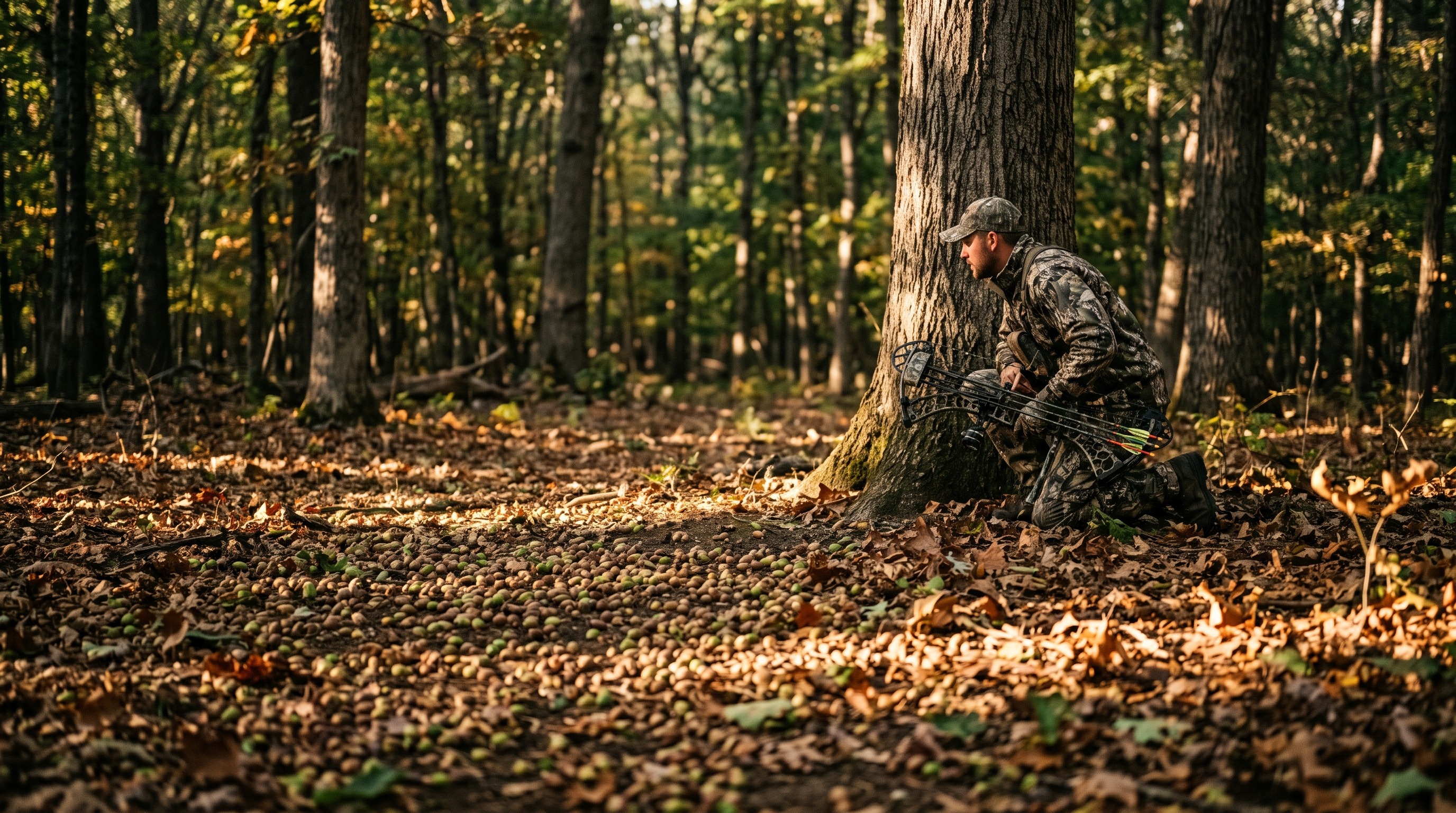
Hunting Ethics and Conservation
Hunting is far more than a way to fill a freezer. At its best, it is a relationship with wild places and wild animals built on respect, responsibility, and…

Hunting is far more than a way to fill a freezer. At its best, it is a relationship with wild places and wild animals built on respect, responsibility, and restraint. The hunters who came before us pulled North America’s wildlife back from the brink, and the choices each of us makes today determine what hunting - and wildlife - will look like for the next generation. This guide explores hunting ethics and the conservation legacy every hunter inherits and helps carry forward.
Why Ethics Matter
Ethics are the standards a hunter holds even when no one is watching. The law sets the minimum; ethics set the bar higher. A hunter’s conduct shapes the animal’s welfare, the health of the land, the experience of other hunters, and the way the non-hunting public views the entire pursuit. In a world where hunting depends on public support and access, every ethical hunter is an ambassador - and every poor decision costs all of us.
Fair Chase
The principle of fair chase is the ethical heart of hunting. It means pursuing free-ranging wild animals in a way that does not give the hunter an improper or unsporting advantage.
- The animal has a genuine chance. Fair chase respects the animal’s wildness and instincts.
- Skill over shortcuts. The challenge - the scouting, the woodsmanship, the patience - is the point. Removing the challenge removes the meaning.
- Follow the law and its spirit. Fair chase means honoring not just the letter of regulations but their intent.
Fair chase is what separates hunting from mere killing. It is a voluntary commitment to a worthy, honest pursuit.
The Ethical Shot
Nothing defines an ethical hunter more clearly than how they handle the shot.
- Know your effective range. Practice year-round and only take shots within the distance where you are consistently accurate.
- Wait for the right angle. Broadside and quartering-away shots offer a clean, quick harvest. Pass on marginal angles - our shot placement guide shows where the vitals sit on common game.
- Be sure of your target and beyond. Positively identify the animal and know what lies behind it. Never shoot at sound or movement.
- Be patient. The willingness to let an animal walk because the shot is not right is a mark of a true hunter.
- Commit to recovery. If you do wound an animal, make every reasonable effort to find and recover it. Giving up is not an option.
A quick, clean harvest is the goal of every shot, and respect for the animal demands nothing less.
Respect for the Animal
Ethical hunting carries respect from the field to the table.
- Use what you harvest. Care for the meat properly and do not let it go to waste. In many states, wanton waste is also illegal.
- Handle game thoughtfully. Treat a harvested animal with dignity, not as a trophy to flaunt carelessly.
- Honor the moment. Many hunters pause to acknowledge the animal and the gravity of taking a life. That reflection is part of hunting done right.
Respect for the Land and Other People
- Leave it better. Pack out trash, close gates, and tread lightly on the habitat that sustains wildlife.
- Get permission. Hunt private land only with the landowner’s consent, and treat that privilege carefully - access lost is rarely regained.
- Share the woods. On public land, be courteous to other hunters and outdoor users. Do not crowd another hunter’s setup.
- Represent hunting well. Your behavior in the field, in town, and online shapes public opinion of all hunters.
The Conservation Legacy
Many people are surprised to learn that hunters are among the most important funders of wildlife conservation in the United States.
The North American Model
North America manages wildlife under a framework often called the North American Model of Wildlife Conservation. A few of its core ideas:
- Wildlife is a public trust - it belongs to all citizens, not to landowners or the wealthy.
- Science guides management - seasons and limits are set by biologists to keep populations healthy.
- Hunting opportunity is democratic - it is available broadly, not reserved for a privileged few.
Hunters Pay for Conservation
- License and tag fees directly fund state wildlife agencies, habitat work, and research.
- The Pittman-Robertson Act places an excise tax on hunting equipment, generating hundreds of millions of dollars each year that are distributed to states for wildlife conservation and habitat.
- Conservation organizations funded largely by hunters protect and restore millions of acres of habitat that benefits hunted and non-hunted species alike.
This system is why deer, turkey, elk, pronghorn, waterfowl, and many other species recovered from historic lows. When you buy a license, a tag, or a box of ammunition, you are paying into conservation.
Population Management
Regulated hunting is also a practical conservation tool. Biologists use hunting seasons and bag limits to keep wildlife populations in balance with available habitat. Overpopulated game can outstrip its food supply, damage ecosystems, and suffer disease and starvation. Carefully managed hunting helps maintain healthy populations and healthy habitat - a benefit to wildlife as a whole.
Mentoring the Next Generation
The future of hunting and conservation depends on passing the tradition forward.
- Take a new hunter afield. Share knowledge patiently and model ethical behavior.
- Emphasize the why. Teach safety, fair chase, and respect - not just how to fill a tag.
- Welcome newcomers. Hunting grows stronger when it is open, generous, and inclusive.
Every ethical hunter you help create strengthens conservation for decades to come.
Conclusion
Hunting ethics and conservation are inseparable. Fair chase, the disciplined and respectful shot, care for the animal and the land, and courtesy toward others - these are the standards that make hunting honorable. And through licenses, excise taxes, and conservation groups, hunters fund the very system that keeps wildlife abundant. To hunt ethically is to honor both the animal in front of you and the legacy you carry. Hunt with respect, give back to the resource, and leave the wild places better than you found them.
🛒 Recommended Gear on Amazon
- Game bags - browse current options and reviews on Amazon.
- Wild game cookbook - browse current options and reviews on Amazon.
- Blaze orange vest - browse current options and reviews on Amazon.
As an Amazon Associate, we earn from qualifying purchases - at no extra cost to you. This helps us keep producing free, in-depth guides.