Understanding Hunting Seasons and Tags
For a new hunter, the calendar of hunting can feel like a foreign language. Archery season, general season, muzzleloader season, youth weekends,…

For a new hunter, the calendar of hunting can feel like a foreign language. Archery season, general season, muzzleloader season, youth weekends, over-the-counter tags, draw units, bag limits, point creep - it’s a lot. (If you haven’t yet sorted out the paperwork itself, start with getting your license and hunter safety course.) But this system isn’t arbitrary. Seasons and tags are the precise tools wildlife agencies use to keep animal populations healthy and hunting sustainable. Once you understand the logic behind them, the calendar becomes a road map instead of a riddle. This guide explains how seasons and tags work, with one constant reminder: every detail varies by state, so your state wildlife agency is always the authoritative source.
Why Seasons and Tags Exist
Hunting in America is built on the principle of sustainable use - managed so that wildlife populations thrive year after year. Seasons and tags are the levers that make this possible:
- Seasons time hunting to avoid sensitive periods like birthing and to align harvest with population goals.
- Tags and bag limits control how many animals are harvested, where, and of what sex.
- Weapon-specific seasons spread out hunting pressure and offer different challenges.
Wildlife biologists set these rules using population surveys, habitat data, and harvest reports. When you follow them, you’re participating in one of the most successful conservation models in the world.
Types of Hunting Seasons
Most states divide the year into multiple seasons for a given species. Common ones include:
Archery Season
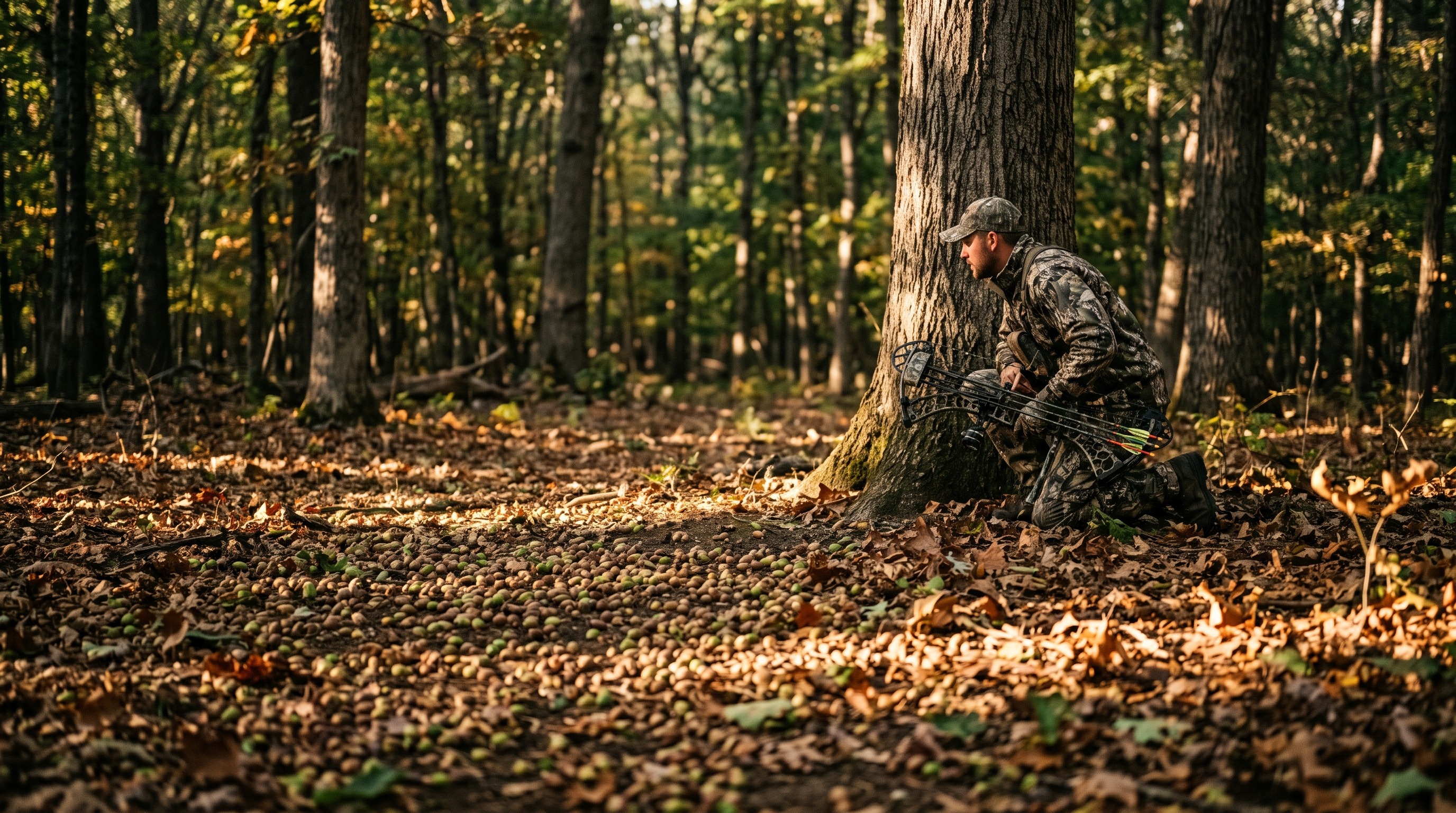
Usually the earliest big-game season, archery hunting requires getting close to animals and is often longer to balance its lower success rate. Some areas have separate crossbow rules.
Muzzleloader Season
A primitive-weapon season for those using muzzle-loading firearms. It typically falls between archery and general firearm seasons.
General Firearm Season
The most popular season, often the shortest and most crowded, timed by the state to meet harvest objectives.
Special Seasons
Many states offer additional windows such as youth hunts, mentored hunts, antlerless-only seasons, or late seasons designed to fine-tune population management.
Seasons also vary by region within a state. A species might open weeks apart in different zones, so always confirm dates for the specific unit you’ll hunt.
Understanding Tags and Permits
A general hunting license often isn’t enough to pursue big game. You’ll usually need a tag - authorization to harvest a specific animal.
Over-the-Counter (OTC) Tags
These can be bought directly without a lottery, as long as they’re available. OTC tags make beginner hunting accessible and are common for abundant species like the whitetail deer in many states.
Limited-Entry or Draw Tags
For species or units where demand exceeds what the population can sustain, such as trophy elk units, tags are awarded through a lottery (draw). You apply, often months before the season, and may or may not be selected.
Preference and Bonus Points
Many draw systems use a point system to reward applicants who haven’t drawn. Each unsuccessful year you accumulate a point that improves future odds. Some states use preference points (most points wins), others use bonus points (extra lottery entries). “Point creep” - where the points needed to draw keep rising - is a real factor for premium hunts, so research before you commit years to a particular tag.
Tag Restrictions
Tags often specify:
- Species - the kind of animal.
- Sex - antlered/antlerless or buck/doe, for example.
- Unit or zone - a defined geographic area.
- Season - sometimes tied to a specific weapon season.
Read your tag carefully. Using it outside its restrictions is a serious violation.
Bag Limits and Possession Limits
A bag limit is the number of animals you may harvest, often per day or per season. A possession limit is how many you may legally have at one time, including meat at home for some species. These limits are central to keeping harvest sustainable. They differ by species, area, and sometimes time of year - check the current regulations every season, because they can change.
How to Plan Your Hunting Year
Because seasons and applications are spread across the calendar, planning ahead matters.
- Early in the year, review draw application deadlines. Many are months before the season and easy to miss.
- Apply for draw tags you’re interested in, even long-shot ones, to start accumulating points.
- Confirm which OTC tags are available as a reliable fallback.
- Mark season dates for every weapon type you plan to use.
- Scout in the months leading up to your seasons.
- Buy licenses and tags before they sell out or deadlines pass.
A simple calendar with deadlines, draw results dates, and season openers will keep you from missing opportunities.
Reading the Regulations
Every state publishes an annual hunting regulations guide, available on the agency website and often as a printed booklet. It’s the single document that ties all of this together. When you read it, pay attention to:
- Season dates for your species, unit, and weapon
- Tag types and how to obtain them
- Bag and possession limits
- Legal hunting hours (often defined relative to sunrise and sunset)
- Legal weapons and equipment
- Tagging, validation, and harvest reporting requirements
- Any special area restrictions
Regulations are updated yearly. Never rely on last season’s booklet or a friend’s secondhand summary - and never assume prices or rules from one state apply to another.
A Note on Doing It Right
Tagging and reporting rules exist for good reasons. When you harvest an animal, validate or notch your tag immediately as instructed, attach it as required, and submit any mandatory harvest report. These reports feed the population data that shapes future seasons. Following them precisely isn’t just about staying legal - it’s how you contribute to the science that keeps hunting sustainable.
Conclusion
Hunting seasons and tags can look overwhelming at first, but they follow a clear and purposeful logic: protect wildlife populations while providing fair, sustainable hunting opportunity. Learn the season types, understand the difference between over-the-counter and draw tags, respect bag limits, and plan your year around application deadlines and season dates. Above all, read your state’s current regulations and treat your state wildlife agency as the final authority. Master the calendar, and you’ll spend less time confused and more time confidently afield.
🛒 Recommended Gear on Amazon
- Hunting license holder - browse current options and reviews on Amazon.
- Hunting daypack - browse current options and reviews on Amazon.
- Boot dryer - browse current options and reviews on Amazon.
As an Amazon Associate, we earn from qualifying purchases - at no extra cost to you. This helps us keep producing free, in-depth guides.