Wind and Scent Control for Hunters
Ask a roomful of experienced hunters what beats them most often, and you'll hear the same answer again and again: the wind. Game animals live and die by their…

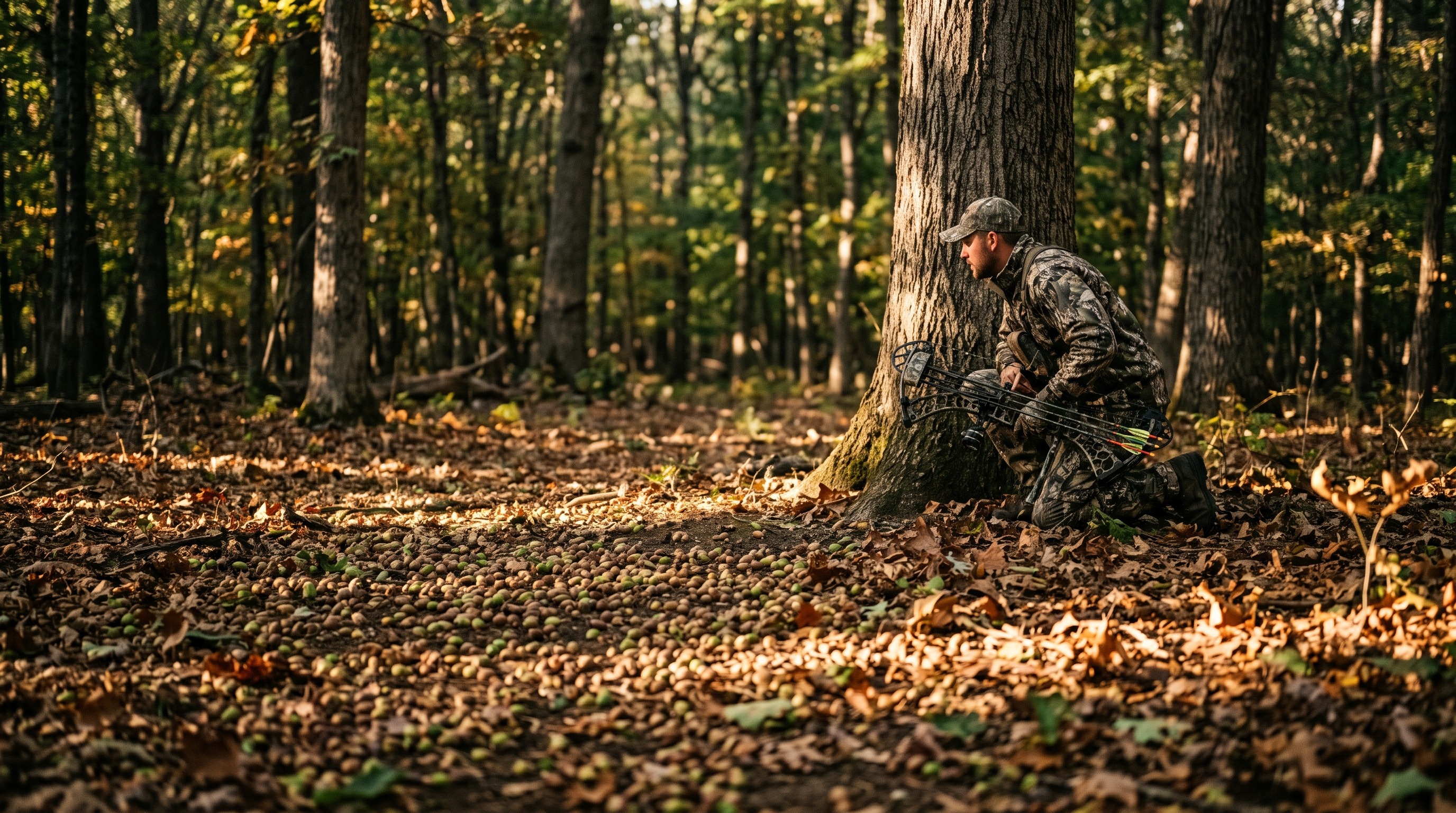
Ask a roomful of experienced hunters what beats them most often, and you’ll hear the same answer again and again: the wind. Game animals live and die by their sense of smell, and for many species it is their single sharpest defense. A whitetail deer can see you and hesitate, hear you and freeze, but catch your scent and it’s simply gone. You can do everything else right - perfect stand, perfect camouflage, perfect stillness - and a single shifting breeze can end the hunt before it starts. Understanding wind and managing your scent is not an advanced trick; it is a fundamental skill every hunter must learn. This guide covers how to play the wind and reduce your scent so animals never know you’re there.
Why Scent Matters So Much
Humans rely on sight; many game animals rely on smell. Their noses are extraordinarily sensitive and capable of detecting human odor at remarkable distances. Worse for the hunter, scent doesn’t just sit still - it drifts, pools, and travels on moving air, spreading your presence across the landscape. You cannot eliminate your scent entirely. No human can. The realistic goal is twofold: keep your scent away from animals by playing the wind, and reduce how much scent you produce and carry. Do both, and you tilt the odds dramatically in your favor.
Playing the Wind: The Core Skill
If you only master one thing, master this. Always keep the wind in your favor, meaning the breeze carries your scent away from where you expect animals to be - not toward them.
Know the Wind Before and During Your Hunt
- Check the forecast for wind direction and speed before you choose a spot.
- Confirm conditions on site, because forecasts are imperfect and terrain alters wind.
- Monitor the wind constantly while hunting; it shifts throughout the day.
Simple Tools to Read the Wind
- Wind-checker powder or puffer bottles release a fine dust that drifts visibly, showing exactly where your scent is going.
- Lightweight indicators like a thread, milkweed down, or even dropped dry grass reveal subtle currents.
- Your senses - feeling the breeze on damp skin or watching leaves and grass - give a quick read.
Check the wind often. A breeze that’s perfect at first light may swing 180 degrees by mid-morning.
Understand Thermals
In hilly and mountainous terrain, temperature drives air movement in predictable ways, one of many ways weather shapes animal movement. As the ground warms in the morning, air rises and carries scent uphill; as it cools in the evening, air sinks and carries scent downhill. Plan your position so these thermal currents move your scent away from the animals you expect, not into their core areas.
Plan Your Access Route Around the Wind
How you walk to your stand matters as much as the stand itself. If your route crosses through feeding or bedding areas with the wind at your back, you’ll spread scent and spook game before you ever sit down. Choose access paths that keep your scent off the areas you intend to hunt. Many hunters set up multiple stand locations specifically so they can hunt the same area on different wind directions.
Reducing Your Scent Output
You can’t beat a bad wind, but minimizing the scent you produce buys you margin when the wind isn’t perfect.
Before the Hunt
- Wash hunting clothes in scent-free detergent and store them sealed away from household and vehicle odors - cooking, smoke, fuel, pets.
- Shower with unscented soap before hunting and skip scented products like cologne, deodorant, and strongly scented personal care items.
- Dress at or near the hunting site when practical, so clothes don’t soak up odors on the drive.
- Avoid strong-smelling foods and smoke before and during the hunt.
In the Field
- Carry rubber boots, which hold and release less odor than other footwear and reduce the scent trail you leave walking in.
- Use scent-control sprays and odor-reducing products as a supplement - they help, but treat them as backup, never a replacement for playing the wind.
- Stay as cool and dry as possible. Sweat generates odor, so avoid overheating on the walk in by carrying layers and putting them on once you stop.
- Keep gear and clothing clean throughout the season.
A reasonable, honest expectation: scent control reduces your odor signature and can make the difference on a marginal wind, but no product makes you invisible to a downwind animal. Wind discipline always comes first.
Other Factors That Affect Scent
- Humidity. Damp, humid air tends to hold and carry scent; very dry air can disperse it differently. Conditions vary, so read the situation rather than relying on rules of thumb.
- Wind speed. A light, steady breeze gives consistent, readable scent drift. Dead-calm air lets scent pool unpredictably around you, and swirling gusty wind scatters it everywhere - both are tricky.
- Terrain. Ridges, draws, creek bottoms, and timber edges all bend the wind. Learn how air moves through the specific places you hunt.
- Time of day. Morning and evening thermals behave differently from midday wind.
Practical Game Plan
Bring it all together into a simple routine:
- Check the forecast and pick a spot where the expected wind favors you.
- Plan an access route that keeps your scent off feeding and bedding areas.
- Prepare scent-reduced - clean clothes, unscented soap, sealed storage.
- Confirm the wind on site with a wind-checker before settling in.
- Monitor the wind continuously and be willing to move or call it off if it turns against you.
- Have backup stands for different wind directions so you’re never stuck.
The discipline to abandon a perfect-looking spot because the wind went wrong is a mark of a serious hunter. A spot hunted on a bad wind is often a spot ruined for days.
Conclusion
For most game animals, scent is the ultimate truth detector, and the hunter who ignores the wind is hunting on borrowed time. Playing the wind - positioning yourself, your stands, and your access routes so your scent drifts away from animals - is the single most important scent skill you can develop. Reducing the odor you produce through clean clothing, unscented products, and smart habits adds a valuable safety margin. Carry a wind-checker, watch the breeze all day long, and respect it enough to walk away when it turns. Master the wind, and you’ll get close to game that never knew you existed.
🛒 Recommended Gear on Amazon
- Wind checker - browse current options and reviews on Amazon.
- Scent eliminator spray - browse current options and reviews on Amazon.
- Scent control storage bag - browse current options and reviews on Amazon.
As an Amazon Associate, we earn from qualifying purchases - at no extra cost to you. This helps us keep producing free, in-depth guides.