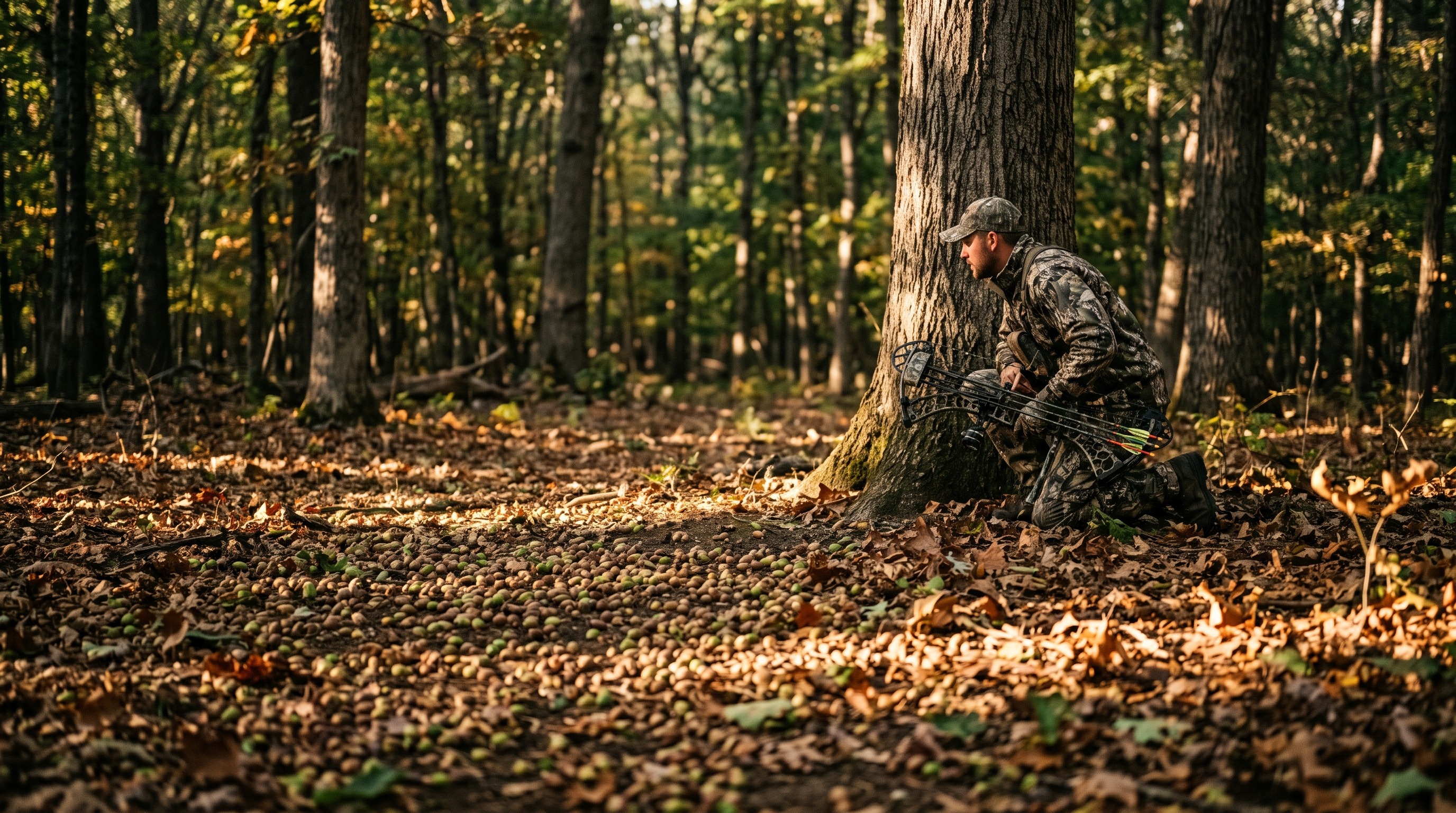
Spot-and-Stalk Hunting Explained
Spot-and-stalk hunting is one of the most active, engaging, and rewarding ways to pursue big game. Instead of waiting in a stand for an animal to come to you,…

Spot-and-stalk hunting is one of the most active, engaging, and rewarding ways to pursue big game. Instead of waiting in a stand for an animal to come to you, you go find it. You climb to a vantage point, glass the country until you locate an animal, then plan and execute a careful approach to get within range. It is hunting reduced to its most fundamental form: your eyes, your legs, the wind, and the terrain. This guide explains how spot-and-stalk works, where it shines, and how to do it well as a beginner.
What Spot-and-Stalk Is and Where It Works
Spot-and-stalk is most associated with open or semi-open country where you can see long distances: the sage flats and foothills of the West, alpine basins, prairie breaks, and desert ranges. It is the classic approach for mule deer, pronghorn antelope, elk in open terrain, and Western big game in general. It can also work for whitetails in agricultural country or open hill ground.
The method has two phases that share equal importance:
- Spotting: locating an animal from a distance using optics.
- Stalking: closing the gap without being seen, heard, or scented.
Most new hunters underestimate the spotting phase and rush the stalk. Patience in both halves is what fills tags.
Gear You Actually Need
Spot-and-stalk does not require a mountain of equipment, but a few items are essential.
- Quality binoculars: An 8x42 or 10x42 binocular is the backbone of this style. You will spend hours behind them, so glass quality matters.
- A tripod and binocular adapter: Glassing off a tripod dramatically increases how much you see. A steady image reveals animals that handheld glassing misses.
- A spotting scope: Useful for evaluating animals at long range and judging whether a stalk is worth attempting.
- A rangefinder: Confirms distance before a shot and helps you plan terrain features during a stalk.
- Wind checker: A small puffer bottle or unscented powder. Wind awareness is the entire game.
- Comfortable, broken-in boots and layered clothing: You will cover ground and sit still for long stretches.
The Spotting Phase: Glass More Than You Walk
The most common beginner mistake is walking too much and glassing too little. Disciplined hunters often spend the first hours of daylight glassing from a single good vantage point.
Pick the Right Vantage
Get high, get the light at your back when possible, and choose a spot that overlooks feeding areas, transition zones, and bedding cover. Animals are most active and visible during the first and last hours of daylight.
Glass Methodically
- Mount your binoculars on a tripod and divide the country into a grid.
- Work each section slowly, top to bottom, before moving on.
- Look for parts of animals: a horizontal back line, the flick of an ear, an antler tip, a patch of color that does not belong.
- Glass the shadows and edges of cover, not just the open.
- Re-glass areas as light changes. Animals appear and disappear.
If you find nothing, move to a new vantage and repeat. Cover country with your eyes before you cover it with your boots.
The Stalk: Closing the Distance
Once you have located an animal worth pursuing, slow down and make a plan before you take a step.
Read the Wind First
The wind decides everything. Plan an approach that keeps the wind in your face or quartering across it, never at your back. If the only approach blows your scent to the animal, wait for the wind to change or pass on the stalk. A busted stalk educates the animal and ends the opportunity.
Use the Terrain
- Identify ridges, gullies, creek beds, brush lines, and rock outcrops you can use as cover.
- Plan a route that keeps terrain between you and the animal as much as possible.
- Pick landmarks. Animals look different up close, and you can lose track of exactly where one is bedded.
Note Whether the Animal Is Bedded or Feeding
A bedded animal is stationary, which lets you plan a precise approach, but it is also alert and watching its surroundings. A feeding animal moves, so you must predict where it is going and intercept it. Bedded animals generally make for higher-percentage stalks because you know where they are.
Move Slow, Then Slower
- Walk quietly, watching where you place each foot.
- Move when the animal’s head is down or it is looking away; freeze when it looks up.
- As you close the final distance, slow dramatically. The last 100 yards take the most time.
- Use natural sound cover, like wind in the trees, to mask your movement.
Close to a Confident Range
Do not push for an unrealistic shot. Close until you are within a distance you can shoot accurately and ethically, account for the angle and terrain, range the animal, and take a steady, well-supported shot. If the stalk falls apart, back out quietly and try again another time.
Common Mistakes to Avoid
- Skylining yourself. Never walk along a ridge with open sky behind you. Stay below the crest.
- Ignoring other animals. Does, cows, and young animals will bust you and alert the one you want.
- Rushing the final approach. Most stalks fail in the last few hundred yards.
- Stalking into a bad wind out of impatience. It almost never works.
- Forgetting the sun. Moving with the sun behind you keeps you in shadow and the animal in light.
Conclusion
Spot-and-stalk hunting is a craft built on patience, good optics, and respect for the wind. Glass far more than you walk, choose your stalks carefully, and let the terrain and weather guide your approach. Some stalks will fall apart, and that is part of the game. The ones that come together, when you close the final yards and earn a clean, ethical shot on an animal you found with your own eyes, are among the most satisfying experiences in all of hunting.
🛒 Recommended Gear on Amazon
- Binocular chest harness - browse current options and reviews on Amazon.
- Hunting knee pads - browse current options and reviews on Amazon.
- Hunting gaiters - browse current options and reviews on Amazon.
As an Amazon Associate, we earn from qualifying purchases - at no extra cost to you. This helps us keep producing free, in-depth guides.