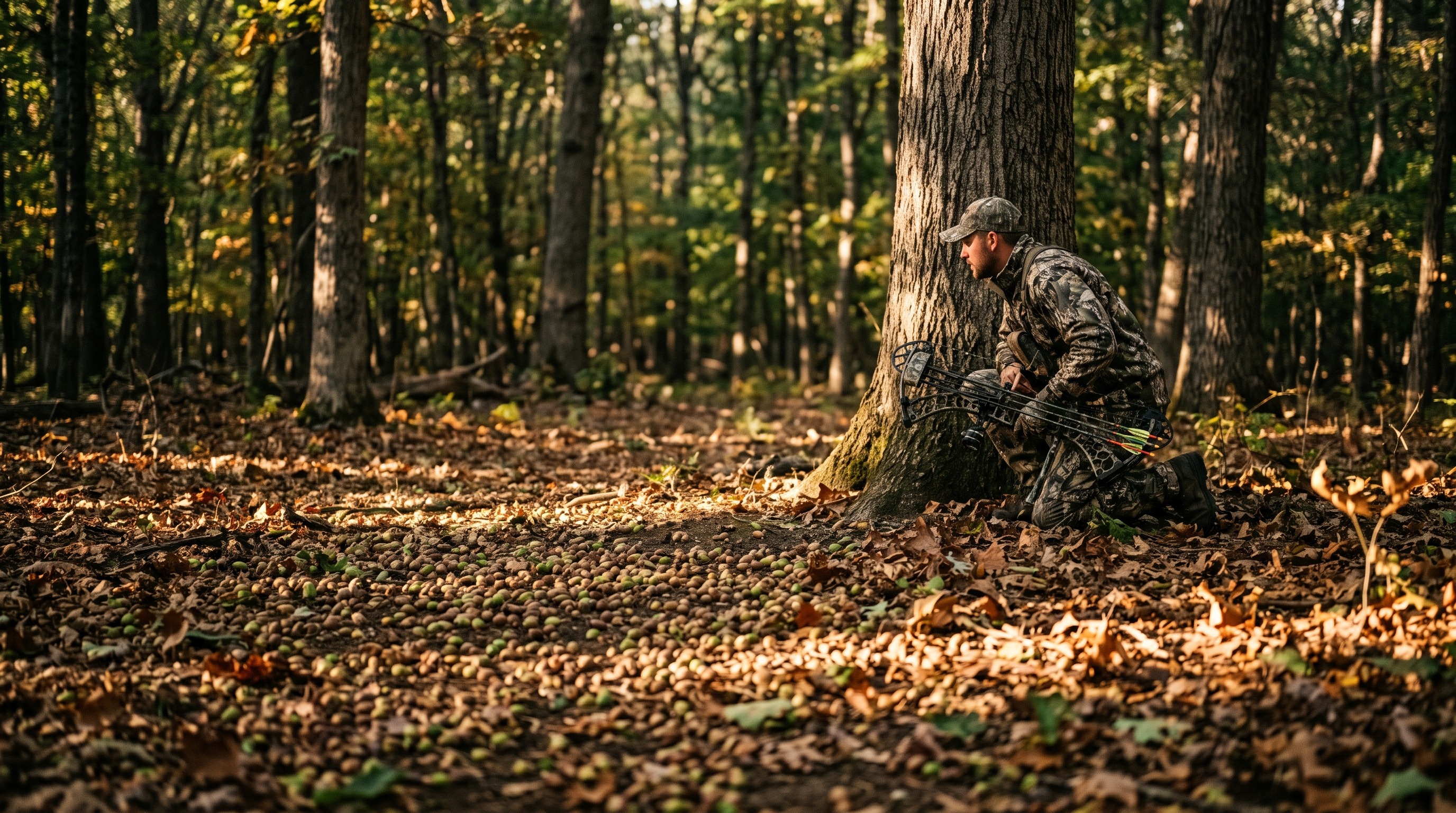
How to Scout for Hunting Spots
Successful hunts are rarely luck. They're the payoff for hours of scouting done long before opening day. Scouting is the process of learning the land, locating…

Successful hunts are rarely luck. They’re the payoff for hours of scouting done long before opening day. Scouting is the process of learning the land, locating animals, and understanding their patterns so that when the season opens, you already know where to be. Beginners often skip this step and wonder why they don’t see game. Experienced hunters know that the work done in the off-season is what fills the freezer. This guide breaks scouting into a clear, practical system you can use anywhere.
What Scouting Really Means
Scouting is detective work. You’re answering a few core questions about the area you plan to hunt:
- Where are the animals? What sign shows they’re present?
- What are they eating? Food drives almost everything.
- Where do they sleep? Animals bed in predictable cover.
- How do they move between food and bedding? These travel routes are where you’ll often hunt.
- How does pressure and weather change all of the above?
Answer those questions and you’ve turned a big anonymous block of land into a map of opportunity.
Start With Maps Before Boots
Smart scouting begins at home, not in the woods. This is called e-scouting, and it saves enormous time.
Use Satellite and Topographic Maps
Mapping apps and topographic maps let you read terrain from your couch. Look for:
- Terrain funnels - saddles, ridgelines, creek crossings, and benches that concentrate animal movement.
- Edge habitat - where two cover types meet, such as a field meeting timber. Wildlife loves edges.
- Water sources - creeks, ponds, springs, and seeps.
- Food sources - agricultural fields, clear-cuts, oak flats, and openings.
- Bedding cover - thick timber, swamps, brushy draws, north-facing slopes.
- Access routes - how you’ll get in quietly without disturbing game.
Mark every promising spot as a waypoint. You’ll confirm or rule them out on the ground.
Get Boots on the Ground
E-scouting tells you where to look; physical scouting tells you what’s actually there. Plan in-person visits during the off-season and early preseason so any disturbance you cause has time to fade before opening day.
What to Look For
When you walk the land, you’re reading sign - the evidence animals leave behind:
- Tracks in mud, sand, snow, or soft trails.
- Scat, which tells you what’s present and how recently.
- Trails - well-worn paths between feeding and bedding areas.
- Feeding sign - browsed plants, scratched-up ground, cracked nuts, clipped grass.
- Bedding sign - matted vegetation in protected cover.
- Rubs, scrapes, wallows, and other species-specific sign depending on what you hunt, whether that is whitetail deer, elk, or any other big game species.
Note where sign is concentrated and how fresh it looks. A maze of fresh trails converging on a food source is exactly the kind of spot you want to find.
Use Trail Cameras Wisely
Trail cameras are a powerful scouting tool. They monitor a spot around the clock and reveal which animals use it and when. To get the most from them:
- Place cameras on travel corridors, water, and food sources.
- Minimize your disturbance - get in, set up, and leave quickly.
- Check cameras sparingly to avoid spreading scent and alerting game.
- Look for patterns in timing, not just the presence of animals.
Cameras don’t replace boots-on-the-ground scouting, but they add a layer of real-world data you can’t get any other way. Note that some states regulate trail camera use, especially on public land, so check your state rules.
Scout the Whole Year
Different seasons reveal different things.
Late Winter and Early Spring
After the season ends, sign from the previous fall is still visible and animals are concentrated on remaining food and cover. This is a low-pressure time to walk an area aggressively without worrying about spooking game you’ll hunt soon.
Summer
Watch food sources from a distance with binoculars or a spotting scope. Patterns you observe in late summer often hint at early-season behavior.
Preseason
In the weeks before opening day, do light, careful scouting to confirm animals are still where you expect. Stay on the edges and avoid bedding areas.
In-Season
Keep scouting even while hunting. Conditions change - food sources dry up, crops get harvested, pressure pushes animals around. Stay adaptable.
Pay Attention to Wind and Access
A great spot you can’t reach without spooking everything isn’t a great spot. As you scout, plan how you’ll get in and out based on prevailing wind and the location of bedding areas. Your access route should keep your scent away from where animals feed and bed. Identify multiple stand or blind locations so you can hunt the same area on different wind directions.
Keep a Scouting Journal
Memory fades; notes don’t. Record what you find - locations, dates, sign, weather, wind, and observations. Over a few seasons your journal becomes a personal database of patterns that will make you a far more effective hunter. Many hunters keep this digitally within a mapping app, tying notes directly to waypoints.
Common Scouting Mistakes
- Scouting too close to season and spooking the very animals you hope to hunt.
- Overlooking access and blowing out an area every time you walk in.
- Falling in love with one spot instead of having options.
- Ignoring pressure from other hunters, which changes everything on public land.
- Confusing old sign with fresh sign. Learn to tell the difference.
Conclusion
Scouting turns hunting from a hopeful gamble into an informed pursuit. Start with maps to find likely terrain, confirm it with careful boots-on-the-ground work, use trail cameras to fill in the timeline, and scout across all four seasons so you understand how animals shift. Plan your access around the wind, keep good notes, and stay adaptable. The hunter who scouts well doesn’t need luck - they’ve already done the work that makes a good hunt possible.
🛒 Recommended Gear on Amazon
- No-glow trail cameras - browse current options and reviews on Amazon.
- Binocular chest harness - browse current options and reviews on Amazon.
- Wind checker - browse current options and reviews on Amazon.
As an Amazon Associate, we earn from qualifying purchases - at no extra cost to you. This helps us keep producing free, in-depth guides.