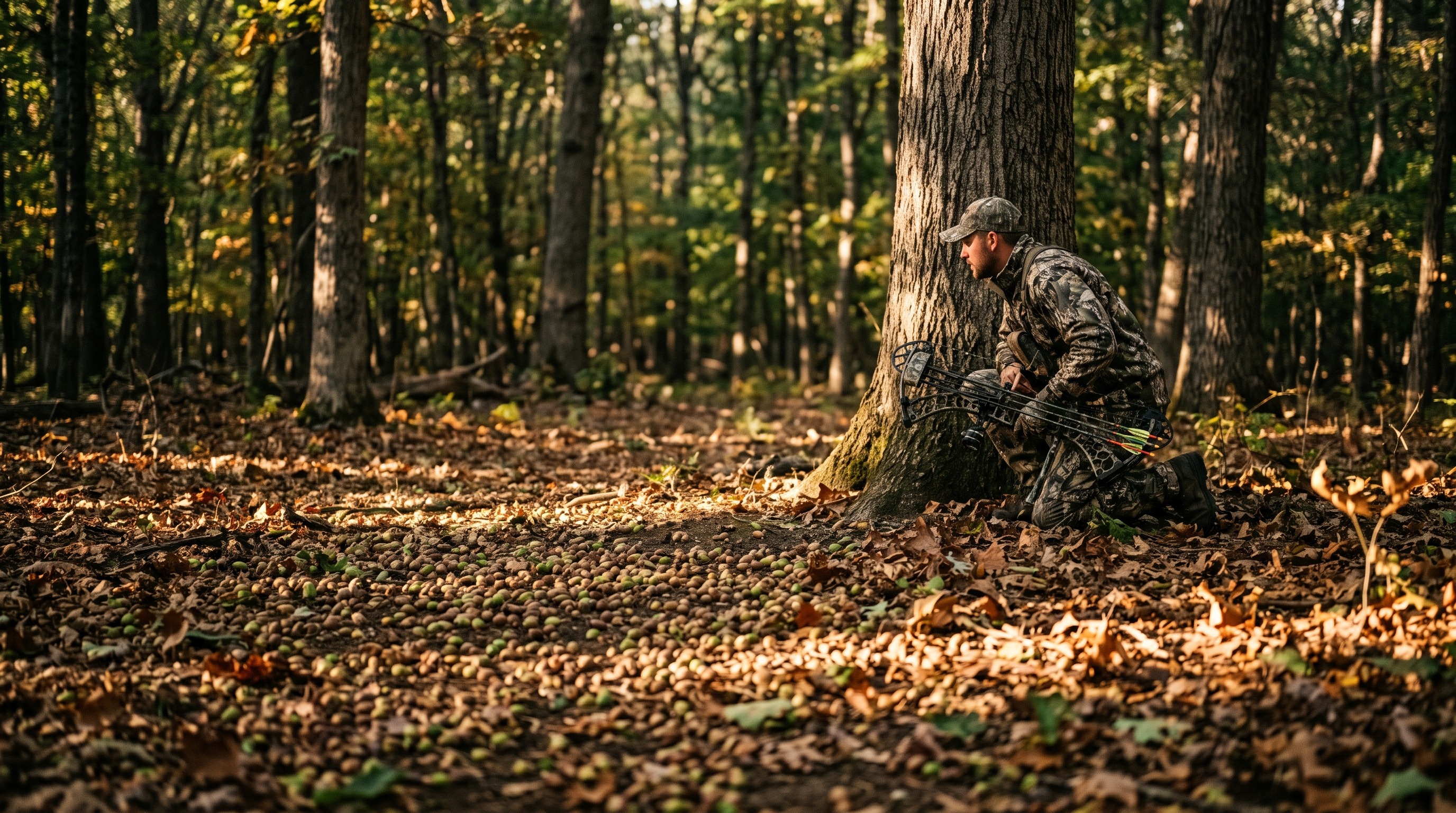
Public Land Hunting: A Beginner's Guide
You don't need to own a ranch or know a friendly farmer to be a hunter in America. The United States is home to hundreds of millions of acres of public land -…

You don’t need to own a ranch or know a friendly farmer to be a hunter in America. The United States is home to hundreds of millions of acres of public land - national forests, wildlife management areas, grasslands, and more - much of it open to hunting. For beginners without private access, public land is the great equalizer. It can also be intimidating: more crowded, less familiar, and bound by its own layered set of rules. This guide will help you understand what public land is, how to find it, and how to hunt it successfully and respectfully.
What Counts as Public Land
“Public land” is an umbrella term covering several types of property managed by different agencies, each with its own rules.
- National Forests - Managed by the U.S. Forest Service, these vast multi-use areas are generally open to hunting and offer some of the best big-woods opportunities in the country.
- Bureau of Land Management (BLM) land - Common in the West, BLM parcels are often wide-open country ideal for spot-and-stalk hunting.
- National Grasslands - Federally managed prairie, frequently open to upland bird and big-game hunting.
- State Wildlife Management Areas (WMAs) - Lands purchased and managed by state agencies specifically with wildlife and hunting in mind. Often excellent habitat.
- State Forests and State Parks - Hunting access varies; some allow it, some restrict it.
- Walk-In and Access programs - Private land enrolled in state programs that open it to public hunting access.
Each category has different regulations, so always confirm the rules for the specific tract you plan to hunt.
How to Find Public Hunting Land
Start With Your State Wildlife Agency
Your state agency website lists WMAs and access program lands, usually with maps, regulations, and species information. This is the best first stop.
Use Mapping Apps and Tools
Modern hunting mapping apps overlay public and private boundaries on satellite imagery, show land ownership, and let you mark waypoints and check the wind. They are one of the most valuable tools a public-land hunter can have, and they help you stay legal by keeping you off private property.
Check Federal Agency Resources
The Forest Service and BLM publish maps of their holdings. Federal land management websites can show you boundaries, access roads, and any area-specific closures.
Understand the Layered Rules
The biggest mistake new public-land hunters make is assuming one set of rules applies everywhere. In reality you may be governed by:
- State hunting regulations - seasons, tags, bag limits, legal weapons.
- Land-specific rules - some WMAs require special permits, have shorter seasons, restrict certain weapons, limit motorized access, or require sign-in.
- Federal rules on national forest or BLM land.
Read the regulations for your specific tract before you go. When in doubt, call the managing agency office.
Scout Before the Season
Public land sees pressure, which means the easy spots near parking areas and roads get hunted hard. Your advantage as a thoughtful hunter is scouting.
- Use maps to find pockets of terrain other hunters overlook - distance from roads, difficult access, terrain funnels, or overlooked corners.
- Visit in person in the off-season to confirm what the map suggests: trails, food, water, bedding sign, and access routes.
- Have a backup spot or two, because someone may beat you to your first choice on opening morning.
Dealing With Hunting Pressure
Other hunters are part of the public land experience. A few strategies help:
- Hunt farther in. Even a mile of walking dramatically reduces the number of people you’ll encounter.
- Hunt midweek when possible to avoid weekend crowds.
- Hunt the off-hours. Many hunters leave by mid-morning; midday can be quiet and productive.
- Use pressure to your advantage. Other hunters move game. Position yourself where animals are likely to escape to.
Public Land Etiquette
How you behave reflects on every hunter. Good public-land etiquette includes:
- Give other hunters space. If you arrive and someone is already set up, move on rather than crowding them.
- Park considerately and never block gates or access roads.
- Don’t claim ground you aren’t using. Marking a tree or leaving gear doesn’t reserve a spot.
- Pack out everything, including trash that isn’t yours.
- Be friendly. A respectful conversation in a parking lot can lead to shared knowledge and goodwill.
Safety on Public Land
More hunters means more need for caution.
- Wear blaze orange where required, and consider it even where it isn’t.
- Assume other people are around, even in remote-feeling areas.
- Identify your target and what’s beyond it with absolute certainty before any shot.
- Tell someone your plan - where you’re parking, where you’re hunting, and when you expect to return.
- Carry navigation tools and know how to use them; public tracts can be large and disorienting.
Make the Most of Access Programs
Many states run walk-in or public access programs that pay private landowners to allow hunting. These lands are often less pressured than well-known WMAs and can be hidden gems. They usually come with extra rules - sign-in requirements, vehicle restrictions, or date limits - so read the program guidelines carefully and treat the land as a guest would.
Conclusion
Public land removes the biggest barrier between a beginner and a successful hunt: access. With hundreds of millions of acres available, your job is to find the right pieces, learn the rules that govern them, scout harder than the next person, and conduct yourself with respect for the land and other hunters. Public land rewards effort and woodsmanship over connections and money. Put in the work, hunt ethically, and these shared landscapes will give you a lifetime of opportunity.
🛒 Recommended Gear on Amazon
- Handheld hunting GPS - browse current options and reviews on Amazon.
- Climbing sticks - browse current options and reviews on Amazon.
- Wind checker - browse current options and reviews on Amazon.
As an Amazon Associate, we earn from qualifying purchases - at no extra cost to you. This helps us keep producing free, in-depth guides.