Big Game
81 detailed profiles covering identification, habitat, seasons, methods, gear and shot placement for every big game animal.
Auf Deutsch lesen - 81 Porträts
81 shown
Whitetail Deer
Mule Deer
Elk
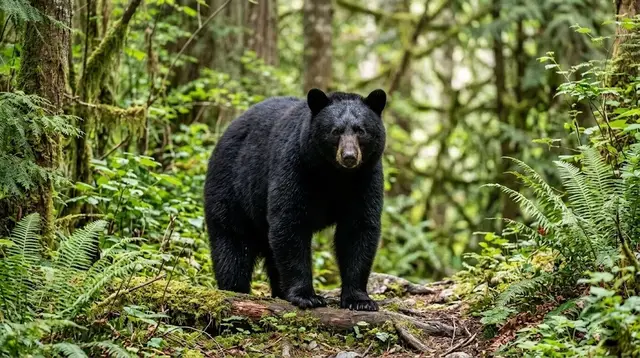
Black Bear
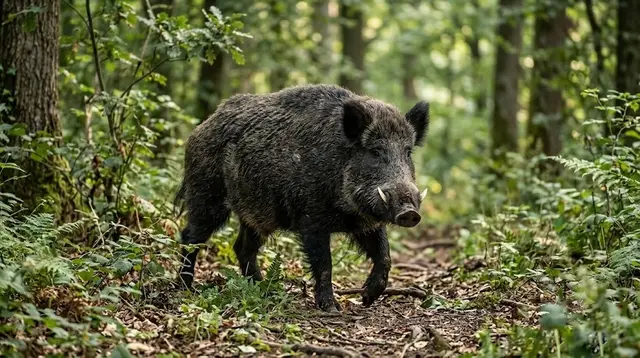
Feral Hog
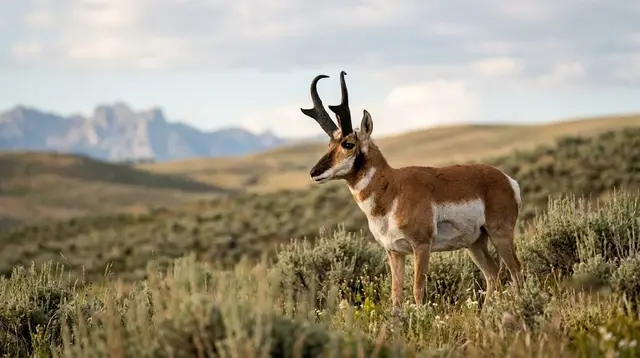
Pronghorn
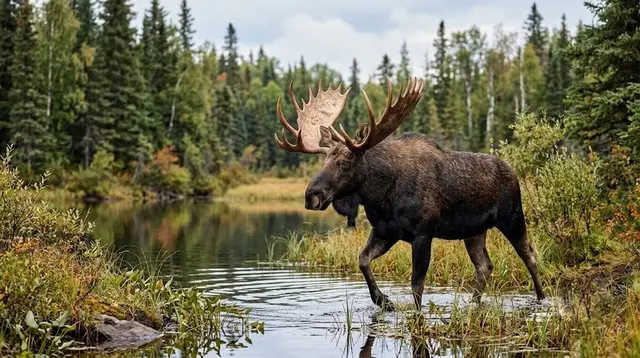
Moose
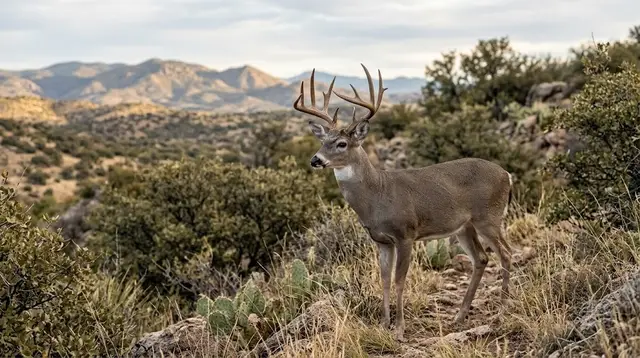
Coues Deer
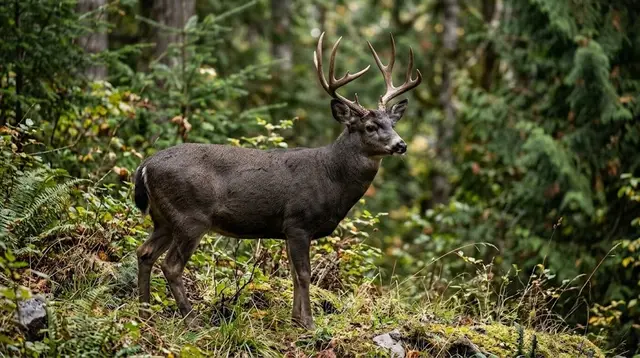
Columbia Blacktail Deer
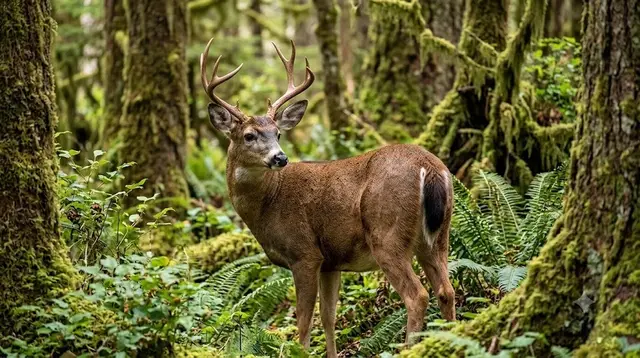
Sitka Blacktail Deer
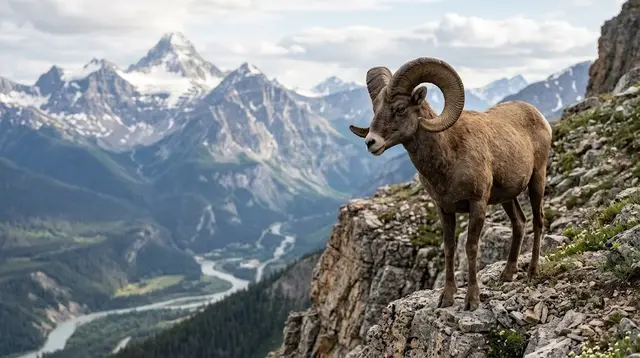
Rocky Mountain Bighorn Sheep
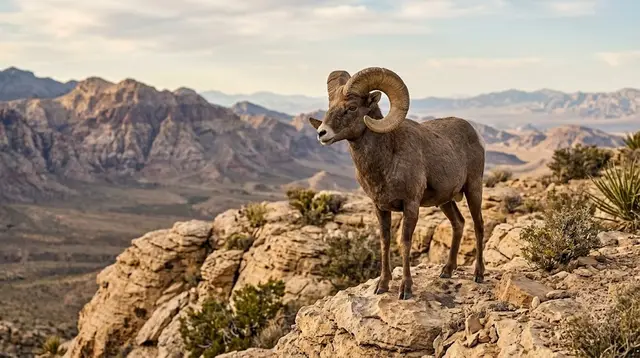
Desert Bighorn Sheep
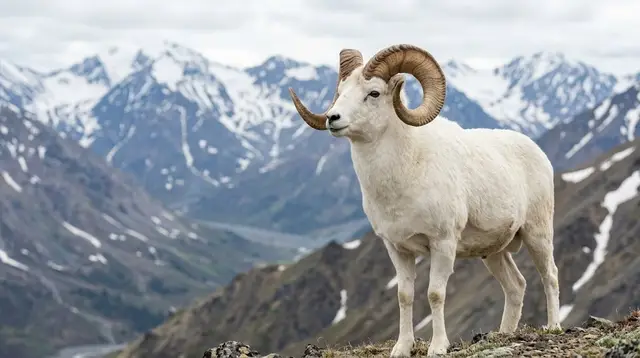
Dall Sheep
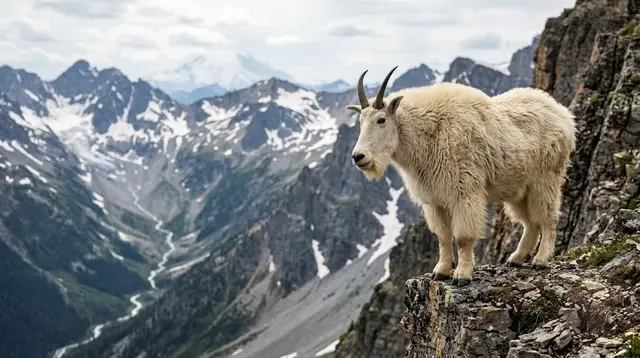
Mountain Goat
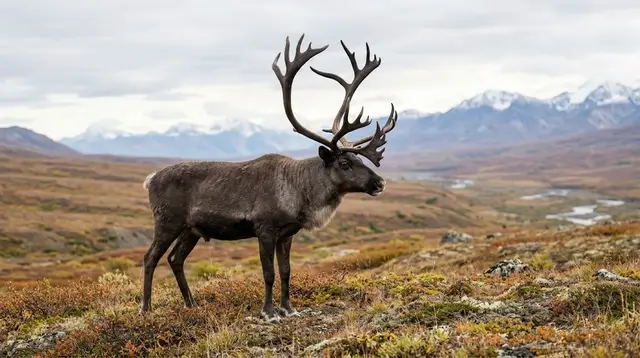
Caribou
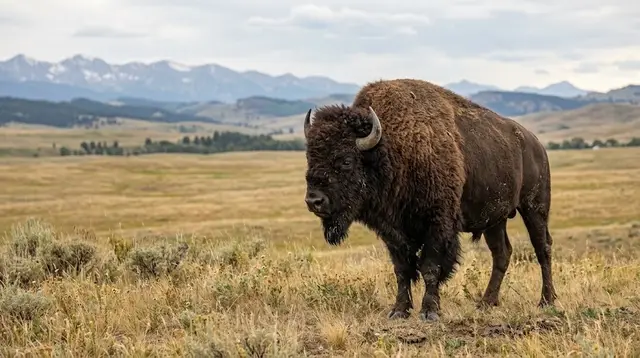
Bison
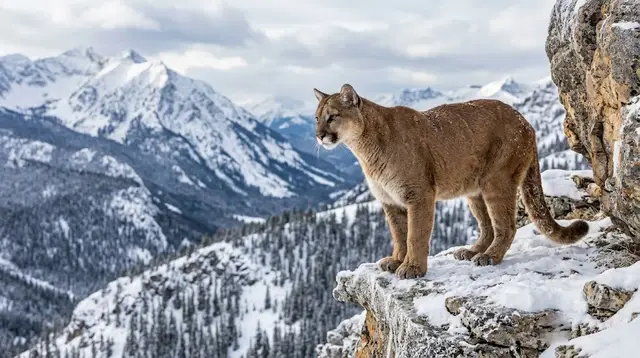
Mountain Lion
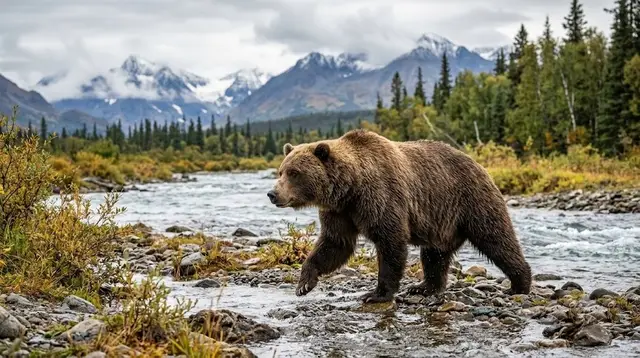
Grizzly Bear
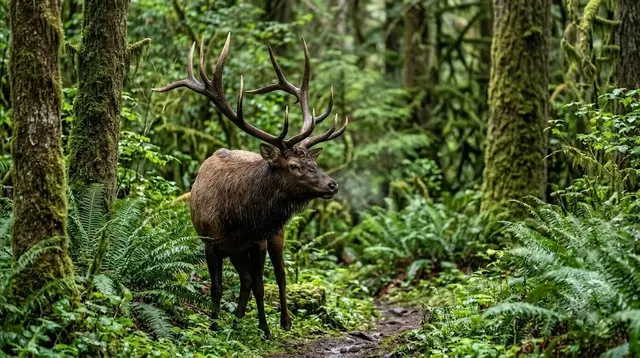
Roosevelt Elk
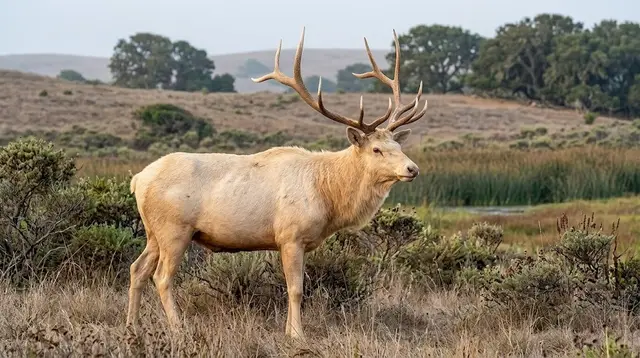
Tule Elk
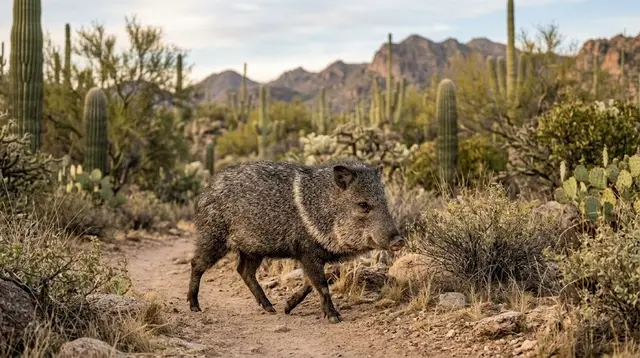
Javelina
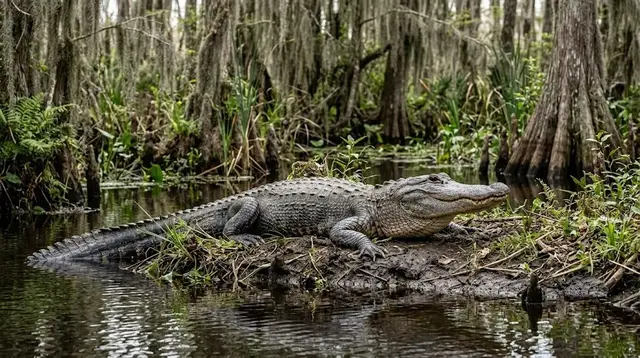
American Alligator
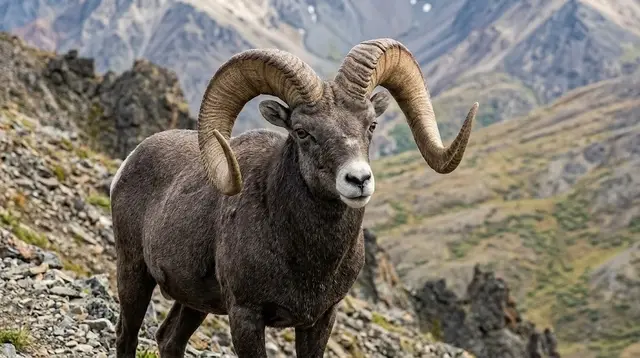
Stone Sheep
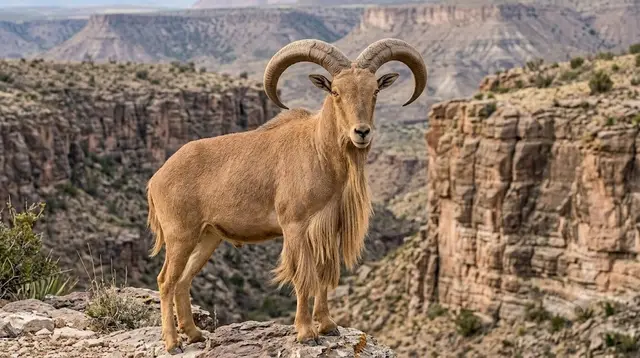
Aoudad
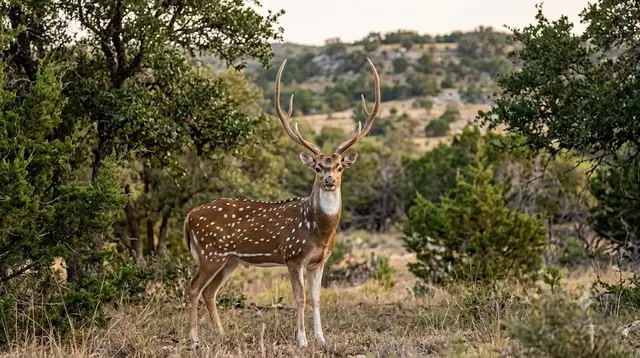
Axis Deer
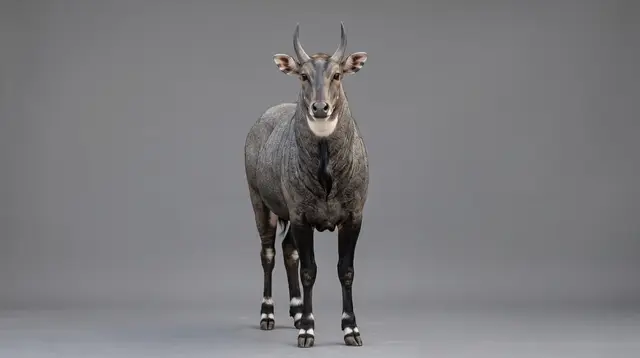
Nilgai
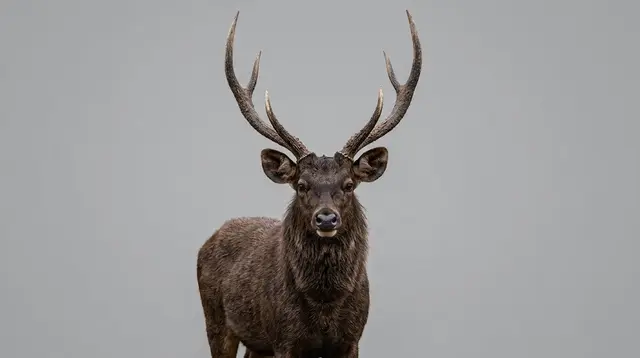
Sambar Deer
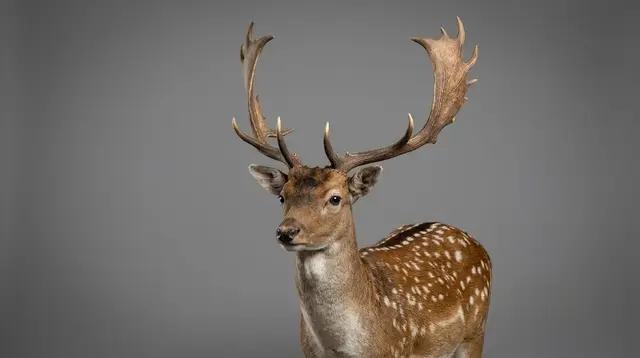
Fallow Deer
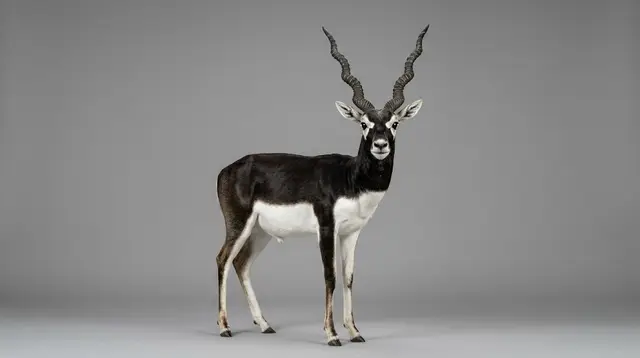
Blackbuck
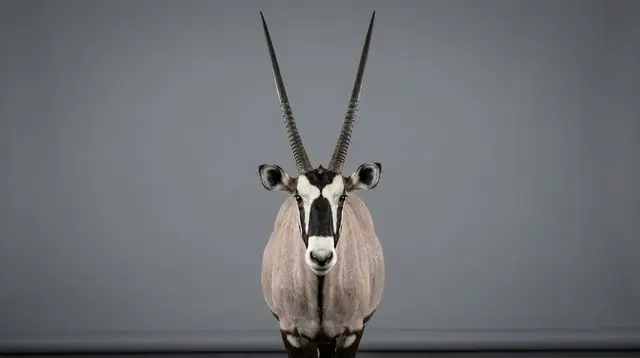
Gemsbok
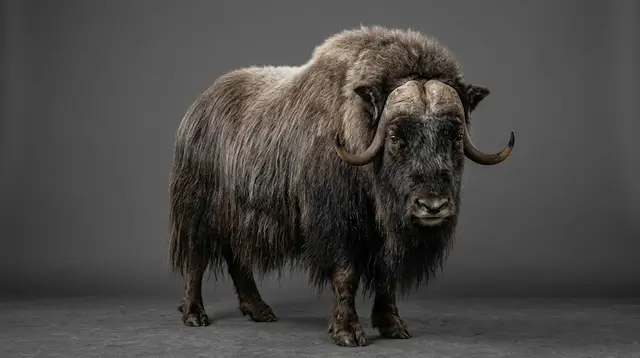
Muskox
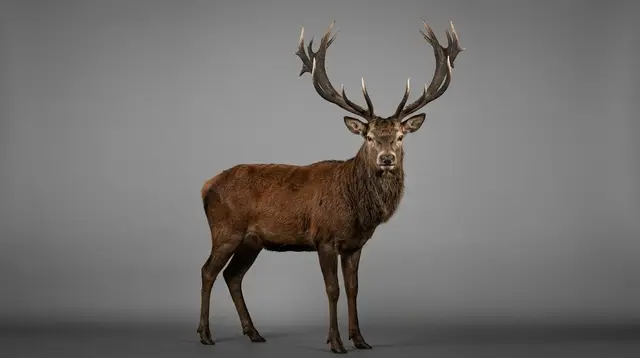
Red Stag
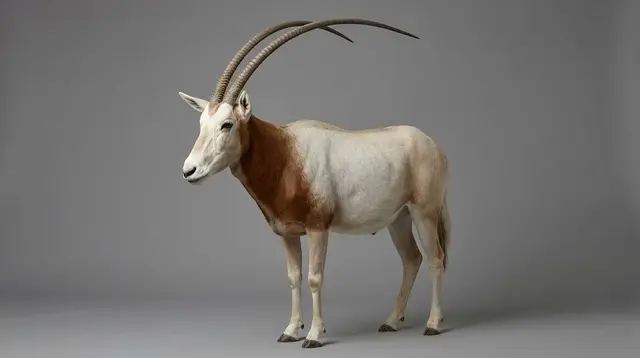
Scimitar-horned Oryx
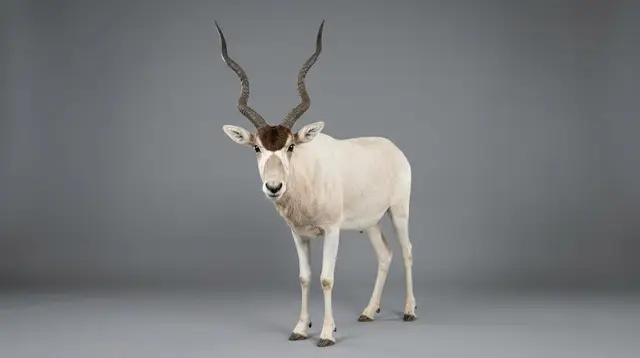
Addax
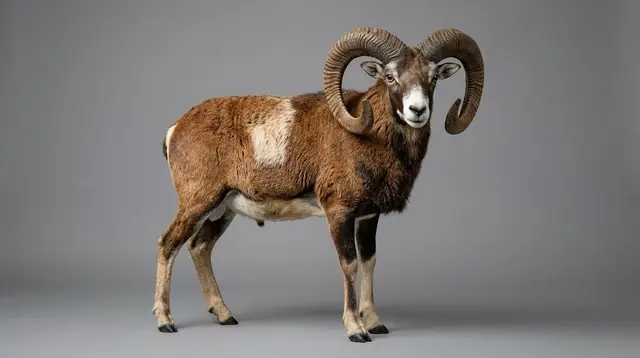
Mouflon
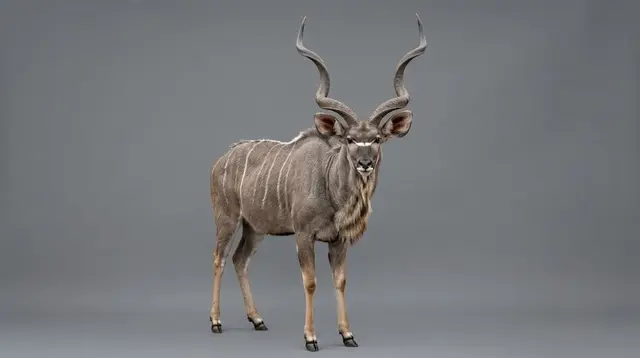
Greater Kudu
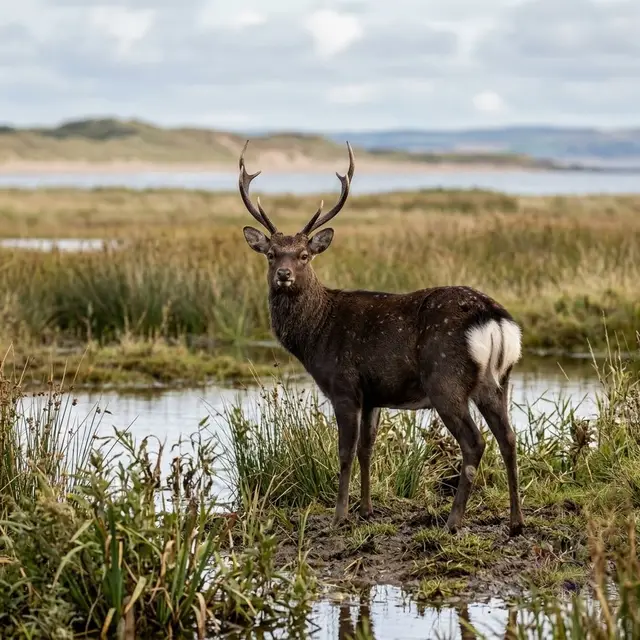
Sika Deer
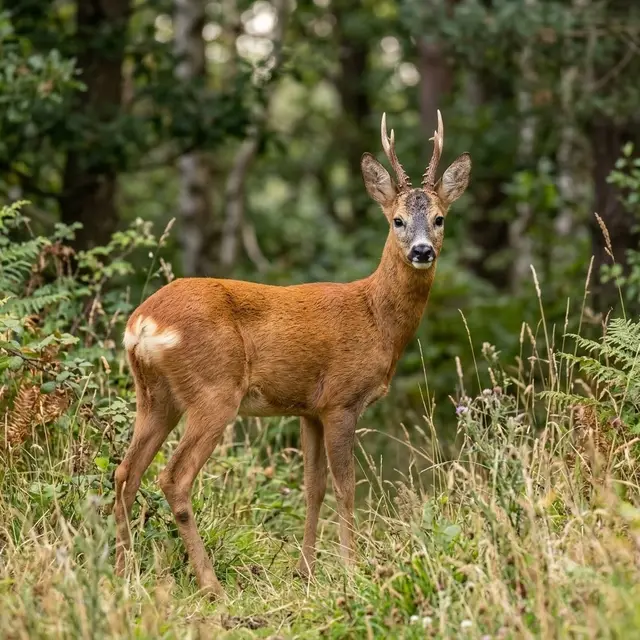
Roe Deer
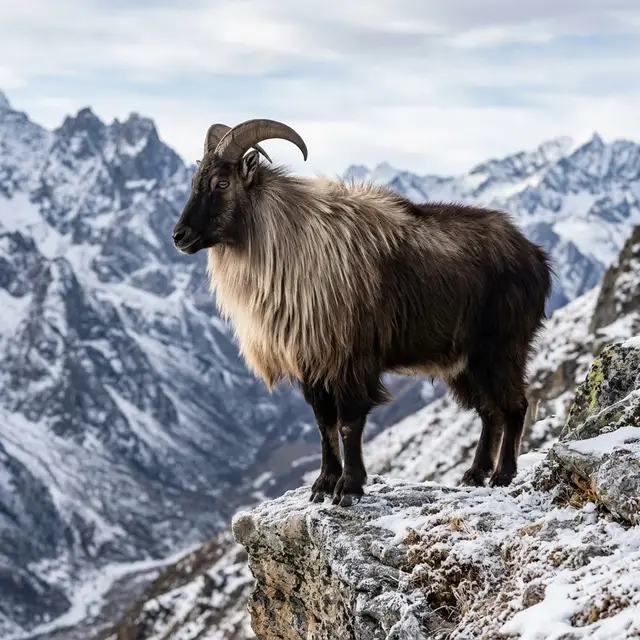
Himalayan Tahr
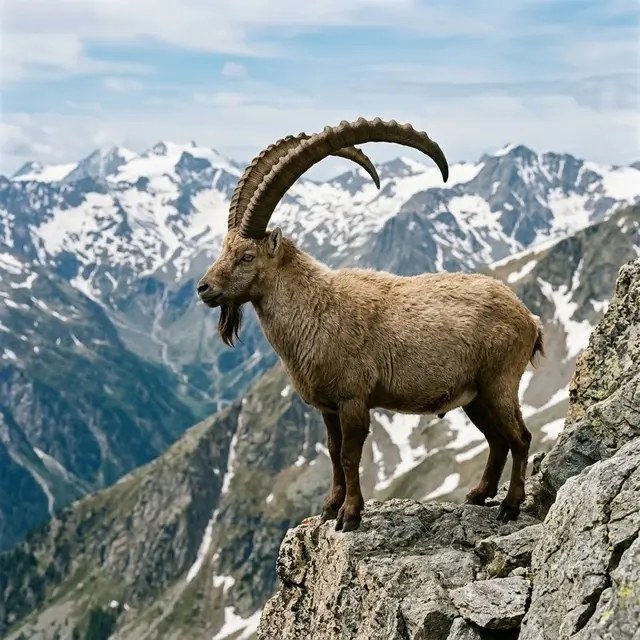
Ibex
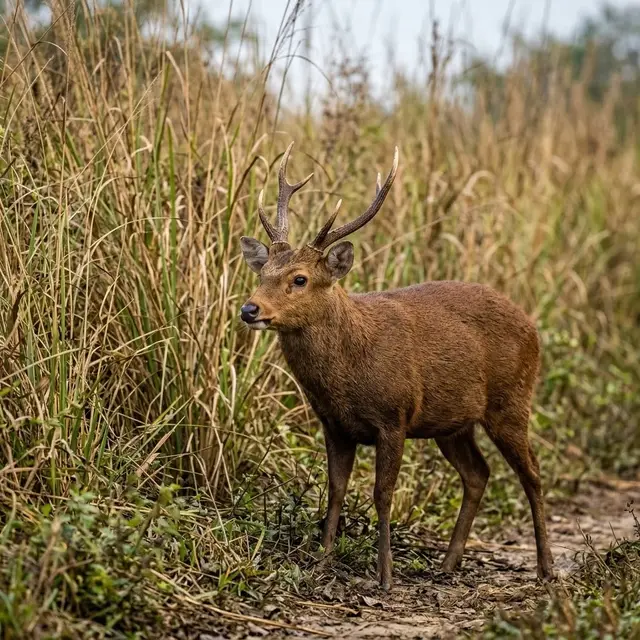
Hog Deer
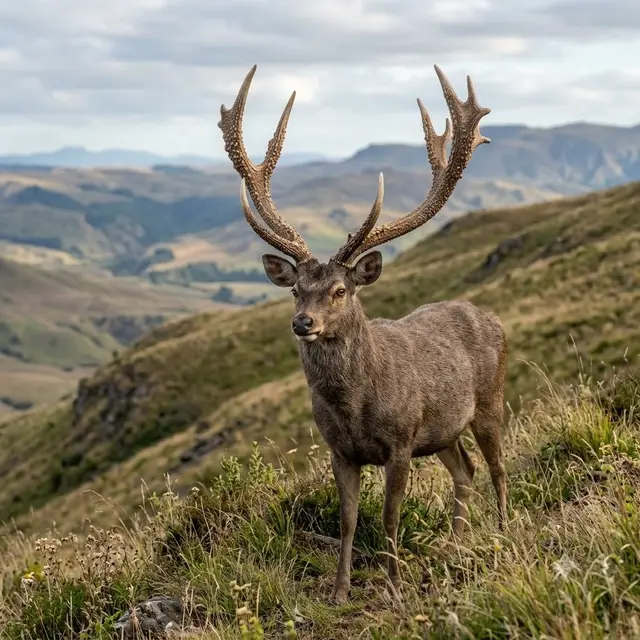
Rusa Deer
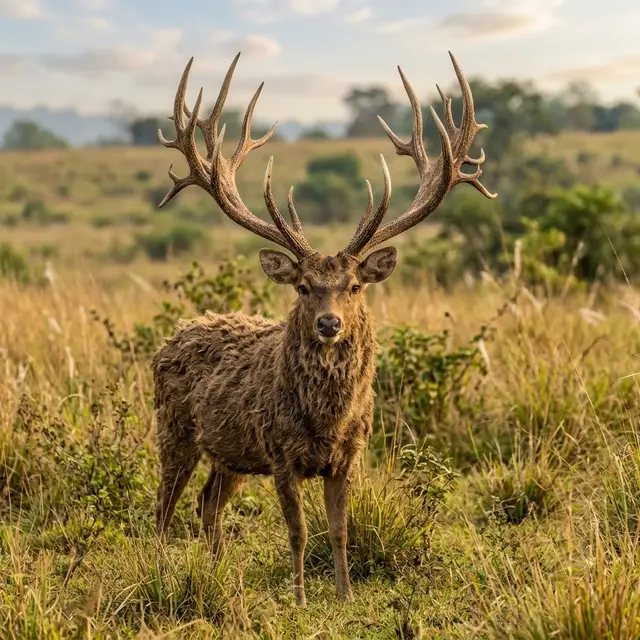
Barasingha
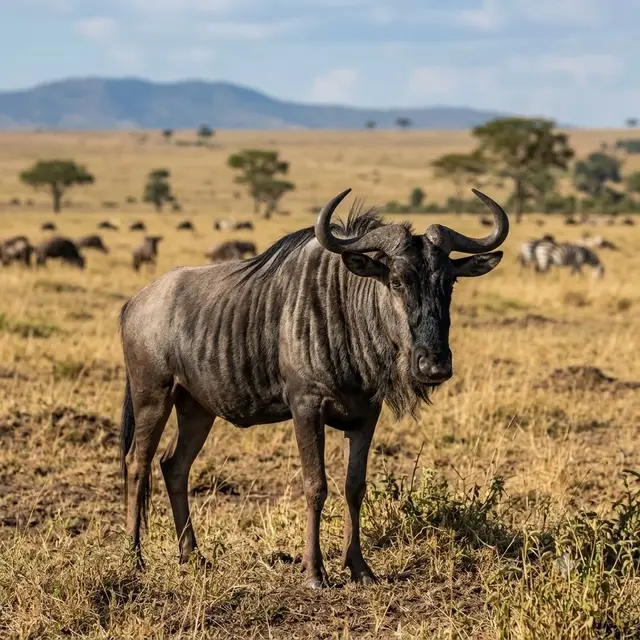
Wildebeest
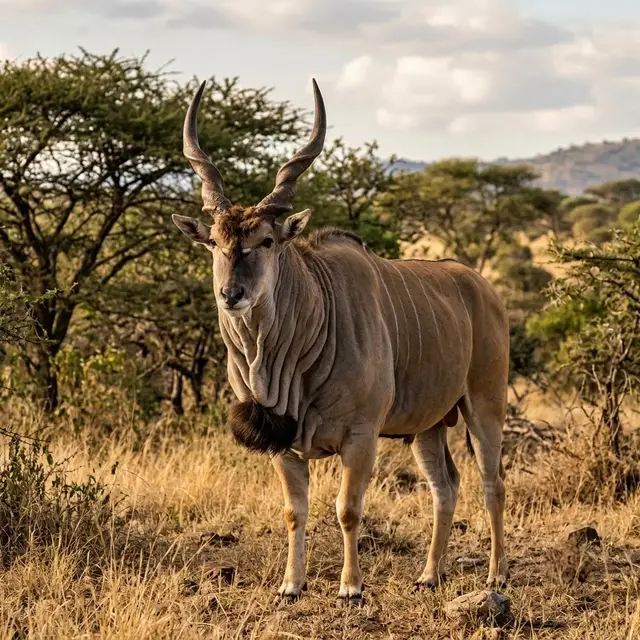
Eland
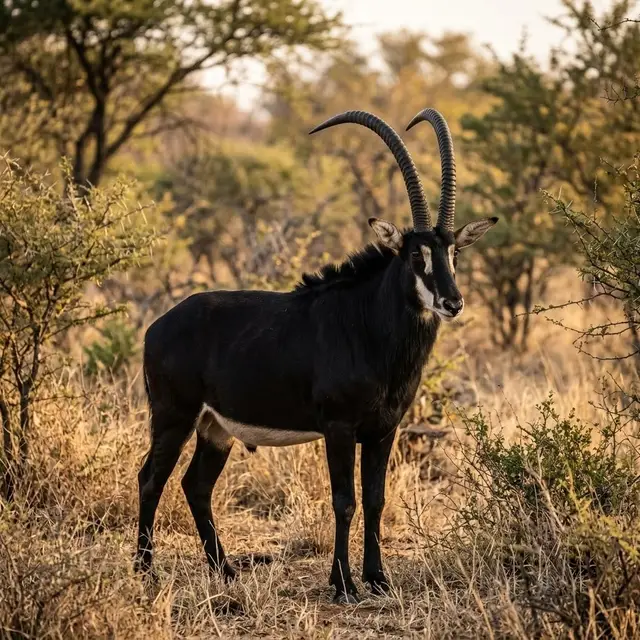
Sable Antelope
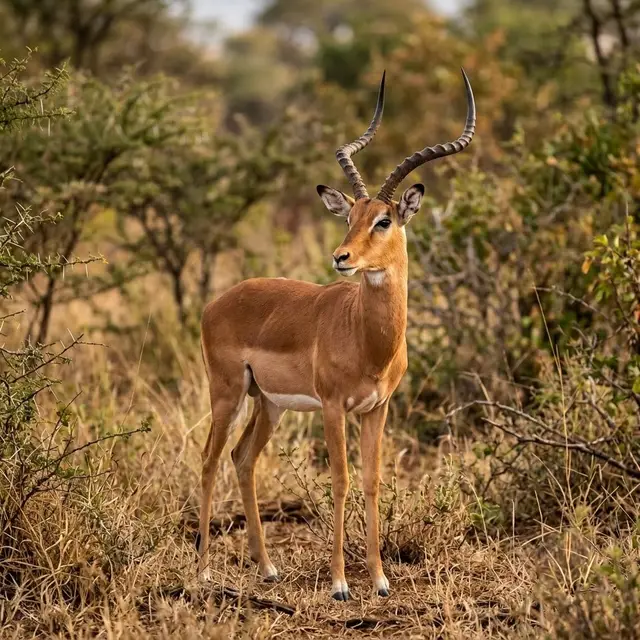
Impala
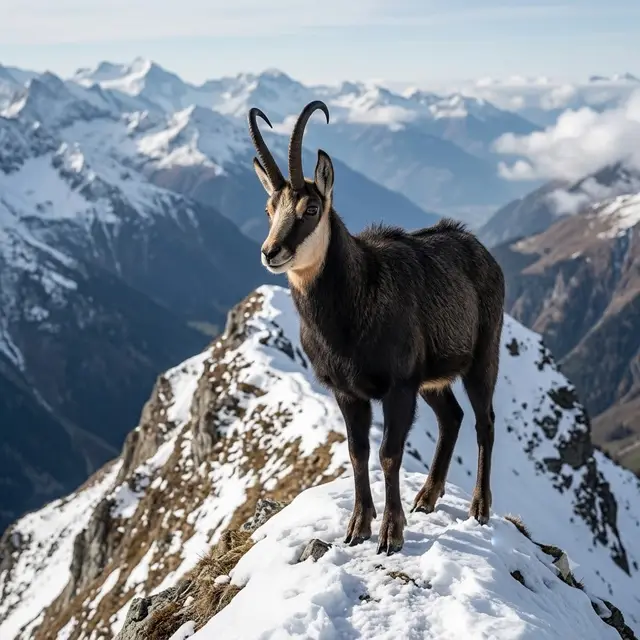
Chamois
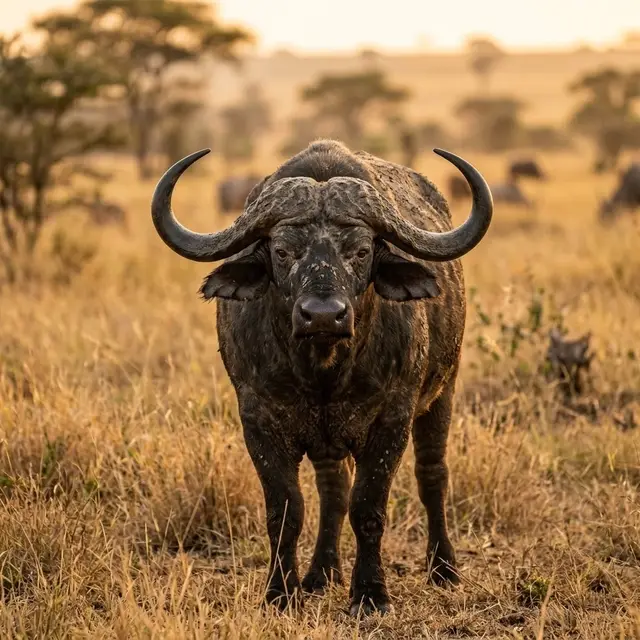
Cape Buffalo
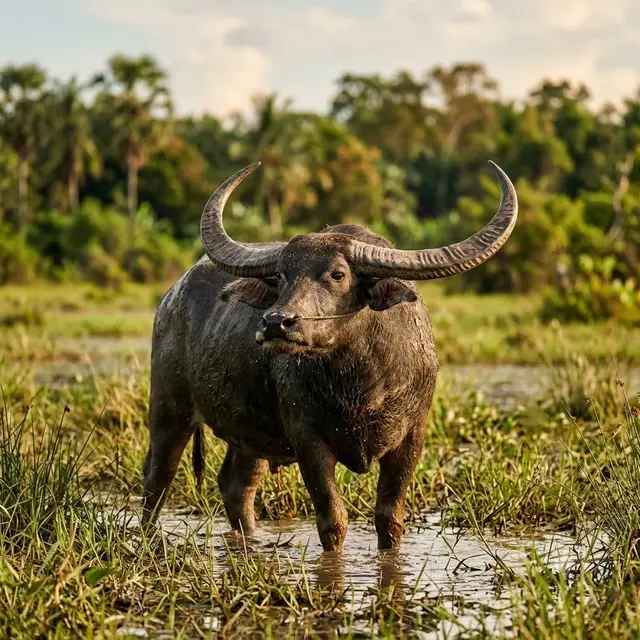
Asian Water Buffalo
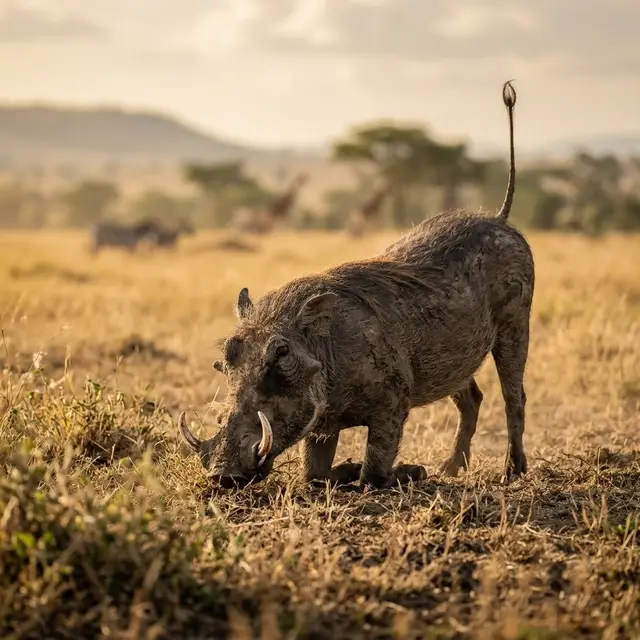
Warthog
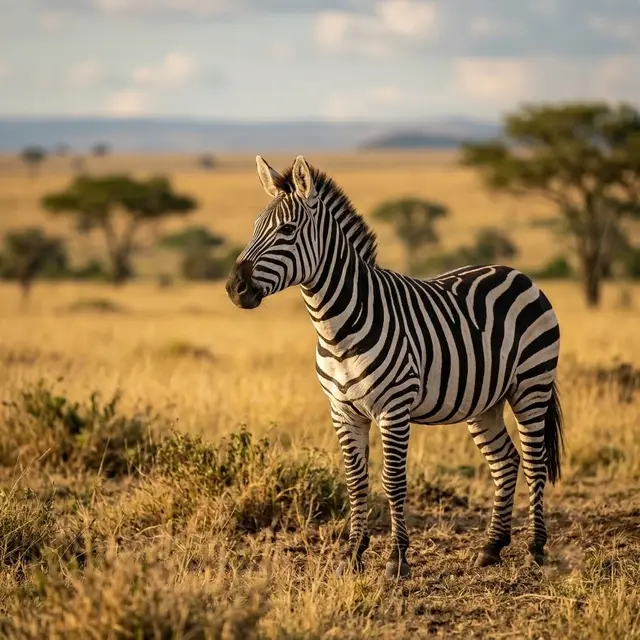
Burchell's Zebra
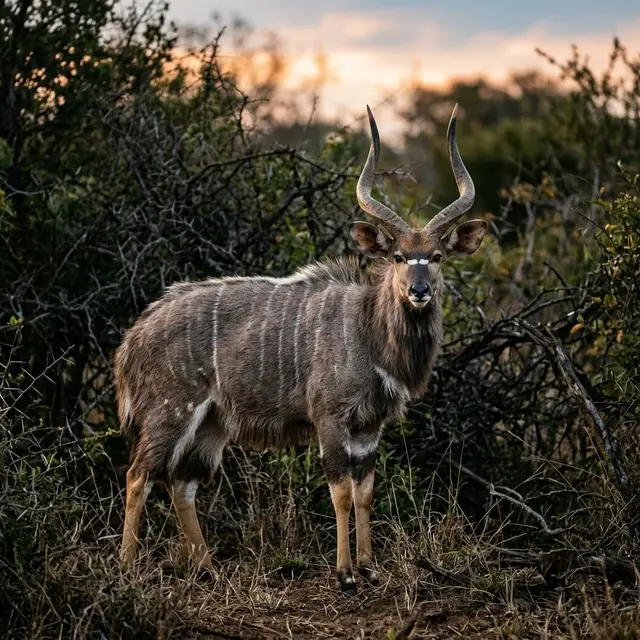
Nyala
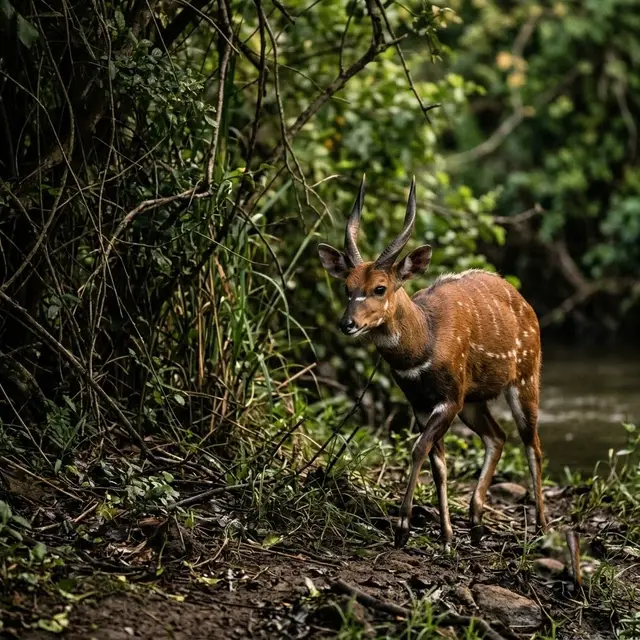
Bushbuck
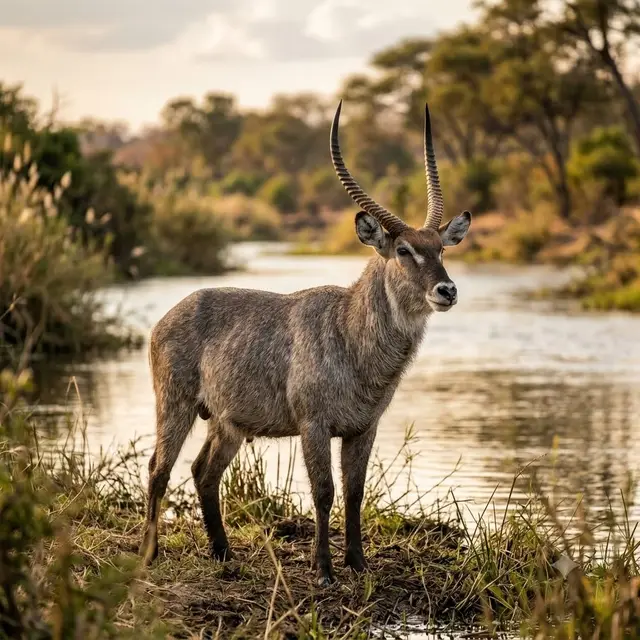
Waterbuck
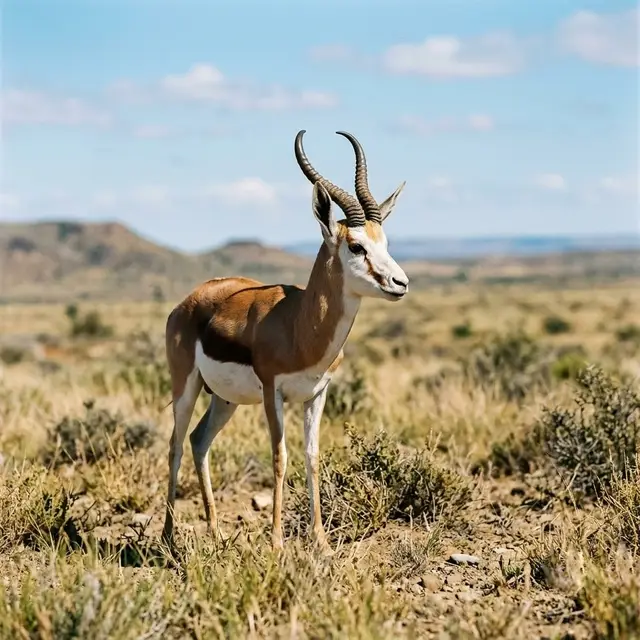
Springbok
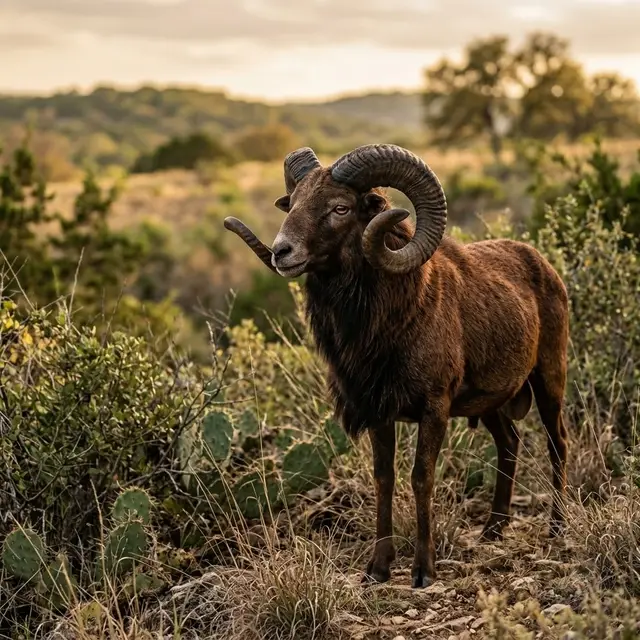
Corsican Ram (Ovis aries (feral hybrid))
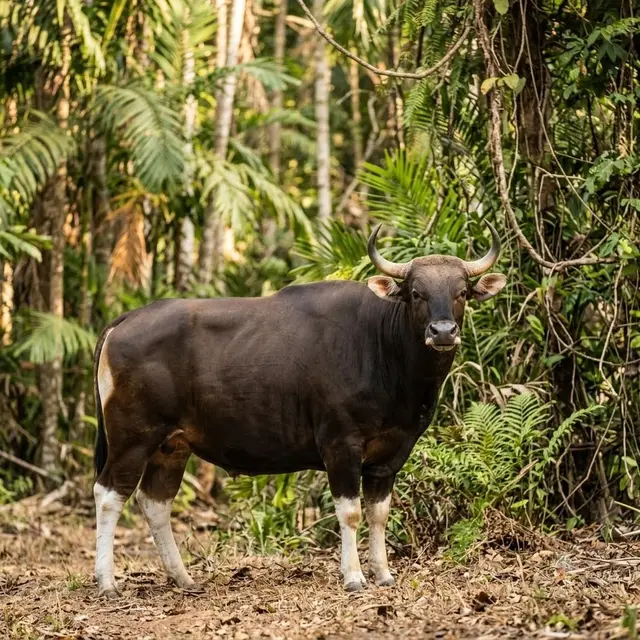
Banteng
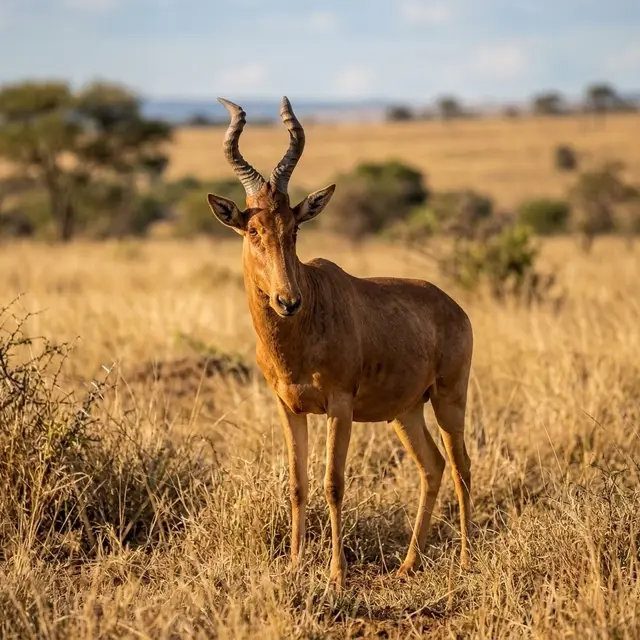
Red Hartebeest
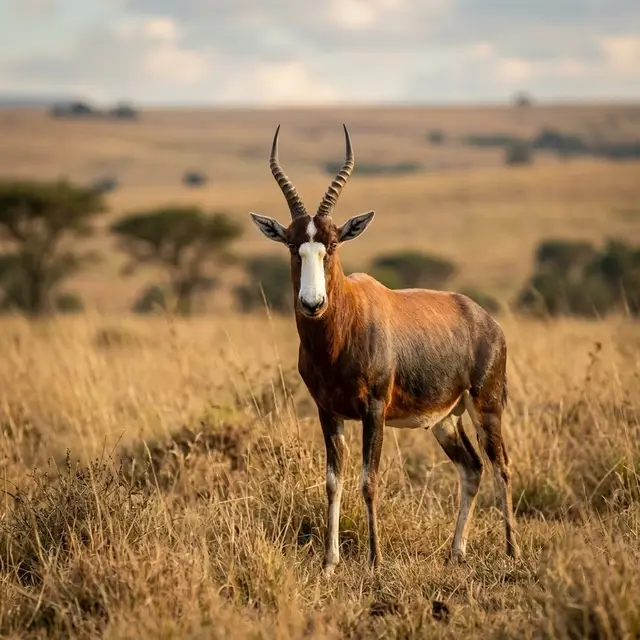
Blesbok
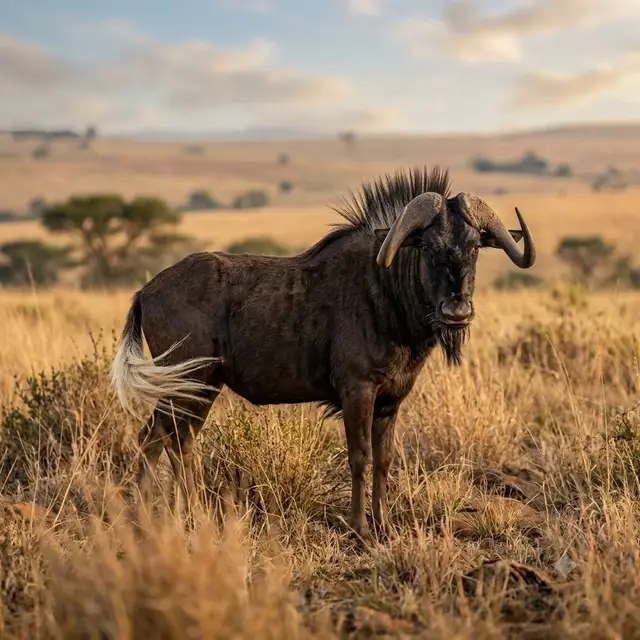
Black Wildebeest
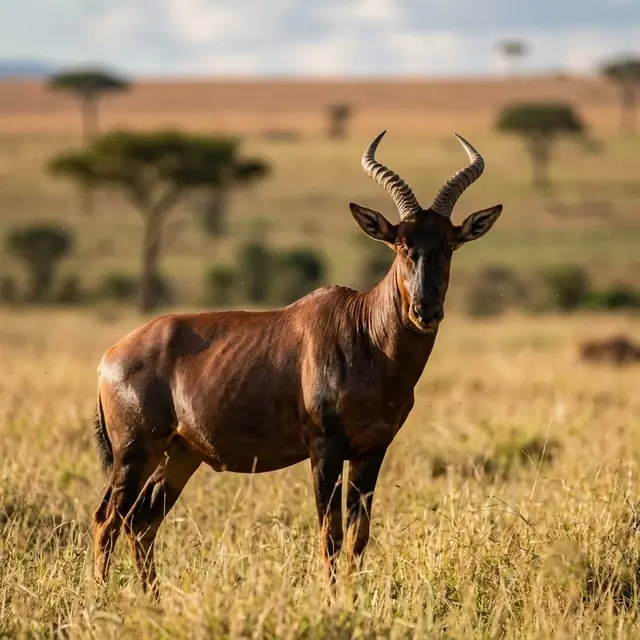
Tsessebe
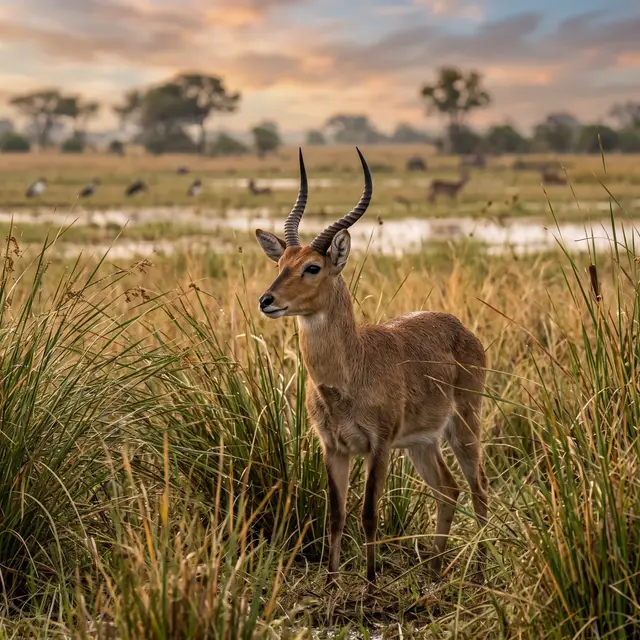
Common Reedbuck
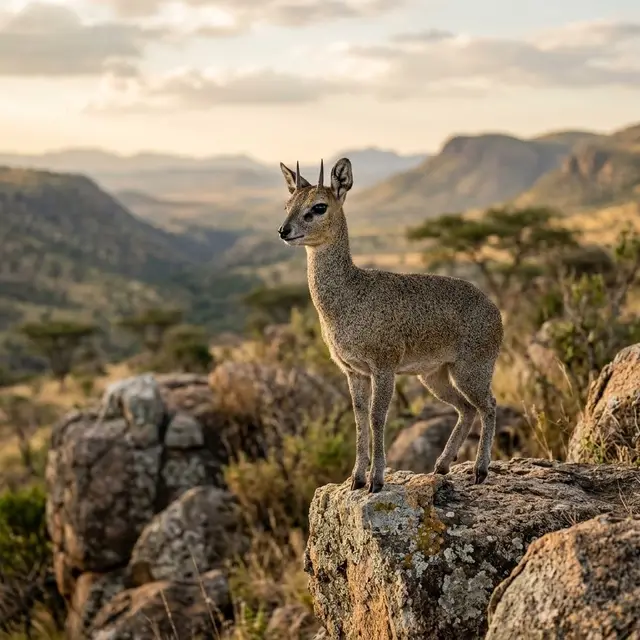
Klipspringer
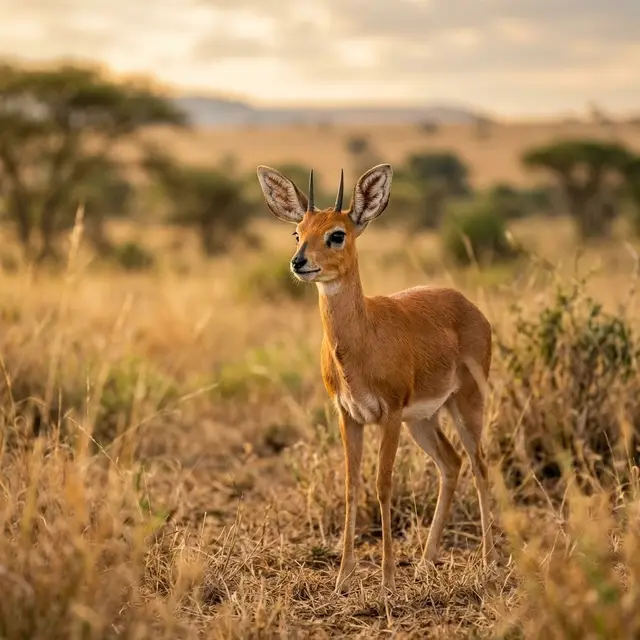
Steenbok
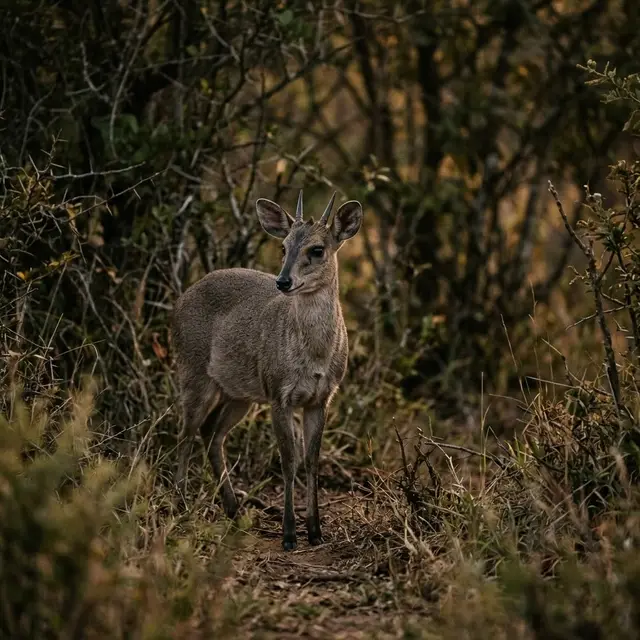
Grey Duiker
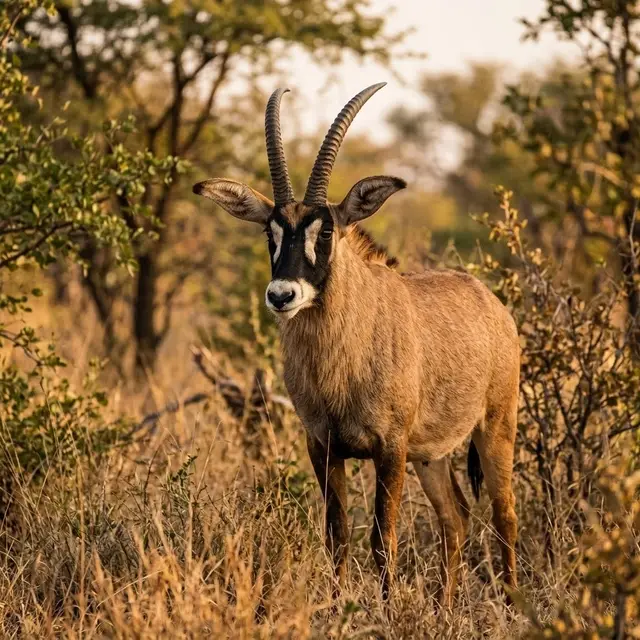
Roan Antelope
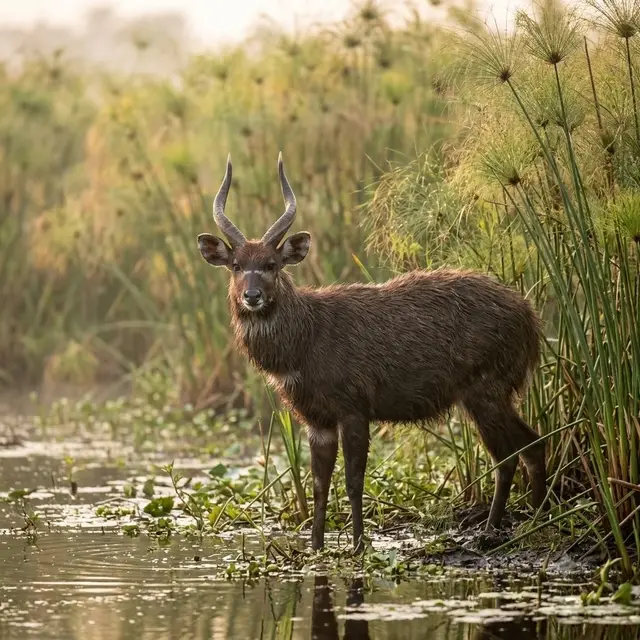
Sitatunga
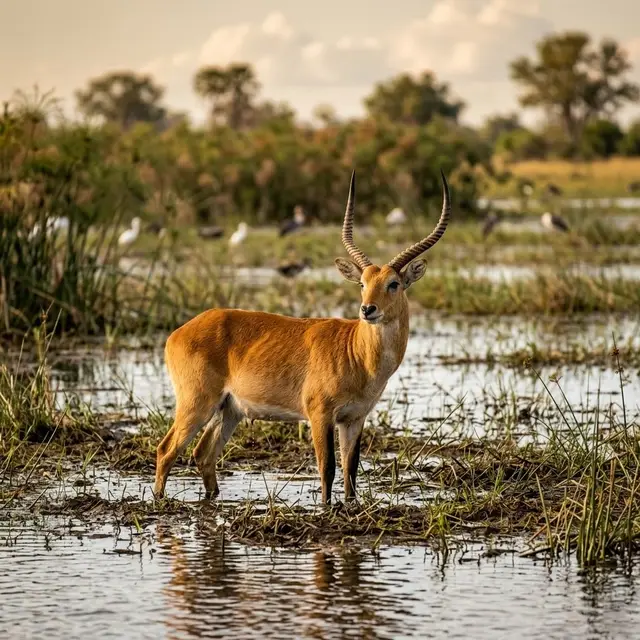
Red Lechwe
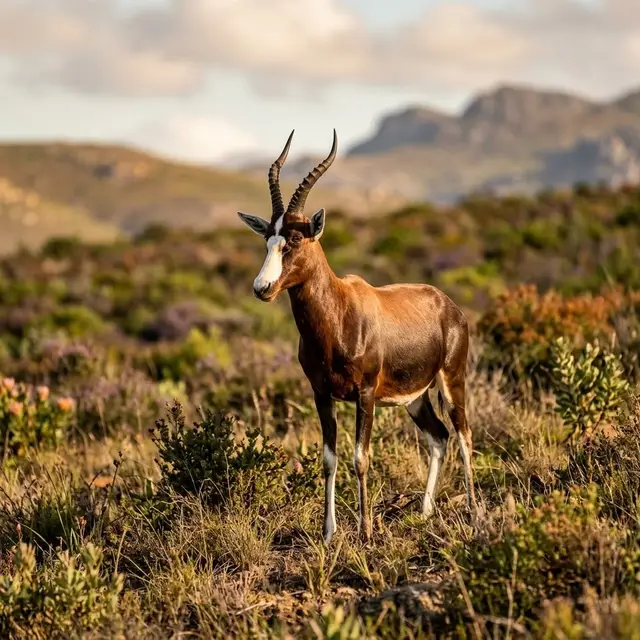
Bontebok
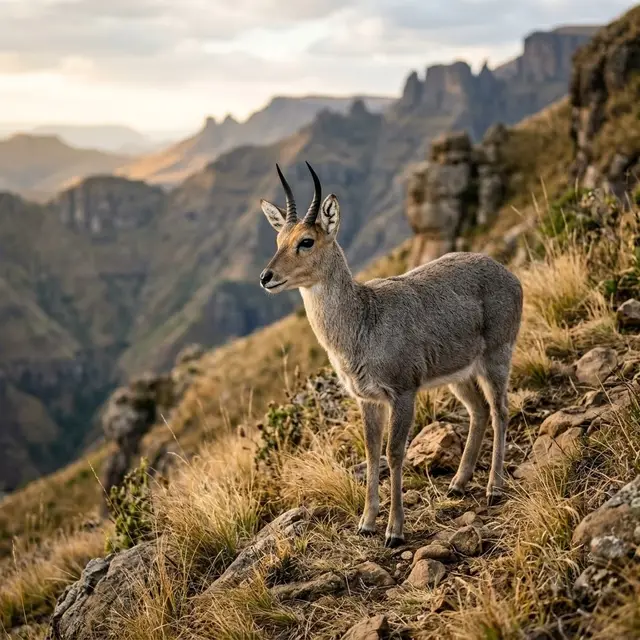
Mountain Reedbuck
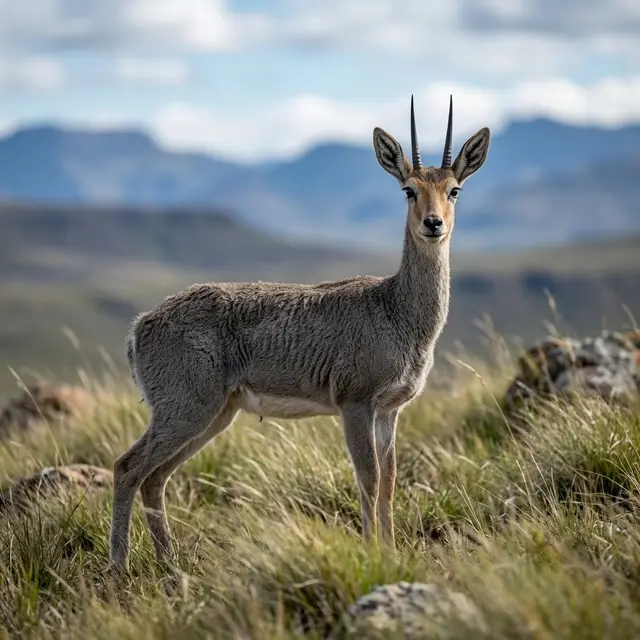
Vaal Rhebok
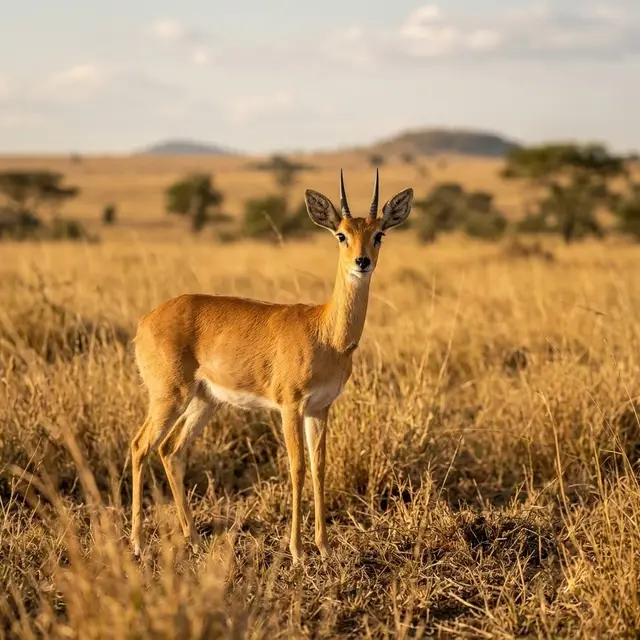
Oribi
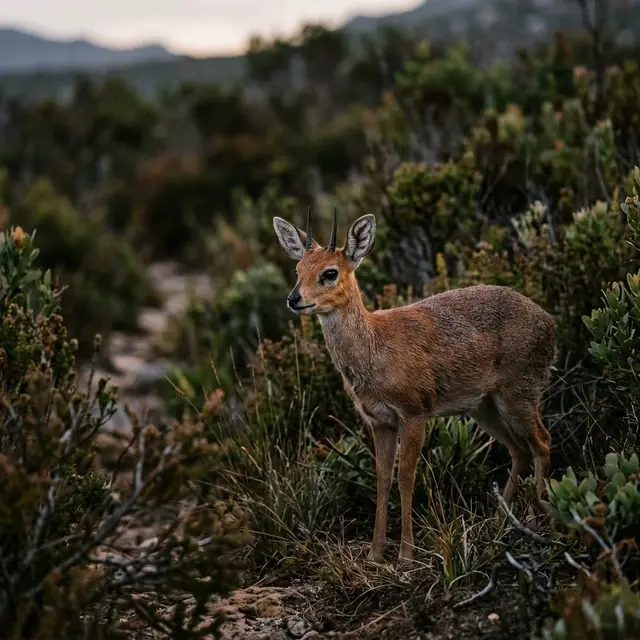
Cape Grysbok
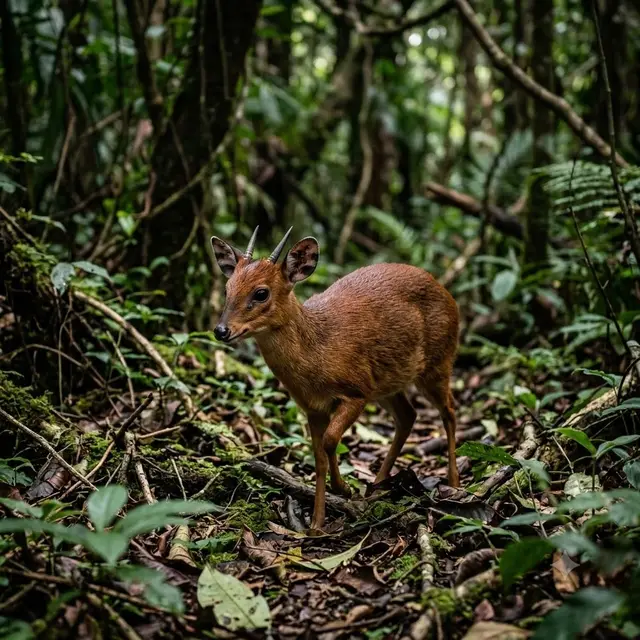
Suni
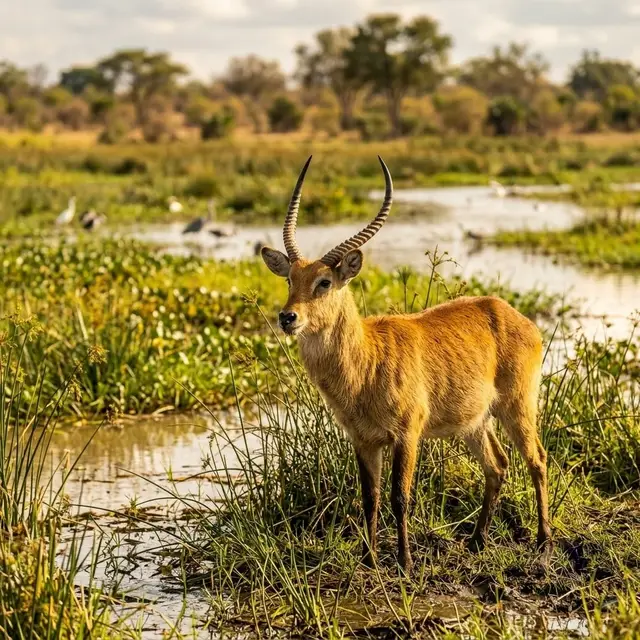
Puku
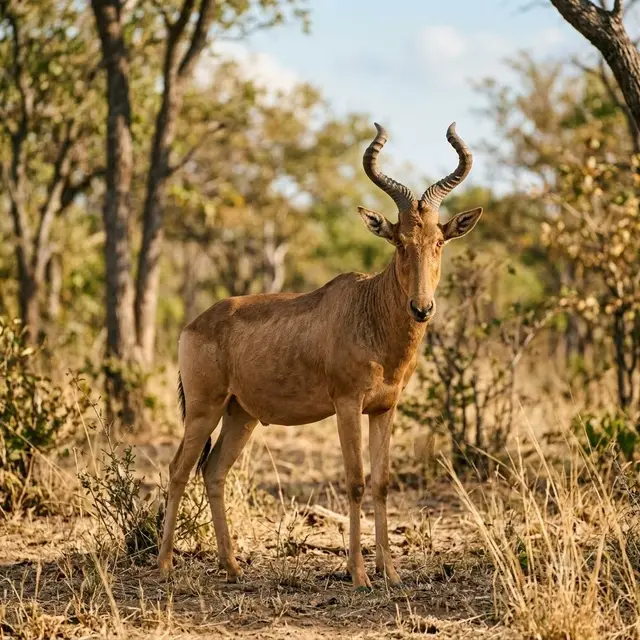
Lichtenstein's Hartebeest
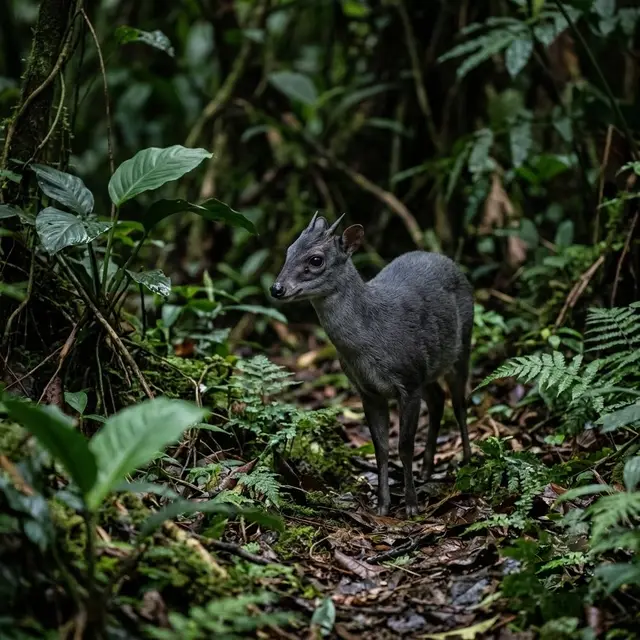
Blue Duiker
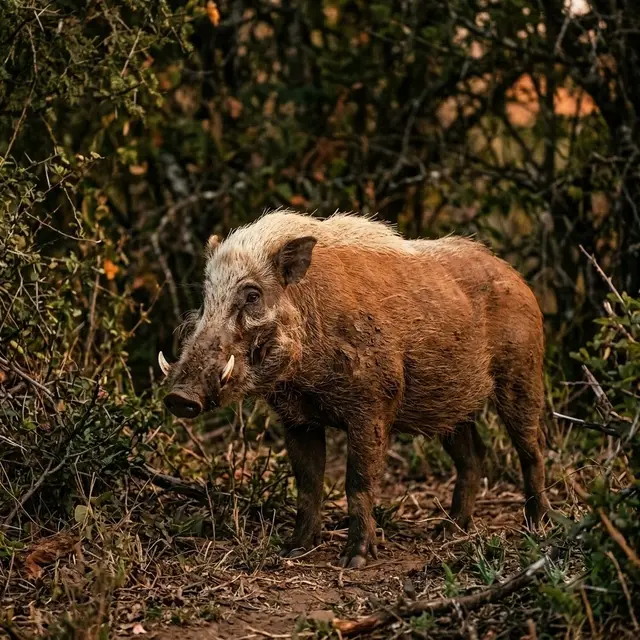
Bushpig
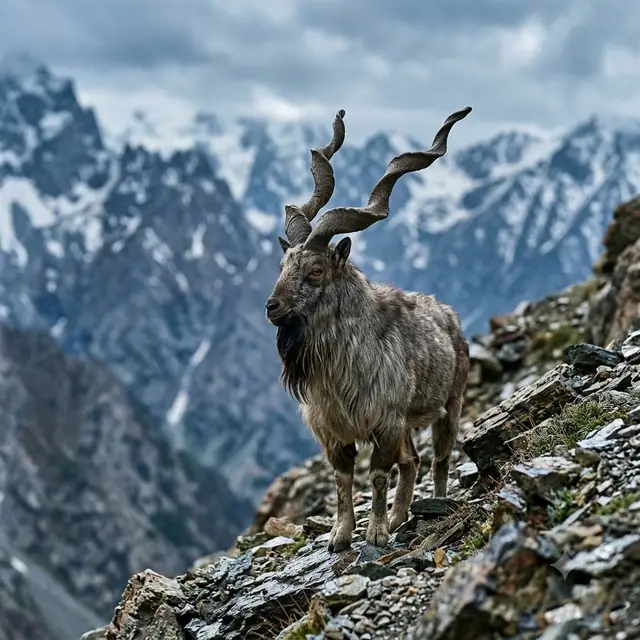
Markhor
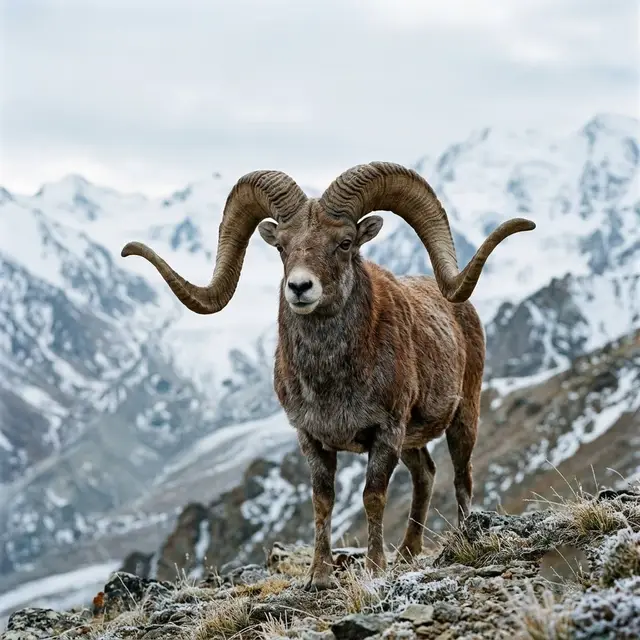
Argali
No big game match that search. Clear search
How to tell them apart
One identification cue for each species, from its profile. Open a profile for the full description - and check your state's regulations, which set separate limits for some look-alike species.
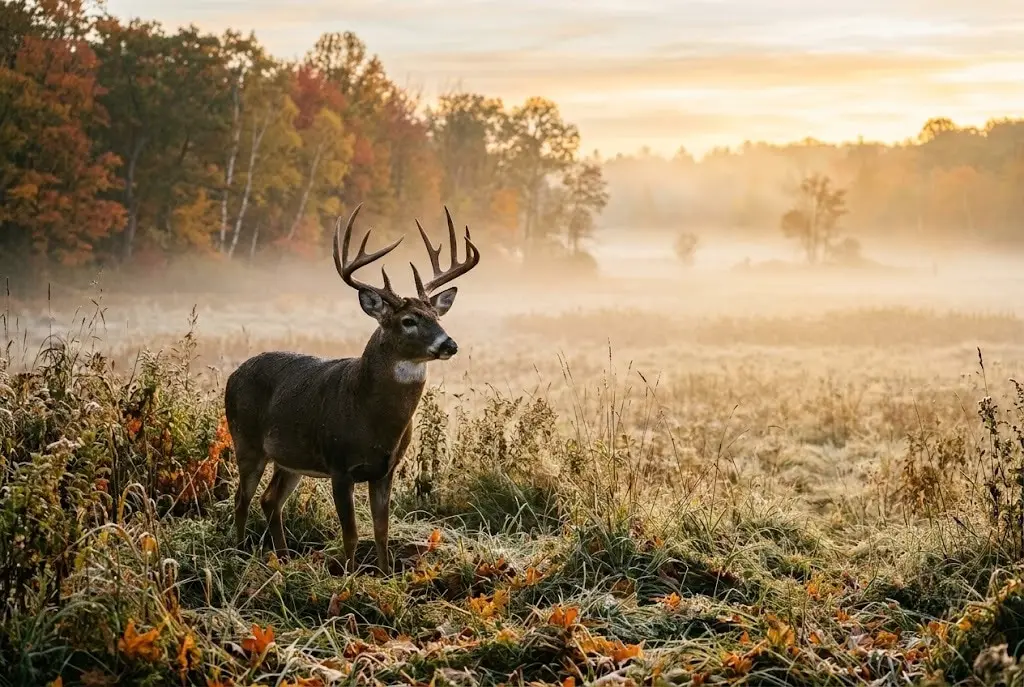
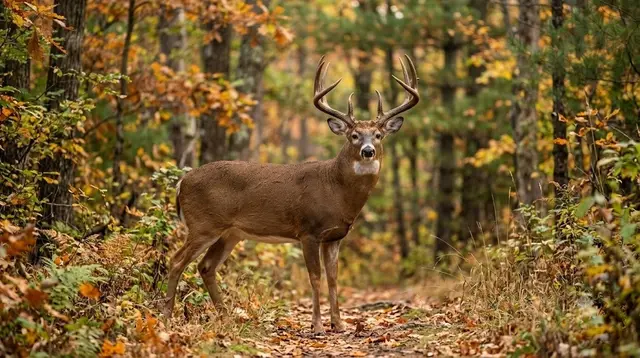
- Whitetail Deer
- The whitetail takes its name from the broad, bright-white underside of its tail, which the deer "flags" upright when alarmed.
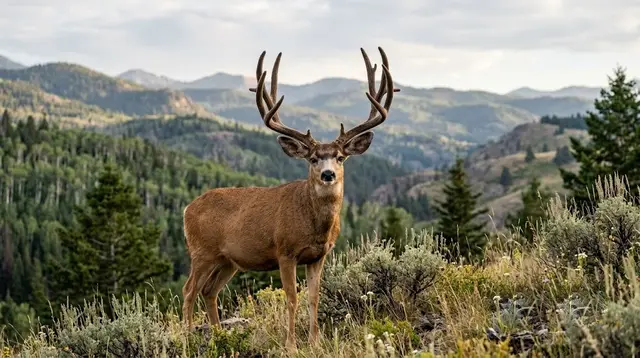
- Mule Deer
- The most reliable identifying feature is the antler structure: muley antlers fork and re-fork (bifurcate) rather than rising as single tines off a main beam like a whitetail's.
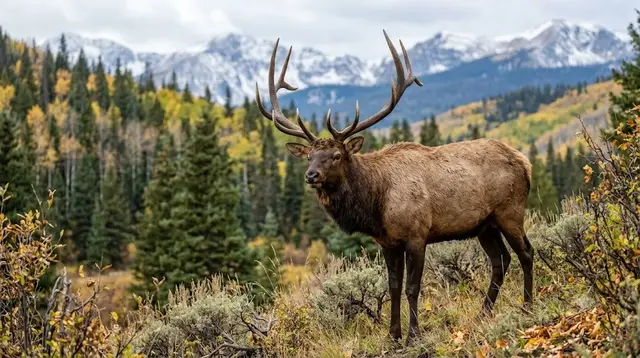
- Elk
- Elk are the second-largest member of the deer family in North America, behind only the moose.
- Black Bear
- Despite the name, black bears come in a wide range of colors: black, of course, but also brown, cinnamon, blond, and, in parts of the West, even a rare bluish or near-white phase.
- Feral Hog
- Feral hogs are descended from escaped domestic pigs and introduced Eurasian wild boar, so appearance varies enormously.
- Pronghorn
- The pronghorn is unmistakable: a tan-and-white body with bold white patches on the sides, belly, and rump, a white throat marked by dark bands, and large, protruding eyes set for panoramic vision.
- Moose
- The moose's sheer size is its most reliable field mark from any distance.
- Coues Deer
- The Coues deer is essentially a small, pale, big-eared whitetail. It carries the classic whitetail traits - a broad tail white underneath and flagged when alarmed, antlers branching as single tines off a forward-curving main beam - but everything is scaled down.
- Columbia Blacktail Deer
- The Columbia blacktail looks like a smaller, darker mule deer - which, biologically, is essentially what it is.
- Sitka Blacktail Deer
- The tail is the signature feature - broad, dark brown to black on top, white underneath, very different from the rope-like black-tipped tail of a mule deer or the broad white flag of a whitetail.
- Rocky Mountain Bighorn Sheep
- A mature Rocky Mountain bighorn ram is an imposing animal - 250 to 300 pounds, occasionally larger, with a muscular, compact body built for climbing.
- Desert Bighorn Sheep
- Desert bighorns are smaller and leaner than their Rocky Mountain cousins, an adaptation to heat and sparse forage.
- Dall Sheep
- Unlike the dark, blunt horns of bighorns, Dall ram horns are amber to yellowish, more slender, and they spiral outward in a graceful flare rather than tucking in tight - many full-curl Dall rams carry horns that flare wide of the face.
- Mountain Goat
- Distinguishing them in the field requires care: billies tend to have heavier horn bases, a more massive body and front end, a different urination posture, and often a solitary habit, while nannies are frequently accompanied by kids.
- Caribou
- Caribou are medium-to-large members of the deer family. A mature bull weighs roughly 350 to 450 pounds, sometimes more depending on the herd; cows run 175 to 250 pounds.
- Bison
- Bison are unmistakable and immense. A mature bull stands about six feet at the shoulder and typically weighs 1,000 to 2,200 pounds; cows are smaller but still formidable at 790 to 1,400 pounds (Wikipedia).
- Mountain Lion
- Toms are distinguished by their larger overall size, broader heads and necks, and proportionally bulkier build.
- Grizzly Bear
- - Smaller, rounder ears set well apart, and shorter ears relative to head size.
- Roosevelt Elk
- Roosevelt elk are stocky and dark. Mature bulls weigh 700-1,100 pounds, considerably heavier than Rocky Mountain bulls, with cows running 575-625 pounds.
- Tule Elk
- Tule elk are noticeably smaller than other elk. Bulls weigh 450-700 pounds and cows 375-420 pounds (Wikipedia) - far lighter than the heavy Roosevelt or Rocky Mountain elk.
- Javelina
- Both sexes carry short, straight canine teeth (the canines point straight up and down, unlike a feral hog's curved tusks).
- American Alligator
- The American alligator is a large crocodilian with a broad, rounded, U-shaped snout - the key feature that distinguishes it from the narrow-snouted American crocodile, which in the U.S. is restricted to a small part of south Florida and is not legal to hunt.
- Stone Sheep
- Stone sheep are thinhorn sheep, built lean and athletic for steep, broken mountains. Rams typically weigh 160-200 pounds, ewes considerably less.
- Aoudad
- The aoudad is a large, powerfully built member of the goat-antelope group - neither a true sheep nor a true goat.
- Axis Deer
- Because axis deer in mild climates can be on different breeding cycles, mature bucks in hard antler and bucks in velvet may be seen in the same area at the same time of year - a notable difference from native deer.
- Nilgai
- The nilgai is built more like a small horse than a deer, standing tall at the shoulder with a sloping back, long legs, and a deep chest.
- Sambar Deer
- The sambar is a big, dark, powerfully built deer with a shaggy coat that ranges from dark brown to nearly black, often with a rusty or grayish cast.
- Fallow Deer
- The signature feature is the antlers of an adult buck: tall beams that flare into broad, palmated "shovels" with points along the trailing edge, unlike the tined racks of native deer.
- Blackbuck
- They carry long, ringed horns that twist in elegant spirals, often with several turns in the oldest animals, set in a distinctive V. Bucks are small compared with deer, typically weighing in the rough range of 50 to 90 pounds.
- Gemsbok
- The gemsbok is a large, robust antelope with a horse-like build and unmistakable markings.
- Muskox
- The muskox is a stocky, powerfully built animal that looks far larger than it stands, thanks to a long, dark, skirt-like guard coat that hangs nearly to the ground over a dense undercoat of qiviut wool.
- Red Stag
- The defining feature is the antlers: unlike the simple forks of native species, a mature stag carries long, sweeping, heavily branched beams with multiple points, and the very best old stags develop a cluster of points at the top called a crown or "royal" formation.
- Scimitar-horned Oryx
- Telling the sexes apart takes a careful eye because both are horned - cows' horns tend to be longer and more slender, while bulls' are heavier and thicker at the base, and bulls are generally more robust through the neck and shoulders.
- Addax
- Telling the sexes apart is tricky because both are horned - cows' horns tend to be more slender, while bulls' are heavier and thicker, and bulls are generally larger and more robustly built.
- Mouflon
- The mouflon is a medium-sized wild sheep with a compact, muscular build and a striking coat.
- Greater Kudu
- Cows are smaller, lighter in color, and have no horns at all, which makes telling the sexes apart straightforward.
- Sika Deer
- Sika are compact and stocky, standing lower than a whitetail, with dark chestnut-to-nearly-black winter coats.
- Roe Deer
- Roe are among the smallest of the true deer, standing only about two feet at the shoulder and weighing roughly 35 to 65 pounds.
- Himalayan Tahr
- The tahr is stocky and immensely strong, built for near-vertical rock. Its most striking feature is the bull's dense, flowing mane - a cape of long, coarse hair over the neck, shoulders, and chest that lengthens and pales toward a rich blond or golden ruff in prime winter condition, contrasting with a dark body.
- Ibex
- The ibex is a robust, powerfully built wild goat superbly adapted to precipitous rock. The signature feature is the billy's horns: long, curved, backward-sweeping scimitars, heavily ridged or knobbed along the front, that grow more massive with age and can reach impressive length on an old animal.
- Hog Deer
- The hog deer is compact and heavily built, standing only about 24 to 30 inches at the shoulder with a body that seems long for its short legs.
- Rusa Deer
- The rusa is a medium-sized deer, taller and rangier than an axis deer, standing roughly 40 to 45 inches at the shoulder.
- Barasingha
- The barasingha is a large, graceful deer standing roughly 44 to 46 inches at the shoulder, with a rangy, long-legged build suited to soft wetland ground.
- Wildebeest
- The wildebeest is a large antelope with a stocky, front-heavy build - a deep chest and shoulders tapering to slimmer hindquarters, topped by a horse-like mane and a beard.
- Eland
- An adult eland bull is unmistakable - a fawn-to-slate-gray colored animal standing up to six feet at the shoulder and usually weighing 1,100 to 1,300 pounds, with the biggest bulls past 2,000, with a heavy dewlap swinging beneath the throat and a distinctive tuft of dark hair on the forehead.
- Sable Antelope
- The adult sable bull is dramatic: a glossy black coat set off by a white belly, white facial blazes, and a stiff, dark upright mane along the neck.
- Impala
- The impala is a medium-sized antelope of clean, striking lines. The coat is a glossy reddish-brown along the back that fades to tan on the flanks and white on the belly, throat, and chin.
- Chamois
- The chamois is a compact, sure-footed mountain animal weighing 55 to 130 pounds, with rams heavier than ewes.
- Cape Buffalo
- Bulls are near-black, thick through the neck and shoulders, and topped with a fused horn boss that hardens with age.
- Asian Water Buffalo
- Water buffalo are slate-gray to black, heavy-bodied, with a low-slung head and long crescent horns that sweep back and up.
- Warthog
- Warthogs are gray, sparsely haired pigs with a long mane, facial "warts," and upward-curving tusks.
- Burchell's Zebra
- Zebra are horse-sized with bold black-and-white stripes, a stiff upright mane and, in Burchell's, faint brown "shadow" stripes between the black.
- Nyala
- Bulls are charcoal-gray with a long fringe of hair along the belly, a crest down the spine, white facial and body markings, and yellow-tipped spiral horns.
- Bushbuck
- Bushbuck have a light brown to chestnut coat with white stripes and spots that vary by region - up to seven stripes on the sides - and white patches on the ears, chin, tail, legs and neck.
- Waterbuck
- Waterbuck are gray-brown and coarse-coated with a white throat patch, a white ring around the rump, and heavily ridged, forward-sweeping horns on bulls only.
- Springbok
- Springbok are small gazelles, cinnamon above and white below with a bold dark side-stripe, and a fold of white hair on the back they "pronk" open when alarmed.
- Corsican Ram (Ovis aries (feral hybrid))
- Corsicans vary widely in color from brown to black-and-white pied, with a mane on the chest and neck of mature rams and heavy horns that curl back and out.
- Banteng
- Bulls are dark chestnut to black with white stockings, a white rump patch, and short forward-curving horns; cows and young are tan.
- Red Hartebeest
- Hartebeest are rich reddish-tan with a long narrow face, high shoulders sloping to a lower rump, and thick, sharply angled horns rising from a bony pedestal in both sexes.
- Blesbok
- Blesbok are purplish-brown with a white face blaze, white belly and rump, and ringed lyre-shaped horns carried by both sexes.
- Black Wildebeest
- They are smaller than the blue wildebeest and told apart by the tail and horn shape.
- Tsessebe
- Tsessebe are chestnut brown with a black face and tail tuft, greyish or bluish-black forelegs and thighs, brownish-yellow lower hind legs and a white belly.
- Common Reedbuck
- Reedbuck are light to greyish brown with white underparts, a white underside to the short bushy tail, whitish rings around the eyes and dark lines down the front of the forelegs and lower hind legs.
- Klipspringer
- Unlike most antelopes they have a thick, coarse coat of hollow, brittle hairs.
- Steenbok
- Steenbok look like a small oribi: fawn to rufous, usually rather orange, with a white underside, chin and throat and a white ring around the eye.
- Grey Duiker
- Grey duikers are grizzled grayish-brown with a dark facial blaze, a tuft of hair between the ears, and short straight spike horns on the rams.
- Roan Antelope
- Roan are large and horse-like, reddish-brown to gray with a black-and-white face mask, long tasseled ears, an upright mane, and backward-curving ridged horns in both sexes.
- Sitatunga
- Sitatunga are shaggy and grayish-brown to chocolate, with faint body stripes, a white throat, and greatly elongated, splayed hooves for walking on soft ground; bulls carry gently spiraled horns.
- Red Lechwe
- Lechwe are golden brown with white bellies; rams are darker, with blackish markings down the front legs, and carry long, spiral, loosely lyre-shaped horns that ewes lack.
- Bontebok
- Bontebok are deep glossy purplish-brown with a broad white face blaze, white belly, rump and lower legs, and ringed lyre-shaped horns in both sexes.
- Mountain Reedbuck
- Mountain reedbuck have a grey coat with a white underbelly and a reddish-brown head and shoulders, and a bushy tail.
- Vaal Rhebok
- Vaal rhebok have a soft, woolly grayish-brown coat, a long neck, large ears, and straight, upright, spike-like horns on rams only.
- Oribi
- Oribi have a slightly raised back, a long neck and long legs. The glossy coat is yellowish to rufous brown and contrasts with the white chin, throat, underparts and rump; the short bushy tail is dark on the outside.
- Cape Grysbok
- Cape grysbok are stocky and reddish-brown flecked with white hairs, giving a grizzled look, with large ears and short sharp spike horns on rams.
- Suni
- Suni are reddish brown, darker on the back than on the sides and legs, with a white belly, chin and throat, black rings around the eyes and above the hooves, and prominent red nostrils.
- Puku
- Puku are uniform sandy to golden brown, a little lighter on the belly, with a rougher coat than a lechwe, reedbuck or impala of similar size.
- Lichtenstein's Hartebeest
- Compared with the red hartebeest the horns are shorter and more sharply hooked, and a dark saddle often shows on the back.
- Blue Duiker
- Blue duikers are tiny, with a flat forehead, large eyes and small ears; the coat varies by region from blue-grey to brown.
- Bushpig
- Bushpigs are heavily built and reddish-brown to blackish with a pale mane and facial markings, a blunt snout, and sharp tusks on boars.
- Markhor
- Markhor are large, powerful mountain goats with long shaggy coats, a flowing beard on bucks, and spectacular spiraling, corkscrew horns that can exceed a meter.
- Argali
- Argali are huge, long-legged mountain sheep, grayish-brown with a white rump and neck ruff, and massive, wide-sweeping curled horns on rams - the Marco Polo form famous for extreme horn length.
Field gear for big game
Binoculars 10x42 Glass beats boot leather - browse the optics specialists at OpticsPlanet. Check price Laser rangefinder Knowing the exact distance is half of an ethical shot. Check price Game bags Clean quarters cool faster and pack out easier. Check price Hunting day pack Water, layers and the first load out - one bag. Check price
Trail cameras Know what walks past before you do - Rexing's trail camera range, straight from the maker. Shop at Rexing Links go to Amazon or a partner store (such as OpticsPlanet) and may earn us a commission at no extra cost to you. As an Amazon Associate we earn from qualifying purchases. We link gear types, not sponsors' picks: you choose the exact product.