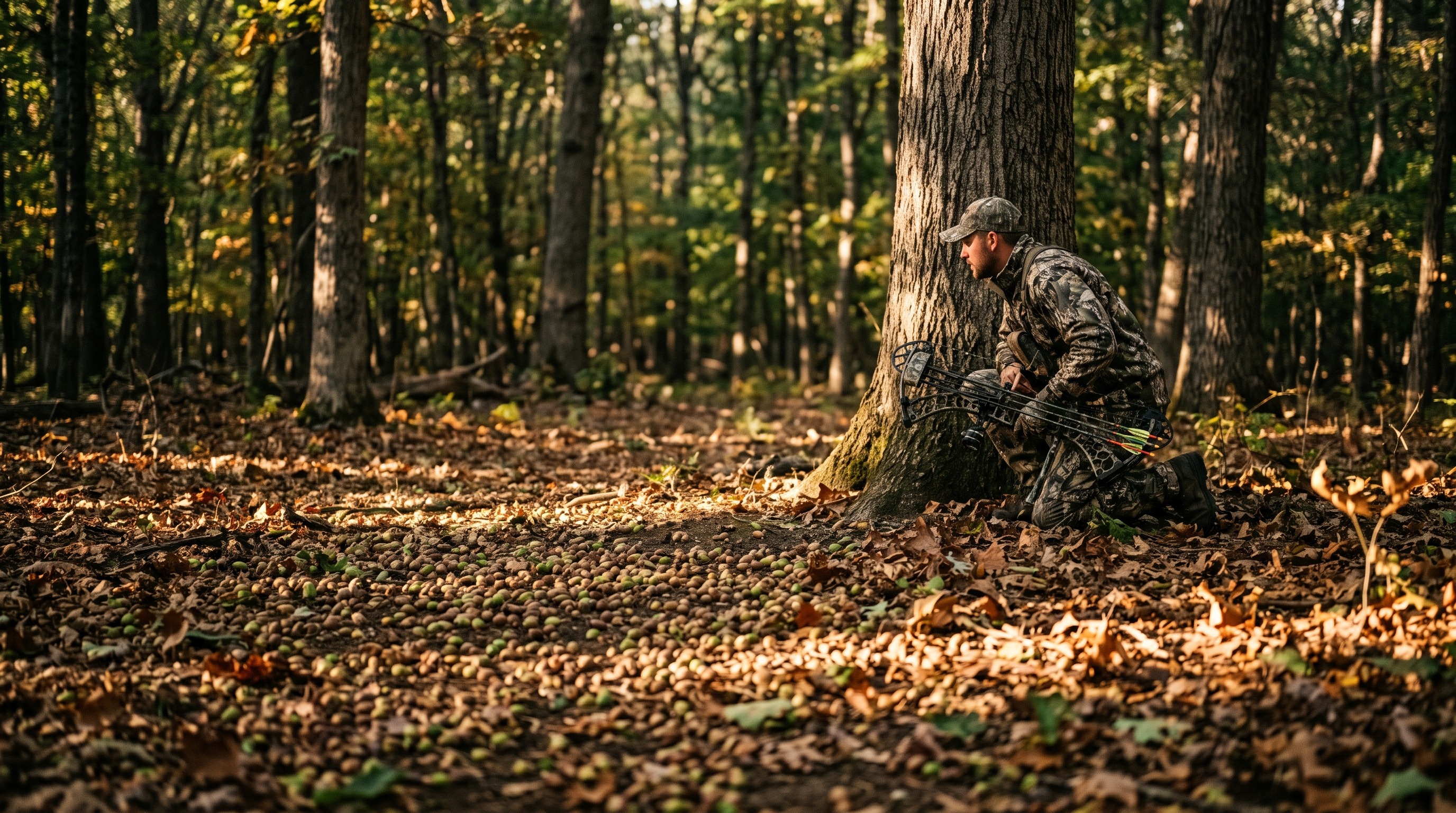
Hunting for Beginners
Hunting is one of the oldest human traditions, and it remains a powerful way to connect with the outdoors, put high-quality food on the table, and play an…

Hunting is one of the oldest human traditions, and it remains a powerful way to connect with the outdoors, put high-quality food on the table, and play an active role in wildlife conservation. But if you didn’t grow up in a hunting family, getting started can feel intimidating. There are licenses to figure out, gear to buy, seasons to learn, and skills to build. The good news: every experienced hunter started exactly where you are now. This guide walks you through the first steps so you can begin your journey with confidence and respect for the animals and the land.
Why People Hunt
Before you spend a dollar on gear, it helps to know your “why.” Understanding your motivation will shape the kind of hunting you pursue and keep you committed when the learning curve feels steep.
- Food. Wild game is lean, organic, and free of additives. Many new hunters are drawn in by the desire to know exactly where their meat comes from.
- Conservation. License fees and excise taxes on hunting equipment fund the vast majority of wildlife management in the United States. Hunters are, in a very real sense, the financial backbone of habitat protection.
- Connection to nature. Hunting forces you to slow down, observe, and learn an ecosystem intimately.
- Tradition and challenge. For many, hunting is a craft worth mastering and a tradition worth passing on.
Step 1: Take a Hunter Education Course
Almost every U.S. state requires hunters born after a certain year to complete a hunter education course before buying a license. These courses cover firearm and equipment safety, wildlife identification, regulations, ethics, and survival basics. Many states offer the coursework online with a short in-person field day.
This is not a box to check and forget. The material in hunter education is genuinely useful, and the safety habits it teaches will protect you and everyone who hunts near you. Our walkthrough on getting your license and hunter safety course covers exactly what to expect, and you can check your state wildlife agency’s website for course options and requirements.
Step 2: Understand Licenses, Tags, and Seasons
Once you’ve completed hunter education, you can purchase a hunting license. Depending on what you want to hunt, you may also need a tag or permit for a specific species. Rules, costs, and season dates vary widely from state to state and even between regions within a state, so always consult your state wildlife agency before heading out.
A few terms to learn early:
- License - your general permission to hunt in a state.
- Tag - authorization to harvest a specific animal, often species- and sex-specific.
- Season - the legal window of time you may hunt a given species, sometimes split by weapon type (archery, muzzleloader, general firearm).
- Bag limit - the number of animals you may legally harvest.
Step 3: Choose Your First Quarry
You don’t have to start with big game. In fact, many seasoned hunters recommend beginners start small.
Good Starter Options
- Squirrels and rabbits. Long seasons, generous limits, accessible public land, and forgiving margins for error. Excellent for learning to move quietly and shoot accurately - start with the gray squirrel or eastern cottontail.
- Dove and other small game birds. Social, fast-paced, and a great introduction to wingshooting; the mourning dove is the classic opener.
- Deer. The most popular big-game animal in America. More challenging, but abundant in most states - the whitetail deer is where most hunters cut their teeth. Once you have a season or two behind you, the free Advanced Whitetail Track goes deep on aging deer, the rut, wind strategy and killing mature bucks.
Starting small builds woodsmanship, marksmanship, and confidence without the pressure and expense of a big-game hunt.
Step 4: Get the Essential Gear
You do not need to buy everything at once. Beginners often overspend on gadgets and underspend on the things that matter. Prioritize the basics:
- Weather-appropriate clothing in layers, including a blaze orange item where required by law.
- Sturdy, broken-in boots.
- A reliable knife for field dressing.
- A daypack with water, snacks, and a first-aid kit.
- A quality pair of binoculars. Good optics help you find and identify game and are useful long before you ever take a shot.
- A headlamp, because you’ll often be walking in before dawn or out after dusk.
Buy quality where it counts - boots, optics, and a knife will serve you for years. You can upgrade everything else over time.
Step 5: Find a Place to Hunt
Public land is the great equalizer for new hunters. National forests, wildlife management areas, and Bureau of Land Management parcels offer millions of acres open to hunting. Many states also run programs that open private land to public access. Maps and regulations for these areas are available through your state wildlife agency and federal land management websites.
If you have access to private land through family or friends, always ask permission well in advance and treat the property with respect.
Step 6: Find a Mentor
The single fastest way to learn is to spend time with someone who already hunts. A mentor can teach you things no article ever will: how to read terrain, how to move, how to field dress an animal, and how to make ethical decisions in the moment. Look for mentored hunt programs through your state agency, conservation groups, or local sportsman’s clubs. Many organizations specifically welcome adult-onset hunters.
Step 7: Practice Before the Season
Whether you choose archery or firearms, become genuinely proficient before you ever pursue an animal. Ethical hunting demands a clean, quick harvest, and that requires practice. Spend time at the range, learn your effective distance, and refuse any shot you’re not confident in.
Hunting Ethics and Fair Chase
Hunting carries real responsibility. The principle of fair chase means giving game animals a reasonable opportunity to escape and never using methods that are unsporting or illegal. Good hunters:
- Know and follow every regulation.
- Take only shots they’re confident will be quick and clean.
- Use as much of the animal as possible.
- Respect landowners, other hunters, and non-hunters.
- Leave the land better than they found it.
Your conduct as a new hunter shapes how the public sees all hunters. Hunt thoughtfully.
Conclusion
Getting started in hunting is a process, not a single purchase or a single weekend. Take your hunter education course, learn your state’s rules, start with accessible small game, gather the essential gear, and find someone to learn from. Be patient with yourself - woodsmanship takes seasons to build. If you commit to learning, hunt ethically, and respect the resource, you’ll gain something far more valuable than a freezer full of meat: a lifelong relationship with the wild places that need stewards like you.
🛒 Recommended Gear on Amazon
- Blaze orange vest - browse current options and reviews on Amazon.
- Fixed blade hunting knife - browse current options and reviews on Amazon.
- 10x42 hunting binoculars - browse current options and reviews on Amazon.
As an Amazon Associate, we earn from qualifying purchases - at no extra cost to you. This helps us keep producing free, in-depth guides.