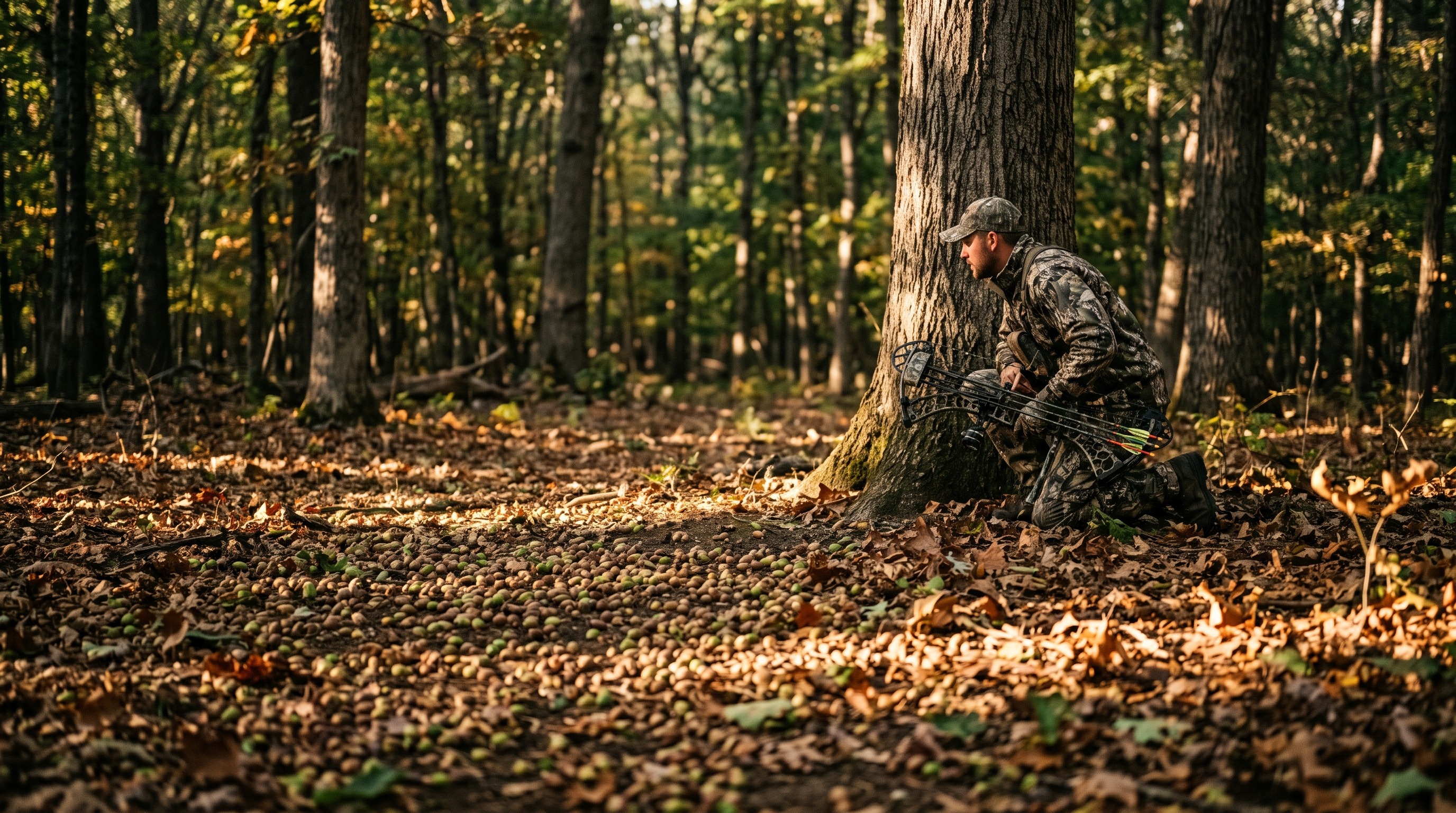
Best Hunting Backpacks
A hunting backpack carries everything between you and a long, miserable day - and on a successful hunt, it carries the meat out. The right pack disappears on…

The best hunting backpack is the one sized and framed for how you hunt: a 1,800-2,500 cubic-inch day pack for treestand and ground work, or a 4,500-plus expedition pack on a load-hauling frame for backcountry elk. Fit and a meat-hauling frame matter far more than the logo - a pack that carries weight without wrecking your shoulders is the whole point.
A hunting backpack carries everything between you and a long, miserable day - and on a successful hunt, it carries the meat out. The right pack disappears on your back, organizes your gear, and hauls heavy loads without destroying your shoulders. The wrong one becomes the thing you remember most about an otherwise great hunt.
This guide walks through capacity, frame design, fit, and how to pick the pack that fits your hunting.
Start With Capacity: How Much Do You Need?
Pack volume is measured in liters or cubic inches. The right size depends entirely on trip length and gear.
Day packs (roughly 1,200-2,500 cubic inches / 20-40 liters) suit hunters heading out for a single day - water, food, optics, layers, and basics. They’re light, low-profile, and ideal for whitetail hunting, morning sits, and short stalks.
Multi-day packs (3,000-5,000+ cubic inches / 50-80+ liters) carry a sleeping system, shelter, food, and clothing for backcountry trips. They’re built around load-hauling frames.
A common mistake is buying too big. An oversized pack tempts you to overpack, adds dead weight, and rides poorly when half empty. Buy for your typical hunt, not your once-a-year dream trip.
The Frame Is the Heart of a Hunting Pack
What separates a true hunting pack from a generic hiking pack is the frame and load-hauling ability. After a successful hunt you may need to pack out 50 to 100 pounds of meat, and a quality internal or external frame transfers that weight to your hips, where your legs can carry it.
Many of the best hunting packs use a modular system: a frame plus interchangeable bags. You run a small bag for day hunts and a large bag for multi-day trips, all on the same frame - and the frame alone, with a meat shelf, hauls quarters out. Before that first backcountry haul, it is worth running through a pack-out checklist so nothing gets left at the kill site. This versatility is why systems from Mystery Ranch, Stone Glacier, Exo Mtn Gear, and Kifaru are so popular with Western hunters.
If you only hunt whitetails from a stand, you don’t need a heavy-duty hauler. If you hunt elk, mule deer, or anything in steep country, a serious load-hauling frame is essential.
Fit Is Everything
A pack that doesn’t fit will hurt no matter how good it is. The most important measurement is torso length - the distance from the base of your neck to the top of your hip bones. Many quality packs offer adjustable suspension or come in sizes; match yours.
A proper fit puts most of the weight on a snug hip belt riding on top of your hip bones, with the shoulder straps stabilizing rather than carrying the load. When possible, try a pack loaded with weight before buying, and adjust the hip belt, load lifters, and shoulder straps until it rides comfortably and close to your back.
Features That Matter
- Meat shelf or load sling: A panel or compression system that lets you carry quarters between the bag and frame. Non-negotiable for Western hunting.
- Quiet fabric: A pack that swishes or crinkles can ruin a stalk. Quality hunting packs use brushed or soft-finish materials.
- Organization: Enough pockets to keep optics, calls, and tags accessible without dumping the whole pack. But beware over-segmentation that wastes space.
- Hydration compatibility: A bladder sleeve and hose port, or solid bottle pockets.
- Bow/rifle and tripod carry: Dedicated straps or pockets to lash a weapon and tripod hands-free during a hike.
- Rain protection: Water-resistant fabric, ideally with a rain cover for downpours.
Don’t chase features for their own sake. Every pocket and strap adds weight. The best pack has exactly what you need and nothing you don’t.
Budget Tiers and Notable Brands
Entry level: Badlands, ALPS OutdoorZ, and Eberlestock offer capable, affordable packs with real load-hauling features. Badlands in particular is known for a strong warranty and good value, making it a great starting point.
Mid-range: Eberlestock and the mid-tier Mystery Ranch packs step up in materials, suspension quality, and durability. This tier serves most hunters very well.
Premium: Stone Glacier, Kifaru, Exo Mtn Gear, and Mystery Ranch’s top systems are built for hardcore backcountry use - superb suspensions, ultralight-but-tough materials, and modular flexibility. For hunters who pack meat off mountains regularly, the comfort and durability justify the price.
How to Choose
If you’re a whitetail or stand hunter, a comfortable, quiet day pack with good organization is all you need.
If you hunt out West or in the mountains, invest in a modular load-hauling system sized to your trip length - the meat shelf will earn its keep.
If you do a mix of hunts, a modular frame system with swappable bags gives you one platform for everything.
Above all, prioritize fit. A perfectly featured pack that doesn’t match your torso will never be comfortable.
Conclusion
The best hunting backpack isn’t the biggest or the most feature-laden - it’s the one sized to your typical hunt, built with a frame that can haul meat, and fitted properly to your body. Decide on capacity, prioritize the suspension and fit, choose quiet fabric, and skip the features you won’t use. Get it right and your pack becomes an afterthought, leaving you free to focus on the hunt.
🛒 Recommended Gear on Amazon
- Hunting daypacks - browse current options and reviews on Amazon.
- External frame hunting packs - browse current options and reviews on Amazon.
- 3L hydration bladder - browse current options and reviews on Amazon.
As an Amazon Associate, we earn from qualifying purchases - at no extra cost to you. This helps us keep producing free, in-depth guides.