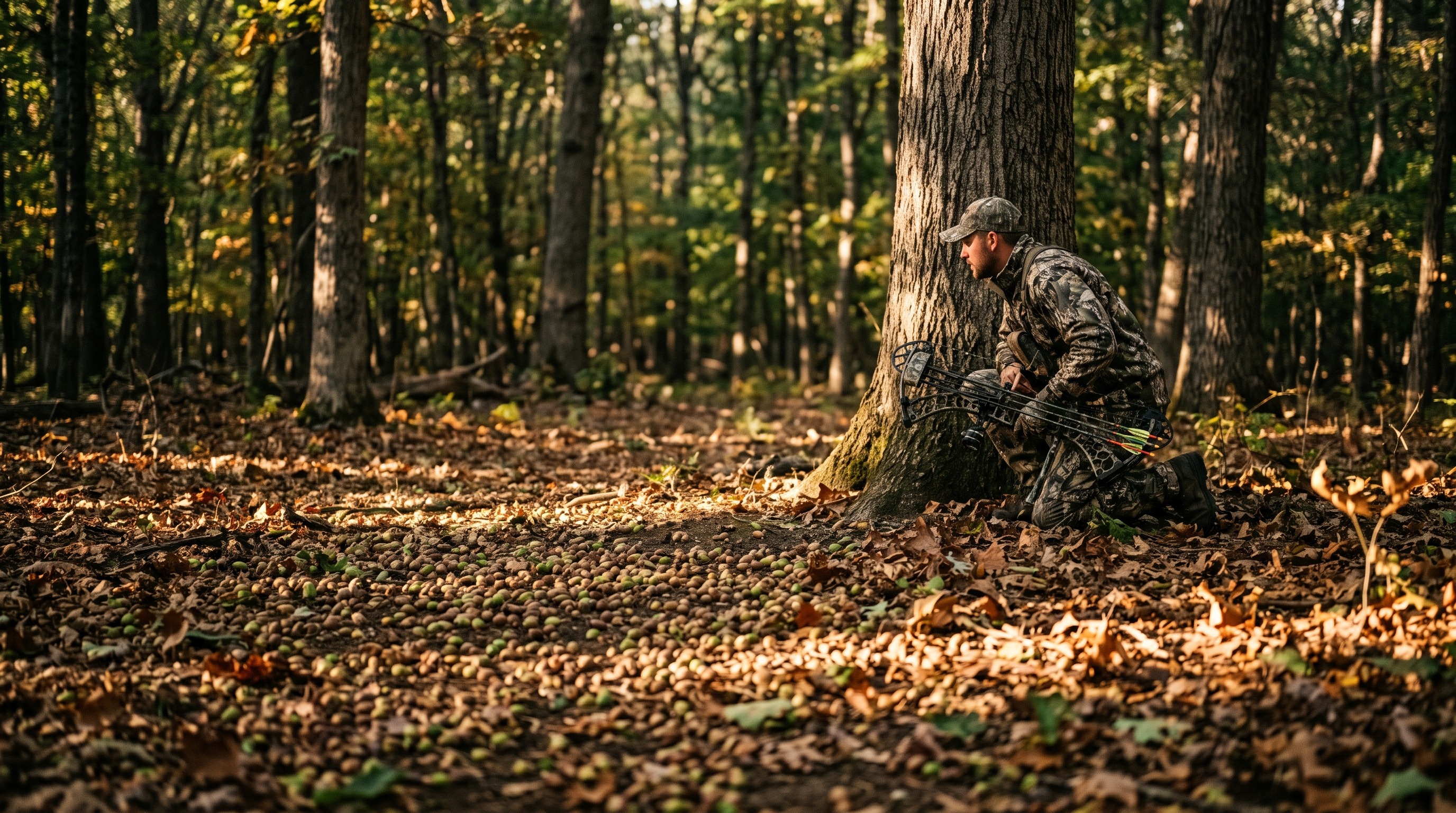
Best Game Calls for Deer & Elk
A well-timed call can turn a quiet morning into the hunt of the season. Game calls let you speak the language of the animals you pursue, pulling a curious buck…

The most useful game calls to start with are a grunt call, a bleat can, and rattling antlers for whitetail deer, a diaphragm or bugle for elk, and a box or slate call for spring turkey. Each does a specific job, and a small, well-chosen kit beats a drawer full of calls you never learn to run.
A well-timed call can turn a quiet morning into the hunt of the season. Game calls let you speak the language of the animals you pursue, pulling a curious buck out of the timber, pulling a bull elk off his cows, or convincing a roosted tom that a hen is waiting nearby. But calls are tools, and like any tool they work best when you understand what each one does and when to use it. This guide breaks down the most effective and beginner-friendly calls for whitetail deer, elk, and wild turkey, so you can build a calling kit that actually puts animals in range.
Why Calling Works
Animals communicate constantly. Deer grunt, bleat, and snort-wheeze to establish dominance, locate one another, and signal alarm. Elk bugle and chuckle to advertise their presence and challenge rivals. Turkeys yelp, cluck, purr, and cutt to stay in contact with the flock. When you reproduce these sounds accurately, you tap into instincts that are hard for an animal to ignore, especially during the breeding season when curiosity and competition run high.
The key word is accurately. Over-calling, calling at the wrong volume, or using the wrong sequence can do more harm than good. The best callers spend as much time listening as they do calling.
Best Deer Calls
Whitetails respond to a surprisingly small vocabulary, and you can cover almost every situation with two or three calls.
Grunt Call
A grunt tube is the single most useful deer call you can own. A short, soft “tending grunt” can pull a cruising buck off his line during the rut. Models from Primos, Illusion, and Flextone offer adjustable tone so you can mimic both does and mature bucks.
- Use soft, single grunts when a buck is in sight but not coming your way.
- Increase volume only if the buck is far off or the wind is loud.
- Keep it sparse. Two or three grunts every 20 to 30 minutes is plenty.
Bleat Can
A “can” call produces the estrus bleat of a doe by simply tipping it over. It is nearly foolproof and deadly during the pre-rut and rut. Pair it with a grunt for a convincing buck-chasing-doe scenario.
Rattling Antlers
Synthetic rattling antlers or a rattle bag imitate two bucks fighting. This works best during the pre-rut and rut in areas with a balanced buck-to-doe ratio. Start with light tickling, then build to an aggressive sequence lasting 30 to 60 seconds.
Best Elk Calls
Elk hunting is calling-intensive, and the early-September rut is one of the most exciting calling experiences in North America.
Diaphragm (Mouth) Calls
A diaphragm call sits in the roof of your mouth and leaves your hands free for your bow or binoculars. It takes practice, but it produces the most realistic cow chirps, mews, and bugles. Brands like Phelps, Rocky Mountain, and Bugling Bull make beginner-friendly two-reed designs.
Bugle Tube
A bugle tube amplifies and shapes the sound from your diaphragm into a full locator or challenge bugle. Use a locator bugle to find a herd at first light, then switch to cow calls as you close the distance.
Open-Reed Cow Call
If a diaphragm gives you trouble, an external open-reed cow call is far easier to learn and still produces excellent mews and chirps. It is a great confidence builder for new elk hunters.
Calling sequence that works: Locate a bull with a bugle, move in tight, then switch to soft cow calls to imitate a lone, lonely cow. A satellite bull or even the herd bull may slip in to investigate.
Best Turkey Calls
Spring turkey hunting is built around calling, and learning a few sounds well will serve you better than owning a dozen calls you barely understand.
Box Call
A box call is the easiest call to learn and produces loud, ringing yelps that carry well on windy mornings. Chalk the paddle, run it with smooth strokes, and you can locate a gobbler from a long distance.
Pot (Slate) Call
A pot call with a slate, glass, or aluminum surface excels at soft, realistic clucks and purrs for close-range work. Glass and aluminum cut through wind; slate sounds soft and natural.
Mouth (Diaphragm) Call
Like with elk, a turkey diaphragm leaves your hands free for the critical moment when a tom is closing in. It produces excellent yelps, clucks, and cutts once you master it.
Locator Calls
Crow calls and owl hooters are not turkey sounds at all. They are “shock” calls that startle a gobbler into giving away his position without making him think a hen is nearby.
Calling Tips That Apply to Every Species
- Less is more. Call enough to get attention, then let curiosity do the work.
- Match the mood. Aggressive calling works during peak rut competition; soft, subtle calling works for wary, pressured animals.
- Mind the wind. An animal that circles downwind to scent-check your position will bust you. Set up so a responding animal must approach from upwind or crosswind.
- Stay still. Calling draws eyes to your location. Be set up, weapon ready, before you make a sound.
- Practice in the off-season. Run your calls in the truck, in the yard, anywhere. Muscle memory matters when adrenaline hits.
Building Your First Calling Kit
You do not need a tackle box full of calls. A practical starter kit looks like this:
- Deer: one adjustable grunt tube and one bleat can.
- Elk: one open-reed cow call and one bugle tube (add a diaphragm as you improve).
- Turkey: one box call and one pot call, plus a crow call for locating.
Spend your money on quality over quantity, and spend your time learning to run each call convincingly.
Conclusion
Game calls reward hunters who treat them as a language rather than a gimmick. Learn the handful of sounds that actually matter for your quarry, practice until they sound natural, and use them with restraint and good woodsmanship. Do that, and calling becomes one of the most rewarding skills in the field, the moment when an animal answers and you realize the conversation is working.
🛒 Recommended Gear on Amazon
- Deer grunt calls - browse current options and reviews on Amazon.
- Turkey diaphragm calls - browse current options and reviews on Amazon.
- Predator distress calls - browse current options and reviews on Amazon.
As an Amazon Associate, we earn from qualifying purchases - at no extra cost to you. This helps us keep producing free, in-depth guides.