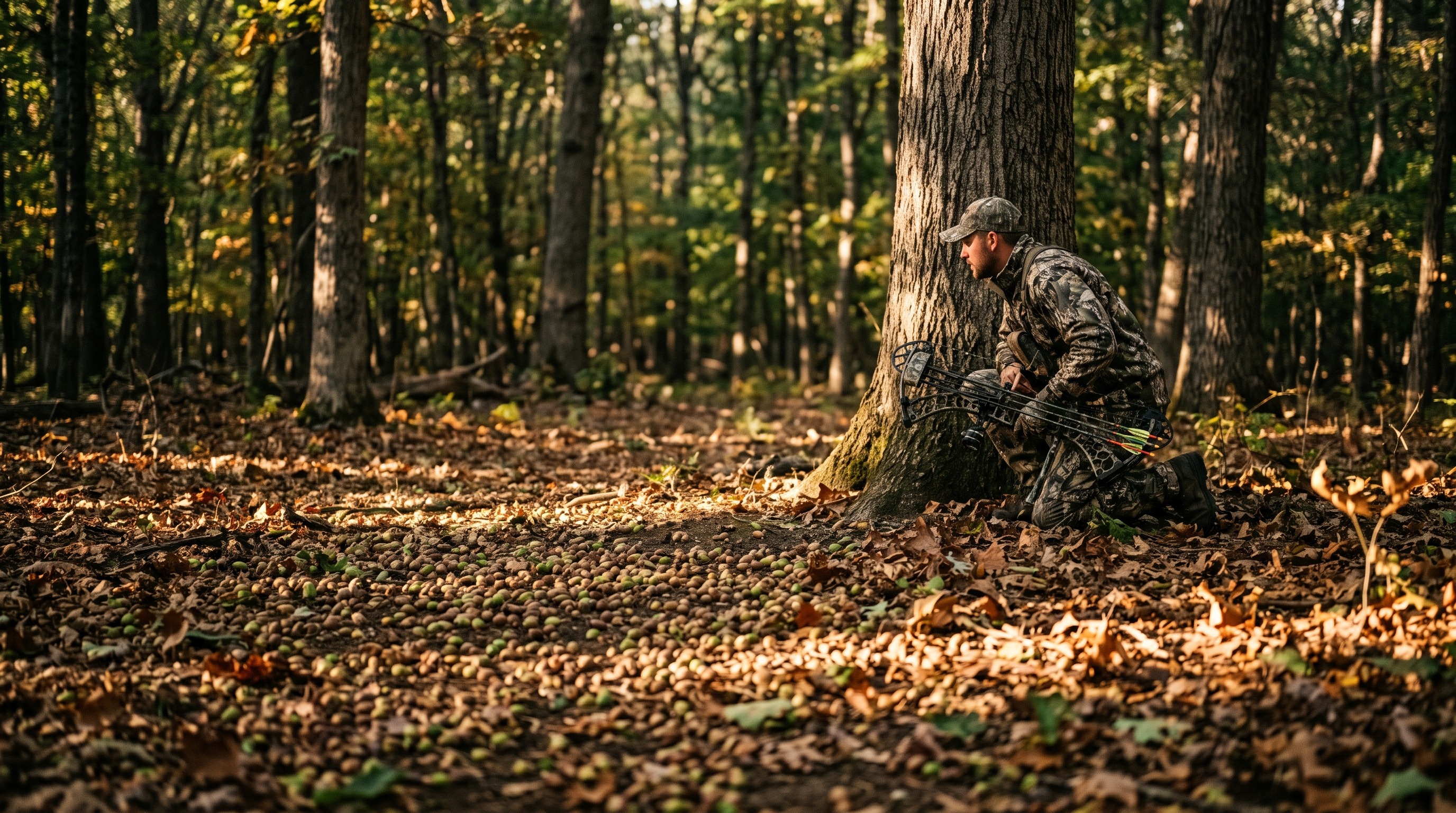
Best Times of Day to Hunt
Every hunter has heard the advice: "Hunt early, hunt late." There's real truth in it. Game animals follow daily activity rhythms, and certain windows of the…

The best times of day to hunt are the golden windows at dawn and dusk, when game moves most. But the picture shifts with the season, the weather, and hunting pressure - mature animals turn nocturnal once pressured, and a cold front or the rut can flip the whole daily clock.
Every hunter has heard the advice: “Hunt early, hunt late.” There’s real truth in it. Game animals follow daily activity rhythms, and certain windows of the day consistently produce more movement than others. But “best time” is more nuanced than just dawn and dusk. The season, the weather, hunting pressure, and the animal itself all shift the equation. This guide breaks down the daily clock of animal movement so you can spend your limited hunting hours when they count most.
Why Timing Matters
Game animals are not active around the clock. They cycle between periods of feeding, traveling, and resting, and these periods are tied to light, temperature, and safety - patterns that shape which hunting methods work best at each hour. A hunter who understands an animal’s daily routine can intercept it during its active windows instead of waiting through dead time. Hunting the right hours doesn’t just save effort, it dramatically increases your odds of an encounter.
The Golden Window: Dawn
The hour before sunrise through the first couple hours of daylight is, for most game, the most reliable movement window of the day.
- Animals that fed through the night are traveling back from food sources toward bedding cover at first light.
- Cool morning temperatures encourage movement and comfort.
- Predators and prey alike are active in the low light.
Hunting the Morning
- Be settled in your stand or blind well before legal shooting light. Movement can start the moment it’s light enough to shoot.
- Position along travel routes between feeding areas and bedding cover, generally on the bedding side, to catch animals heading to rest.
- Use a quiet, scent-conscious entry in the dark so you don’t bump animals on the way in.
The Other Golden Window: Dusk
The last two to three hours of daylight, into legal shooting light’s end, are the second prime window.
- Animals leave bedding cover and head toward food as the day cools.
- The fading light gives them a sense of security.
- Evening movement is often more predictable than morning because animals are moving toward a known food source.
Hunting the Evening
- Set up closer to feeding areas, downwind of the route animals will use.
- The last 30 to 60 minutes of light are often the most productive of the entire day, so don’t climb down early.
- Plan a quiet exit that won’t spook animals already in the field, which protects the spot for future hunts.
The Underrated Midday Lull and Its Exceptions
Conventional wisdom says midday is dead time, when animals are bedded and still. Often that’s true. But midday is not as worthless as many hunters believe, and several situations make it productive.
- The rut. During the breeding season, whitetail deer and other animals move at all hours. Many mature bucks are taken between mid-morning and early afternoon during the rut, when other hunters have left the woods.
- Cold weather. On bitterly cold days, animals may get up to feed and warm in the midday sun.
- Hunting pressure shifts. When morning hunters leave the woods around mid-morning, they bump animals, which can put them on their feet during the late-morning hours.
- Weather changes. A front moving through at midday can trigger movement any time.
The lesson: don’t automatically write off the middle of the day. During the rut especially, staying on stand through midday is a proven big-buck tactic.
How the Season Changes the Clock
- Early season. Animals move on a tight feed-to-bed pattern. Evenings near food are strong. Mild weather can suppress midday and even morning movement in the heat.
- Rut. The daily clock breaks down. All-day sits pay off as animals move at unpredictable hours chasing mates.
- Late season. Cold drives heavy feeding, and afternoons near food sources become the top window as animals feed before long, cold nights.
How Weather Adjusts the Clock
Weather can override the daily rhythm.
- Cold fronts and dropping temperatures extend movement windows and can push animals into daylight at any hour.
- Warm, calm weather compresses movement into the very edges of the day, dawn and dusk only, or pushes it into the night.
- Light rain or overcast skies can extend movement later into the morning and start it earlier in the evening.
- High wind or heavy storms suppress movement until conditions calm.
Combine the daily clock with the weather forecast for the sharpest predictions.
Hunting Pressure and Nocturnal Shifts
The more pressure animals feel, the more they shift activity into the cover of darkness. On heavily hunted public land, mature animals may move almost entirely at night. To counter this:
- Hunt low-pressure areas and the thickest cover.
- Hunt midweek when there are fewer hunters in the woods.
- Be the first one in and the last one out, undetected, to catch the narrow legal-light windows.
Make the Most of Limited Time
If you can only hunt a few hours, choose them wisely.
- A morning hunter should be on stand before light and stay through mid-morning.
- An evening hunter should be settled by mid-afternoon and stay until the last legal minute.
- If you can hunt all day during the rut, do it.
- Always weigh the forecast: a cold, post-front day is worth more than a warm, calm one no matter the hour.
Fair Chase and Conservation
Hunting the right hours puts more animals in front of you, which means more shot opportunities, and more responsibility. Confirm legal shooting hours for your state and never shoot before or after them. In low light, identification is harder, so be absolutely certain of your target and what lies beyond it before shooting. Take only ethical shots within your effective range, and respect all regulations.
Conclusion
Dawn and dusk remain the two most reliable windows to hunt, anchored by animals’ natural travel between food and bedding. But the smart hunter reads the whole picture: midday can shine during the rut and cold snaps, the season shifts the prime window, weather can rewrite the clock entirely, and pressure pushes animals into the dark. Match your hours to the conditions, hunt legal light only, and you’ll make every minute in the field count.
🛒 Recommended Gear on Amazon
- Red-light headlamp - browse current options and reviews on Amazon.
- Hand warmers (bulk) - browse current options and reviews on Amazon.
- Hunting seat cushion - browse current options and reviews on Amazon.
As an Amazon Associate, we earn from qualifying purchases - at no extra cost to you. This helps us keep producing free, in-depth guides.