Bowhunting for Beginners
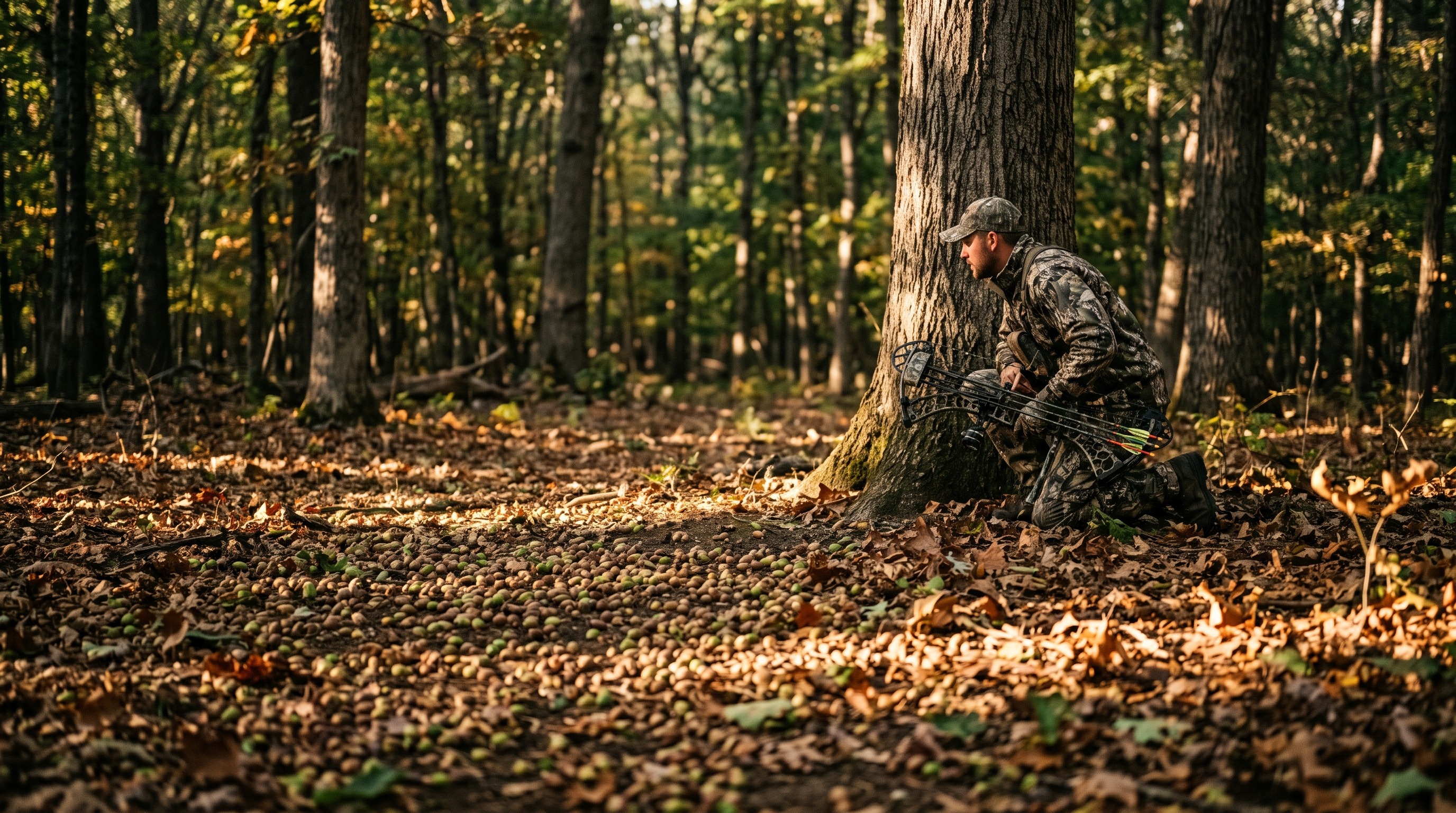
Bowhunting is one of the most rewarding ways to hunt. It demands that you get close, often within 20 to 40 yards of your quarry, which puts a premium on…

Bowhunting is one of the most rewarding ways to hunt. It demands that you get close, often within 20 to 40 yards of your quarry, which puts a premium on woodsmanship, patience, and skill. Archery seasons are often longer and less crowded than firearms seasons, giving you more time in the field. But bowhunting also has a steeper learning curve, and starting out the right way will save you frustration and, more importantly, ensure you hunt ethically. This guide walks a new bowhunter through the equipment, the skills, and the mindset needed to begin.
Start With the Right Bow
Most new bowhunters today choose a compound bow, which uses a system of cams and cables to make it easier to hold at full draw. Recurve and longbows (traditional archery) are wonderful but have a much steeper learning curve, so most beginners are best served by a compound.
Get Properly Fitted
The single best thing you can do is visit a reputable archery pro shop and get fitted. Two measurements matter most:
- Draw length: The bow must match the length of your draw. A bow set to the wrong draw length is impossible to shoot accurately and consistently.
- Draw weight: The force required to pull the string back. Many states set a legal minimum draw weight for hunting big game, often around 40 pounds. Beginners should choose a weight they can draw smoothly and hold steady, not the heaviest they can barely manage. You can increase weight later as your form develops.
A modern compound at a moderate, comfortable draw weight is plenty for deer-sized big game when paired with good shot placement.
Essential Bowhunting Gear
Beyond the bow itself, a few items complete a starter setup.
- Arrows: Must be matched (spined) correctly to your bow’s draw length and weight. The pro shop will help you select the right ones.
- Broadheads: The cutting heads used for hunting, as opposed to the target points used for practice. Both fixed-blade and mechanical (expandable) broadheads work; pick a reliable, well-reviewed model and practice with the same type you will hunt with.
- Release aid: Most compound shooters use a mechanical release for a clean, consistent shot.
- Sight and rest: A multi-pin or adjustable sight and a quality arrow rest, typically installed and tuned at the shop.
- Quiver: To carry arrows safely.
- A target: A quality block or bag target for backyard practice.
- A rangefinder: Knowing the exact distance is critical in bowhunting, where a few yards change everything.
- Safety gear: If you will hunt from a tree stand, a full-body safety harness is mandatory.
You do not need the most expensive gear. A mid-range, properly tuned setup will serve you well for years.
Practice Until It Is Second Nature
Bowhunting success is built in the off-season backyard, not on opening day.
Build Good Form
Consistent accuracy comes from a repeatable shot process:
- A relaxed, consistent stance.
- A consistent grip, with the bow hand relaxed, not gripping tightly.
- A consistent anchor point, where the string and your hand reach the same spot on your face every time.
- A smooth release and a held follow-through; do not drop your bow arm the instant the arrow leaves.
Practice Realistically
- Start close, at 10 to 15 yards, until your form is solid, then extend distance gradually.
- Practice from the positions you will actually hunt in: sitting, kneeling, and from an elevated stand if you will tree-stand hunt.
- Practice in your hunting clothes, including any bulky layers.
- Shoot your broadheads, not just field points, before the season to confirm they fly the same as your practice arrows.
- Practice in low light, since prime hunting hours are dim.
Know Your Effective Range
Your effective range is the maximum distance at which you can reliably put every arrow into a small kill-zone-sized circle under hunting conditions, not your best-case range on a calm day at the target. For many new bowhunters this is 20 to 30 yards. Be honest with yourself, and never take a shot beyond it.
Get Close: The Bowhunting Challenge
Bowhunting is fundamentally a game of getting close. That is what makes it hard and what makes it rewarding.
- Hunt the wind religiously. At close range the nose of a whitetail deer is your biggest enemy. Set up so your scent never reaches your quarry.
- Minimize movement. Drawing a bow is a large, slow motion. Plan to draw when the animal’s eyes are blocked or its head is behind cover.
- Set up for high-percentage shots. Place stands and blinds where animals are likely to pass close, broadside or quartering away, at a known distance.
- Use calling and decoys where appropriate to bring animals into your effective range.
- Be patient. The right shot at the right moment is worth waiting for.
Shot Placement and Ethics
Ethical bowhunting depends on a well-placed arrow. An arrow kills by causing hemorrhage, so the goal is the vital area behind the front shoulder where the heart and lungs sit. Our interactive shot placement guide lets you rehearse that aiming point before opening day.
- Wait for a broadside or quartering-away shot, which gives the best access to the vitals.
- Avoid quartering-toward shots and straight-on shots, where the shoulder blocks the vitals.
- Pick a specific spot, not the whole animal, and aim small.
- After the shot, note exactly where the animal was standing and where it ran. Wait an appropriate amount of time before tracking, give the animal time, and then track carefully and thoroughly.
- If a shot is marginal, give it more time and recruit help for the recovery. Recovering your animal is an ethical obligation.
Learn the Rules and Keep Learning
- Take a bowhunter education course; many states require it, and all hunters benefit from it.
- Know your state’s archery seasons, legal equipment, draw-weight minimums, and broadhead regulations.
- Find a mentor or local archery community. Experienced bowhunters are usually glad to help a beginner.
Conclusion
Bowhunting asks a lot of you, and that is exactly why it is so satisfying. Start with a properly fitted compound bow at a comfortable draw weight, invest in matched arrows and reliable broadheads, and practice until a good shot is automatic. Hunt the wind, get close, know your effective range, and only release an arrow on a high-percentage, ethical shot. Take it step by step, stay patient, and respect the animals you pursue. The first time you draw on game at close range, you will understand why so many hunters consider the bow the ultimate challenge.
🛒 Recommended Gear on Amazon
- Beginner compound bow package - browse current options and reviews on Amazon.
- Carbon hunting arrows - browse current options and reviews on Amazon.
- Block archery target - browse current options and reviews on Amazon.
As an Amazon Associate, we earn from qualifying purchases - at no extra cost to you. This helps us keep producing free, in-depth guides.