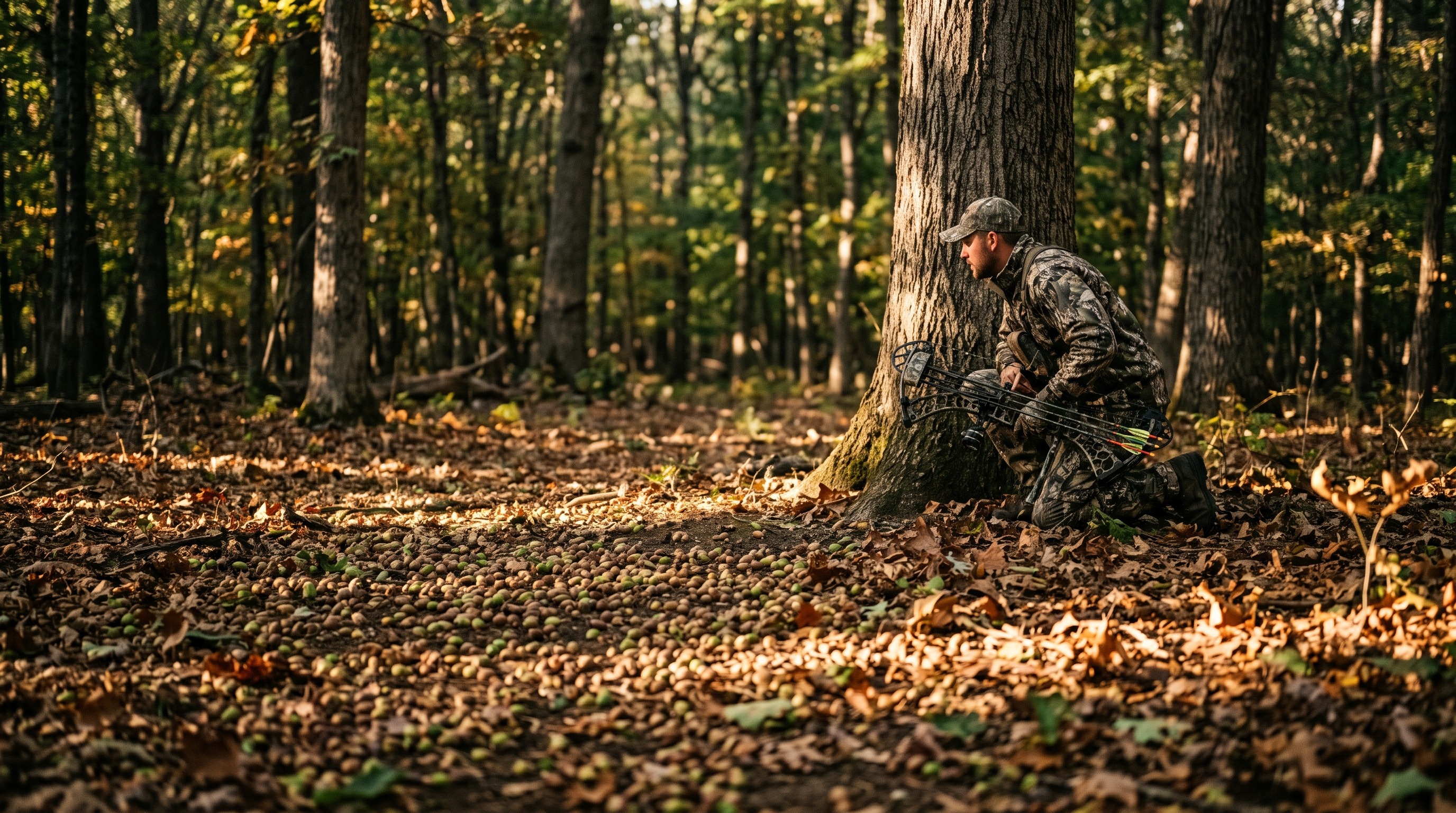
Predator Hunting: Calling Coyotes
Coyote hunting is one of the fastest-growing pursuits in North America, and for good reason. Coyotes are abundant, challenging, and huntable across long…

Coyote hunting is one of the fastest-growing pursuits in North America, and for good reason. Coyotes are abundant, challenging, and huntable across long seasons in much of the country. Calling them is a thrilling, fast-paced game of wits, often over in minutes, that rewards woodsmanship, stealth, and patience. Coyote hunting also serves a real purpose: managing predator numbers can benefit landowners and other wildlife. This guide covers how to call coyotes effectively as a beginner, from understanding the animal to setting up a productive stand.
Understand Your Quarry
Before you call a coyote, it helps to understand what you are up against. Our coyote species profile covers their range and behavior in depth, but the short version is that coyotes are intelligent, wary, and equipped with extraordinary senses. Their nose is their primary defense, and a coyote that scents you is gone before you ever see it. They also have sharp eyes for movement and good hearing.
Coyotes are most active around dawn, dusk, and at night, though they can be called any time of day. They are territorial and respond to calling out of hunger, curiosity, and defense of their territory. Where legal, winter hunting is popular because coyotes are hungry, more visible against snow, and prime fur is on.
Always Check the Law
Coyote regulations vary by state. Before you go:
- Confirm seasons, license requirements, and any restrictions in your state.
- Check whether night hunting and the use of artificial light or night optics are legal where you hunt.
- Confirm electronic call rules; they are legal for coyotes in most places but verify locally.
- Get permission for private land and know public-land rules.
Calling Equipment
You have two main options for calling coyotes.
Electronic Calls
An electronic caller plays recorded sounds and is the easiest, most versatile choice for beginners.
- It produces a huge library of sounds: distressed prey, coyote vocalizations, and more.
- Many models come with a remote, letting you place the caller away from your position so an incoming coyote focuses there, not on you.
- Some include a motion decoy to add visual attraction.
- Brands like FoxPro, ICOtec, and Lucky Duck are widely used and reliable.
Mouth (Hand) Calls
Hand calls are inexpensive, simple, and quiet to carry.
- Closed-reed calls are easy to learn and produce solid distress sounds.
- Open-reed calls are more versatile, producing both prey distress and coyote vocalizations, but take more practice.
Many hunters carry both: an electronic caller for versatility and a hand call as a backup or for adding realism.
The Sounds That Work
- Prey distress: The classic coyote calling sound. Rabbit distress (cottontail and jackrabbit) is the standard, imitating an easy, wounded meal. Rodent and bird distress also work, and the same sounds will pull in a curious red fox.
- Coyote vocalizations: Howls, yips, and challenge sounds appeal to territorial instincts and can locate or draw in coyotes, especially in late winter near breeding season.
- Pup distress: A powerful sound during certain times of year that triggers a strong protective response, but use it thoughtfully and in the appropriate season.
Beginners do well to start with rabbit distress, which is simple and consistently effective.
Setting Up a Stand
A “stand” in predator hunting is a single calling location. Most coyote hunts are a series of short stands, moving to a new spot if nothing responds.
Choosing a Location
- Hunt where coyotes live and travel: areas with prey, cover, and sign such as tracks and scat.
- Set up where you have a good field of view of the area you expect a coyote to come from.
- Choose a spot you can reach quietly without being seen.
Playing the Wind
This is the most important rule in coyote hunting. Coyotes almost always try to circle downwind to scent-check the source of a call before committing.
- Set up with the wind in your face or quartering, so you can see the downwind area a coyote will try to use.
- Position yourself so a coyote cannot get downwind of you without stepping into view.
- If you cannot cover the downwind side, choose a different spot.
Concealment and Position
- Sit in shadow, against a backdrop that breaks your outline, such as a bush, rock, or fence line.
- Wear camouflage that matches the terrain; white or snow camo over snow.
- Sit still. Movement kills more stands than anything except wind.
- Place an electronic caller, with or without a decoy, 20 to 40 yards upwind or crosswind of you, so the coyote’s attention is on the caller, not on you.
- Have a steady rest, such as shooting sticks or a bipod, and a clear shooting field.
How to Run a Stand
A typical coyote stand is short and structured:
- Get settled silently. Sneak into position, get comfortable, and let the area calm down for a minute or two.
- Start calling. Begin with prey distress at a moderate volume. Some hunters start softer in case a coyote is close.
- Watch everywhere, especially downwind. Coyotes can appear fast and from unexpected directions. Scan constantly without big movements.
- Vary the calling. Play the call in sequences with pauses. Mix sounds if nothing responds.
- Give it enough time. Most coyotes that respond do so within the first 15 to 20 minutes. If nothing shows after roughly 20 to 30 minutes, the stand is likely done.
- Leave quietly and move on. Pick up and relocate well away, often a mile or more, before setting up the next stand to call fresh country.
Coyote hunting is a numbers game. Some stands produce nothing; others produce action within seconds. Running several well-chosen stands in a day greatly increases your odds.
Common Mistakes to Avoid
- Ignoring the wind. The most common and most fatal error.
- Not watching the downwind side closely enough. That is where coyotes come from.
- Moving too much. Coyotes pick off the smallest motion.
- Calling too loud to start in tight cover, which can spook a close coyote.
- Staying too long on dead stands, or leaving good stands too soon.
- Setting up where you cannot see, leaving no shooting opportunity.
Conclusion
Calling coyotes is a fast, addictive, and genuinely useful form of hunting. Success comes down to a few fundamentals: understand the animal, know your local laws, choose stand locations with good visibility, play the wind without exception, stay hidden and still, and call with patience. Start with rabbit distress and a remote-capable electronic caller, run plenty of well-planned stands, and watch that downwind side. Master those basics and you will turn quiet country into some of the most exciting hunting you can find.
🛒 Recommended Gear on Amazon
- Electronic predator call - browse current options and reviews on Amazon.
- Motion coyote decoy - browse current options and reviews on Amazon.
- Coyote mouth calls - browse current options and reviews on Amazon.
As an Amazon Associate, we earn from qualifying purchases - at no extra cost to you. This helps us keep producing free, in-depth guides.