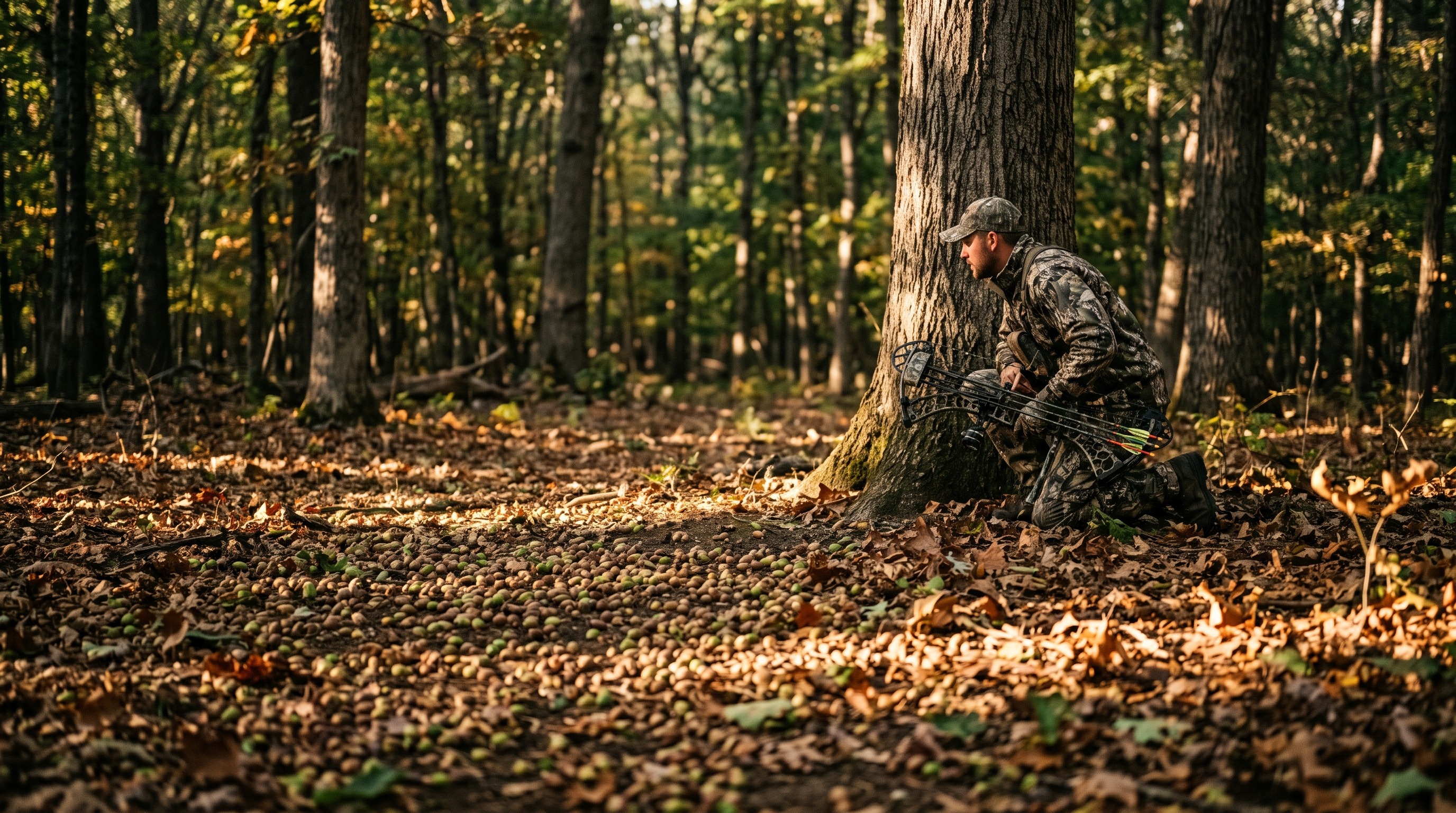
Calling Tactics for Deer and Elk
Calling adds an active, interactive dimension to big game hunting. Instead of simply waiting for an animal to wander past, you can speak its language and pull…

Calling adds an active, interactive dimension to big game hunting. Instead of simply waiting for an animal to wander past, you can speak its language and pull it to you. Deer and elk both respond to calling, but they respond to very different sounds, situations, and strategies. Knowing what to say, when to say it, and how loud to say it is what separates effective calling from noise that pushes animals away. This guide covers practical, field-tested calling tactics for both whitetail deer and elk.
The Foundation: Calling Is Conversation, Not Broadcasting
Before getting into specific sounds, understand the mindset. Calling works best as a conversation. You make a sound, you read the animal’s reaction, and you adjust. Hunters who blow calls constantly, at full volume, regardless of what the animal is doing, almost always do more harm than good. The best callers say just enough to spark curiosity or competition, then let the animal’s instincts close the distance.
Three rules apply to both species:
- Be set up before you call. Calling draws attention to your exact location. Have your weapon ready and your body still.
- Mind the wind. A called animal often tries to circle downwind to scent-check before committing. Set up so it cannot do that successfully.
- Read the reaction. If an animal responds, often you should call less, not more.
Calling Whitetail Deer
Whitetails have a modest vocabulary, and you can be effective with just a few sounds. Timing relative to the rut matters more than anything.
The Grunt
The grunt is the workhorse deer call. A soft tending grunt imitates a buck following or tending a doe.
- Use it to stop a buck that is moving but not coming your way, or to pull one that is just out of range.
- Keep volume low when the buck is close; only call louder when distance or wind demands it.
- Call sparingly. A few grunts every 20 to 30 minutes is usually enough.
The Doe Bleat
A bleat, especially the estrus bleat from a “can” call, imitates a receptive doe and is highly effective in the pre-rut and rut. Tip a can call to produce the sound, and pair it with grunts for a realistic buck-tending-doe sequence.
Rattling
Rattling antlers or a rattle bag imitate two bucks fighting and tap into a mature buck’s competitive drive.
- Most effective during the pre-rut and rut.
- Works best where the buck-to-doe ratio is reasonably balanced and there are mature bucks present.
- Start with soft tickling, then build to an aggressive sequence of 30 to 60 seconds, mixing in grunts.
- Watch downwind, as bucks frequently approach a fight from that direction.
The Snort-Wheeze
The snort-wheeze is an aggressive dominance challenge. It can be a closer for a hung-up rutting buck, but it can also intimidate younger or less dominant bucks. Use it as a last-resort tactic on a buck that will not commit.
Timing the Whitetail Season
- Early season: Calling is least productive; deer are on food patterns. Light grunting only.
- Pre-rut: Grunting, bleating, and rattling all start to produce as bucks become aggressive.
- Peak rut: The best calling window. Bucks are cruising and respond well to grunts, bleats, and rattling.
- Late season: Calling slows again as deer return to food-focused survival mode.
Calling Elk
Elk hunting, especially during the September rut, is one of the most calling-intensive pursuits in North America. Elk are vocal and respond dramatically when the timing is right.
The Bugle
A bull’s bugle advertises his presence and challenges rivals.
- Locator bugle: Used to find a herd. Bugle, then listen for an answer.
- Challenge bugle: Used to provoke a herd bull into confronting an intruder. This is high-risk, high-reward; it can bring a bull running or push a wary one away with his cows.
Cow Calls
Cow and calf sounds, mews and chirps, are often more effective and forgiving than bugling.
- A lone cow call imitates a single cow looking for company, which can pull in a satellite bull or even a herd bull.
- Soft cow calls are reassuring and can calm a nervous herd or stop a moving animal.
- A diaphragm call keeps your hands free; an open-reed external call is far easier for beginners to learn.
A Proven Elk Setup
A reliable tactic for hunting a vocal bull:
- Locate a bull at first light with a locator bugle.
- Close the distance fast and quietly while he is talking.
- Set up tight, often within a couple hundred yards, with a caller positioned slightly behind the shooter.
- Switch to soft cow calls to imitate a lone, lonely cow.
- Let the bull commit. A satellite bull may slip in, or the herd bull may come to gather a “stray.”
Timing the Elk Season
- Early September pre-rut: Bulls are becoming vocal; cow calling and light bugling work.
- Peak rut, mid to late September: The prime window. Aggressive bugling and cow calling are both highly effective.
- Post-rut October: Bulls go quieter and warier. Soft cow calls outperform aggressive bugling.
Tactics That Apply to Both Species
- Use two hunters when possible. One caller positioned behind a shooter draws the animal’s eyes past the shooter and pulls it into range.
- Throw your sound. Facing your call away from the animal, or cupping your hands, can make a called animal think the source is farther off and encourage it to keep coming.
- Do not over-call a responsive animal. Once an animal is committed and coming, often the best move is to stay silent and let it search for the source.
- Stay patient after calling. A curious animal may take many minutes to appear. Do not give up your setup too soon.
- Practice in the off-season. Confident, realistic calling comes from repetition long before opening day.
Conclusion
Calling deer and elk turns hunting into a genuine conversation with the animals you pursue. Whitetails respond to grunts, bleats, and rattling, with the rut as your best window. Elk respond to bugles and cow calls, with September as the magic month. For both, success comes down to good timing, restraint, wind discipline, and reading the animal’s reaction. Learn a few sounds well, call with purpose rather than volume, and let curiosity and instinct do the rest.
🛒 Recommended Gear on Amazon
- Deer grunt call - browse current options and reviews on Amazon.
- Elk bugle call - browse current options and reviews on Amazon.
- Rattling antlers - browse current options and reviews on Amazon.
As an Amazon Associate, we earn from qualifying purchases - at no extra cost to you. This helps us keep producing free, in-depth guides.