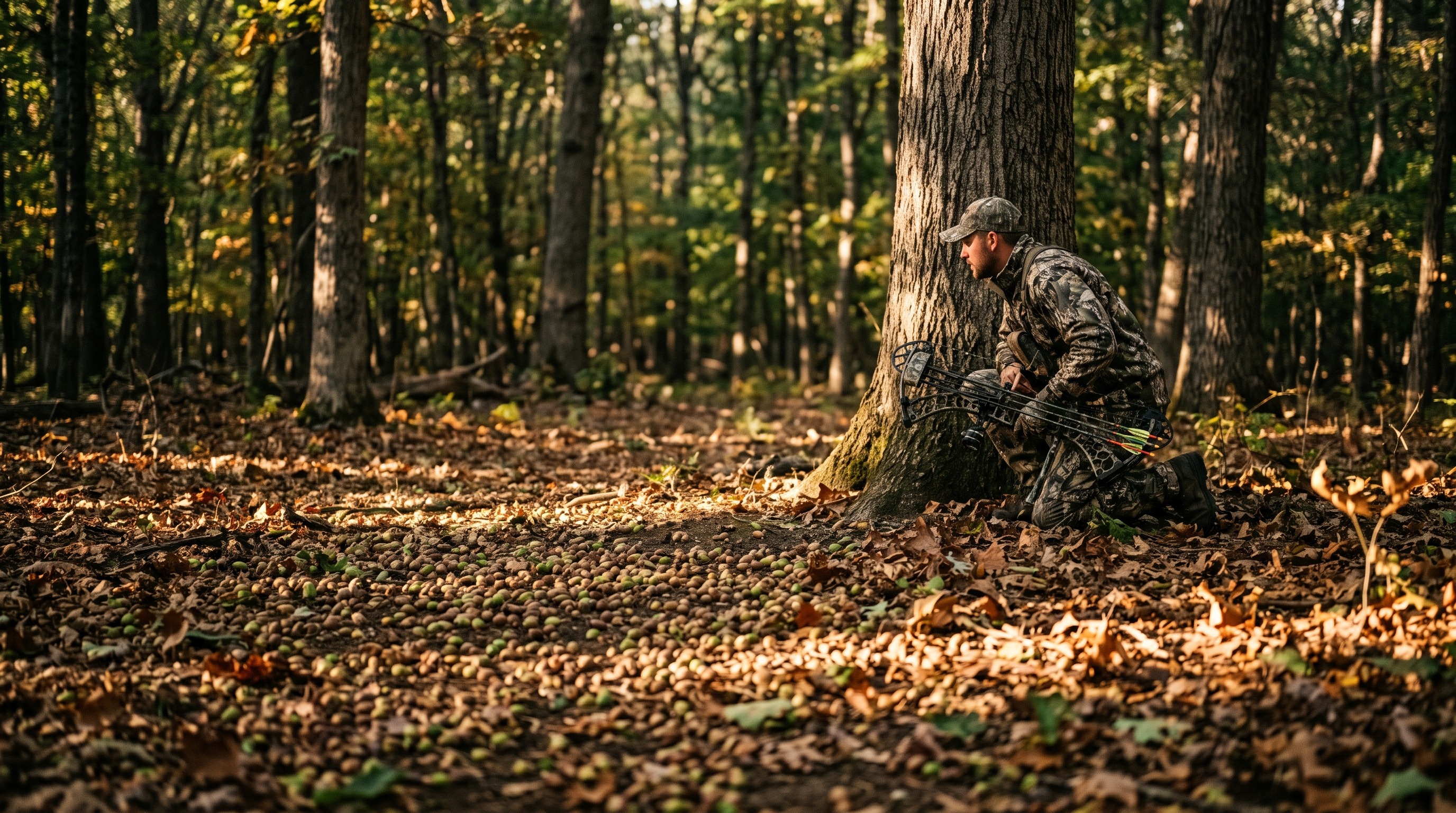
Early-Season Hunting Strategies
The early season is a special window. The woods are still green, the weather is mild, and game animals are living predictable, pattern-driven lives undisturbed…

The early season is a special window. The woods are still green, the weather is mild, and game animals are living predictable, pattern-driven lives undisturbed by hunting pressure. For the hunter willing to do the homework, the first weeks of the season can be the best of the year. But early season also brings its own challenges: warm temperatures, dense foliage, and bugs. This guide covers strategies to capitalize on the early season for deer and other game while staying safe and ethical.
Why Early Season Is Different
Before hunting pressure scatters animals and changes their behavior, game is operating on a comfortable summer-into-fall routine. A whitetail deer in particular follows a tight bed-to-feed pattern, moving between secure bedding cover and reliable food sources on a daily basis. Because they haven’t been bumped yet, they often move in daylight and stick to those patterns.
This predictability is the early-season hunter’s biggest advantage. The animal you patterned in August is, for a short time, the same animal you can hunt in September and early October.
Scout and Pattern Before You Hunt
Early-season success is won before the season opens.
- Use trail cameras through late summer to learn which animals are using which areas and at what times. Place cameras on field edges, trails, and water sources.
- Glass from a distance in the evenings to watch feeding fields without disturbing them.
- Identify food sources. Early season is all about food. Locate the soybean fields, alfalfa, acorns starting to drop, fruit trees, and food plots that animals are hitting.
- Map bedding areas so you can hunt the travel routes between bed and feed without spooking deer where they rest.
The goal is to know where the animal wants to be and to slip into a position along its route without alerting it.
Hunt the Food
In the early season, the equation is simple: find the food, find the game. Deer and other animals are packing on calories before the rut and winter.
Tactics for Food-Based Hunting
- Set up downwind of a field edge or feeding area where animals enter in the evening.
- Focus on the last hour of daylight, when feeding movement peaks.
- For morning hunts, position closer to bedding cover to catch animals returning from feed, but be careful not to spook them.
- As mast crops like acorns begin to fall, deer often abandon fields for the woods. Stay flexible and follow the food.
Beat the Heat
Warm weather is the defining challenge of early season, for both you and the animals.
- Hunt the cool windows. The first cold front of the season can trigger a burst of daylight movement. Watch the forecast and prioritize those days.
- Stay scent-conscious. You sweat more in warm weather, and scent control matters. Shower with scent-free soap, store hunting clothes clean, and always play the wind.
- Dress light but smart. Lightweight, breathable camo keeps you comfortable. Bring a layer for the cool of evening.
- Manage insects. Mosquitoes and ticks are active. Use a thermacell-type device or repellent, and do a tick check after every hunt to protect your health.
Wind and Access Are Everything
With foliage still thick and animals undisturbed, a careless approach will ruin an early-season hunt fast.
- Always hunt the wind. Choose stand locations based on the day’s wind direction so your scent blows away from where you expect game.
- Plan a quiet entry and exit. Walk routes that don’t cross bedding areas or feeding fields. Getting busted on the way in or out educates animals quickly.
- Hunt the fringe early. Don’t burn out your best spots in the first week. Hunt observation stands and lower-impact locations to gather intel, then strike your prime spot when conditions are right.
Tree Stand and Treestand Safety
Many early-season hunts happen from elevated stands. Safety is not optional.
- Always wear a full-body safety harness and stay connected from the ground up using a lifeline.
- Inspect stands, straps, and steps before the season; sun and weather degrade equipment.
- Use a haul line to raise and lower your unloaded firearm or bow.
- Tell someone where you’ll be and when you’ll return.
Falls from elevation are one of the most common serious hunting injuries. A harness used correctly prevents them.
Stay Patient and Low-Impact
The temptation in early season is to hunt hard and often. Resist it. Every hunt leaves scent and disturbance. Hunt when conditions, particularly wind and a favorable temperature drop, line up in your favor. A patient hunter who waits for the right day and slips in undetected will outperform one who pressures a property every evening.
Fair Chase and Conservation
Early season ethics are the same as any season. Take only shots you’re confident in, within your effective range - our interactive shot placement guide is worth a review before the opener. Identify your target clearly and know what’s beyond it. Respect property boundaries and bag limits. The animals you pass up early can be the mature animals you hunt later, and a property hunted with restraint stays productive all season.
Conclusion
The early season hands the prepared hunter a rare gift: game animals living predictable lives on visible food sources. Scout hard before the opener, hunt the food, play the wind religiously, beat the heat, and keep your impact low. Do that, and the first weeks of the season can fill your freezer and set the tone for a great fall.
🛒 Recommended Gear on Amazon
- Lightweight camo shirt - browse current options and reviews on Amazon.
- Thermacell mosquito repeller - browse current options and reviews on Amazon.
- Scent eliminator spray - browse current options and reviews on Amazon.
As an Amazon Associate, we earn from qualifying purchases - at no extra cost to you. This helps us keep producing free, in-depth guides.