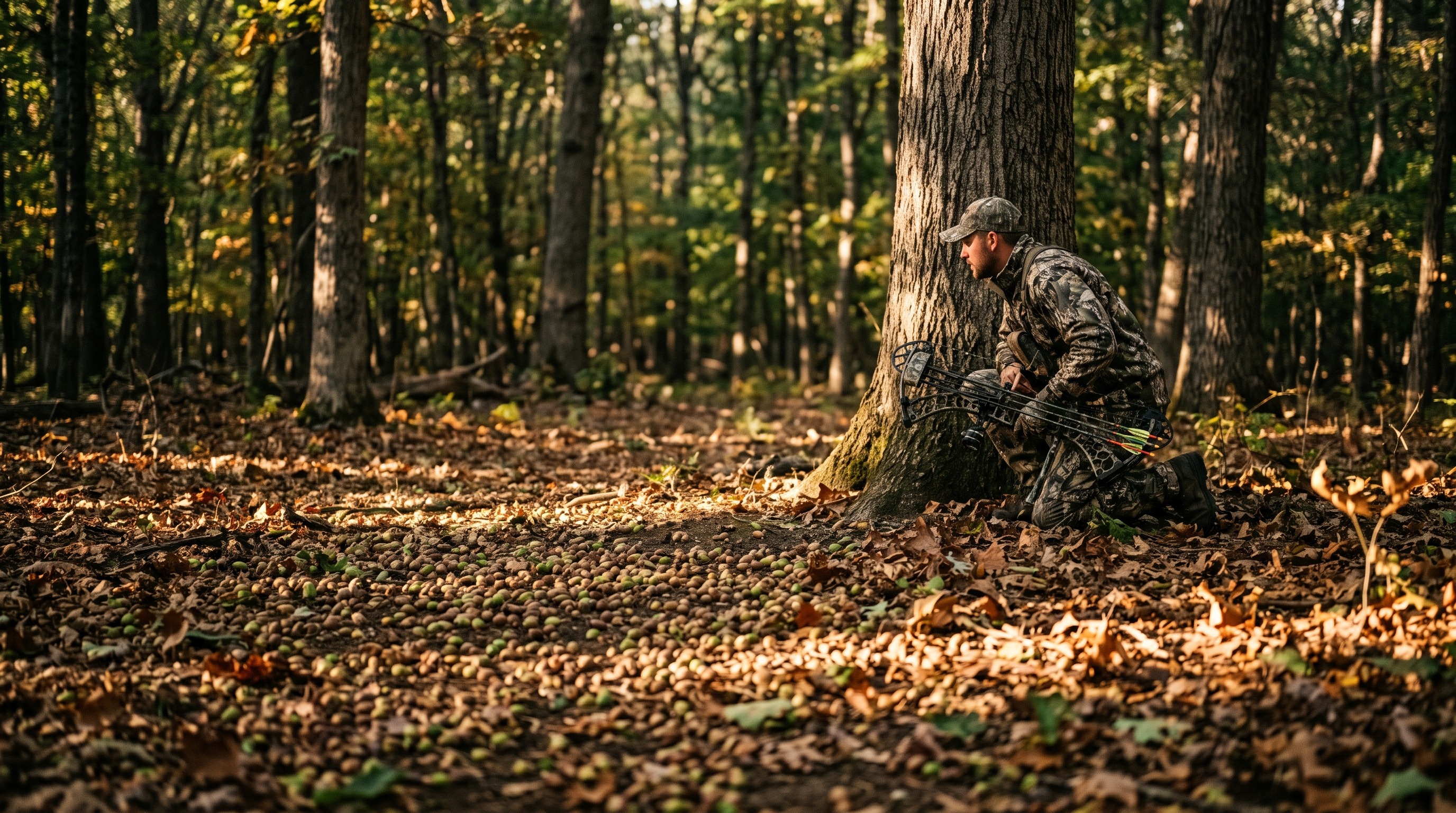
How to Choose Hunting Camo
Hunting clothing does two jobs: it keeps you comfortable enough to stay out longer, and it helps you go undetected. Beginners often obsess over the camo…

Hunting clothing does two jobs: it keeps you comfortable enough to stay out longer, and it helps you go undetected. Beginners often obsess over the camo pattern while overlooking the things that actually keep them in the field - layering, moisture management, and quiet fabric. The truth is that a hunter who is warm, dry, and still will go unnoticed in nearly any reasonable pattern, while a cold, fidgeting hunter in the latest camo will be spotted.
This guide explains how to think about hunting clothing the way experienced hunters do: as a system.
Think in Layers, Not Outfits
The single most important concept in hunting apparel is layering. Rather than one heavy coat, you build an adaptable system of layers you add or shed as conditions and activity change.
Base layer sits against your skin and manages moisture. Its job is to wick sweat away. This layer must be merino wool or synthetic - never cotton, which holds moisture and chills you.
Mid layer provides insulation, trapping warm air. Fleece, wool, or synthetic puffy materials are common; you can run more than one in deep cold.
Outer layer (shell) blocks wind and rain. It should be windproof and water-resistant or waterproof, and ideally quiet.
The beauty of layering is flexibility. You hike in wearing little so you don’t soak your base layer with sweat, then add insulation once you’re settled. A hunter who sweats through everything on the walk in will be miserable an hour later.
Match Clothing to Your Hunt Style
How you hunt determines what you wear.
Active hunters - spot-and-stalk, still-hunting, Western mountain hunting - generate body heat by moving. They need breathable, lighter layers and the ability to dump heat. Overdressing is the enemy.
Stationary hunters - treestand, ground blind, late-season sits - generate little heat and need serious insulation, including for the extremities. Heavy insulated parkas and bibs designed for sitting still are appropriate here.
Buying a heavy stand-hunting parka for active mountain hunting, or vice versa, leads to misery. Be honest about how you hunt.
Does the Camo Pattern Matter?
It matters, but less than the industry’s marketing suggests. The goals of camo are to break up your human outline and blend with the background. Most modern patterns do this well enough. Two practical principles:
- Match the general environment and season. An open-country pattern with lighter, grayish tones suits Western terrain and sage; a darker, vegetative pattern suits Eastern timber; a snow or lighter pattern helps in late-season white landscapes. You don’t need a closet full of patterns - one or two that match your typical hunting grounds is plenty.
- For big game, breaking up your outline beats exact pattern. Deer and elk see differently than humans; movement and silhouette give you away far more than pattern choice.
One real exception: waterfowl and turkey hunting, where birds have excellent color vision and look at hunters from close range and odd angles. Pattern and full coverage matter more there. For deer and elk, a hunter who stays still in almost any quality pattern is hard to detect.
Also remember blaze orange requirements. Many states mandate hunter orange for firearms seasons. It’s a legal and safety necessity - and notably, big game can’t distinguish it the way humans do, so it doesn’t hurt your concealment.
Fabric: Quiet and Weather-Ready
For close-range hunting, quiet fabric is underrated. Stiff, crinkly material announces every movement. Brushed polyester, soft fleece, and wool are quiet; some hard shells are noisy, so check before buying if you hunt close.
Your outer layer should handle the weather you’ll actually face. A waterproof-breathable shell is worth having for wet hunts. Don’t pay for extreme-weather gear you’ll never use, but don’t get caught underprepared either.
Don’t Forget the Extremities
Cold hands, feet, and head end more hunts than cold torsos. Pack quality gloves, a warm hat or beanie, and a neck gaiter, and adjust them as a quick way to fine-tune your temperature. Layer socks appropriately with your boots, and consider a face covering for close-range concealment of the bright, moving human face.
Budget and Brands
You don’t have to spend a fortune. Quality merino base layers and solid mid-layers from many brands perform well. That said, premium technical brands like Sitka, First Lite, KUIU, and Kryptek have advanced hunting apparel with excellent layering systems, fit, and fabrics - popular with serious Western hunters. More budget-friendly options from brands like Huntworth, Nomad, and ScentLok deliver good value for whitetail and general hunting. Buy the best base and outer layers you can afford first; those do the most work.
How to Choose
Start by identifying your climate and hunt style, then build a layering system around it: a wicking base, adaptable insulation, and a weather-appropriate shell - all in quiet fabric and a pattern that roughly matches your terrain. Add good gloves, a hat, and a neck gaiter. Confirm your state’s blaze orange rules. Avoid cotton entirely.
Conclusion
Don’t let camo patterns distract you from what matters. A smart layering system keeps you comfortable enough to hunt hard and stay still, and stillness - far more than any pattern - is what keeps you hidden. Dress as a system, manage your moisture and temperature, choose quiet fabric, and the pattern becomes the least of your concerns.
🛒 Recommended Gear on Amazon
- Camo hunting jacket - browse current options and reviews on Amazon.
- Camo face mask - browse current options and reviews on Amazon.
- Camo hunting gloves - browse current options and reviews on Amazon.
As an Amazon Associate, we earn from qualifying purchases - at no extra cost to you. This helps us keep producing free, in-depth guides.