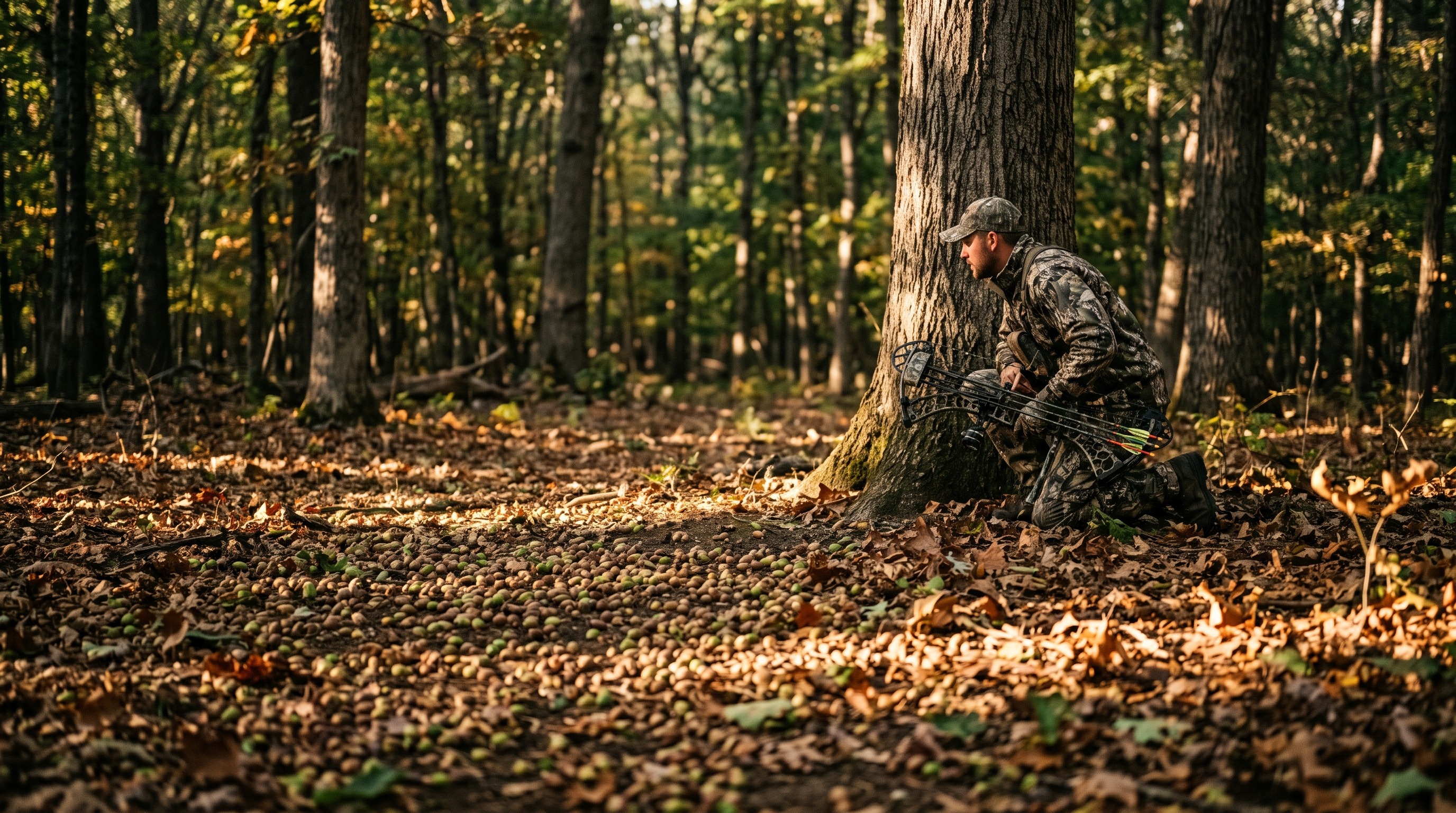
How to Hunt the Rut
For deer hunters, the rut is the most anticipated time of the season. It is the breeding period when normally cautious, nocturnal bucks abandon much of their…

For deer hunters, the rut is the most anticipated time of the season. It is the breeding period when normally cautious, nocturnal bucks abandon much of their caution, travel widely in daylight, and become vulnerable in ways they never are the rest of the year. A mature buck that you never laid eyes on all summer might suddenly walk past your stand at midday, which is why the rut rewards hunters who have their shot placement dialed in ahead of time. Hunting the rut well means understanding what is happening, when it is happening, and how to put yourself in front of moving bucks. This guide explains how.
What the Rut Actually Is
The rut is the whitetail deer breeding season, driven primarily by photoperiod, the changing length of daylight. Because it is tied to daylight rather than weather, the timing of the rut is remarkably consistent year to year in any given area. In much of the United States, peak breeding falls in November, though it varies by latitude and region. Southern states can see the rut stretch into December or even January.
The important point: the rut is not a single day. It is a process with distinct phases, and each phase calls for different tactics.
The Phases of the Rut
Pre-Rut
In the weeks leading up to peak breeding, bucks become increasingly active. They make rubs and scrapes, expand their range, and begin checking for the first receptive does.
- What you will see: Fresh rubs and scrapes, bucks on their feet more during daylight, increasing aggression.
- How to hunt it: Hunt near scrapes and rubs, along the edges of doe feeding and bedding areas, and on travel corridors. Calling and rattling start to produce.
Seeking and Chasing
As the first does approach estrus, bucks shift into a frenzy of searching. They cruise constantly, checking doe groups, and openly chase does that are not yet ready to breed. This is often the most exciting time to be in the woods.
- What you will see: Bucks cruising with their noses down, chasing does, covering ground at all hours.
- How to hunt it: Hunt where the does are and where bucks travel between doe areas. Funnels and pinch points are gold. Spend long hours on stand; daylight movement is high.
Peak Breeding (Lockdown)
When the most does come into estrus at once, bucks pair off with individual does and stay with them, a period often called the “lockdown.” Paradoxically, hunting can feel slower because each buck is tucked away with a doe.
- What you will see: Less cruising, fewer bucks moving freely, bucks bedded with does.
- How to hunt it: Hunt thick cover and out-of-the-way doe bedding areas where pairs hole up. Be patient; movement is less predictable but mature bucks are still vulnerable.
Post-Rut
After peak breeding, bucks are worn down but still searching for the last unbred and second-cycle does. A late flurry of activity can occur.
- What you will see: Tired bucks, renewed but lighter cruising, deer refocusing on food.
- How to hunt it: Hunt near prime food sources, where worn-out bucks return to feed, and intercept late-cruising bucks. The “second rut” can offer a final opportunity.
Where to Hunt During the Rut
Location is the heart of rut hunting. A few principles concentrate your odds.
Hunt the Does
Bucks go where the does are. Find the doe bedding and feeding areas, and you have found where rutting bucks will travel. During the seeking and chasing phases especially, set up between and around doe concentrations.
Hunt Funnels and Pinch Points
Terrain features that concentrate deer movement are the best rut stand locations. Look for:
- Inside corners of fields and timber.
- Saddles and benches on ridges.
- Creek crossings and drainage bottoms.
- Strips of cover connecting two larger blocks of habitat.
- Fence gaps and other natural bottlenecks.
A cruising buck checking does will use these corridors, and you can intercept him there.
Hunt Scrapes and Rubs Smartly
Scrape lines and rub lines reveal buck activity. Active community scrapes near cover can be productive during the pre-rut and seeking phases. Hunt the downwind side of these features rather than directly over them.
Tactics That Work During the Rut
Spend More Time on Stand
The rut is the one time when all-day sits genuinely pay off. Mature bucks move at midday during the seeking and chasing phases, when most hunters have left the woods. If you can sit from dawn to dark, do it.
Use Calling and Rattling
Rutting bucks are competitive and curious, which makes them responsive to calls.
- Grunt to imitate a tending buck and to stop or redirect a cruising buck.
- Use estrus bleats from a can call to suggest a receptive doe.
- Rattle to imitate fighting bucks; the pre-rut and seeking phases are prime.
- Keep calling believable and restrained, and always watch the downwind side.
Consider a Decoy
During the rut, a buck or doe decoy can pull a cruising buck the final distance by giving him something to see. Place it visible and within range, face a buck decoy toward your stand, and handle it scent-free.
Be Relentless About the Wind
Even rut-crazed bucks rarely forget their nose. Hunt the wind without exception, set up so cruising bucks approach from upwind or crosswind, and have stands for multiple wind directions.
Hunt Aggressively, but Read the Pressure
The rut is the time to move in tighter to bedding areas and hunt boldly. Just balance aggression with awareness; pushing too deep into a bedding area in poor wind can blow out the very deer you want.
Conclusion
The rut is the great equalizer of deer hunting, the stretch of season when mature bucks expose themselves to mistakes they would never make otherwise. Understand the phases, hunt where the does are, set up on funnels and pinch points, log long hours on stand, and use calling, rattling, and decoys to your advantage. Above all, respect the wind. Do these things during the few magic weeks of November, and you give yourself the best chance of the year at the buck you have been waiting for.
🛒 Recommended Gear on Amazon
- Doe estrus scent - browse current options and reviews on Amazon.
- Rattling antlers - browse current options and reviews on Amazon.
- Deer grunt call - browse current options and reviews on Amazon.
As an Amazon Associate, we earn from qualifying purchases - at no extra cost to you. This helps us keep producing free, in-depth guides.