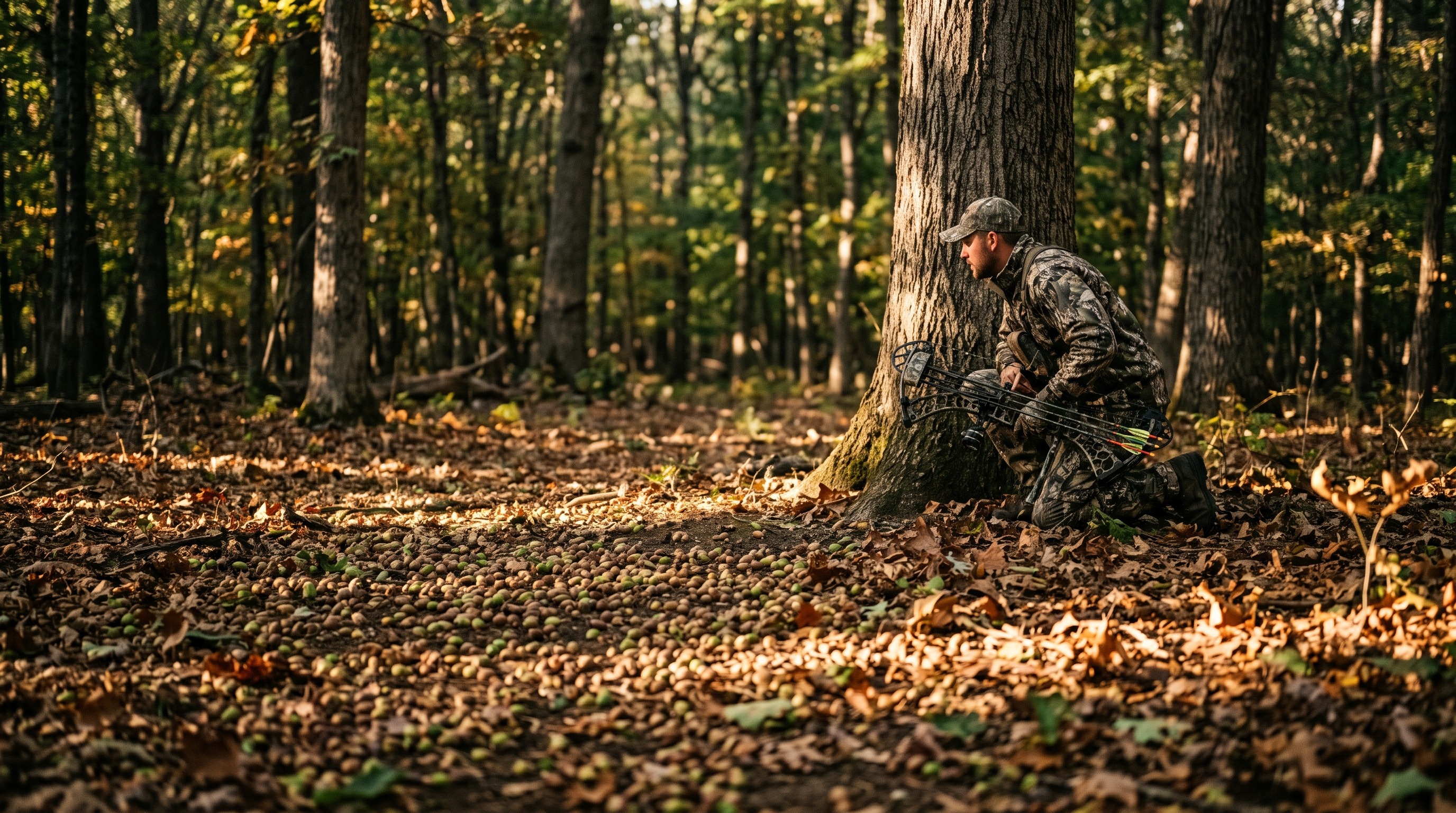
How to Hunt Whitetail Deer
The white-tailed deer is the most popular big game animal in North America, and for good reason. Whitetails are widespread, accessible, challenging, and…

The white-tailed deer is the most popular big game animal in North America, and for good reason. Whitetails are widespread, accessible, challenging, and provide excellent table fare. They are also remarkably wary, with keen senses and an uncanny ability to disappear under hunting pressure. For the beginner, learning to hunt whitetails is a rewarding, lifelong pursuit. This guide covers the fundamentals you need to get started and have success.
Understanding the Whitetail
To hunt whitetails effectively, you have to understand how they live.
- Senses. A whitetail’s nose is its primary defense, and it is extraordinary. Its hearing is sharp, and its eyes are excellent at detecting movement. Its weakness is detail and color, but it misses very little motion.
- Daily routine. Deer cycle between bedding areas where they rest and feeding areas where they eat, traveling predictable routes between the two, mostly at dawn and dusk.
- Home range. A deer, especially a doe, often lives its whole life within a relatively small area. Bucks expand their range during the rut.
- Adaptability. Whitetails thrive from deep wilderness to suburban edges and adjust quickly to hunting pressure by going nocturnal and seeking thick cover.
The hunter’s job is to insert themselves into a deer’s routine without being detected by that incredible nose.
Scouting: The Foundation of Success
You cannot consistently kill deer you haven’t located. Scouting is the most important work you’ll do.
What to Look For
- Food sources. Agricultural fields, acorns and other mast, browse, and food plots. Food drives deer movement.
- Bedding areas. Thick cover, brushy thickets, and secluded pockets where deer feel safe.
- Travel corridors. Trails, funnels, ridgelines, and pinch points connecting bedding to food.
- Sign. Tracks, droppings, rubs on saplings, and scrapes on the ground, all of which indicate deer use and, especially rubs and scrapes, buck activity.
How to Scout
- Use trail cameras to inventory deer and learn timing.
- Glass fields from a distance in the evenings.
- Walk the property in the off-season or midday to read sign without spooking deer.
- Apps with aerial maps help you identify likely funnels and bedding before you ever step into the woods.
Where and How to Set Up
Most whitetail hunting is done from a stationary position: a tree stand, ground blind, or natural ground setup.
- Hunt the transition. Set up along travel routes between bedding and feeding, not in the middle of either.
- Use funnels and pinch points. Terrain features that naturally concentrate deer movement, like a narrow strip of woods between two fields, put more deer within range.
- Play the wind, always. Choose your stand location for the day’s wind so your scent blows away from where you expect deer. This is the single most important rule of whitetail hunting.
- Have multiple stands for different wind directions so you can always hunt clean.
- Hunt the entry and exit. Plan routes to and from your stand that don’t cross bedding or feeding areas. Getting busted coming or going educates deer fast.
Beating the Whitetail’s Nose
Because scent is a whitetail’s main defense, scent management is central to deer hunting.
- Play the wind first. No scent product replaces hunting a favorable wind.
- Reduce odor. Wash hunting clothes in scent-free detergent, store them clean and away from household and food odors, and shower with scent-free soap.
- Watch thermals. In hilly terrain, warm air rises in the morning and cool air sinks in the evening, carrying your scent. Factor this into your setup.
The Seasons of the Whitetail Hunt
Whitetail behavior changes through the fall, and your tactics should change with it.
Early Season
Deer follow tight feed-to-bed patterns on summer food. Hunt food source edges in the evening and play it low-impact. Mild weather can slow daylight movement.
The Rut
The breeding season, generally in November across much of the country, is the best time to hunt a mature buck. Bucks abandon their normal patterns to search for does, moving at all hours.
- Hunt all day when you can.
- Set up near doe bedding and travel funnels where bucks cruise for does.
- Calling, with grunts and rattling, and scents can be effective when bucks are seeking and chasing.
Late Season
After the rut, deer return to a food-driven, survival mode in cold weather. Hunt the best remaining food, focus on afternoons, and hunt low-pressure thermal cover.
Calling, Rattling, and Scents
During the rut, vocalizations and scents can pull bucks into range.
- A grunt call imitates buck communication and can stop or turn a passing deer.
- Rattling antlers simulates two bucks fighting and can draw in dominant bucks, especially during the seeking and chasing phases.
- Use these tools sparingly and at the right time; overcalling can do more harm than good.
Making an Ethical Shot
Shot placement is the hunter’s most important responsibility.
- Practice year-round so you’re confident and accurate within your effective range.
- Wait for a broadside or quartering-away angle that offers a clear path to the vital area for a quick, humane harvest, and study shot placement so you know exactly where to aim.
- Stay calm, control your breathing, and squeeze the trigger or release smoothly.
- Pass any shot you’re not confident in. A clean miss is far better than a wounded deer.
After the shot, wait an appropriate amount of time, then take up the trail slowly and carefully, marking sign as you go.
Safety in the Deer Woods
- Wear blaze orange where required, and treat every firearm as loaded with the muzzle in a safe direction.
- Always use a full-body harness in an elevated stand and stay connected from the ground up.
- Identify your target completely and know what’s beyond it before shooting.
- Tell someone your hunting plan and expected return.
Field Care and Conservation
Once your deer is down, field dress it promptly and keep the meat clean and cool to ensure quality table fare. Whitetail hunters fund a huge share of wildlife conservation through licenses and gear taxes. Honor that by following bag limits and regulations, practicing fair chase, recovering every deer you shoot, and taking only what you’ll use. Healthy, balanced deer herds depend on ethical, regulated hunting.
Conclusion
Hunting whitetail deer comes down to a few fundamentals: understand how deer live, scout hard to find them, set up along travel routes, and beat that incredible nose by always hunting the wind. Adjust your tactics for the early season, the rut, and the late season, take only ethical shots, and stay safe in the woods. Master these basics, and the whitetail will give you a lifetime of challenge, tradition, and reward.
🛒 Recommended Gear on Amazon
- Deer grunt call - browse current options and reviews on Amazon.
- Scent eliminator spray - browse current options and reviews on Amazon.
- No-glow trail camera - browse current options and reviews on Amazon.
As an Amazon Associate, we earn from qualifying purchases - at no extra cost to you. This helps us keep producing free, in-depth guides.