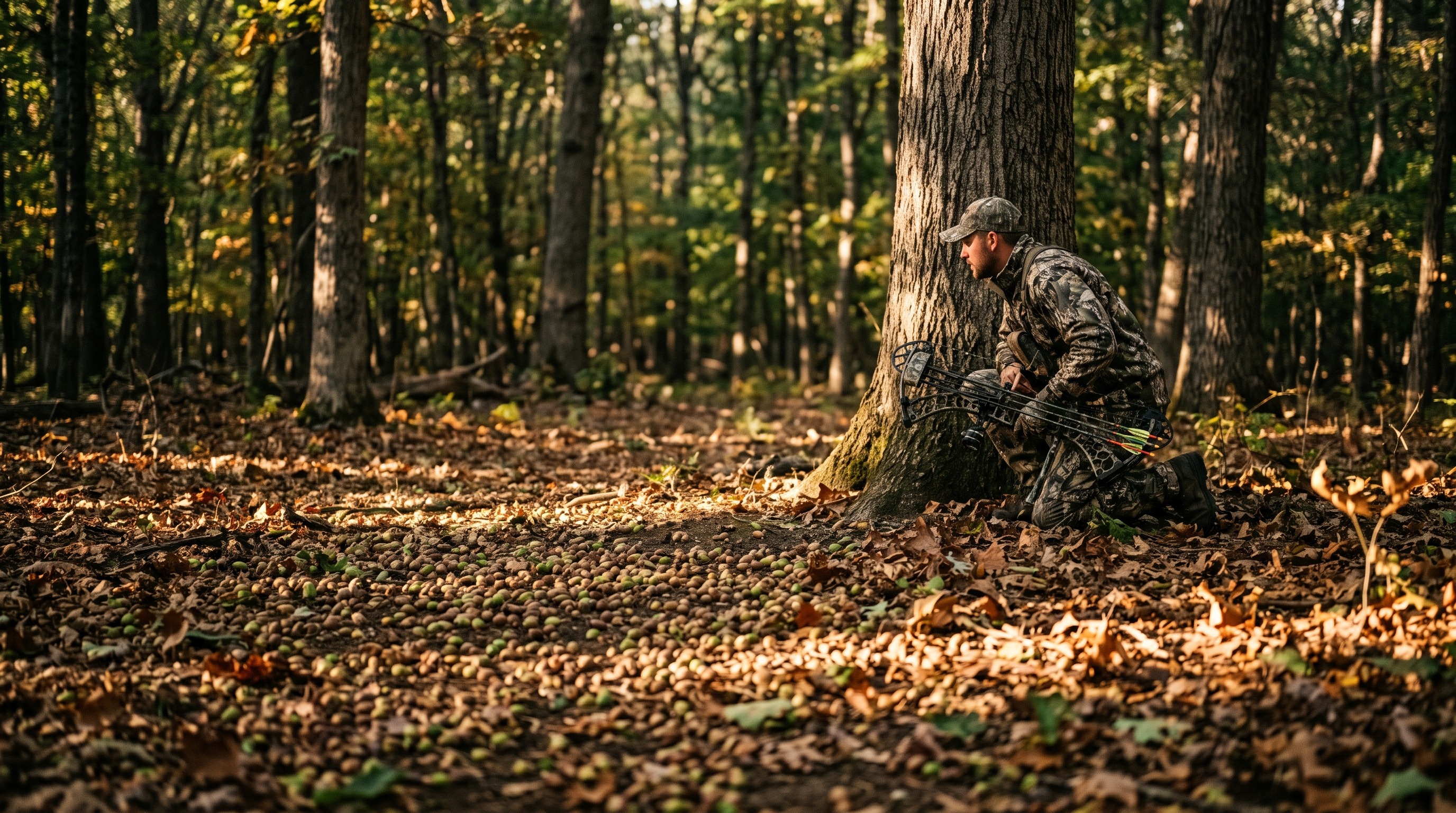
Hunting from a Tree Stand
Hunting from a tree stand is one of the most effective ways to pursue whitetail deer and other big game. Getting above an animal's normal line of sight,…

Hunting from a tree stand is one of the most effective ways to pursue whitetail deer and other big game. Getting above an animal’s normal line of sight, lifting your scent off the ground, and giving yourself a wide field of view all dramatically improve your odds. But tree stand hunting carries a serious risk that every hunter must take seriously before climbing a single foot off the ground: falls. This guide covers how to hunt from a tree stand effectively, and just as importantly, how to do it safely.
Safety First: Falls Are the Leading Danger
Let this sink in before anything else. Falls from tree stands are the leading cause of serious hunting injuries and deaths, far more so than firearms incidents. Studies of tree stand accidents consistently show that the great majority of victims were not wearing a full-body safety harness, or were not connected to the tree at the moment they fell. Most falls happen during the most overlooked moments: climbing up, climbing down, and the transition of stepping from the ladder or sticks into the stand.
You can eliminate nearly all of this risk by following a few non-negotiable rules.
Always Wear a Full-Body Safety Harness
A full-body harness, often sold as a fall-arrest system, is mandatory equipment, not optional gear. The single old-style waist belt is dangerous and outdated; a fall into a waist belt can cause serious injury on its own. Buy a quality full-body harness, read the instructions, and wear it every single time, on every single hunt.
Stay Connected from the Ground Up
The most critical concept in tree stand safety is staying tethered to the tree from the moment your feet leave the ground until the moment they return to it. Use a lineman’s-style climbing strap while hanging or ascending stands and sticks, and use a tree strap with a prusik knot or a lifeline so you are connected during the entire climb. Never be disconnected, even for a second, while you are off the ground.
Use a Lifeline
A lifeline is a rope that runs from the ground to your stand with a sliding prusik knot. You clip your harness tether to it at ground level and stay attached the whole way up and down, including the dangerous transition into the stand. If you hunt the same stands repeatedly, install lifelines and use them.
Other Essential Safety Habits
- Use a haul line. Never climb with your bow or unloaded firearm in your hands. Climb first, get settled and tethered, then haul your gear up with a rope.
- Inspect every stand and strap before the season. Straps rot, welds crack, and bolts loosen. Replace anything worn. Discard old or damaged stands.
- Tell someone your plan. Share your exact stand location and your expected return time with a reliable person.
- Carry communication and a backup plan. Keep a charged phone on your body, not in your pack. Many hunters also carry a suspension-relief strap in case of a fall, and a compact first aid kit for the injuries a fall can cause.
- Never hunt impaired or exhausted. Fatigue and poor judgment cause accidents.
- Hunt at sensible heights. You do not need to be extremely high. Many hunters do well at 15 to 20 feet, and a lower stand is easier to climb safely.
If you do nothing else from this article, wear a full-body harness and stay connected to the tree at all times. It will save your life.
Choosing the Right Type of Stand
Three main styles cover most situations.
- Hang-on (lock-on) stands: A compact platform and seat used with separate climbing sticks. Versatile and quiet, but require setup.
- Climbing stands: A two-piece stand that you “inchworm” up a straight, branch-free tree. Mobile and quick, but limited to suitable trees.
- Ladder stands: A stand attached to a built-in ladder. Stable and comfortable, popular on private land, but heavy and less portable.
Whichever you choose, follow the manufacturer’s weight limits and setup instructions exactly.
Choosing a Stand Location
A safe stand in a poor spot still goes home empty. Location is everything.
Read the Sign and the Terrain
- Look for travel corridors between bedding and feeding areas: trails, funnels, saddles, creek crossings, and field edges.
- Hunt pinch points where terrain naturally concentrates deer movement.
- Find fresh sign appropriate to the season, such as droppings, tracks, rubs, and scrapes during the rut.
Plan Around the Wind
Set up so your scent blows away from where you expect deer to travel and bed. Hang multiple stands for different wind directions, and only hunt the stand that the day’s wind allows. Hunting the wrong wind educates deer and ruins the spot.
Pick a Good Tree
Choose a healthy, sturdy tree with enough trunk diameter and, ideally, some background cover to break up your outline. Trim only the shooting lanes you need, and do it well before the season.
Hunting Effectively Once You Are Up
- Get in early. Be settled in your stand well before first light or well before the evening movement begins. Late arrivals bump deer.
- Minimize movement. Deer detect motion easily. Move slowly, plan when to draw or raise your weapon, and use the tree trunk to hide behind.
- Control your scent. Hunt the wind first. Many hunters also use scent-control clothing and keep clean gear, but nothing replaces good wind discipline.
- Stay quiet. Pad your stand to silence creaks, and keep gear from clanking.
- Be patient. Stand hunting rewards hunters who can sit still and stay alert through slow stretches. Prime movement often happens in the first and last hour of light.
- Use calls and rattling sparingly. During the rut, a soft grunt or light rattling can pull a buck within range when used with restraint. When one does step out, knowing your shot placement turns the opportunity into a clean, quick harvest.
Conclusion
A tree stand is a powerful tool for putting yourself in the right place above your quarry, but it demands respect. The effectiveness of stand hunting means nothing if you do not come home safe. Wear a full-body harness on every hunt, stay connected to the tree from the ground up, use a lifeline, and haul your gear with a rope. Then focus on smart stand placement, wind discipline, and patient, low-movement hunting. Hunt safe first and hunt smart second, and the tree stand will reward you for years to come.
🛒 Recommended Gear on Amazon
- Tree stand safety harness - browse current options and reviews on Amazon.
- Tree stand lifeline - browse current options and reviews on Amazon.
- Gear hoist rope - browse current options and reviews on Amazon.
As an Amazon Associate, we earn from qualifying purchases - at no extra cost to you. This helps us keep producing free, in-depth guides.