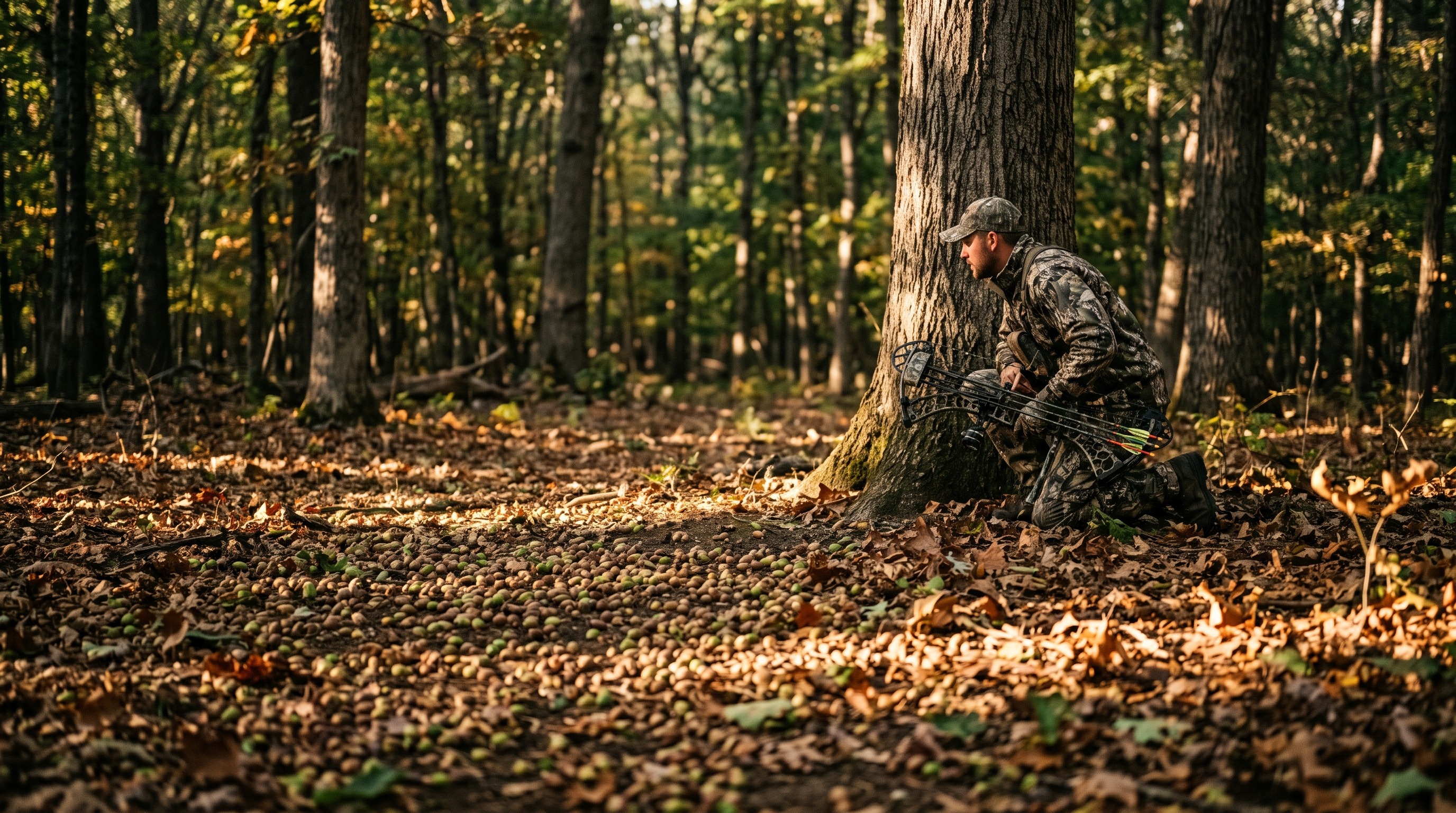
Hunting in Cold and Snow
Hunting in cold and snow is a test of preparation, judgment, and grit. When done right, it can be some of the most productive and beautiful hunting of the…

Hunting in cold and snow is a test of preparation, judgment, and grit. When done right, it can be some of the most productive and beautiful hunting of the year: animals concentrate on food, tracking becomes possible in fresh snow, and the woods take on a quiet stillness. When done wrong, cold-weather hunting becomes miserable at best and dangerous at worst. This guide will help you hunt safely, comfortably, and effectively when the temperature drops and the snow flies.
Dress for Success: The Layering System
Staying warm is not about a single heavy coat. It’s about a layering system you can adjust.
The Three Layers
- Base layer. A snug, moisture-wicking layer of merino wool or synthetic material. Never wear cotton next to your skin; it holds sweat and chills you. The base layer’s job is to move moisture away from your body.
- Mid layer. Insulation that traps warm air. Fleece, wool, or down work well. You may use more than one mid layer in extreme cold.
- Outer layer. A windproof and water-resistant shell that blocks the elements. This is what stops the wind from stripping away your warmth.
Managing Sweat
Sweat is the enemy in cold weather. Damp clothing pulls heat from your body fast. The trick is to avoid overheating on the walk in. Carry your insulating and outer layers in your pack, hike in lighter clothing, and put the warm layers on once you reach your stand and stop moving.
Protecting Extremities
Your hands, feet, and head lose heat quickly.
- Boots. Insulated, waterproof boots rated for cold, sized to allow thick or layered socks without cutting circulation.
- Hands. Heavy gloves or mittens, often paired with a hand muff. Mittens are warmer than gloves.
- Head and face. A warm hat or balaclava, since significant heat escapes from an uncovered head.
- Chemical warmers. Disposable hand and toe warmers extend your comfortable sit time dramatically.
Cold-Weather Hunting Tactics
Cold and snow change animal behavior in ways you can use.
- Animals feed more. Cold raises caloric demand, so game like the whitetail deer moves to food, often in daylight. Hunt food sources, especially in the afternoon.
- They seek thermal cover. Animals bed in conifers, cedar swamps, and on sunny south-facing slopes that block wind. Hunt the routes between this cover and food.
- Fresh snow is a tool. A fresh snowfall lets you read tracks, judge how recently animals moved, and even still-hunt slowly along fresh sign.
- The first cold snap triggers movement. A sharp drop in temperature often sparks a burst of feeding activity. Watch the forecast.
Still-Hunting in Snow
Fresh, soft snow muffles your footsteps and makes slow, deliberate still-hunting effective. Move a few steps, stop, glass thoroughly, and repeat. Snow also makes animals easier to spot against a white backdrop. Our snow tracking and layering guide goes deeper on reading fresh tracks and staying warm on long sits.
Recognize the Dangers of Cold
Cold weather is genuinely hazardous. Know the warning signs and respect them.
Hypothermia
Hypothermia sets in when your body loses heat faster than it produces it. Early signs include shivering, fumbling hands, slurred speech, and confusion. If you or a partner show these signs, stop hunting immediately, get to shelter and warmth, swap out wet clothing, and warm up with insulation and warm drinks.
Frostbite
Frostbite damages skin and tissue, usually on fingers, toes, ears, nose, and cheeks. Watch for numbness, waxy or pale skin, and a hard or cold feeling. Warm affected areas gently and seek medical help for anything beyond mild cases. Prevent it by covering exposed skin and keeping extremities dry and warm.
Other Hazards
- Ice. Frozen ponds, streams, and trails are slip and fall hazards, and ice over water can be deadly. Never trust ice you haven’t verified.
- Reduced daylight. Winter days are short. Plan your hunt and your exit so you’re not navigating unfamiliar terrain in the dark.
- Dead batteries. Cold drains phone and electronics batteries. Keep them warm in an inside pocket.
- Vehicle trouble. Make sure your vehicle is winter-ready and carry an emergency kit.
Safety Practices for Cold-Weather Hunts
- Tell someone your exact plan, location, and expected return time. In winter, a delayed rescue can be life-threatening.
- Carry the essentials. Fire-starting materials, an emergency blanket, extra food and water, a charged phone, and a basic first-aid kit.
- Hunt with a partner when possible, especially in remote or extreme conditions.
- Stay dry. Wet clothing in the cold is dangerous; avoid sweating and falling through ice.
- Mind firearm safety. Bulky gloves and stiff cold hands affect handling. Move deliberately, keep the muzzle safe, and keep your finger off the trigger until ready.
- Use your stand harness and inspect equipment, since cold makes materials brittle.
Caring for Yourself and Your Game
Bring high-energy snacks and a thermos of a hot drink to maintain warmth and morale. After a successful hunt, the cold actually helps preserve meat, but field dress promptly and keep the carcass clean and cool. Plan how you’ll get the animal out before you take the shot, because dragging through deep snow is hard work.
Fair Chase and Conservation
Cold-weather conditions can make shots and recovery harder. Take only confident, ethical shots within your effective range, identify your target and what’s beyond it, and commit to recovering every animal. Follow bag limits and regulations. Hunting through winter is a privilege; treat the resource and the conditions with respect.
Conclusion
Hunting in cold and snow rewards the hunter who prepares. Master the layering system, protect your extremities, and manage sweat to stay comfortable. Use the cold to your advantage by hunting food sources and reading fresh snow. Above all, respect the real dangers of hypothermia, frostbite, and ice. Hunt smart, hunt safe, and the winter woods will reward you with unforgettable, productive days.
🛒 Recommended Gear on Amazon
- Heated vest - browse current options and reviews on Amazon.
- Merino base layers - browse current options and reviews on Amazon.
- Hand warmers (bulk) - browse current options and reviews on Amazon.
As an Amazon Associate, we earn from qualifying purchases - at no extra cost to you. This helps us keep producing free, in-depth guides.