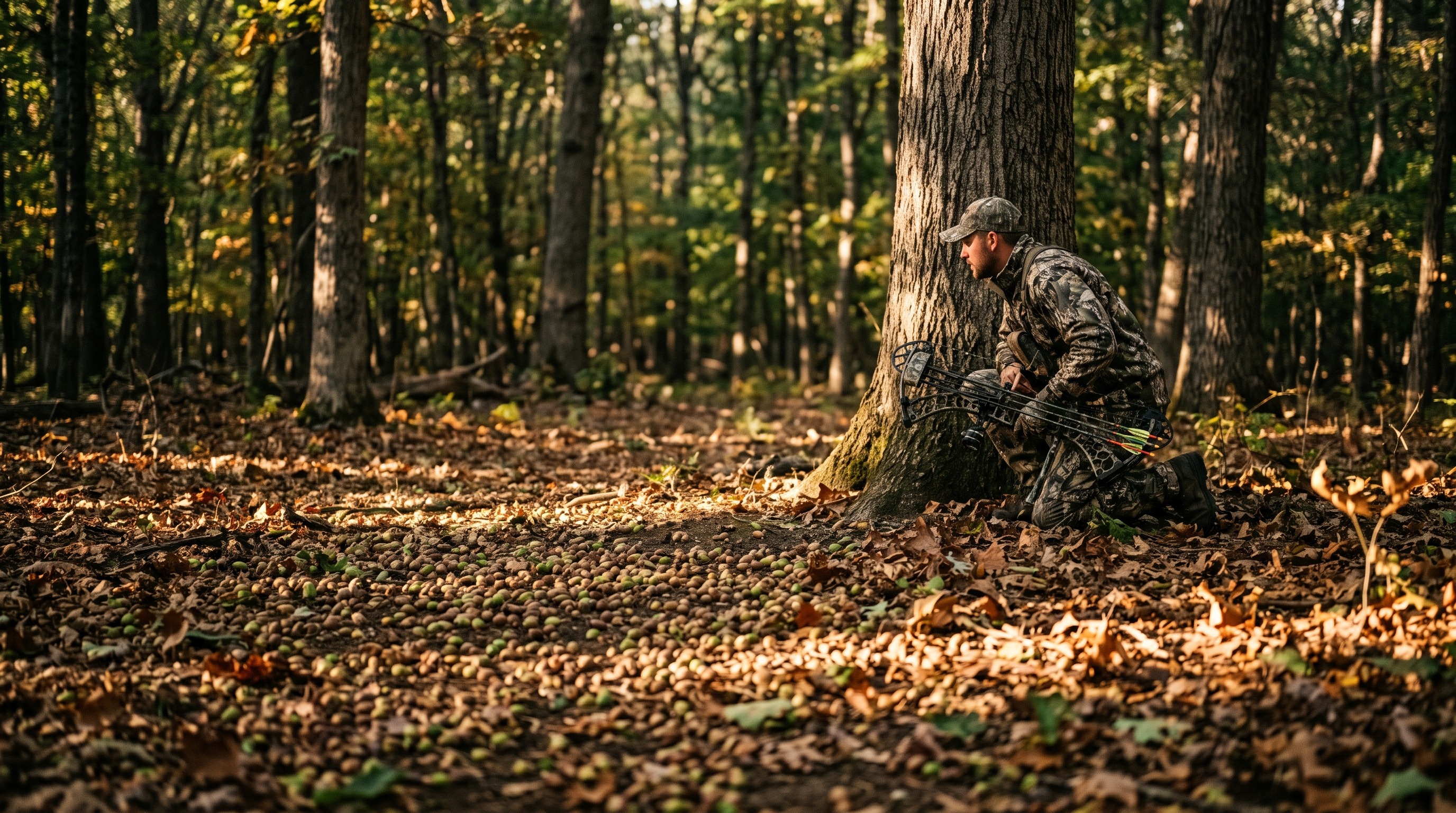
Hunting Safety: The Rules That Matter
Hunting is, statistically, a safe activity - far safer than many common sports. But that safety record isn't an accident. It exists because generations of…

Hunting is, statistically, a safe activity - far safer than many common sports. But that safety record isn’t an accident. It exists because generations of hunters built a culture of strict, non-negotiable safety habits and passed them down. Hunting deserves your respect because the consequences of carelessness are severe and permanent. Whether you’re brand new or returning after years away, this guide covers the safety rules that genuinely matter, in the field and on the way there and back. None of these rules are optional, and the best hunters follow every one of them every single time.
The Four Fundamental Firearm Safety Rules
If you hunt with a firearm, these four rules are the foundation of everything. Memorize them. Live by them. They are designed so that even if one rule is broken, the others still prevent tragedy.
- Treat every firearm as if it is loaded. Always. Even one you just unloaded. Even one a friend hands you. There is no such thing as “I thought it was empty.”
- Always point the muzzle in a safe direction. Never let it cover anything you are not willing to destroy. A safe direction depends on your surroundings - be aware of it constantly.
- Keep your finger off the trigger until you are ready to shoot. Rest it along the receiver or trigger guard until your sights are on the target and you’ve decided to fire.
- Be certain of your target and what is beyond it. Identify the animal completely before raising your firearm. Know what lies behind it, because bullets travel far and pass through.
Most serious hunting incidents trace back to breaking one of these four rules. Internalize them until they’re automatic.
Identify Your Target Beyond Any Doubt
This rule deserves its own emphasis. Never shoot at sound, movement, color, or shape. Tragedies happen when a hunter fires at something they “assumed” was game. Before you ever raise your weapon:
- Positively identify the species and confirm it’s legal.
- Confirm the sex and other tag requirements if relevant.
- See the entire animal clearly, not just a piece of it.
- Know what is behind and beyond your target.
If you are not absolutely certain, do not shoot. A missed opportunity is always recoverable. A wrong shot is not.
Tree Stand and Elevated Hunting Safety
Falls from tree stands are the leading cause of serious hunting injuries - more than firearms. If you hunt from an elevated stand (our guide on hunting from a tree stand covers the full harness-and-lifeline system):
- Always wear a full-body safety harness.
- Stay attached to the tree from the moment you leave the ground until you return, using a lifeline. Most falls happen while climbing, not while seated.
- Inspect stands, straps, and harnesses every season and retire anything worn or aged.
- Maintain three points of contact while climbing.
- Use a haul line for your gear so your hands are free to climb.
- Never hunt from a stand when overly tired, impaired, or in icy conditions.
If heights or stand maintenance worry you, a ground blind eliminates fall risk entirely.
Wear Blaze Orange
Hunter orange (also called blaze orange) is highly visible to humans but not alarming to most game animals, whose color vision differs from ours. Many states legally require it during certain seasons. Even where it isn’t required, wearing it is wise. A blaze orange vest and cap make you visible to other hunters at a distance and dramatically reduce the chance of a mistaken-for-game incident.
Be a Defensive Hunter
You can do everything right and still share the woods with someone careless. Hunt defensively:
- Assume other people are nearby, even in remote areas.
- Choose backstops - hunt where the terrain behind your likely shot is safe.
- Never swing a firearm on game across other hunters’ positions.
- Make your presence known if you sense someone approaching unaware.
Plan, Communicate, and Prepare
Many hunting emergencies become serious only because no one knew where the hunter was.
- Tell someone your plan - where you’ll park, where you’ll hunt, and when you’ll return. Then stick to it.
- Carry a charged phone and, in remote country, consider a satellite communicator.
- Pack the essentials: water, food, a first-aid kit, a headlamp, fire-starting tools, navigation, and extra layers.
- Know the weather forecast and dress for conditions, including the cold of a long, still sit.
- Learn basic navigation with map and compass as a backup to electronics.
Watch for the Hidden Hazards
Not every danger involves a weapon or a tree.
Hypothermia and Cold
Sitting still in cold, damp conditions chills you fast. Dress in layers, avoid cotton against the skin, stay dry, and recognize early warning signs like shivering and clumsiness. For deep-winter outings, see our guide to hunting in cold and snow.
Hydration and Heat
Early seasons can be hot. Carry water and pace your exertion, especially when packing out game.
Tree Stand and Terrain Falls
Watch your footing on wet leaves, loose rock, and steep ground.
Knife and Field Care
Most cuts happen during field dressing. Use a sharp knife (a dull one slips), cut away from your body, and take your time.
Water Crossings
If you hunt near water or from a boat, wear a personal flotation device and respect cold water, which is dangerous even when shallow.
Never Hunt Impaired
Alcohol and impairing substances have no place in hunting. Impairment slows judgment, reaction, and coordination - exactly the faculties safe hunting depends on. Save the celebration for after the firearms are unloaded and cased and the day is done.
Know Your Equipment
Whether you hunt with a firearm or a bow, know your gear thoroughly. Understand how it operates, keep it maintained, transport it unloaded and cased as required, and practice with it until you’re genuinely proficient. An ethical, accurate shot is also a safe one - confidence built through practice prevents rushed, risky decisions in the field.
Conclusion
Hunting’s strong safety record is the product of discipline, not luck. The rules that matter are simple to state and must be followed without exception: treat every firearm as loaded, control the muzzle, keep your finger off the trigger, and be certain of your target and beyond. Add to that strict tree stand safety, blaze orange, a shared plan, the right gear, awareness of weather and terrain hazards, and an absolute commitment to never hunting impaired. Safety is not the part of hunting that gets in the way of the experience - it’s what makes a lifetime of hunting possible. Make these habits automatic, and you’ll bring everyone home, every season.
🛒 Recommended Gear on Amazon
- Blaze orange vest - browse current options and reviews on Amazon.
- Tree stand safety harness - browse current options and reviews on Amazon.
- IFAK trauma kit - browse current options and reviews on Amazon.
As an Amazon Associate, we earn from qualifying purchases - at no extra cost to you. This helps us keep producing free, in-depth guides.