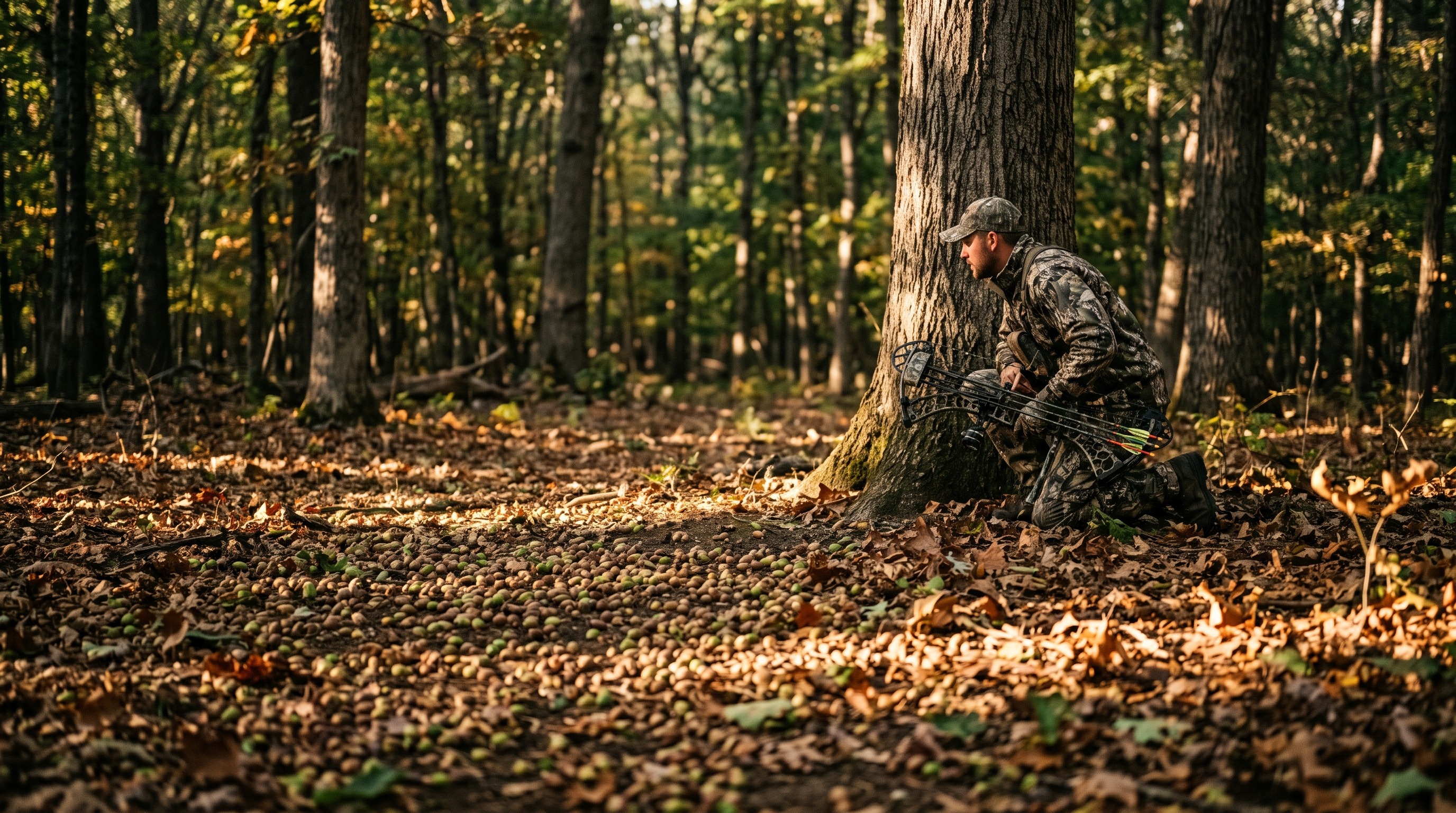
Late-Season Hunting Tactics
By the time the late season rolls around, the easy hunting is over. Animals have been pressured for weeks or months, the rut is a memory, and the woods are…

By the time the late season rolls around, the easy hunting is over. Animals have been pressured for weeks or months, the rut is a memory, and the woods are quiet and cold. Many hunters have hung up their gear. But for those willing to brave the conditions, the late season offers a genuine, if challenging, opportunity. Game behavior becomes predictable again, just in a different way, and the hunters who understand it can punch a tag when others have given up. This guide covers proven late-season tactics.
Understanding Late-Season Animal Behavior
After the rut and a long stretch of hunting pressure, whitetail deer and other game shift into survival mode. Their priorities are simple: conserve energy and find food. Cold weather raises their caloric needs at exactly the time food is scarcest.
This creates the central truth of the late season: it’s all about food again, much like the early season, but with higher stakes for the animal. Find the best remaining food source in your area and you’ve found the animals.
Hunt the Food, Especially in Cold
Late-season food sources are different from early-season ones.
- Standing crops. Unharvested corn, soybeans, or grain fields are magnets in cold weather. If you can hunt near one, you have a major advantage.
- Food plots. Brassicas, winter wheat, and similar cold-season plots draw animals when natural food is gone.
- Browse and woody cover. When deep snow buries field food, deer turn to woody browse near thick bedding cover.
Timing With the Weather
Cold drives feeding. The colder it gets, the more animals must eat, and the more they move in daylight to do it.
- Prioritize hunting the coldest days and the days just after a hard cold front or snowfall.
- Focus on the afternoon and the last hour of light, when deer move to feed before a long, cold night.
- Set up between bedding cover and the food source, on the bedding side, so you catch animals moving in the daylight window.
Find the Thermal Cover and Bedding
In bitter cold, animals seek shelter from wind and exposure.
- South-facing slopes catch winter sun and offer warmth.
- Thick conifer stands, cedar swamps, and dense brush block wind and hold heat.
- Animals bed in these thermal pockets and feed nearby, minimizing energy spent traveling.
Hunting the edges of thermal cover, on a route to food, is a high-percentage late-season strategy.
Hunt Where Pressure Is Lowest
Late-season animals are survivors that have learned to avoid people. They concentrate in places hunters don’t go.
- Look for overlooked thick cover, small woodlots, and pockets near homes or roads where hunting is limited.
- On public land, hunt farther from parking areas and trails than you did earlier in the season.
- Move quietly and keep your impact minimal; late-season animals spook easily and don’t forgive disturbance.
Beat the Cold Yourself
You cannot hunt effectively if you’re miserable. Late-season comfort is a tactic.
- Layer properly. A moisture-wicking base, insulating mid-layers, and a windproof outer shell. Avoid sweating on the walk in by carrying your outer layers and putting them on at the stand.
- Protect extremities. Insulated boots, heavy gloves or a hand muff, and a warm hat. Use chemical hand and toe warmers.
- Consider a heated, enclosed blind for the most extreme conditions; it lets you stay out longer and stay still.
- Bring food and a hot drink to keep your energy and morale up.
- Stay dry. Wet equals cold, and cold can become dangerous.
A hunter who can sit comfortably through the prime last hour will outlast one who climbs down early to warm up.
Cold-Weather Safety
The late season’s conditions demand respect.
- Know the signs of hypothermia and frostbite, and head in if you experience them.
- Tell someone your exact plan and expected return time. Help is farther away in winter.
- Watch for ice on water crossings and trails; it’s easy to fall.
- Keep your phone warm and charged; batteries die fast in the cold.
- Mind firearm and stand safety as always, and remember that gloves and bulky clothing can affect your handling, so move deliberately.
Make Clean Shots in Tough Conditions
Cold affects shooting. Bulky clothing changes your gun mount or bow draw, and shivering hurts accuracy.
- Practice in your late-season clothing before you hunt.
- Take only shots within your effective range and pass marginal opportunities.
- A clean, well-placed shot is even more important in cold weather, when blood trailing is harder and animals can travel far in thick cover.
- Identify your target fully and know what’s beyond it.
Fair Chase and Conservation
Late-season animals have survived a long, hard fall. Hunt them ethically: take only confident shots, respect bag limits, and recover every animal you harvest. Consider what your harvest goals are, and remember that healthy populations going into winter depend on hunters who exercise restraint. The cold and quiet of the late-season woods is its own reward, tag filled or not.
Conclusion
The late season separates the dedicated from the casual. Game behavior becomes readable again, centered entirely on food and thermal cover, and the woods empty of competition. Hunt the food on the coldest days, find the thermal pockets, seek out low-pressure areas, and dress to stay comfortable through the prime evening window. Pairing these ideas with the right hunting method for the conditions is what puts late-season tags on the board. Brave the cold with smart tactics and you may find the late season is the best-kept secret on the calendar.
🛒 Recommended Gear on Amazon
- Insulated hunting parka - browse current options and reviews on Amazon.
- Hand muff - browse current options and reviews on Amazon.
- Heated insoles - browse current options and reviews on Amazon.
As an Amazon Associate, we earn from qualifying purchases - at no extra cost to you. This helps us keep producing free, in-depth guides.