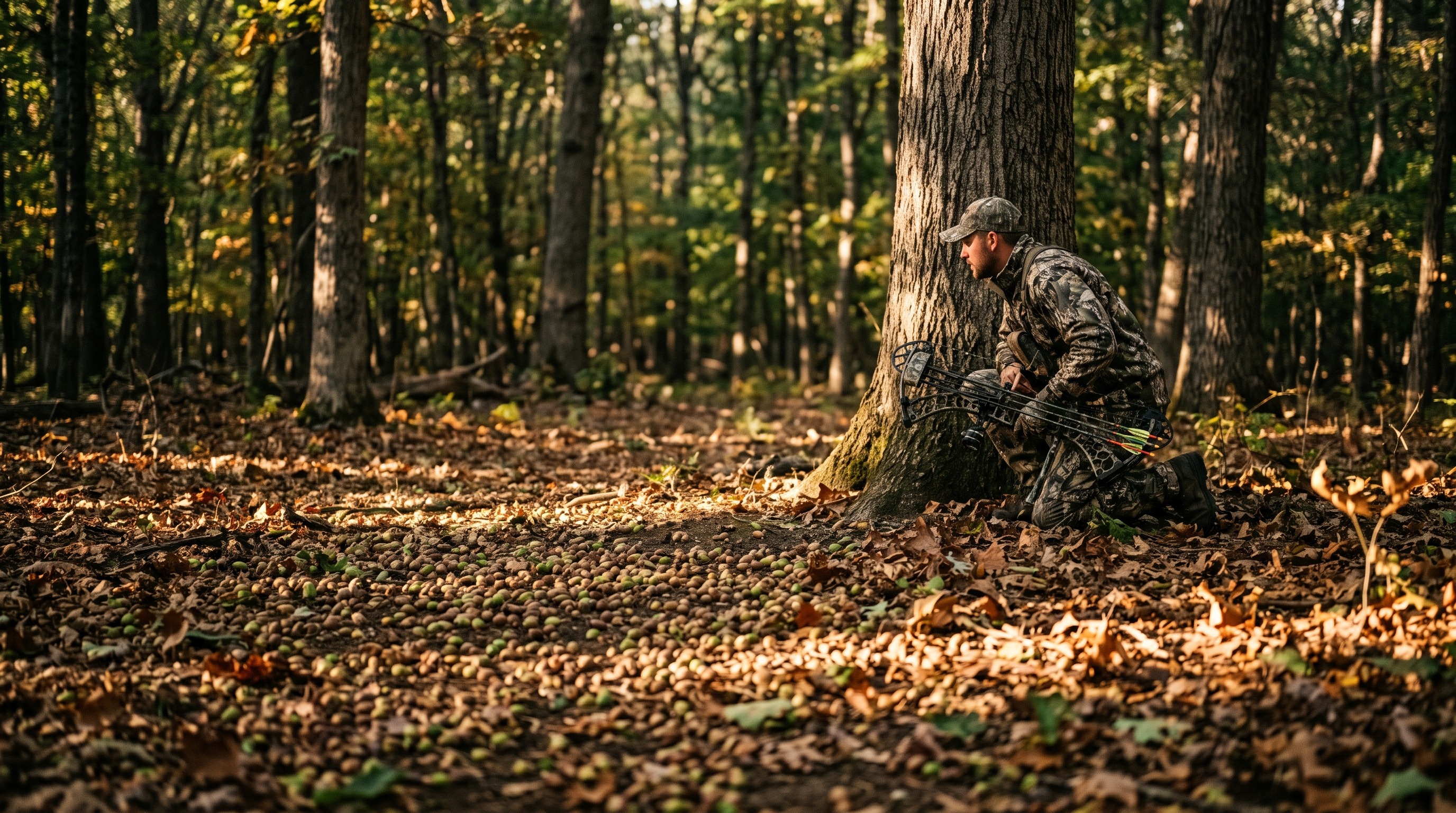
Mule Deer Hunting Out West
For many hunters, a Western mule deer hunt is a bucket-list adventure. Mule deer roam the sagebrush flats, aspen pockets, alpine basins, and broken canyon…

For many hunters, a Western mule deer hunt is a bucket-list adventure. Mule deer roam the sagebrush flats, aspen pockets, alpine basins, and broken canyon country of the American West, and pursuing them means big landscapes, long glassing sessions, and physical effort. Mule deer behave differently from whitetails, and hunting them rewards patience, sharp optics, and the willingness to cover ground. This guide will help a beginning or intermediate hunter understand mule deer, plan a hunt, and hunt them ethically.
Mule Deer vs. Whitetail
If your experience is with whitetail deer, expect some adjustments.
- Habitat: Mule deer favor open and semi-open country - sagebrush, high desert, foothills, and alpine terrain - where you can spot them at distance.
- Movement: Mule deer often use a distinctive bounding gait called “stotting.” When alarmed, they may stop and look back rather than disappearing instantly.
- Range: They live in bigger country and may shift seasonally, moving to higher elevations in summer and lower wintering grounds as snow accumulates.
- The game: Because of open terrain, mule deer hunting is largely a glassing game rather than a stand-hunting game.
Plan Your Hunt and Tags
Western tags require planning. Many states allocate mule deer tags through a draw system, and some units take years of accumulated points to draw. Other units and states offer over-the-counter tags.
- Research units. Look into harvest statistics, public-land access, terrain, and pressure.
- Understand the draw. Learn how preference or bonus points work in the states you are interested in, and apply on time.
- Know the access. Study maps of public land - national forest, BLM, and state lands - and any access easements.
- Read the regulations. Season dates, weapon types, antler restrictions, and unit boundaries all vary.
A successful Western hunt often starts a year or more in advance with research and tag applications.
Scouting and E-Scouting
Even if you cannot visit a unit before the hunt, you can scout effectively from home.
- E-scout with mapping apps. Identify likely bedding ridges, north-facing timber, water sources, feed areas, and glassing vantage points.
- Study terrain features. Mule deer love edges - where timber meets open slope, or where a basin breaks into rougher country.
- Talk to biologists. State wildlife agency biologists can offer general guidance on deer distribution and conditions.
- Arrive early. If possible, get to your unit a day or two before the season to confirm deer are where you expect.
Glassing Is the Game
The single most important skill in mule deer hunting is glassing.
- Use quality optics. Good binoculars and a spotting scope on a tripod are essential. A tripod steadies your view and dramatically increases what you see.
- Glass at first and last light. Mule deer feed in the open during the cool morning and evening hours, then bed in shade through midday.
- Be systematic. Break the landscape into a grid and pick it apart slowly. Look for pieces of a deer - an ear, an antler tip, a horizontal line in vertical brush - not whole animals.
- Glass from the shade. Position yourself with the sun at your back and stay comfortable; you may sit for hours.
The Stalk
Once you locate a buck worth pursuing, the stalk begins.
- Watch him bed. If you can, wait until a buck beds down. A bedded deer stays put, giving you a stationary target to plan around.
- Mind the wind. Mule deer have keen noses. Keep the wind in your favor for the entire stalk, even if it means a longer route.
- Use the terrain. Move through draws, behind ridges, and along cover. Note landmarks so you can relocate the bedded buck.
- Move slow and low. Close the final distance carefully, and be patient. Many stalks take hours.
- Have a backup plan. Bucks often bed near other deer; a doe or smaller buck may bust you, so plan accordingly.
Gear for the Western Hunt
- Optics: Binoculars (10x is a popular choice), a spotting scope, a tripod, and a rangefinder.
- Boots: Quality, broken-in mountain boots. Western terrain is steep and unforgiving on poor footwear.
- Layered clothing: Mountain weather swings from hot afternoons to freezing mornings; layer accordingly and pack rain gear.
- Backpack: A pack capable of hauling meat and gear. A muley is a lot of meat to carry off a mountain.
- Navigation and water: A GPS or mapping app, plus the ability to carry or filter water.
- Physical fitness: The best “gear” is your conditioning. Train with hikes and elevation before the season.
Ethical Shots and Field Care
Western country tempts hunters into long shots. Only shoot at a distance you have practiced and are confident in, and wait for a broadside or quartering-away angle where you can put the round in the right vital zone. Pass marginal opportunities - there is honor in the deer that walks because the shot was not right.
After a successful hunt, field care is urgent. Western days can be warm, and meat spoils fast. Skin, quarter, and get the meat into game bags and into shade as quickly as possible, then onto ice. Plan your pack-out before you pull the trigger, and a pack-out and meat-care checklist helps make sure nothing gets left on the mountain.
Conclusion
Hunting mule deer out West is as much about the country and the challenge as the harvest. Plan your tags early, e-scout thoroughly, invest in good optics, and commit to the glassing game. Be honest about your shooting ability, hunt the wind on every stalk, and care for your meat with urgency. Whether or not you fill your tag, days spent glassing big Western country will stay with you for a lifetime.
🛒 Recommended Gear on Amazon
- Hunting spotting scope - browse current options and reviews on Amazon.
- Spotting scope tripod - browse current options and reviews on Amazon.
- Hunting gaiters - browse current options and reviews on Amazon.
As an Amazon Associate, we earn from qualifying purchases - at no extra cost to you. This helps us keep producing free, in-depth guides.