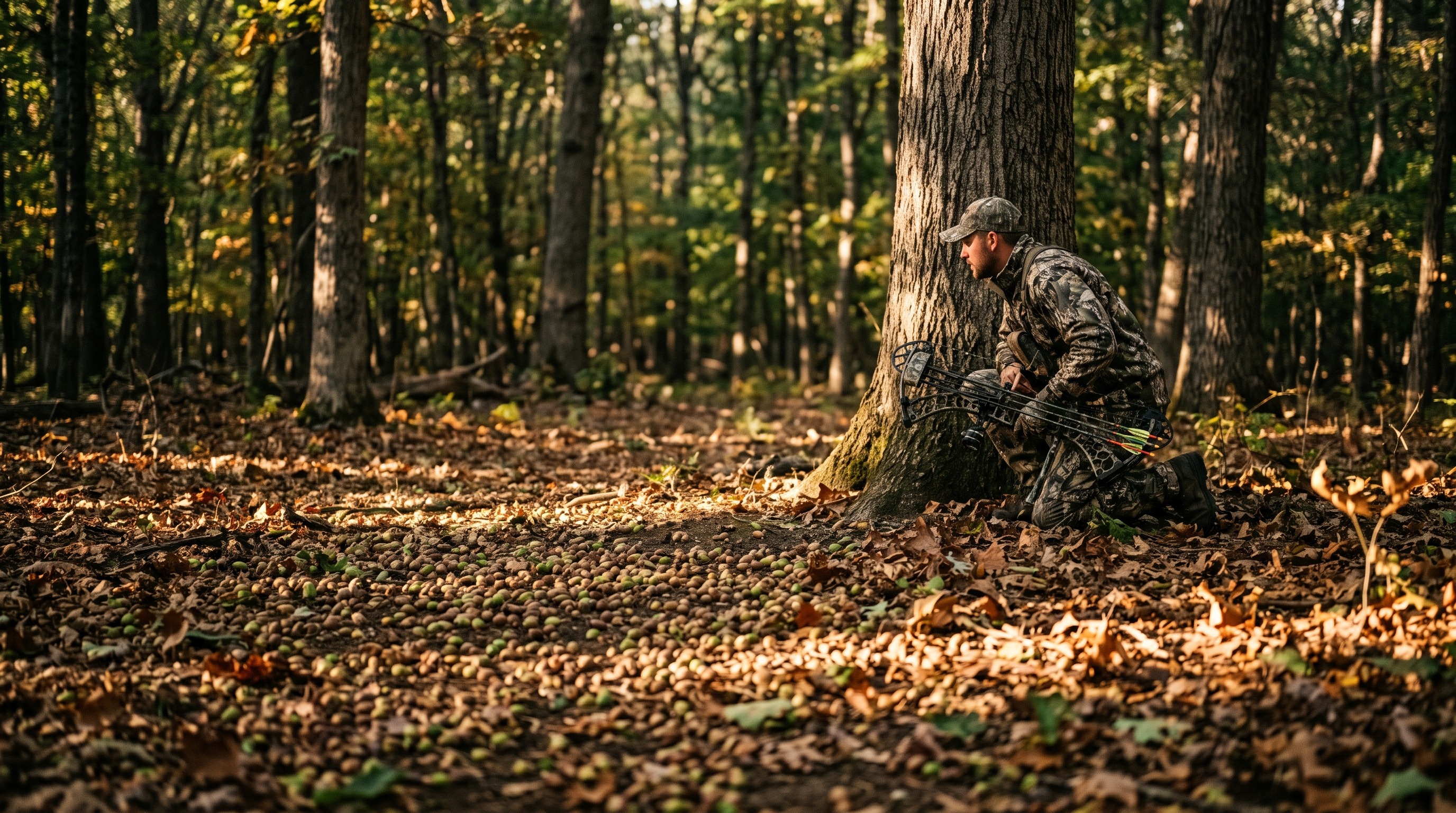
Opening Day Tactics
Opening day carries a weight no other hunt does. It's the culmination of an off-season of scouting, preparation, and anticipation. It's also, statistically,…

Opening day carries a weight no other hunt does. It’s the culmination of an off-season of scouting, preparation, and anticipation. It’s also, statistically, one of the best days of the year to fill a tag, because game animals have not yet felt hunting pressure and are still living their undisturbed late-summer patterns. But opening day rewards the prepared and punishes the careless. This guide will help you make the most of the most important day on the hunting calendar.
Why Opening Day Matters
The single biggest advantage of opening day is the element of surprise. Game animals, especially whitetail deer, have not been bumped, shot at, or pushed from bedding areas in months. They are predictable, often moving in daylight along established routes between food and cover. Within a few days, hunting pressure changes everything: animals go nocturnal, shift to thicker cover, and become far harder to pattern. That first sit is your cleanest shot at an unpressured animal, so it deserves your best effort.
Do the Work Before the Opener
Opening day success is earned in the weeks before it.
- Scout consistently. Use trail cameras, glassing sessions, and boots-on-the-ground observation to know where animals are feeding, bedding, and traveling.
- Pick your stand or blind site early. Choose a location based on the food sources, travel routes, and prevailing wind. Have a primary spot and a backup for different wind directions.
- Prep the site in advance. Hang stands, trim shooting lanes, and clear quiet walking paths well before the opener so you’re not creating disturbance the week of the hunt.
- Stay out of your best spots. In the days leading up to the opener, avoid your prime hunting area so you don’t educate the animals you’re after.
Gear Up and Check Everything
Nothing ruins opening day like equipment failure.
- Sight in your firearm or tune your bow well before the season and confirm it’s still on.
- Inspect your stand and harness. Replace worn straps and check every step and buckle.
- Lay out your kit the night before. Clothing, license and tags, knife, flashlight or headlamp, binoculars, calls, drag rope or pack, water, and snacks.
- Charge batteries for rangefinders, headlamps, and other electronics.
- Plan your transportation and field-dressing tools so you’re ready to handle an animal once it’s down.
A calm, organized morning beats a frantic scramble in the dark.
Get In Early and Undetected
How you arrive at your stand can make or break the hunt.
- Arrive well before legal shooting light. Give animals time to settle after your entry, and be ready when first light comes.
- Use a quiet, scent-conscious entry route. Walk paths that avoid bedding areas and feeding fields. Getting busted on the way in can blow the whole morning.
- Play the wind. Choose your spot for the day’s forecasted wind and commit to it. If the wind is wrong for your best stand, hunt the backup.
- Minimize light and noise. Use a dim headlamp, move slowly, and settle in quietly.
Hunt Patient and Hunt Smart
Once you’re settled, the discipline begins.
- Stay put. Opening morning movement can come at any time. Resist the urge to climb down early.
- Stay still and quiet. Animals notice movement. Limit fidgeting and use slow, deliberate motions.
- Watch and listen. Birds, squirrels, and other animals often signal approaching game.
- Manage your expectations. Even on opening day, not every sit produces. A quiet morning is still valuable scouting.
Make the Shot Count
When the moment arrives, calm execution matters.
- Identify your target completely and know what lies beyond it before you ever raise your firearm or bow.
- Wait for a clear, ethical shot within your effective range. A broadside or quartering-away angle offers the best opportunity for a quick, clean harvest, so know your shot placement cold before the season opens.
- Control your breathing, settle the sights, and squeeze rather than jerk.
- Don’t rush. Most missed or marginal shots come from haste. If the shot isn’t right, let the animal walk.
After the shot, give the animal time, then take up the trail carefully and methodically.
Safety First, Always
Opening day often means crowded woods, especially on the public land most beginners hunt.
- Wear blaze orange where required and even where it isn’t, for visibility.
- Treat every firearm as loaded, keep the muzzle in a safe direction, and keep your finger off the trigger until ready to shoot.
- Use a full-body harness in any elevated stand and stay connected.
- Be aware of other hunters and never shoot toward sound or movement you cannot positively identify.
- Tell someone your plan and your expected return time.
Fair Chase and Conservation
Opening day pressure can tempt hunters into rushed or unsafe decisions. Hold the line. Take only ethical shots, respect bag limits and property boundaries, and make every effort to recover any animal you harvest. A clean, well-placed shot honors the animal and the tradition. Restraint on opening day, including passing marginal shots and young animals if that’s your goal, sets up a great rest of the season.
Conclusion
Opening day is the payoff for an off-season of preparation. Scout thoroughly, prep your spots early, check every piece of gear, arrive undetected, and hunt with patience and discipline. When the moment comes, stay calm and make a clean, ethical shot. Whether or not you fill a tag, a safe and well-executed opening day sets the tone for the entire season.
🛒 Recommended Gear on Amazon
- No-glow trail camera - browse current options and reviews on Amazon.
- Scent eliminator spray - browse current options and reviews on Amazon.
- Hunting seat cushion - browse current options and reviews on Amazon.
As an Amazon Associate, we earn from qualifying purchases - at no extra cost to you. This helps us keep producing free, in-depth guides.