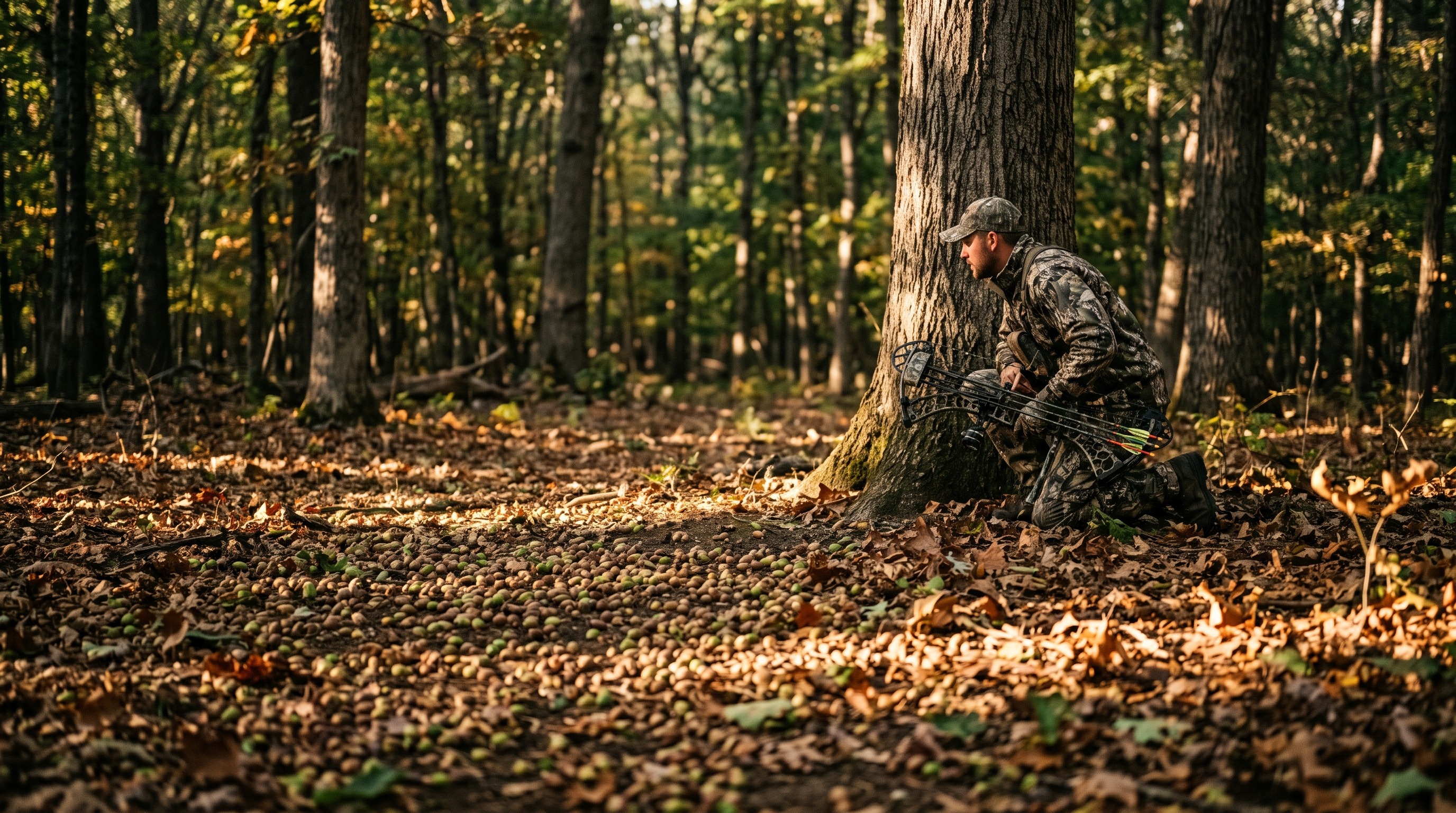
Spring Wild Turkey Hunting
Spring turkey hunting is one of the most exciting and accessible pursuits in North America. The woods are waking up, gobblers are vocal, and the game is…

Spring turkey hunting is one of the most exciting and accessible pursuits in North America. The woods are waking up, gobblers are vocal, and the game is largely about woodsmanship and patience rather than covering miles of ground. For new hunters, spring turkey season is an excellent entry point: the seasons are generous in most states, the equipment list is modest, and success hinges on skills you can practice anywhere. This guide walks you through scouting, calling, setup, and the safety habits that make for a clean, ethical hunt.
Understand the Spring Season
In spring, the breeding season drives wild turkey behavior. Toms (mature male turkeys) gobble to attract hens and to advertise their dominance. As a hunter, your job is to imitate a receptive hen and convince a gobbler to come looking for her - a reversal of nature, since hens normally go to the tom.
Most states open spring turkey season sometime between late March and May, and many split the season into youth weekends followed by general dates. Bag limits are usually one or two bearded birds. Always read your state regulations: legal hours (often a half-hour before sunrise to noon, or all day in some states), tagging requirements, and any unit-specific rules vary widely.
Scout Before You Hunt
Good scouting wins turkey hunts before opening day.
- Listen at dawn. Drive or walk to high points and listen for gobbling from the roost. Birds often roost in the same general areas night after night.
- Find sign. Look for tracks, droppings (J-shaped droppings indicate a tom), scratching in leaf litter, dusting bowls, and molted feathers.
- Locate food and travel routes. Field edges, logging roads, open hardwood ridges, and green food plots all draw turkeys. Strutting zones - open areas where toms display - are gold.
- Use a locator call. Owl hoots at dawn and dusk, or a crow call midday, can trigger a “shock gobble” that reveals a bird’s location without educating him.
The more you know about where birds roost, feed, and strut, the easier your morning setup decision becomes.
Essential Gear
You do not need a mountain of equipment, but a few items make a real difference.
- Camouflage: Full coverage matters - turkeys have superb eyesight. Cover your hands and face with gloves and a mask.
- Calls: Carry more than one type. A friction (slate or glass) call is easy to learn; a box call is loud and great for windy days; a diaphragm (mouth) call leaves your hands free for the moment of truth.
- Decoys: A single hen decoy, or a hen-and-jake combo, can pull a gobbler the final yards. Place decoys 15-20 yards away in clear view.
- Vest and seat: A turkey vest with a built-in cushion keeps you comfortable and organized.
- Optics and accessories: Compact binoculars help you confirm a beard before committing. A rangefinder removes guesswork on distance.
Calling Basics
Calling is the heart of turkey hunting, and beginners often overcall. Less is usually more.
Core Hen Sounds
- Yelp: The most versatile call - a series of two-note notes used for locating and reassuring.
- Cluck and purr: Soft, contented sounds that say “everything is fine, come on over.” Excellent for closing the deal.
- Cutting: Sharp, excited clucks that can fire up a hot gobbler.
A Simple Strategy
Start with soft yelps to gauge a tom’s interest. If he gobbles back, match his energy but resist the urge to call constantly. Once he is committed and moving your way, go quiet and let him search. A real hen does not yelp nonstop, and silence often makes an impatient gobbler close the gap.
Setting Up on a Bird
When you have a gobbler responding, your setup determines success.
- Get within range, but not too close. Try to set up 100-150 yards from a roosted bird before fly-down. Closing too far risks bumping him.
- Sit against a wide tree. Choose a trunk wider than your shoulders for a safe backstop and a comfortable rest.
- Face the expected approach. Point your shoulder toward where you think the bird will appear so you can shift your firearm or bow with minimal movement.
- Clear shooting lanes. Quietly remove sticks and brush in front of you.
- Stay still. Movement, not sound, busts most hunters. Move only when the bird’s head is behind a tree or he is in full strut.
A patient hunter who sits tight for an extra 30 minutes often tags the bird that “went quiet.”
Safety First
Spring turkey hunting puts hunters in full camo, calling like the game, often on the kind of public land where other hunters are nearby. Safety discipline is non-negotiable.
- Positively identify your target. Confirm a full bird and a visible beard before any decision to shoot. Never shoot at sound or movement alone.
- Never wear red, white, blue, or black - those are the colors of a gobbler’s head.
- Set up with a wide tree at your back so no one can approach unseen from behind.
- Carry decoys covered when walking, never exposed on your back.
- When you hear another hunter, speak in a clear, calm voice to announce yourself. Do not wave or make turkey sounds.
After the Hunt
Once you have tagged a bird, tag it immediately per your state’s rules. Field care is simple: keep the bird cool and out of the sun, and process it as soon as practical. Wild turkey is excellent table fare - the breast meat is lean and versatile, and the legs and thighs reward slow cooking.
Conclusion
Spring turkey hunting rewards preparation, patience, and woodsmanship over expensive gear. Scout hard, learn a few clean calls, set up smart, and never compromise on target identification. Whether you tag out on opening morning or simply enjoy a gobbler hammering back at your call, a spring morning in the turkey woods is one of hunting’s great experiences. Start with the fundamentals here, log time in the field, and your skills will grow season after season.
🛒 Recommended Gear on Amazon
- Turkey box call - browse current options and reviews on Amazon.
- Turkey decoy set - browse current options and reviews on Amazon.
- Turkey hunting vest - browse current options and reviews on Amazon.
As an Amazon Associate, we earn from qualifying purchases - at no extra cost to you. This helps us keep producing free, in-depth guides.