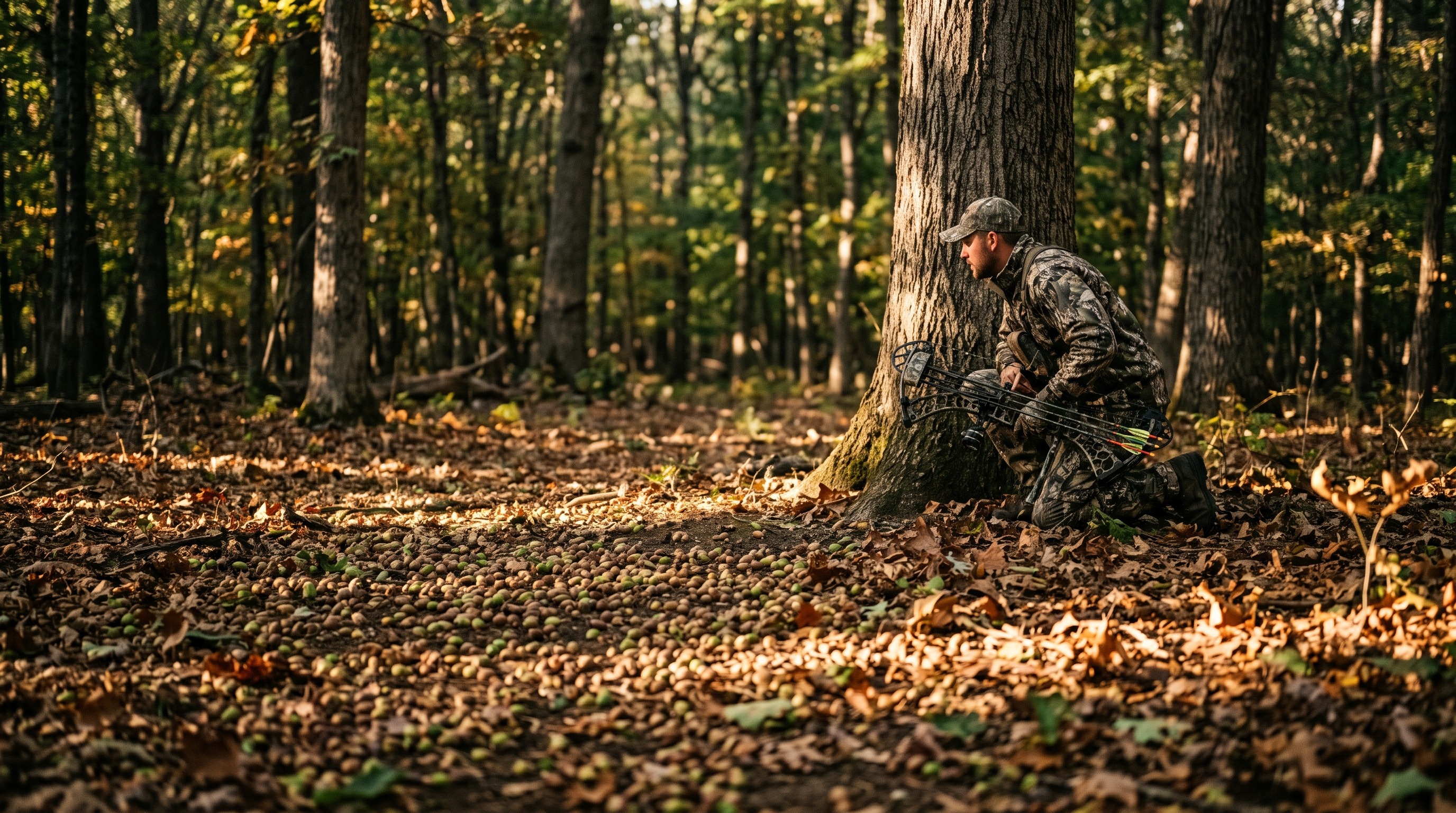
Squirrel and Rabbit Hunting
If you want to become a better hunter, start with small game. Squirrels and rabbits are abundant, widely distributed, and pursued with simple, affordable gear.…

If you want to become a better hunter, start with small game. Squirrels and rabbits are abundant, widely distributed, and pursued with simple, affordable gear. Seasons are long and generous, public-land opportunity is everywhere, and the skills you build - moving quietly, reading sign, shooting accurately, and processing game - carry directly into big-game hunting. For new hunters and families introducing kids to the outdoors, small game is the perfect classroom. This guide covers how to get started on squirrels and rabbits.
Why Small Game Is the Best Starting Point
- Abundance: Squirrels and rabbits are common across most of the country, including near towns and cities.
- Long seasons and generous limits: You can hunt many days a year, which means more practice.
- Affordable, simple gear: A modest setup gets you into the field.
- Real skill-building: Stalking, still-hunting, and marksmanship transfer to every kind of hunting.
- Excellent eating: Both squirrel and rabbit are flavorful, lean, and time-tested table fare.
Squirrel Hunting
Squirrels - gray and fox squirrels in particular - live in hardwood forests wherever mast-producing trees grow.
When to Hunt
Squirrels are most active early in the morning and again in late afternoon. They feed heavily in fall when nuts drop. Cool, calm mornings are ideal; squirrels are quiet and hard to locate on windy days.
Two Proven Methods
- Still-hunting: Move through the woods slowly and deliberately, taking a few steps, then stopping to look and listen for several minutes. Watch for movement and listen for the sound of cuttings dropping or claws on bark.
- Sit-and-wait: Find a productive area - a stand of hickories or oaks with fresh cuttings on the ground - sit quietly with your back to a tree, and let the woods settle. Squirrels resume activity within 15-20 minutes.
Reading Squirrel Sign
- Cuttings: Fresh nut shell fragments under a tree signal recent feeding.
- Leaf nests (dreys): Clumps of leaves high in branches.
- Den trees: Hollow trees with worn entrance holes.
- Sound: Barking squirrels, rustling leaves, and the patter of falling cuttings all give birds away - listen as much as you look.
Rabbit Hunting
Eastern cottontail rabbits thrive in brushy, edge habitat - the messy, transitional cover between woods and field.
Where to Find Rabbits
Look for thick, low cover: brush piles, briar thickets, overgrown fencerows, weedy field edges, and CRP fields. Rabbits stay close to escape cover and rarely venture far from it.
Two Proven Methods
- Walking and kicking: Walk slowly through brushy cover, pausing often. Rabbits hold tight and bolt when they think they have been spotted. Stomping brush piles and stepping into thick cover puts rabbits up. Hunting with a partner increases your odds.
- Hunting with beagles: A classic tradition. Beagles trail a jumped rabbit, which characteristically runs in a wide circle and returns near where it started. Hunters stand quietly and wait for the rabbit to come back around.
When to Hunt
Rabbits are most active early and late and often hunker down in midday. Many hunters favor cold, crisp days after a frost, and a light snow makes tracking and spotting easier.
Gear for Small Game
You do not need much to start.
- Optics: Not essential, but a compact pair of binoculars helps spot a still squirrel against the bark.
- Clothing: Comfortable, durable, weather-appropriate clothing. Blaze orange is required in many states and always a smart choice.
- Boots: Sturdy, comfortable boots - you will cover ground and push through brush.
- Game vest or bag: A small-game vest with a game pouch carries harvested animals and gear.
- Knife: A small, sharp knife for field dressing.
- A hunting partner or dog: Both make small-game hunting more effective and more fun.
Safety and Ethics
Small game is a great place to build lifelong safety habits.
- Treat every firearm as loaded and keep the muzzle pointed in a safe direction at all times.
- Be sure of your target and what is beyond it. Small game is often hunted near homes and roads; know your backstop.
- Wear blaze orange for visibility, especially when hunting with a partner or pushing brush.
- Communicate with partners. Know where everyone is at all times when walking up rabbits.
- Take only ethical shots within range and pursue any wounded animal to recover it.
- Respect bag limits and seasons, and get permission before hunting private land.
Caring for the Meat
Field dress squirrels and rabbits promptly and keep the meat cool, especially in early-season warmth. Wear gloves when handling game, and cook the meat thoroughly. Both squirrel and rabbit are excellent in slow-cooked dishes - braises, stews, and dumplings - where the lean meat becomes tender. Always cook small game to a safe internal temperature.
Conclusion
Squirrel and rabbit hunting offers the most accessible, affordable, and skill-rich path into hunting. The seasons are long, the game is abundant, and every outing sharpens the woodsmanship and marksmanship that make a complete hunter. Grab a partner or a dog, find some hardwood timber or a brushy fencerow, and head afield. Small game is where great hunters are made.
🛒 Recommended Gear on Amazon
- Small game hunting vest - browse current options and reviews on Amazon.
- Rimfire scope - browse current options and reviews on Amazon.
- Game shears - browse current options and reviews on Amazon.
As an Amazon Associate, we earn from qualifying purchases - at no extra cost to you. This helps us keep producing free, in-depth guides.