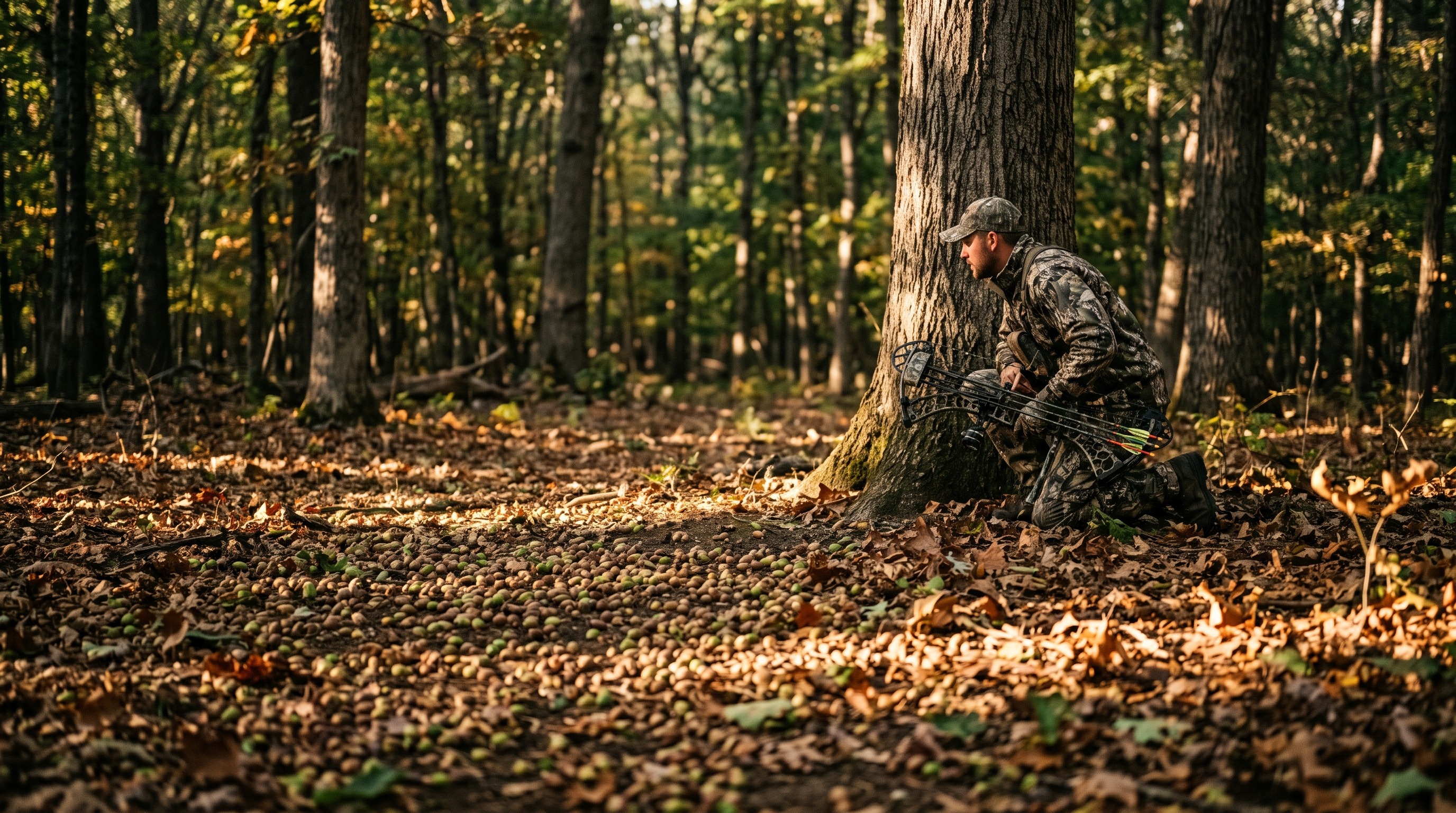
Still Hunting: Moving Slow
Still hunting is one of the oldest and most misunderstood hunting techniques. The name confuses people, because still hunting does not mean sitting still. It…

Still hunting is one of the oldest and most misunderstood hunting techniques. The name confuses people, because still hunting does not mean sitting still. It means moving so slowly and deliberately through the woods that you become almost invisible, spotting animals before they spot you. Done right, it is a chess match played at a snail’s pace, and it puts you in control of where and how you hunt. For hunters who get restless in a stand or hunt timbered country where long-range glassing is impossible, still hunting is an essential skill. This guide explains how to do it well.
What Still Hunting Really Means
Still hunting is the art of slipping through cover at an extremely slow pace, stopping frequently, and using your eyes and ears to detect game before it detects you. It is best suited to:
- Thick timber, brush, and rolling wooded terrain where you cannot see far.
- Whitetail deer, black bear, elk in timber, and other animals in close-cover country.
- Conditions that quiet your footsteps, such as damp leaves, fresh snow, or wind in the trees.
The core idea is simple: an animal that is moving is far easier to see than a hunter who is moving slowly enough to look like part of the forest. Your goal is to be the quieter, more patient predator.
The Golden Rule: Go Slower Than You Think
If there is one principle that defines successful still hunting, it is this: you are moving far too fast. Most hunters who try still hunting walk at a normal hiking pace and call it slow. True still hunting can mean covering only a few hundred yards in an hour.
A good rhythm looks like this:
- Take a few quiet steps, then stop.
- Stand still and look for a full minute or more, often much longer.
- Study the cover before you move again.
- Repeat.
You should spend far more time standing still and looking than you spend walking. The walking is just repositioning between observation points.
How to Move Quietly
Noise is the still hunter’s enemy. Every snapped twig and rustled leaf broadcasts your presence.
- Watch your feet. Look at the ground before each step and place your foot carefully, rolling from the outside edge or heel to toe.
- Step on quiet ground. Choose bare dirt, moss, damp leaves, and snow over dry leaves and sticks.
- Use the wind and weather. Move during gusts that cover your sound, and take advantage of rain or wet conditions that soften the forest floor.
- Wear quiet clothing. Soft fleece, wool, or brushed fabrics are far quieter than stiff, slick synthetics that scrape against brush.
- Move with your whole body relaxed. Tension makes you clumsy. Slow, fluid movement is quieter.
How to See Game Before It Sees You
Still hunting rewards hunters who train their eyes to pick animals apart from the background.
Look for Parts, Not Whole Animals
Animals in cover rarely appear as a clear, complete shape. Train yourself to spot:
- A horizontal line in a world of vertical trunks (an animal’s back or belly).
- The flick of an ear or tail.
- A patch of color, the black of a nose, or the shine of an eye.
- The fork of an antler against brush.
Use Your Ears
Hearing detects animals you cannot yet see. Listen for footsteps in leaves, the crunch of feeding, branches breaking, or the soft sounds animals make moving through cover. Pause and pinpoint the direction before continuing.
Scan in Layers
When you stop, look near, then mid-range, then far. Look under brush and into shadows, not just at eye level. Then look again. Animals materialize when you give your eyes time.
Hunt the Wind
Still hunting puts you on the move, so wind management is constant. Always hunt into the wind or with a quartering crosswind so your scent blows behind you. If the wind shifts, change your direction of travel to match. Hunting downwind through good cover is wasted effort, because animals ahead will smell you long before you see them.
A practical approach is to plan your route around the wind first, then around the terrain and likely animal locations second.
Where and When to Still Hunt
- Edges and transitions: Still hunt the seams between bedding cover and feeding areas, along creek bottoms, benches, and field edges.
- During the day: Mid-morning and midday can be productive, when animals are bedded and stationary and stand hunting slows down.
- In bad weather: Wind and light rain or snow quiet your steps and keep animals from hearing you.
- After fresh snow: Snow muffles sound, reveals tracks, and makes animals stand out.
Plan a route that lets you move into the wind through good cover, and give yourself plenty of time. A short loop hunted properly beats a long loop hunted in a hurry.
Combining Still Hunting with Other Tactics
Still hunting blends naturally with other hunting methods. You might still hunt slowly toward a known bedding area, then sit and watch for an extended period before moving again. You can still hunt between stand sites, or use it to relocate after a morning sit. Some hunters carry calls and pause to make a soft grunt or bleat during long stops. The technique is flexible, which is part of its appeal.
Common Mistakes
- Moving too fast. The number one error, every time.
- Looking at the ground too much. Watch your feet to step, but spend most of your attention scanning ahead.
- Hunting the wrong wind. A single bad wind ruins the whole effort.
- Giving up too soon at each stop. The animal you walk away from may have been seconds from stepping into view.
- Hunting noisy ground. Dry, crunchy leaves make quiet movement nearly impossible. Wait for better conditions.
Conclusion
Still hunting is a deeply rewarding way to hunt because it puts woodsmanship front and center. There is no stand to climb and no vehicle to drive, just you, the wind, and your ability to move slowly and see clearly. Be patient beyond what feels natural, hunt the wind without exception, and train your eyes to find the small details that give an animal away. Master the discipline of moving slow to see more, and you will discover one of the most engaging and self-reliant skills in hunting.
🛒 Recommended Gear on Amazon
- Quiet fleece camo jacket - browse current options and reviews on Amazon.
- Wind checker - browse current options and reviews on Amazon.
- Compact hunting binoculars - browse current options and reviews on Amazon.
As an Amazon Associate, we earn from qualifying purchases - at no extra cost to you. This helps us keep producing free, in-depth guides.