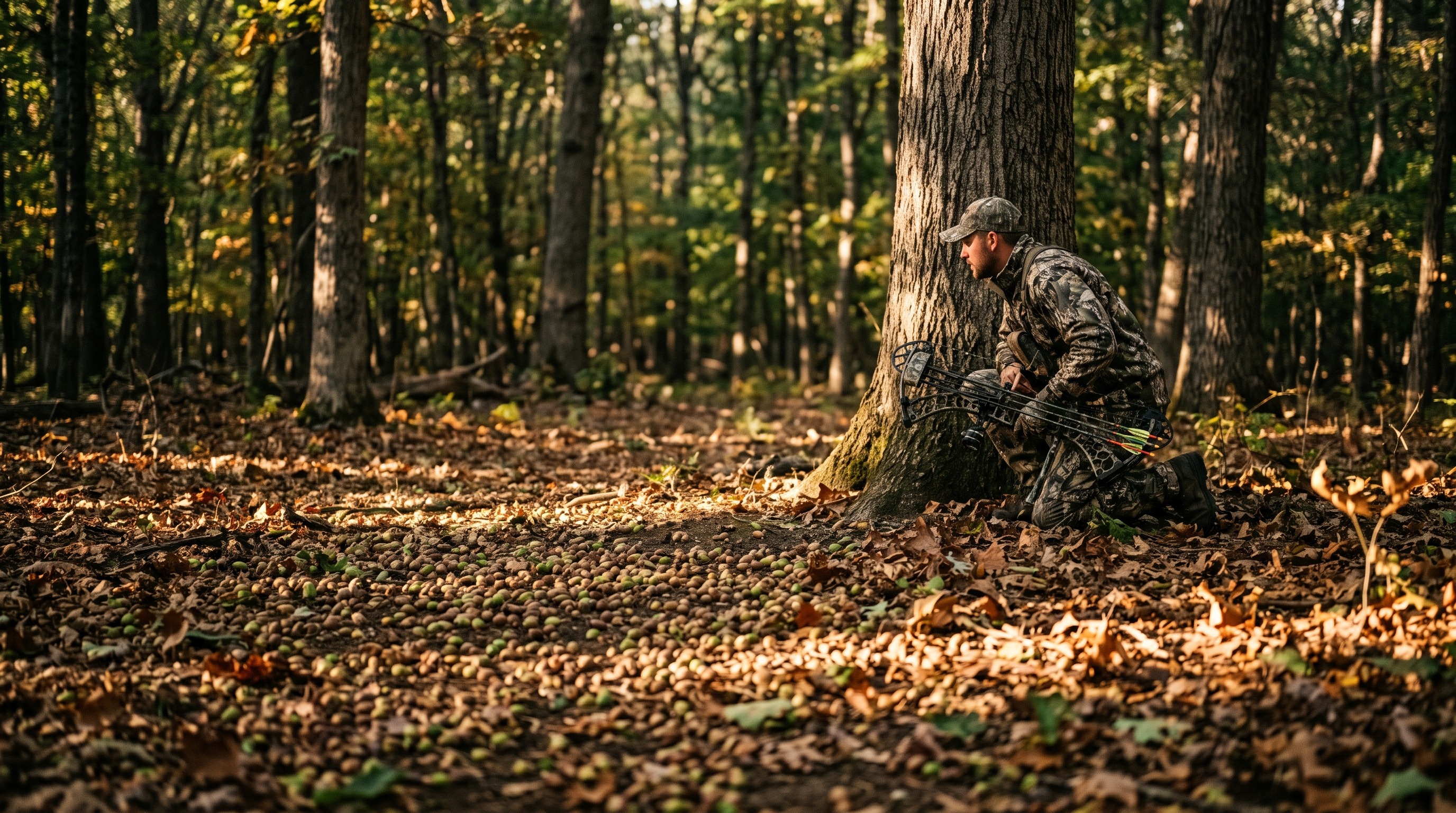
Thermal & Night Vision for Predators
Predators do most of their hunting after dark, and so do the people who pursue them. Coyotes, hogs, and other nuisance animals are largely nocturnal, and in…

Predators do most of their hunting after dark, and so do the people who pursue them. Coyotes, feral hogs, and other nuisance animals are largely nocturnal, and in many states they are legal to hunt at night where daytime opportunities are limited. Thermal and night vision optics have transformed this kind of hunting, turning a near-impossible task into a practical and effective management tool. But the technology can be confusing and expensive, and the marketing rarely explains what you actually need. This guide breaks down how thermal and night vision work, the differences between them, and how to choose gear that fits your hunting and your budget.
Always Check the Law First
Night hunting regulations vary dramatically from state to state and even county to county. Before you buy anything, confirm:
- Whether night hunting is legal in your state and for which species.
- Whether thermal and night vision optics are permitted (some states restrict them).
- Whether artificial light, including infrared illuminators, is allowed.
- Season dates, permit requirements, and any restrictions near roads or residences.
When in doubt, contact your state wildlife agency directly. Regulations change, and the responsibility to know them is yours.
How the Two Technologies Differ
Thermal and night vision solve the same problem, seeing in the dark, but they do it in completely different ways.
Thermal Imaging
Thermal devices detect heat rather than light. Every warm-blooded animal glows against a cooler background, which makes thermal exceptional for detecting animals. A coyote crossing a field hundreds of yards away appears as a bright shape even in total darkness, fog, or light brush.
- Strengths: unmatched detection, works in zero light, sees through light cover and haze, no illuminator needed.
- Weaknesses: less detail for identification, higher cost, image looks “painted” rather than natural.
Night Vision
Night vision amplifies existing light, including starlight, moonlight, or infrared illumination. The image looks more like a traditional, detailed picture in shades of green or white.
- Strengths: better detail and target identification, generally lower entry cost, more natural-looking image.
- Weaknesses: needs some light or an IR illuminator, struggles in total darkness without one, performance drops in fog.
The practical takeaway: thermal finds animals, night vision helps you identify and confirm them. Many serious predator hunters carry a thermal monocular for scanning and use either a thermal or night vision scope for the shot.
Scanners vs. Weapon-Mounted Optics
You will see two main categories of device.
Handheld Monoculars and Scanners
A handheld thermal monocular is often the smartest first purchase. It lets you scan large areas, locate animals, and decide whether to set up, all without pointing a weapon. Pulsar, ATN, and AGM all make popular handheld units.
Weapon-Mounted Scopes
A dedicated thermal or night vision scope mounts like a traditional riflescope and is used for the shot. These are the most expensive pieces of the system. Quality matters here, both for image clarity and for holding zero under recoil.
A common, cost-effective setup for beginners is a quality handheld thermal monocular for scanning paired with a more modest weapon optic, rather than spending everything on one device.
What the Specs Actually Mean
Cutting through the jargon helps you compare devices honestly.
- Resolution (sensor): Thermal sensors are commonly 256x192, 384x288, or 640x480. Higher resolution means a clearer, more detailed image and better identification, especially at distance.
- Refresh rate: Measured in hertz (Hz). A 50Hz or 60Hz refresh rate produces smooth motion, important for tracking moving predators. Lower rates look choppy.
- Detection range: Marketing “detection range” numbers mean you can see something warm, not that you can identify or ethically shoot it. Real identification range is always much shorter.
- Base lens / objective: A larger objective lens generally improves range and image quality but adds size and cost.
- Battery life: Cold weather drains batteries fast. Carry spares and look for devices with swappable batteries.
Reputable Brands
You do not need obscure imports. Well-known names with strong support and warranties include:
- Pulsar (Axion, Thermion, Helion lines) - premium thermal optics.
- ATN (ThOR, X-Sight series) - feature-rich units, including some at lower price points.
- AGM Global Vision - competitive thermal and night vision across budgets.
- Trijicon (electro-optics) - high-end thermal.
- Vortex - known primarily for traditional optics, with a growing digital lineup.
Buy from an authorized dealer, register your product, and keep your paperwork.
Field Tips for Night Predator Hunting
- Scan slowly. Sweep methodically and pause often. Animals appear and disappear behind cover.
- Hunt the wind. Thermal does not defeat a predator’s nose. Set up so animals approach from upwind or crosswind.
- Learn heat signatures. Practice identifying animals by shape, gait, and behavior, not just by a hot blob. Positive identification before any shot is non-negotiable.
- Mind your background. At night you cannot always see what is beyond your target. Know your terrain, your landowner boundaries, and where homes and roads sit.
- Pair calling with optics. An electronic predator call brings coyotes into range; thermal lets you watch them commit.
- Protect your gear. These devices are sensitive electronics. Use lens caps, padded cases, and dry storage.
Budgeting Realistically
Entry-level thermal monoculars start in the mid-hundreds of dollars, while capable scanners and scopes climb well into the thousands. Resist the urge to buy the cheapest possible unit; a weak sensor and choppy refresh rate will frustrate you and may lead to poor identification. If your budget is limited, prioritize a good handheld scanner first and add a weapon optic later.
Conclusion
Thermal and night vision have made ethical, effective predator hunting possible long after sunset, and they are valuable tools for landowners managing predator and varmint pressure. Understand the difference between the technologies, buy from reputable brands, and never let the gear tempt you into a shot you cannot make safely or identify with certainty. Know your local laws, hunt the wind, and treat positive identification as the line you never cross. Do that, and night optics become one of the most capable additions to your hunting kit.
🛒 Recommended Gear on Amazon
- Thermal monocular - browse current options and reviews on Amazon.
- Digital night vision monocular - browse current options and reviews on Amazon.
- Night vision head mount - browse current options and reviews on Amazon.
As an Amazon Associate, we earn from qualifying purchases - at no extra cost to you. This helps us keep producing free, in-depth guides.