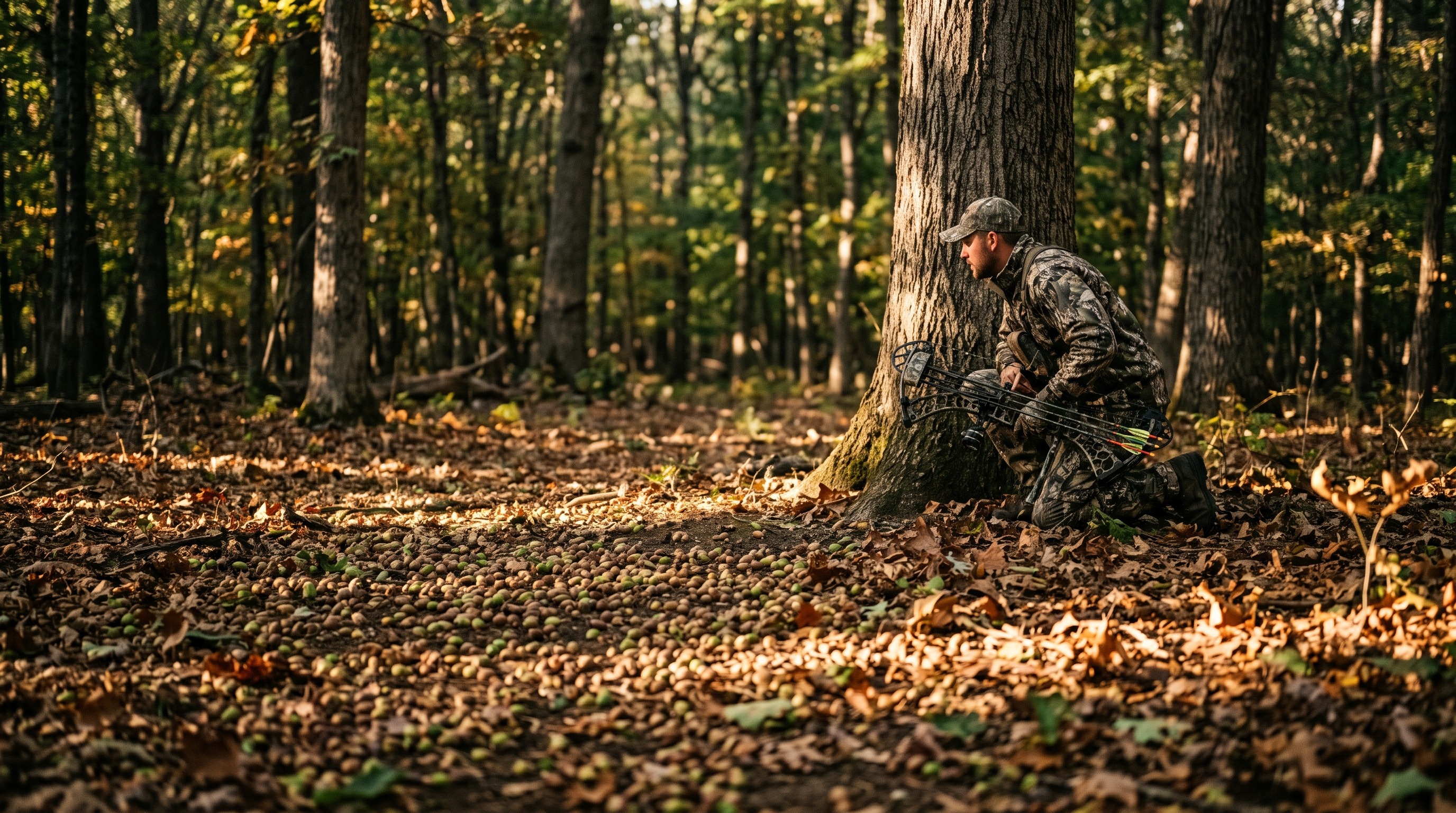
Waterfowl Hunting Basics
Few experiences in the outdoors match the thrill of watching a flock of mallards cup their wings and drop into your decoy spread as the sun breaks over a…

Few experiences in the outdoors match the thrill of watching a flock of mallards cup their wings and drop into your decoy spread as the sun breaks over a marsh. Waterfowl hunting is a tradition steeped in conservation, camaraderie, and patience. But for the beginner, it can feel intimidating: there’s gear, regulations, dog work, calling, and weather to learn. This guide walks you through the fundamentals so you can start your first season safe, legal, and confident.
Understanding the Legal Requirements
Before you ever load a shell, you need to square away the paperwork. Waterfowl are migratory birds protected under federal law, which means hunting them involves more red tape than chasing resident game.
- Federal Duck Stamp. Every waterfowl hunter age 16 and older must purchase and carry a current Federal Migratory Bird Hunting and Conservation Stamp, commonly called the “duck stamp.” It’s available at many post offices, online, and through some retailers. Ninety-eight cents of every dollar goes directly to conserving wetland habitat through the National Wildlife Refuge System.
- HIP registration. You must register with the Harvest Information Program (HIP) in every state where you hunt migratory birds. Registration is free and usually done when you buy your state hunting license. The data helps biologists set sustainable season frameworks.
- State license and stamps. A standard state hunting license is required, and many states sell an additional state waterfowl stamp.
- Non-toxic shot. Lead shot is illegal for hunting waterfowl nationwide. You must use approved non-toxic loads such as steel, bismuth, or tungsten alloys. This rule protects birds and other wildlife from lead poisoning.
Keep these documents with you in the field. Game wardens routinely check waterfowl hunters, and missing a duck stamp or HIP registration can mean a hefty fine.
Essential Gear for Beginners
You do not need a boat full of equipment to get started, but a few items are non-negotiable.
Clothing and Concealment
Waterfowl hunting often means cold, wet, and windy conditions. Layer with a moisture-wicking base, an insulating mid-layer, and a waterproof outer shell. Quality waders, either chest-high or hip, keep you dry in flooded fields and marshes. Insulated, waterproof gloves and a warm hat round out the kit.
Camouflage should match your environment, whether that’s marsh grass, cornfield stubble, or timber. Concealment matters more than perfection: birds spook at movement and unnatural shapes, so a face mask and the discipline to stay still go a long way.
Decoys
A modest spread of a dozen to two dozen decoys is plenty for most beginners. Buy decoys that match the species you’re targeting, mallards and Canada geese being the most common starting points. Pay attention to how you rig them so they ride naturally in current or wind.
Calls
A basic single-reed or double-reed duck call and a goose call will cover most situations. You don’t need to be a champion caller, just competent. More on that below.
Other Necessities
- A safe, properly fitted shotgun with non-toxic loads
- Eye and ear protection
- A blind bag for shells, calls, snacks, and a headlamp
- A way to retrieve birds, whether a trained dog or a long-handled net
Reading the Birds and the Weather
Waterfowl hunting rewards hunters who understand bird behavior. The ducks and geese you pursue move on weather and feeding patterns.
- Cold fronts push new birds south and get them flying. The day a front arrives is often a banner day.
- Wind keeps birds moving and makes decoys look lively. Calm, bluebird days are notoriously tough.
- Feeding times typically peak in the early morning and again before dusk. Scouting where birds want to be is the single most important thing you can do.
Set up so birds approach into the wind, since they land facing it. Leave an open landing zone, often called the “hole,” in your decoy spread where you want birds to commit.
Calling Without Overdoing It
New hunters tend to call too much and too loudly. Use calling to get a bird’s attention and to reassure approaching flocks, then ease off as they work closer. A few key sounds will carry you:
- The greeting call, a descending series of quacks, to turn distant birds
- The feeding chuckle, a soft rolling sound, to add realism
- Short, soft quacks for birds that are already committed
When in doubt, call less. Real ducks on the water are often quiet, and a silent spread of decoys looks perfectly natural.
Safety in the Marsh
Waterfowl hunting carries real hazards, and the most common ones have nothing to do with firearms.
- Cold water is dangerous. Always wear a personal flotation device when hunting from a boat, and know that waders filled with water can pull you down fast.
- Communicate shooting zones. When hunting with a group, agree on who shoots where. Never swing your gun across a fellow hunter.
- Watch your footing. Marsh mud, submerged logs, and ice make for treacherous walking.
- Tell someone your plan. Share your location and expected return time before heading out.
- Mind the weather. Hypothermia is a serious risk; if you get soaked, head in.
Treat every firearm as loaded, keep the muzzle pointed in a safe direction, and only release the safety when you’re ready to shoot at an identified, legal target.
Fair Chase and Conservation
Waterfowl hunters have funded wetland conservation for nearly a century through the duck stamp and excise taxes on gear. Honor that legacy by hunting ethically: know your species and bag limits, identify birds before shooting, and make every effort to retrieve downed birds. Pass on shots beyond your effective range, and never exceed legal limits. Healthy populations depend on hunters policing themselves.
Your First Outing
For a successful first hunt, keep it simple. Scout a spot where you’ve seen birds, set a modest spread, conceal yourself well, and call sparingly. Go with an experienced hunter if you can; mentorship shortens the learning curve dramatically. Expect slow days, because even veterans get skunked, and measure success by the sunrise, the dog work, and the time outdoors as much as by the strap of birds you carry out.
Conclusion
Waterfowl hunting is equal parts preparation and patience. Get your duck stamp, register for HIP, use non-toxic shot, and learn to read birds and weather, and you’ll have the foundation for a lifetime in the marsh. Start small, hunt safely, and respect the resource. The ducks will keep coming back, and so will you.
🛒 Recommended Gear on Amazon
- Duck decoys (dozen) - browse current options and reviews on Amazon.
- Hunting chest waders - browse current options and reviews on Amazon.
- Duck call - browse current options and reviews on Amazon.
As an Amazon Associate, we earn from qualifying purchases - at no extra cost to you. This helps us keep producing free, in-depth guides.