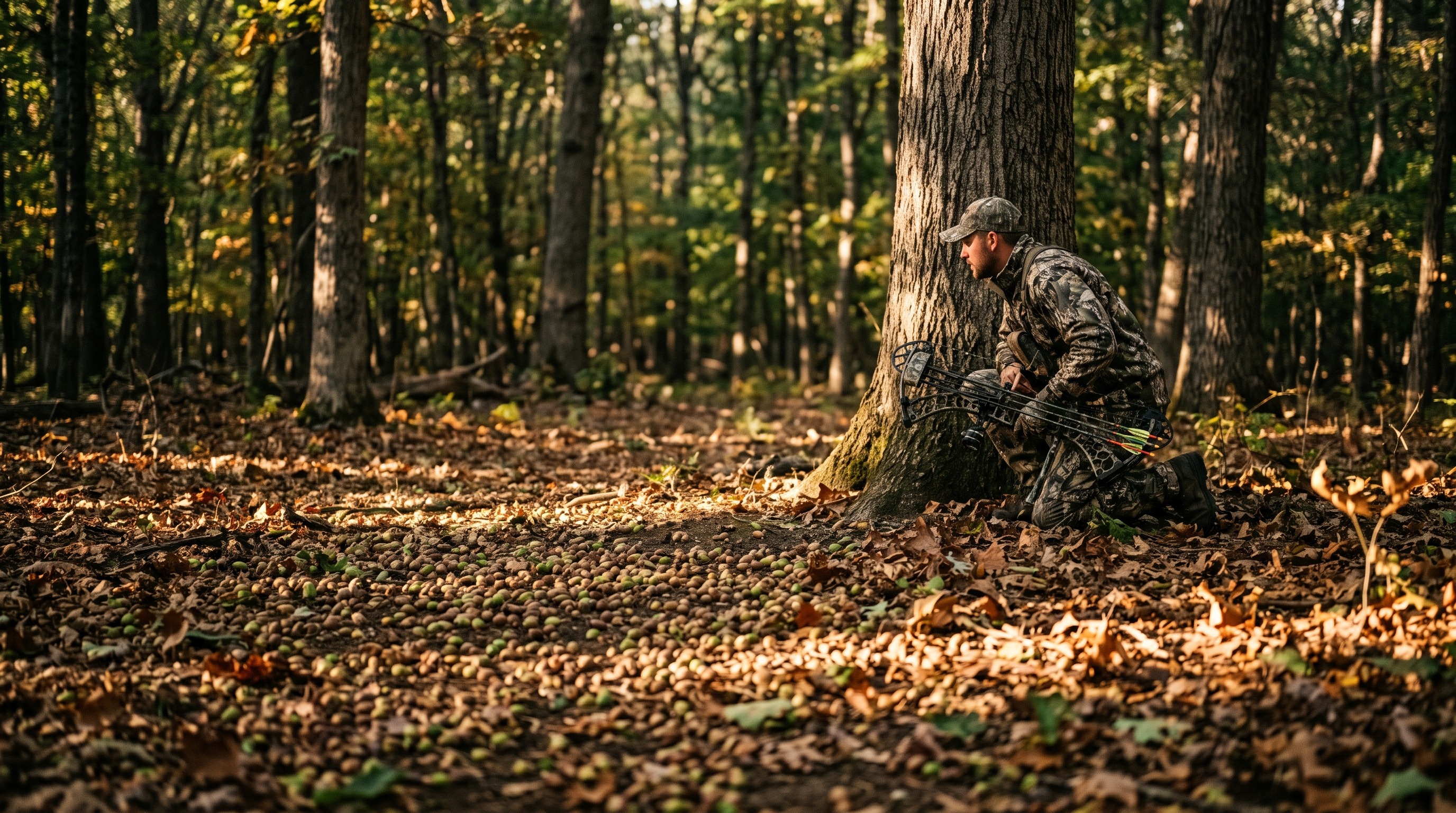
How Weather Affects Animal Movement
Ask any seasoned hunter for the secret to consistent success, and weather will come up fast. Game animals don't read calendars, but they respond constantly to…

Ask any seasoned hunter for the secret to consistent success, and weather will come up fast. Game animals don’t read calendars, but they respond constantly to the conditions around them: temperature, barometric pressure, wind, precipitation, and the changing light of the seasons. Learn to read the weather, and you can predict when and where animals will move, putting yourself in the right place at the right time. This guide breaks down how the major weather factors influence animal movement and how to hunt around them.
Temperature: The Master Switch
Temperature may be the single most influential weather factor on animal movement.
- Cold triggers movement. When temperatures drop, animals must eat more to stay warm. A sharp cold snap, especially the first of the season or after a warm stretch, often produces a burst of daylight feeding activity. These cold days are prime hunting days.
- Heat suppresses movement. In unseasonably warm weather, animals move less during daylight, feed at night, and bed in cool, shaded thermal cover. Warm fall days are notoriously slow.
- The change matters most. Animals respond strongly to a drop relative to recent conditions. A 20-degree fall after a warm spell can light up the woods even if the absolute temperature isn’t extreme.
The takeaway: watch the forecast and prioritize hunting the cold days and the days when temperatures are dropping.
Barometric Pressure
Barometric pressure, the weight of the atmosphere, is closely tied to weather changes, and many hunters track it.
- Rising or high pressure often follows a front and brings clear, stable, cooler weather. Animals frequently move well under high, rising pressure.
- Falling pressure typically signals an approaching storm or front. Animals often feed actively just ahead of a falling barometer, seeming to sense the coming weather and fueling up before it.
- Low, stable pressure during prolonged stormy weather tends to coincide with reduced movement.
In practice, the windows right before and right after a front, when pressure is changing, are excellent times to be in the woods.
Wind
Wind influences animals in two ways: comfort and security.
- Wind direction affects scent. Prey animals like deer use the wind to detect danger. They prefer to travel and bed where they can scent threats, and they adjust their routes accordingly.
- Light to moderate wind is generally fine and can even help the hunter by covering noise and movement.
- High wind makes animals nervous, since it scrambles their ability to hear and smell danger. Many animals bed down in sheltered areas and move less during very strong wind, though they may move heavily once it calms.
For the hunter, the practical rule is simple and absolute: always hunt the wind. Set up so your scent blows away from where you expect animals to be. No tactic matters more for hunting wary, scent-driven game, which is why playing the wind and controlling your scent deserves a study of its own.
Precipitation
Rain and snow change animal behavior and present opportunities.
- Light rain or drizzle often doesn’t slow animals much, and some move comfortably through it. Light rain also dampens the forest floor, making for quieter stalking.
- Heavy rain or storms usually pushes animals to bed down in cover. But movement frequently surges right before a storm and again right after it clears.
- Snow concentrates animals on food and creates excellent tracking conditions. Fresh snowfall after a storm often triggers strong feeding movement.
The periods bracketing a weather event, just before and just after, are often the most productive of all.
Storms and Fronts
A passing weather front is one of the most powerful triggers in nature.
- Ahead of a front, falling pressure and dropping conditions often push animals to feed heavily, sensing the coming change.
- During a strong storm, animals typically hunker down.
- Behind a front, clearing skies, rising pressure, cooler temperatures, and often calmer wind combine to create some of the best hunting of the year. Hungry animals that hunkered down through the storm move to feed.
Build your hunting schedule around fronts when you can. The day a front arrives and the day after are worth taking off work for.
Seasonal Light and the Big Picture
Beyond daily weather, the broader seasonal cycle drives movement. Shortening daylight in fall triggers the rut in whitetail deer and other animals, dramatically increasing daytime movement regardless of weather. Decreasing temperatures push the shift toward heavy feeding. Weather works on top of these seasonal rhythms: a cold front during the rut can be electric, while a warm spell can mute even peak-rut activity.
Putting It All Together
No single weather factor acts alone. The hunter’s job is to read the combination.
- Best conditions: A cold front pushing through, with falling-then-rising pressure, a sharp temperature drop, calming wind, and clearing skies. Hunt the day of and the day after hard.
- Tough conditions: Unseasonably warm, calm, stable, high-pressure “bluebird” days. Animals move little in daylight. Hunt close to bedding, focus on the first and last light, and keep expectations modest.
- Always: Hunt the wind, every single time, no matter what else the weather is doing.
Keep a printable hunt log noting weather and animal activity. Over a few seasons, you’ll spot patterns specific to your area that no general guide can give you.
Fair Chase and Conservation
Reading weather makes you a more effective hunter, but effectiveness never overrides ethics. Take only clear, confident shots within your range, identify your target, and respect bag limits and seasons. Hunting smart with the weather simply means more time with animals in front of you, and more opportunities to make clean, ethical decisions.
Conclusion
Weather is the invisible hand guiding animal movement. Temperature changes, barometric pressure swings, wind, precipitation, and passing fronts all dictate when and where game travels and feeds. The hunter who watches the forecast, recognizes the high-percentage windows around cold fronts, and always, always hunts the wind will spend far more time with animals in view. Learn the weather, and you learn the animals.
🛒 Recommended Gear on Amazon
- Home weather station - browse current options and reviews on Amazon.
- Hunting rain jacket - browse current options and reviews on Amazon.
- No-glow trail camera - browse current options and reviews on Amazon.
As an Amazon Associate, we earn from qualifying purchases - at no extra cost to you. This helps us keep producing free, in-depth guides.