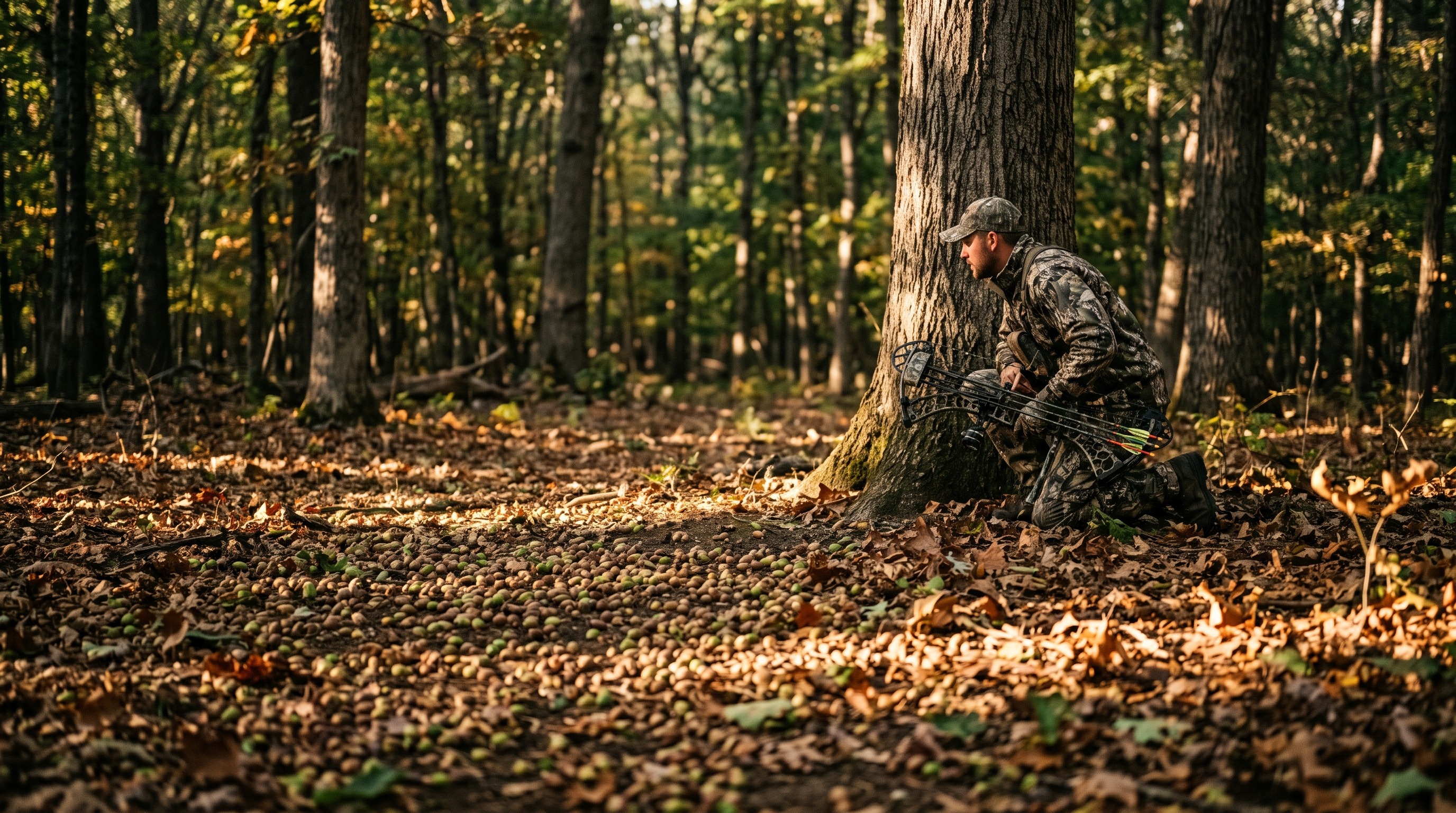
Wild Hog Hunting Tips
Wild hogs - also called feral hogs or wild boar - have spread across much of the southern and central United States, and their numbers continue to climb. They…

Wild hogs - also called feral hogs or wild boar - have spread across much of the southern and central United States, and their numbers continue to climb. They are intelligent, destructive to crops and habitat, and reproduce faster than almost any other big-game animal in North America. For hunters, that combination creates a year-round opportunity: liberal seasons, generous bag limits, and a genuine contribution to land conservation. This guide covers where to find hogs, how to hunt them effectively, and how to handle the meat safely.
Why Hunt Wild Hogs
Feral hogs are a non-native invasive species. They root up pastures, destroy food plots, compete with native wildlife, and damage water sources. Many states classify them as a nuisance animal with no closed season and no bag limit on private land. By hunting hogs, you help landowners protect their property and reduce pressure on native game. It is also outstanding practice for new hunters: hogs are abundant, active, and challenging enough to sharpen your skills.
Always confirm the rules where you hunt. Regulations differ sharply between states and between public and private land - some public areas have specific seasons, methods, and licensing requirements.
Understand Hog Behavior
Hogs are creatures of habit driven by food, water, and cover.
- Nocturnal tendencies. Where they are pressured, hogs become primarily active at night, bedding in thick cover during the day.
- Sounders and boars. Hogs travel in family groups called sounders - sows and young of varying ages. Mature boars are often solitary.
- Sense of smell. A hog’s eyesight is poor, but its nose is excellent. Wind direction is the single most important factor in your approach.
- Food focused. Hogs eat almost anything: roots, mast, agricultural crops, insects, and carrion. Find the food and you find the hogs.
Finding Hogs
Reading sign tells you where to focus your effort.
- Rooting: Torn-up ground that looks like a rototiller passed through - fresh, dark soil indicates recent activity.
- Wallows: Muddy depressions near water where hogs cool off and coat themselves to shed parasites.
- Rubs: Mud smeared on tree trunks, fence posts, and utility poles, often at hog height.
- Tracks and trails: Hog tracks are rounder and blunter than deer tracks. Look for well-worn trails between bedding and feeding areas.
- Tracks near water: Hogs need water daily; creek bottoms, stock tanks, and seeps are reliable.
Hunting Methods
There is no single best way to hunt hogs - the right method depends on terrain, pressure, and your setup.
Spot and Stalk
Glass open fields, pastures, and feeding areas at first and last light. When you locate a sounder, plan a stalk that keeps the wind in your face. Move slowly, use terrain and cover, and close the distance patiently. This method rewards good optics and steady nerves.
Stand Hunting Over Sign
Set up downwind of a heavily used food source, wallow, or trail crossing. Trail cameras are invaluable here - they tell you whether hogs are visiting in daylight or strictly after dark. Many hunters hunt feeders or food plots where legal.
Night Hunting
Because pressured hogs go nocturnal, many states allow night hunting for feral hogs with lights or thermal and night vision optics on private land. This is one of the most effective methods, but check regulations carefully - rules vary and night hunting is not legal everywhere or for everyone.
Hunting With Dogs
In some regions, trained dogs are used to bay or catch hogs. This is a specialized tradition that requires experienced handlers and is regulated differently by state.
Gear Considerations
- Optics: Quality binoculars for glassing and a rangefinder for confirming distance. Hogs are often hunted in low light, so light-gathering glass earns its keep.
- Clothing: Durable, quiet clothing suited to thick brush. Hogs are not as color-sensitive as deer, so scent control and quiet movement matter more than camo pattern.
- Boots: Snake-resistant boots are wise in southern hog country during warm months.
- Shot placement knowledge: A hog’s vitals sit lower and farther forward than a deer’s, behind a tough shoulder shield on mature boars. Study anatomy diagrams and aim for a clean, ethical shot.
Shot Placement and Ethics
Mature boars develop a thick, gristly “shield” over the shoulders. Knowing hog anatomy is essential for a quick, humane harvest. Take broadside or quartering-away shots, study a shot placement guide, pass on marginal angles, and only shoot within a range where you are confident. Ethical hunting means a clean kill - wait for the right opportunity rather than forcing a poor one.
Handling the Meat Safely
Wild hog can carry diseases transmissible to humans, including brucellosis, so handle harvested animals with care.
- Wear gloves when field dressing and butchering.
- Avoid contact with blood and fluids through cuts in your skin.
- Cool the meat quickly. In warm weather, get the carcass on ice as soon as possible.
- Cook thoroughly. Wild pork should be cooked to an internal temperature of at least 160°F (71°C) to kill parasites and bacteria - never serve it rare.
- Wash hands, knives, and surfaces thoroughly after processing.
Younger hogs generally provide the best table fare; the meat is lean and excellent in sausage, slow-cooked roasts, and barbecue.
Conclusion
Wild hog hunting offers abundant opportunity, valuable practice, and a real conservation benefit. Learn hog behavior, hunt the wind, read sign carefully, and choose a method that fits your land and the law. Always confirm regulations before you go, take only ethical shots, and handle the meat with proper food-safety precautions. Few pursuits let a hunter sharpen skills, help landowners, and fill a freezer all at once.
🛒 Recommended Gear on Amazon
- Hog hunting light - browse current options and reviews on Amazon.
- Thermal monocular - browse current options and reviews on Amazon.
- Hog hunting knife - browse current options and reviews on Amazon.
As an Amazon Associate, we earn from qualifying purchases - at no extra cost to you. This helps us keep producing free, in-depth guides.