Field to Table: Cooking Venison
You filled the tag - now what? An honest, beginner-friendly walk through field-dressing, aging, butchering and cooking venison so none of it goes to waste.
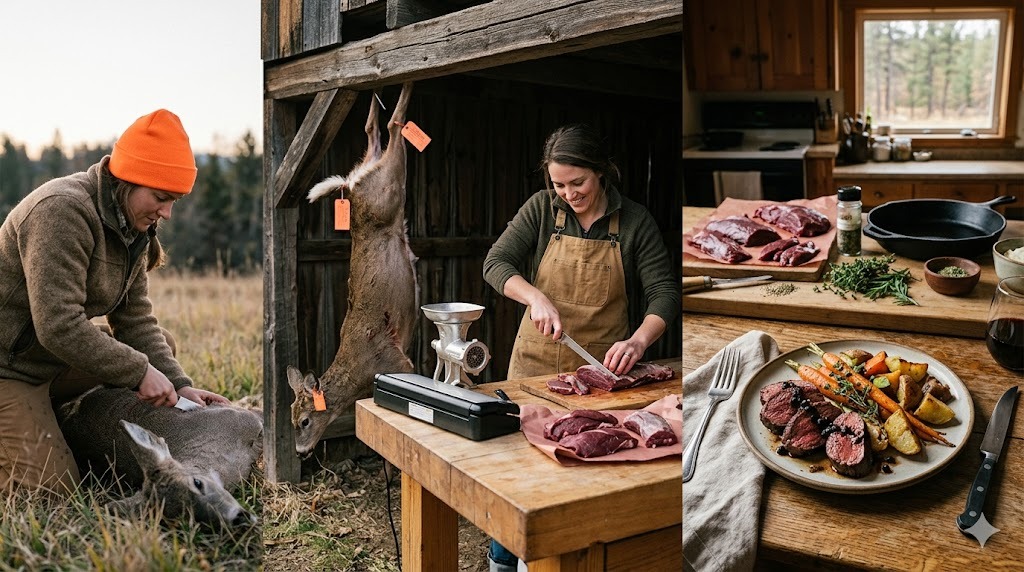
Most hunting content stops at the shot. But filling the tag is the easy half - what you do in the next 48 hours decides whether that animal becomes the best meat in your freezer or a tough, gamey disappointment you quietly stop eating. This is the part nobody explains honestly to a first-timer, so here it is: field to table, step by step, no romance and no waste.
New to this series? “Field & Table” covers what happens after the hunt - the handling, butchering and cooking that turn a tag into dinner. It’s the half of hunting that makes the rest worth it.
1. The first hour: cool it down
Spoiled venison is almost always a heat problem, not a “gamey animal” problem. The single biggest favour you can do the meat is get it cool, fast.
- Field-dress promptly to release body heat - open the chest and belly, remove the organs, and prop the cavity open so air circulates.
- Keep it clean and dry. Wipe the cavity out; avoid soaking it. Water-logged, dirty meat sours faster.
- Get air to it. In cool weather, hang it in shade. In warm weather, get it on ice within a couple of hours - quarter it if you have to.
That “gamey” taste people complain about? Most of it is heat, hair, gut contamination, and adrenaline - not the deer. Clean and cold fixes 90% of it.
2. Aging: patience pays
Aging relaxes the muscle and deepens flavour. You don’t need a fancy setup - you need consistent cold.
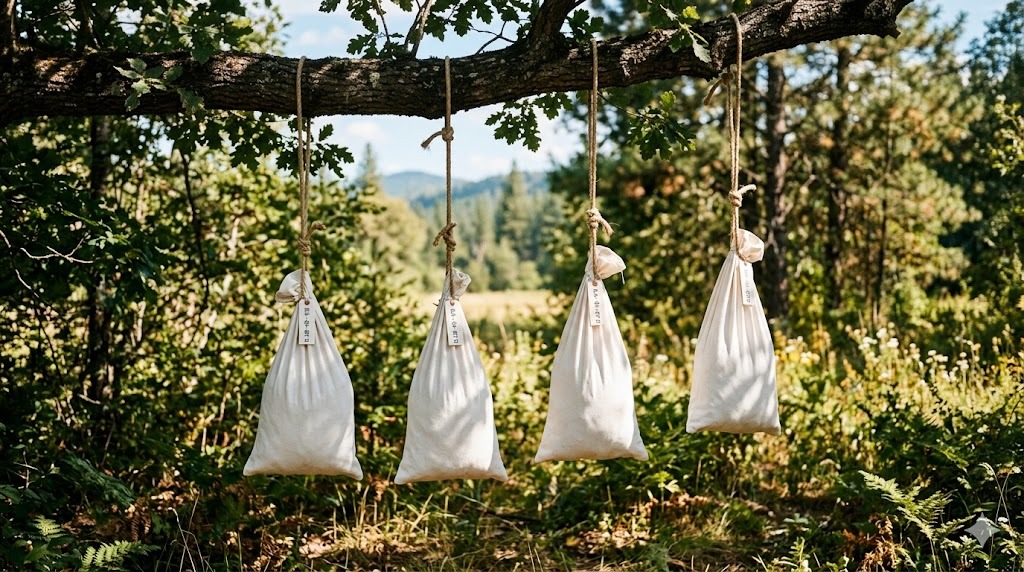
- Cooler method (simplest): quarter the deer, pack it in a cooler on ice with the drain open, and keep it at fridge temperature (just above freezing) for 3-7 days. Drain and re-ice daily so the meat never sits in water. Our field care and aging guide breaks down safe aging windows in more detail.
- Hanging: only if you can reliably keep it at 1-4°C. Warmer than that and you’re spoiling, not aging.
- Skip aging entirely if you can’t keep it cold - fresh and safe beats aged and warm every time.
3. Butchering: you can do this
Home butchering is far less intimidating than it looks, because a white-tailed deer breaks down into a handful of obvious muscle groups. Aim for:
- Backstraps & tenderloins - the prize. Tender, lean, cook them fast and hot (Section 4).
- Hindquarter roasts - large, lean muscles for roasting or slow-cooking; or cut into steaks.
- Shoulders & shanks - tougher, full of connective tissue → low and slow (braises, stew, shredded).
- Trim & scraps - everything else goes to ground venison or sausage. Nothing is wasted.
Work clean, keep the meat cold as you go, and trim off silverskin and any bloodshot or hair-covered bits.
4. The golden rule of cooking venison: it’s lean
Venison has almost none of the marbling fat that makes beef forgiving. That one fact drives every cooking decision:
- Tender cuts (backstrap, loin): hot and fast, then rest. Sear to rare/medium-rare and pull it off. Past medium, lean venison turns dry and liver-y. A meat thermometer is your friend - aim for ~52-57°C and rest it.
- Tough cuts (shoulder, shank): low and slow, with moisture. Braise, stew, or slow-cook for hours until the connective tissue melts. This is where the deepest flavour lives.
- Add fat back in. Because the meat is so lean, cook with butter, oil, bacon, or add pork fat to your grind. It’s not cheating - it’s how lean game is meant to be cooked.
- Ground venison behaves like extra-lean beef: great in chilli, ragù, burgers (mix in ~15-20% pork fat or it’ll be dry), and meatballs.
5. Three honest first recipes
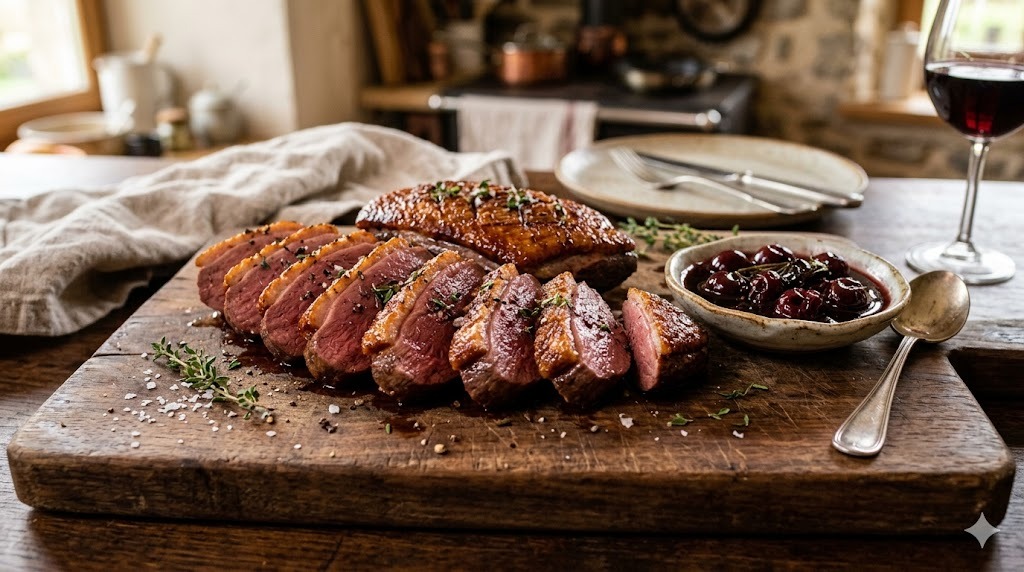
- Seared backstrap: salt, hot pan with butter, 2-3 minutes a side to medium-rare, rest 5 minutes, slice against the grain. The dish that converts skeptics.
- Slow-braised shoulder: brown it, then braise with onions, stock and herbs for 3+ hours until it shreds. Forgiving and rich.
- Venison chilli: brown the grind (with a little fat), build a normal chilli. The easiest way to use a lot of meat and please a whole table.
A note on safety
Cook ground venison thoroughly. Handle raw meat cleanly, and if you’re ever unsure whether meat was kept cold enough, don’t risk it. In some regions, wild game can carry parasites or disease (and lead from certain ammunition is a consideration in the grind) - follow your local wildlife agency’s guidance.
The point of all this
A deer is a year’s worth of the leanest, most local, most honestly-earned meat you can put on a table. If you want to estimate how much that works out to, a meat yield calculator turns field-dressed weight into freezer packages. Treating it well - cold, clean, aged, butchered with care, and cooked for its leanness - is the part of hunting that closes the loop. Fill the tag, then do the animal justice in the kitchen.
Next in the series: butchering your first deer at the kitchen table (no saw required), and building a year of meals from one animal.