Small Game
17 detailed profiles covering identification, habitat, seasons, methods, gear and shot placement for every small game animal.
Auf Deutsch lesen - 17 Porträts
17 shown
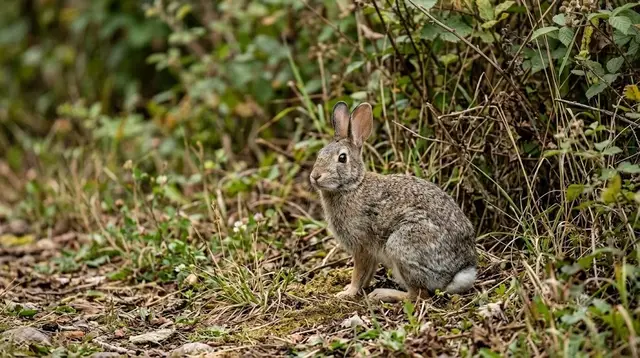
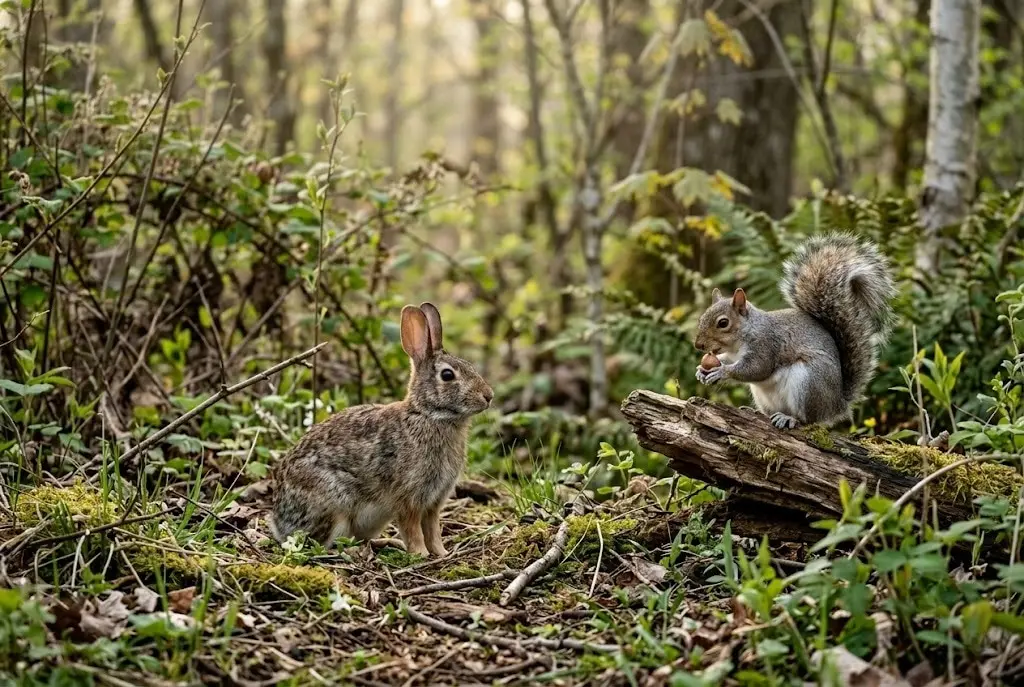
Eastern Cottontail
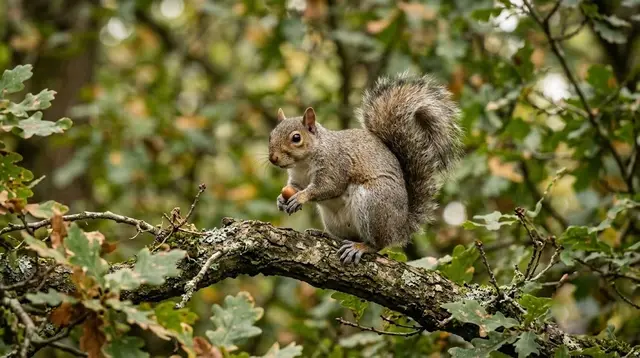
Gray Squirrel
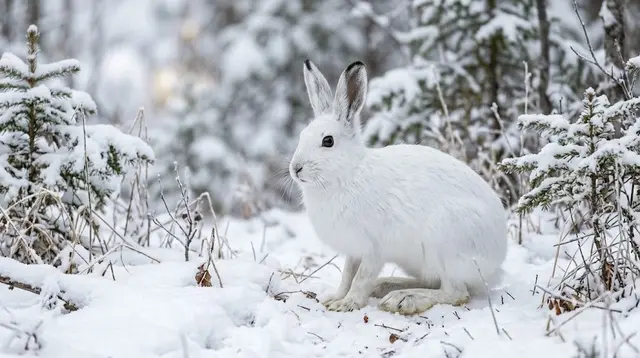
Snowshoe Hare
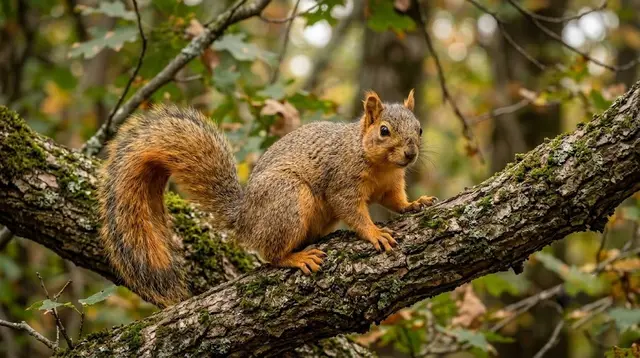
Fox Squirrel
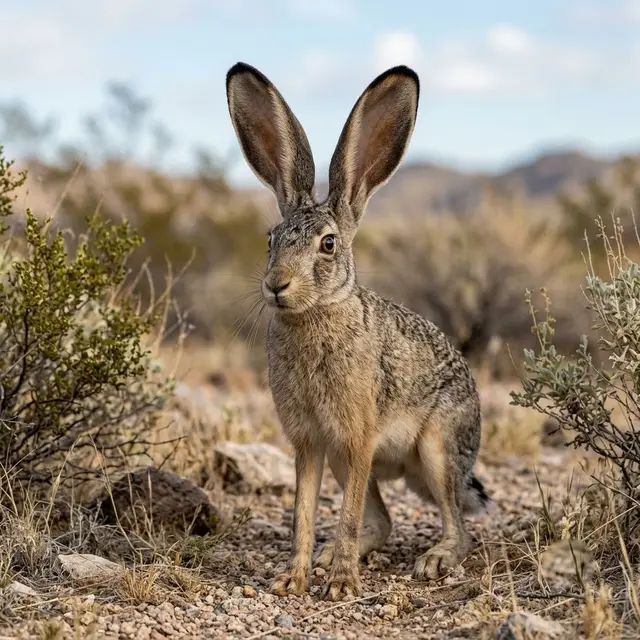
Black-tailed Jackrabbit
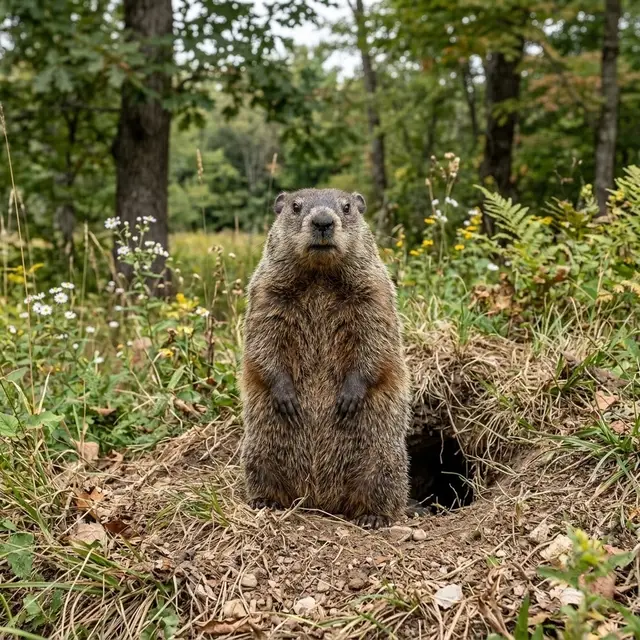
Woodchuck
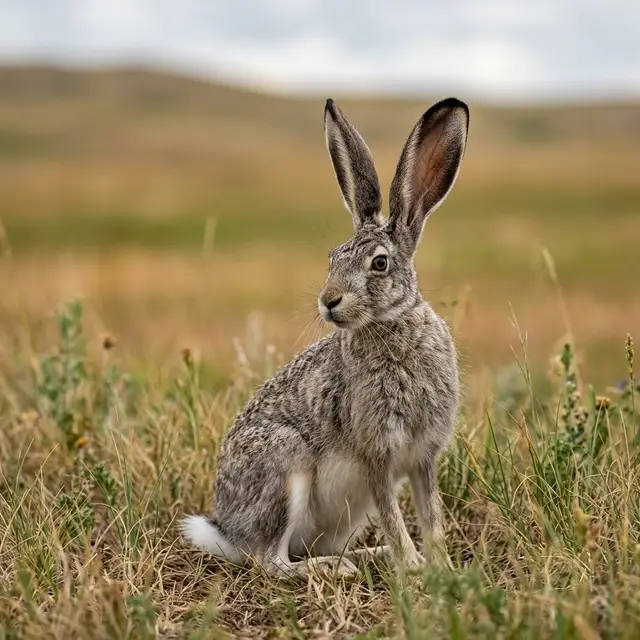
White-tailed Jackrabbit
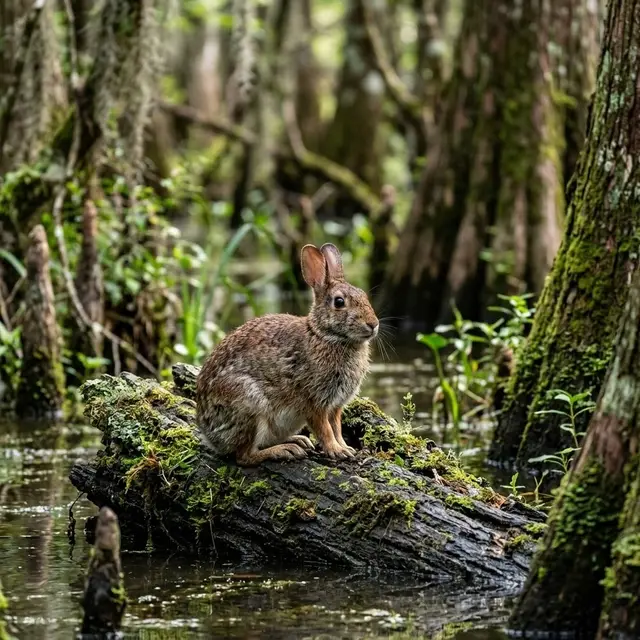
Swamp Rabbit
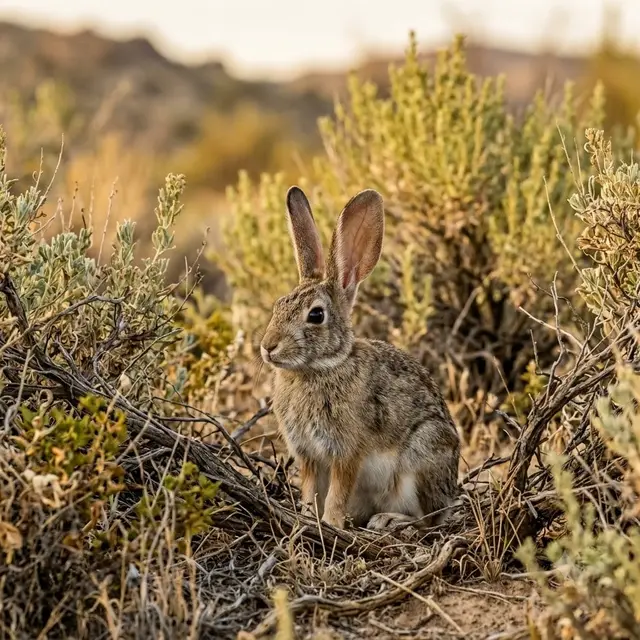
Desert Cottontail
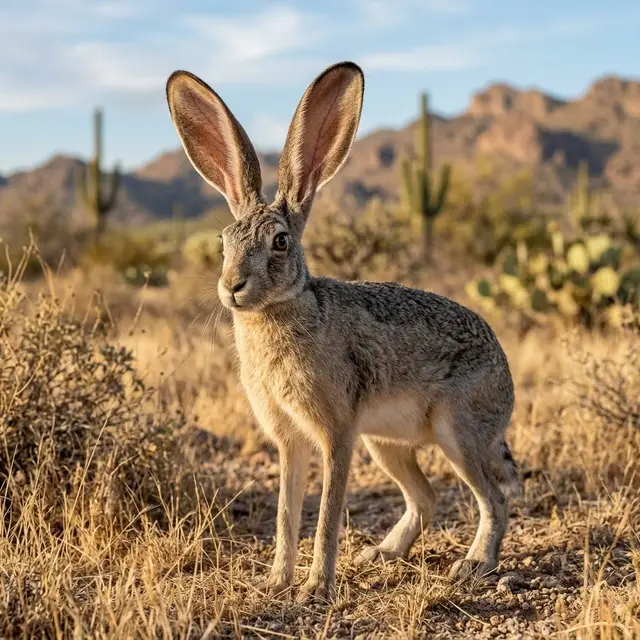
Antelope Jackrabbit
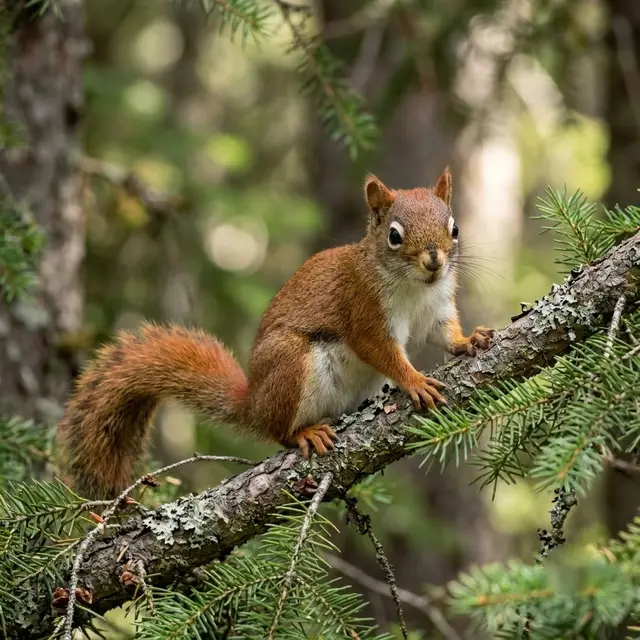
Red Squirrel
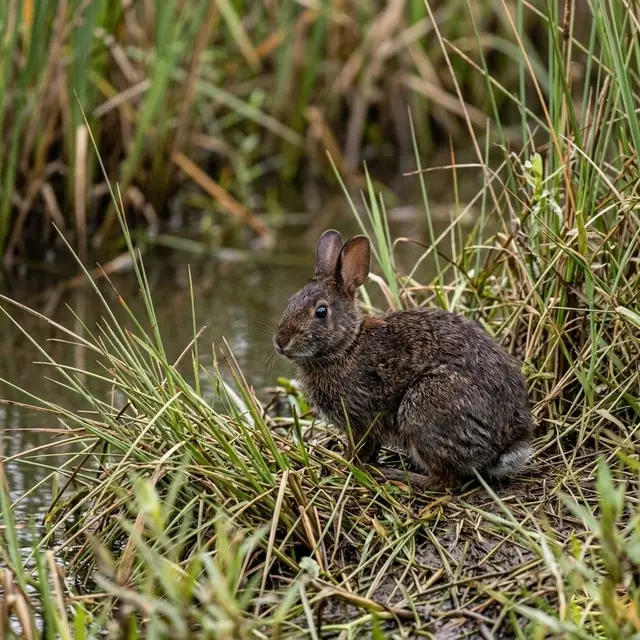
Marsh Rabbit
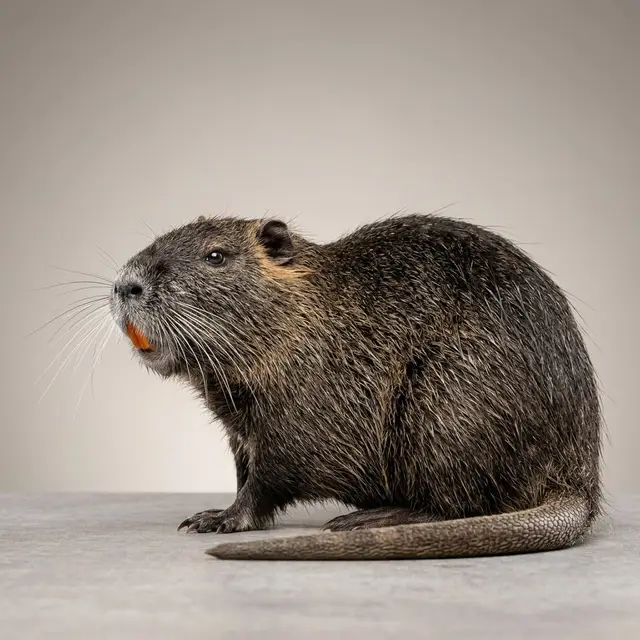
Nutria
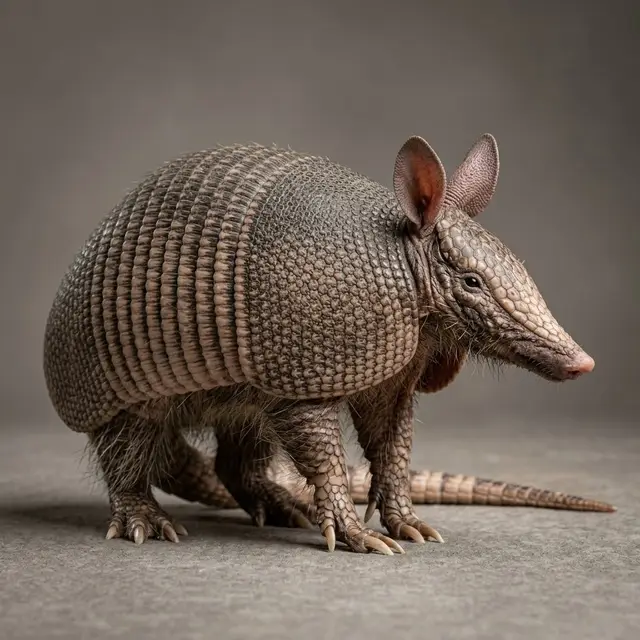
Nine-Banded Armadillo
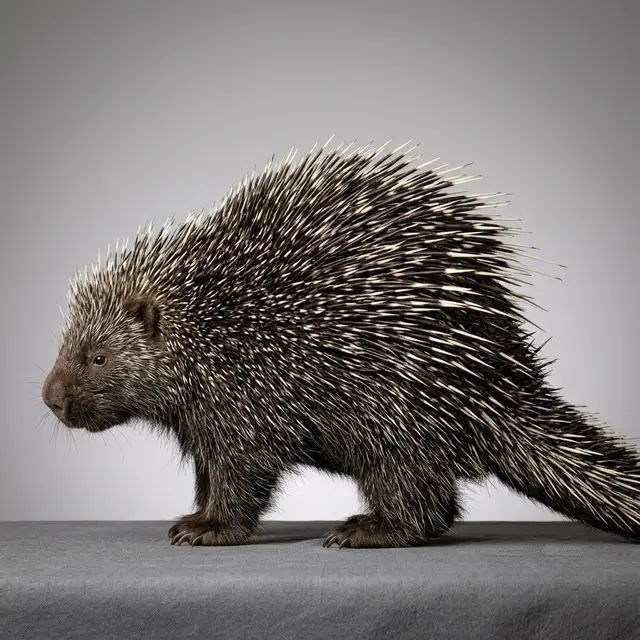
Common Porcupine
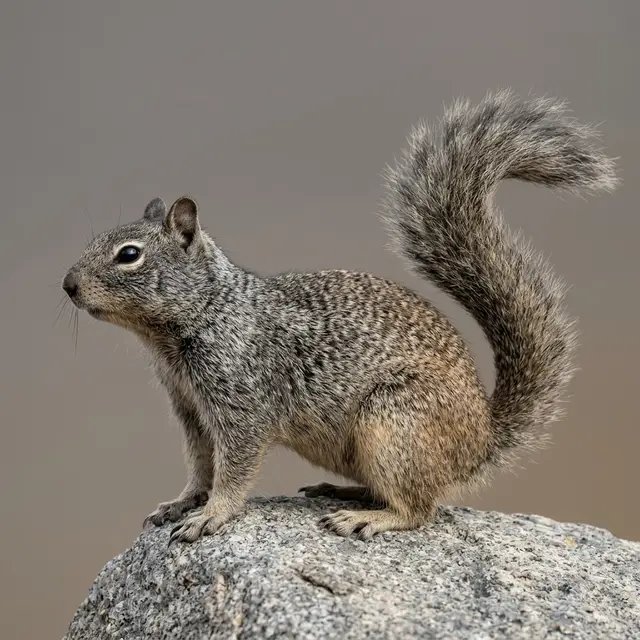
Rock Squirrel
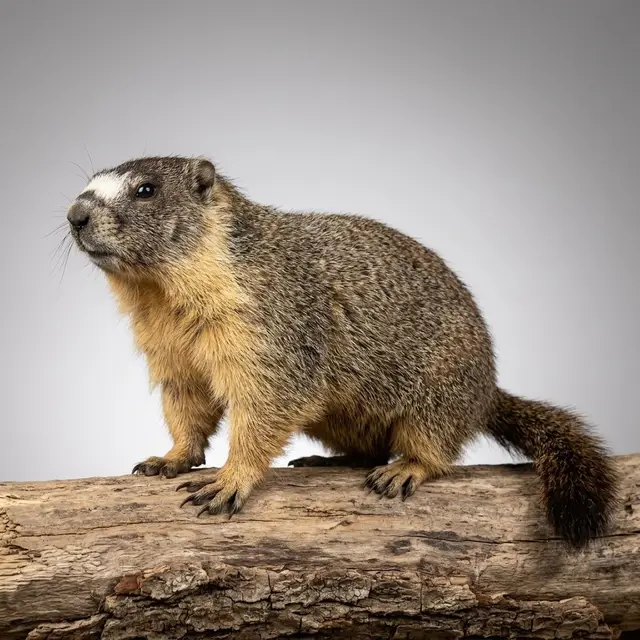
Yellow-Bellied Marmot
No small game match that search. Clear search
How to tell them apart
One identification cue for each species, from its profile. Open a profile for the full description - and check your state's regulations, which set separate limits for some look-alike species.
- Eastern Cottontail
- Cottontails are easily distinguished from the larger, longer-legged jackrabbits of the West and, in the North, from snowshoe hares, which turn white in winter and have much larger feet.
- Gray Squirrel
- Both are legal game in most states; the smaller red squirrel and flying squirrels are different, generally non-game animals.
- Snowshoe Hare
- Compared with the cottontail, the snowshoe hare is larger, longer-legged, and uniquely tied to deep northern forest.
- Fox Squirrel
- The fox squirrel is the largest of North America's tree squirrels, typically weighing 1.5 to 2.5 pounds and measuring around 20 to 28 inches including the long, bushy tail.
- Black-tailed Jackrabbit
- Its size and black-topped tail separate it clearly from smaller cottontails.
- Woodchuck
- Its low, thick build distinguishes it from the ground squirrels and prairie dogs of the West.
- White-tailed Jackrabbit
- It is bigger than a cottontail and told from the black-tailed jackrabbit by its white tail and northern range.
- Swamp Rabbit
- Swamp rabbits are large, dark, rusty-brown cottontails with a small buff eye-ring and coarse fur.
- Desert Cottontail
- Desert cottontails are pale grayish-brown with large ears, long legs and the classic white cottontail.
- Antelope Jackrabbit
- Antelope jacks are big hares with enormous ears, pale gray-brown backs, and bright white sides and rump that flash as they run, giving the impression of a bounding antelope.
- Red Squirrel
- Red squirrels are small and rusty-red to reddish-brown above with a white belly, a white eye-ring, and a bushy tail edged in black.
- Marsh Rabbit
- Marsh rabbits are small and dark reddish-brown with short ears, small feet, and a grayish rather than white underside to the tail, which sets them apart from other cottontails.
- Nutria
- Key features are large bright orange-yellow front incisors, a round nearly hairless rat-like tail (unlike a beaver's flat paddle or muskrat's flattened tail), and prominent white whiskers.
- Nine-Banded Armadillo
- A cat-sized animal in a leathery, bony shell, with a jointed midsection (usually eight to eleven movable bands despite the "nine" name), a long tapering armored tail, and a pointed, piglike snout.
- Common Porcupine
- Stocky and rounded, with a small head, short legs, and a thick, muscular tail. The body is dark brown to blackish, overlaid with an estimated 30,000 barbed quills tipped white or yellow, concentrated over the back, rump, and tail.
- Rock Squirrel
- Adults run roughly 17 to 21 inches long, nearly half of that a long, bushy tail that gives them an almost tree-squirrel look uncommon among ground squirrels.
- Yellow-Bellied Marmot
- Stocky and roughly house-cat-sized, adults commonly run about 5-11 lbs, heaviest just before hibernation.
Field gear for small game
Game vest A game pouch beats carrying squirrels by hand all day. Check price Squirrel call A bark or distress call gets them moving on still days. Check price Compact fixed blade Small game wants a small, very sharp knife. Check price Game shears Faster than a knife for birds and rabbits. Check price
Links go to Amazon or a partner store (such as OpticsPlanet) and may earn us a commission at no extra cost to you. As an Amazon Associate we earn from qualifying purchases. We link gear types, not sponsors' picks: you choose the exact product.