Upland Birds
30 detailed profiles covering identification, habitat, seasons, methods, gear and shot placement for every upland game bird.
Auf Deutsch lesen - 30 Porträts
30 shown
Wild Turkey
Ring-necked Pheasant
Bobwhite Quail
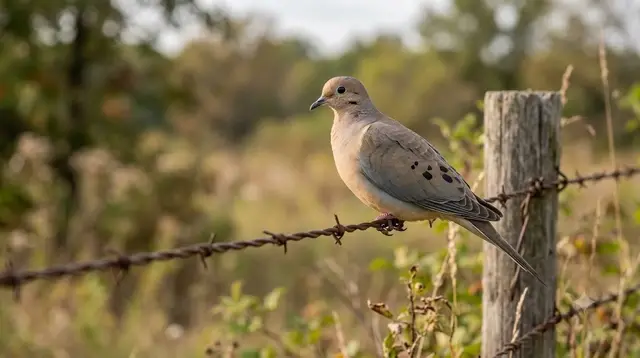
Mourning Dove
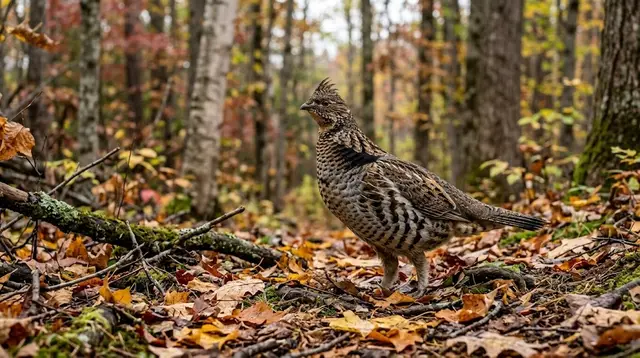
Ruffed Grouse
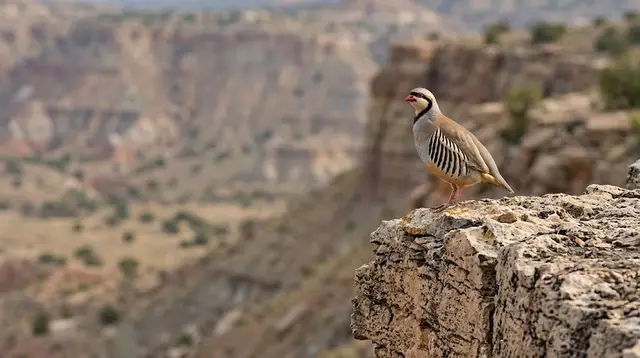
Chukar
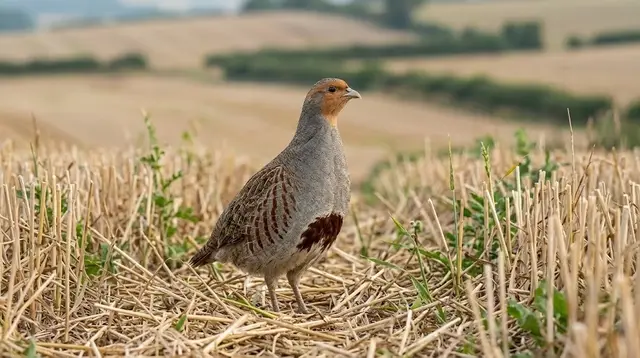
Gray Partridge
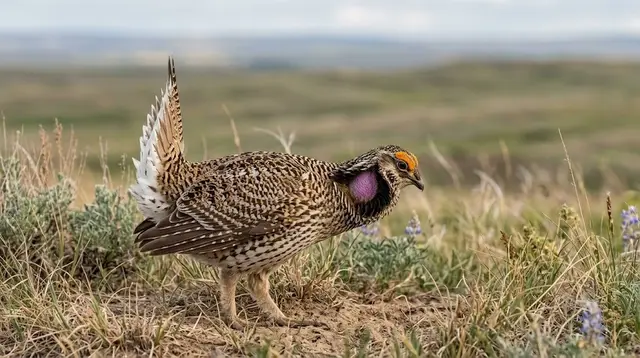
Sharp-tailed Grouse
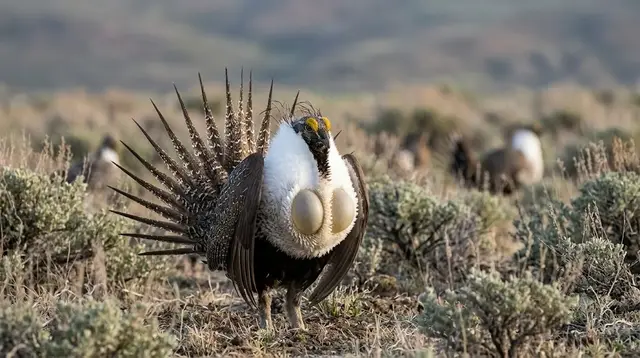
Greater Sage-Grouse
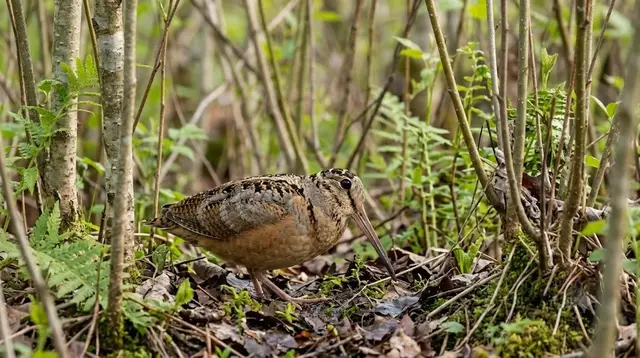
American Woodcock
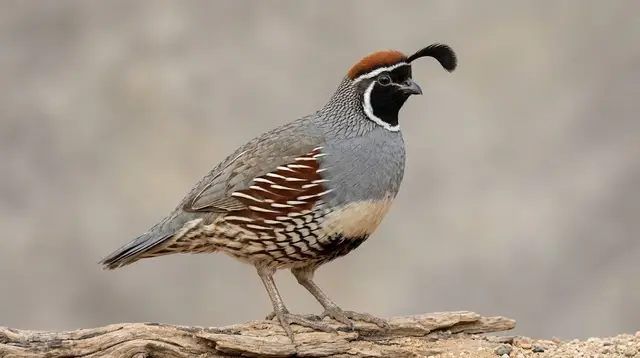
Gambel's Quail
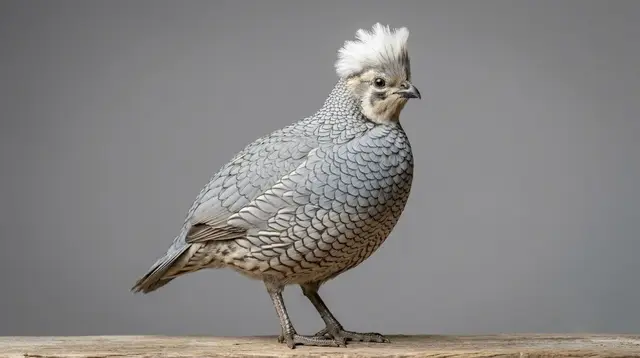
Scaled Quail
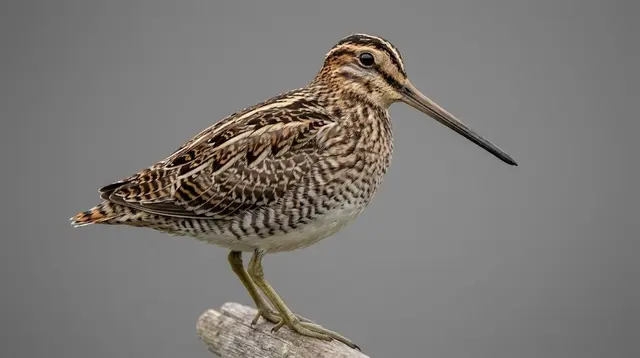
Wilson's Snipe
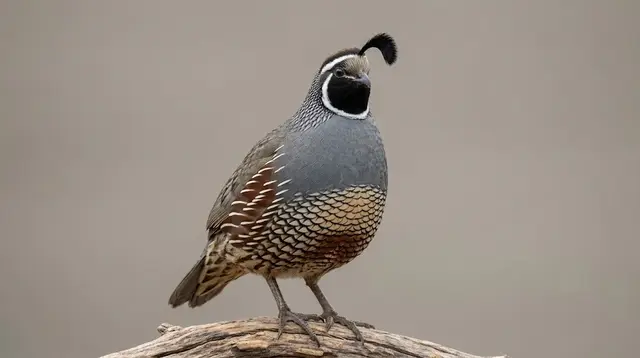
California Quail
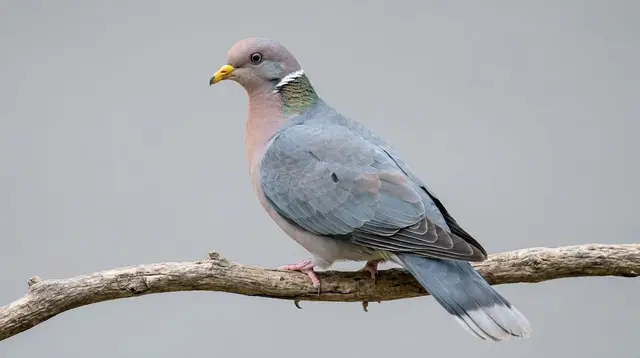
Band-tailed Pigeon
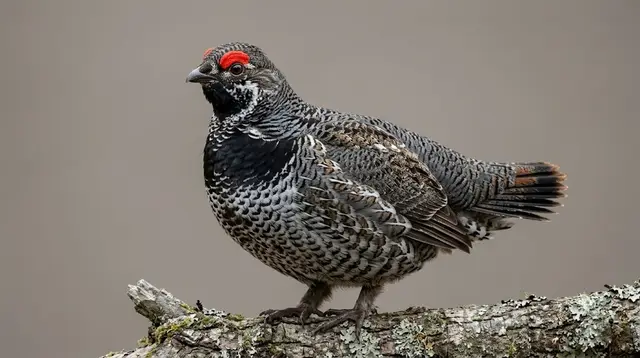
Spruce Grouse
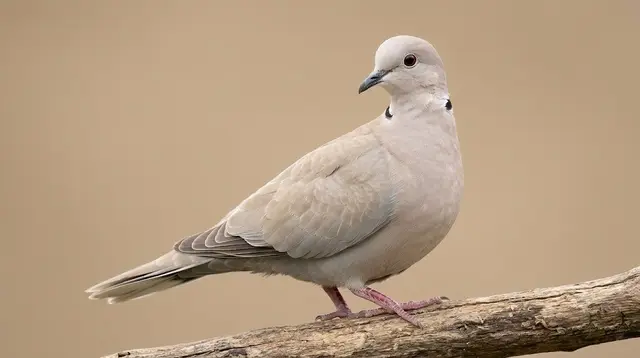
Eurasian Collared-Dove
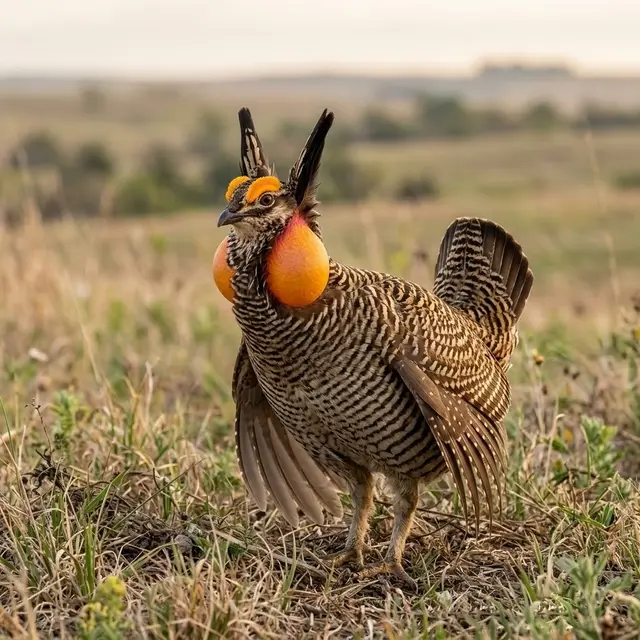
Greater Prairie-Chicken
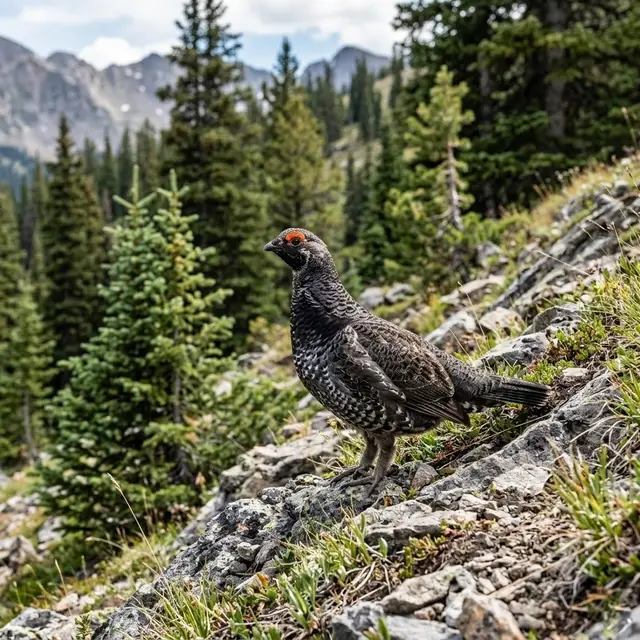
Dusky Grouse
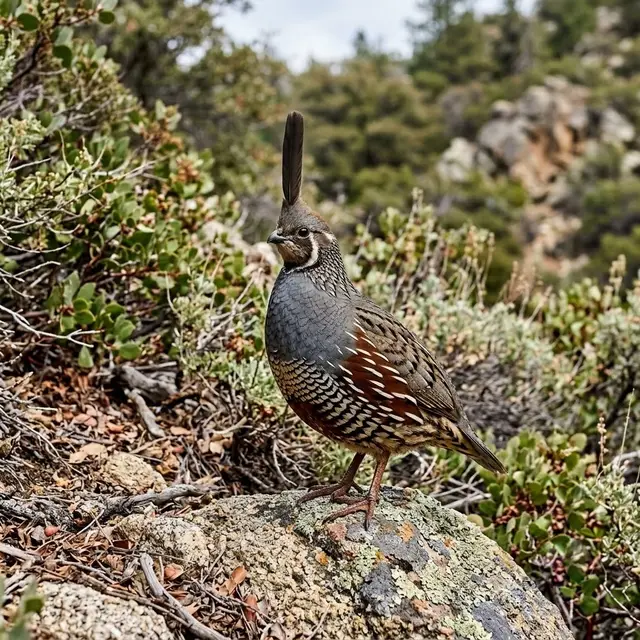
Mountain Quail
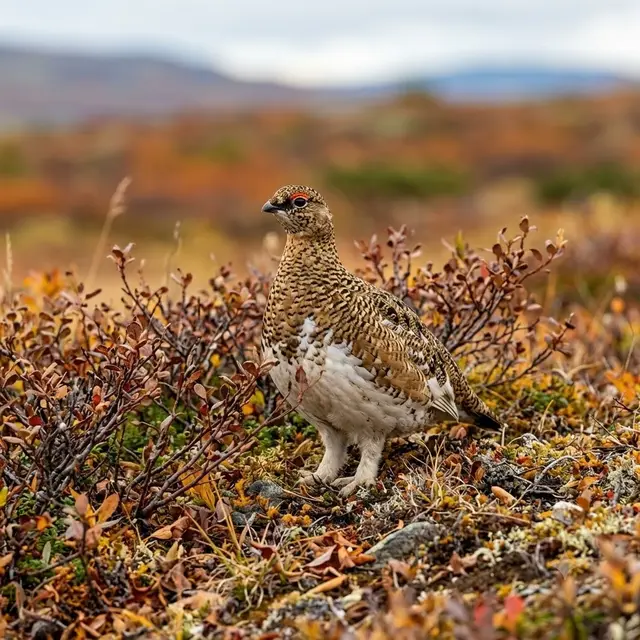
Willow Ptarmigan
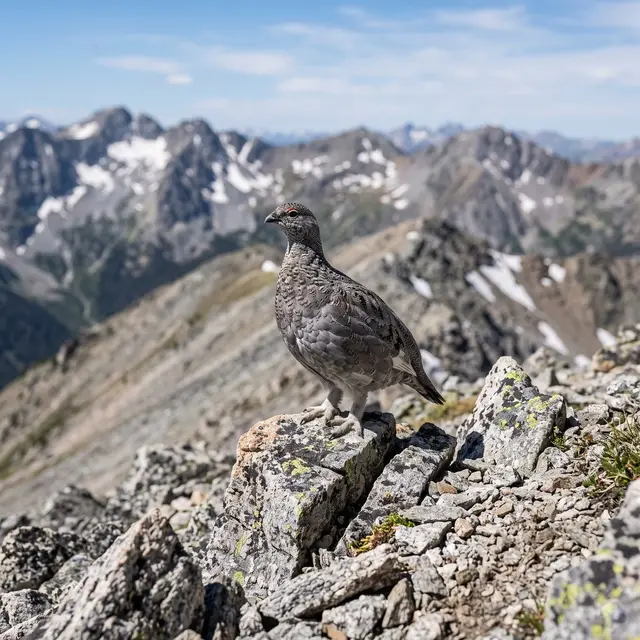
Rock Ptarmigan
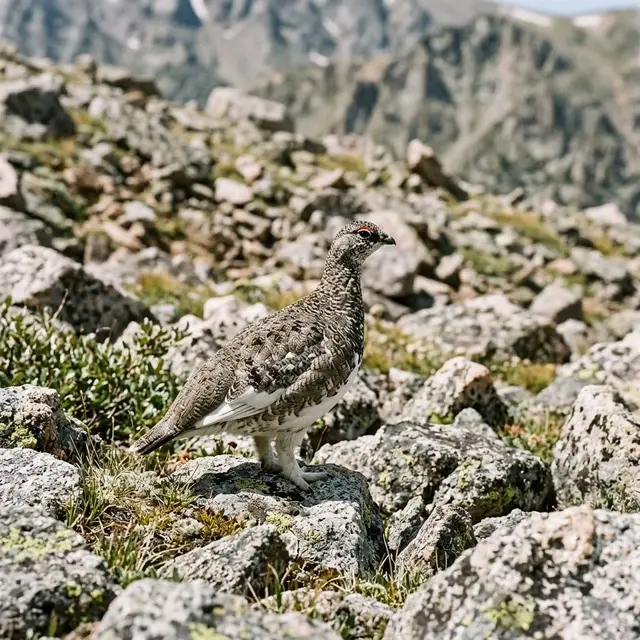
White-tailed Ptarmigan
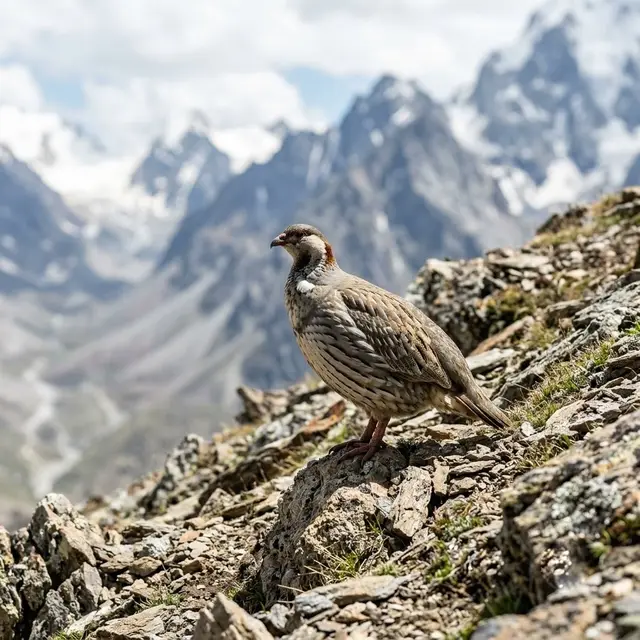
Himalayan Snowcock
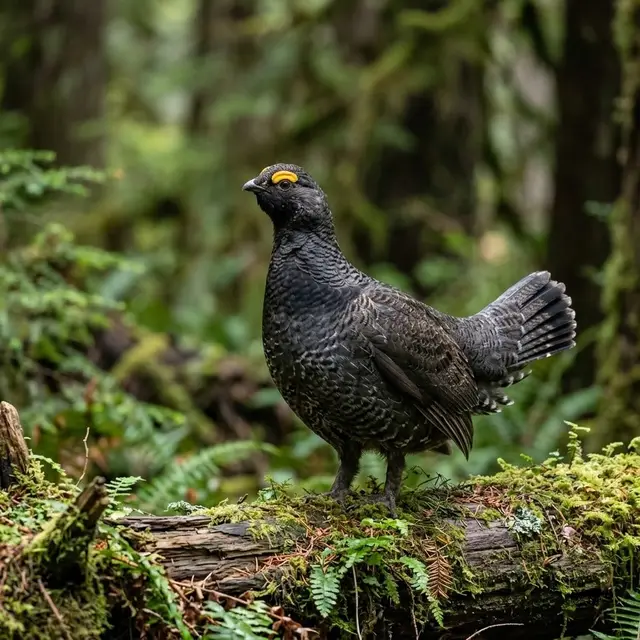
Sooty Grouse
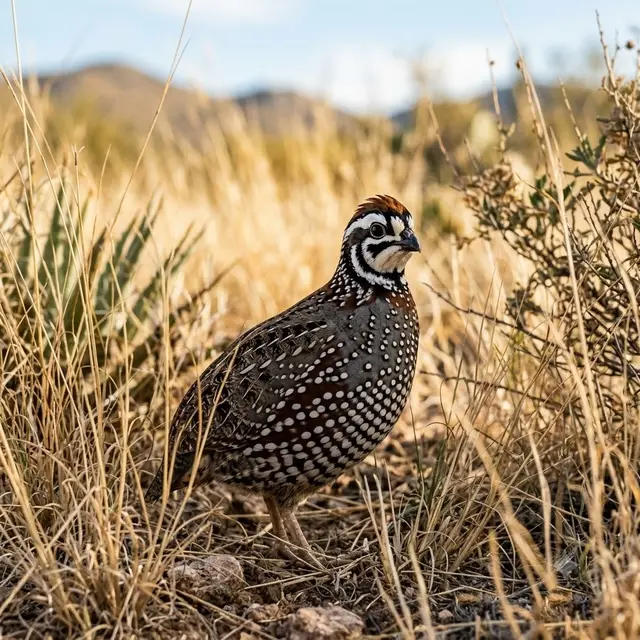
Montezuma Quail
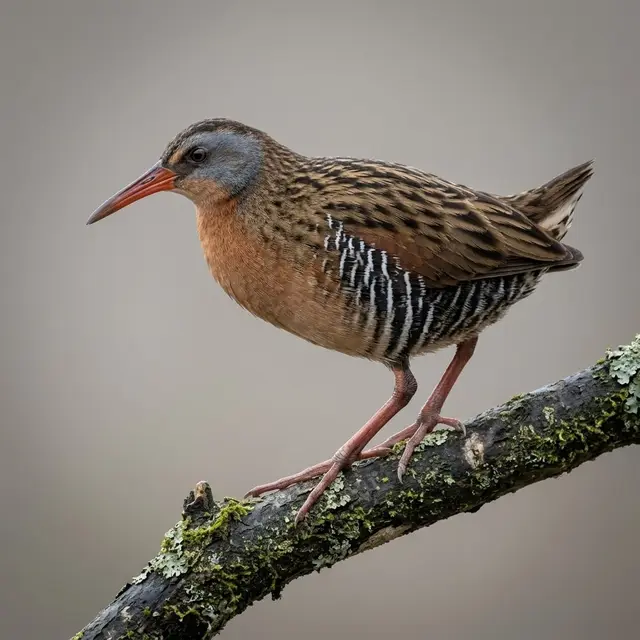
Virginia Rail
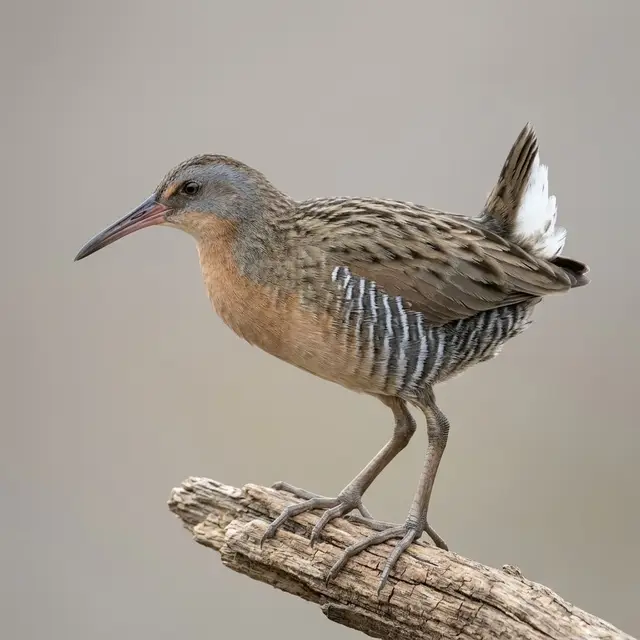
Clapper Rail
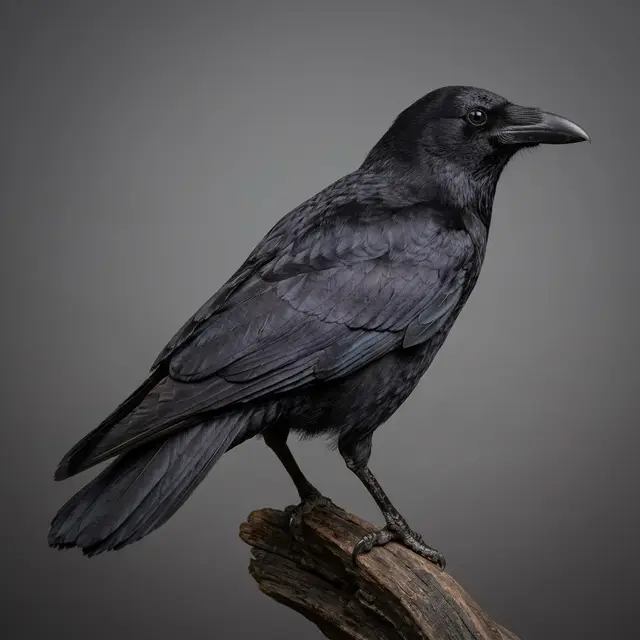
American Crow
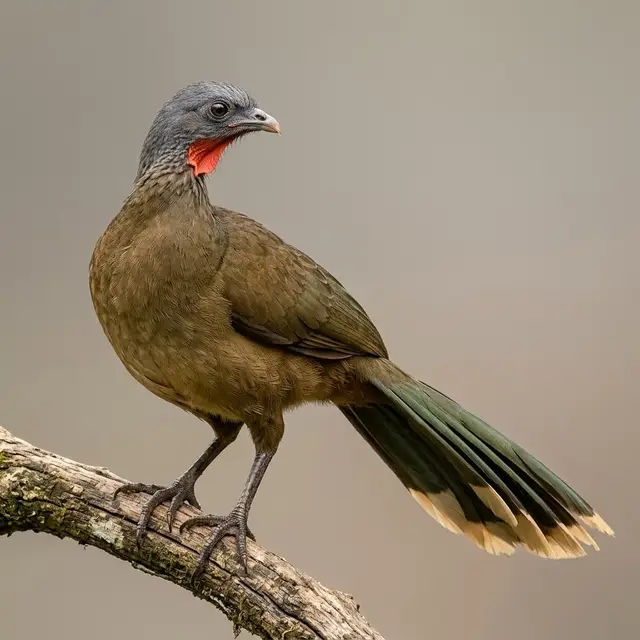
Plain Chachalaca
No upland birds match that search. Clear search
How to tell them apart
One identification cue for each species, from its profile. Open a profile for the full description - and check your state's regulations, which set separate limits for some look-alike species.
- Wild Turkey
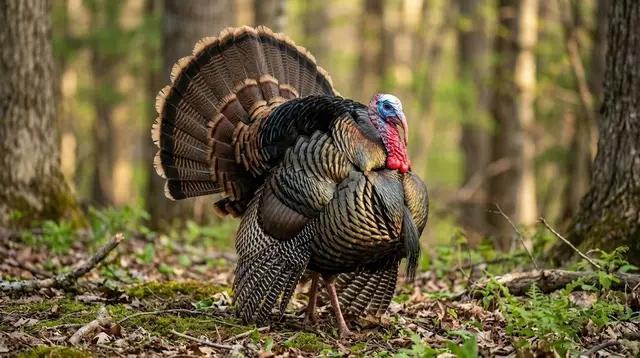
- The five North American subspecies - Eastern, Osceola, Rio Grande, Merriam's, and Gould's - differ mainly in tail-tip and rump-feather coloration.
- Ring-necked Pheasant
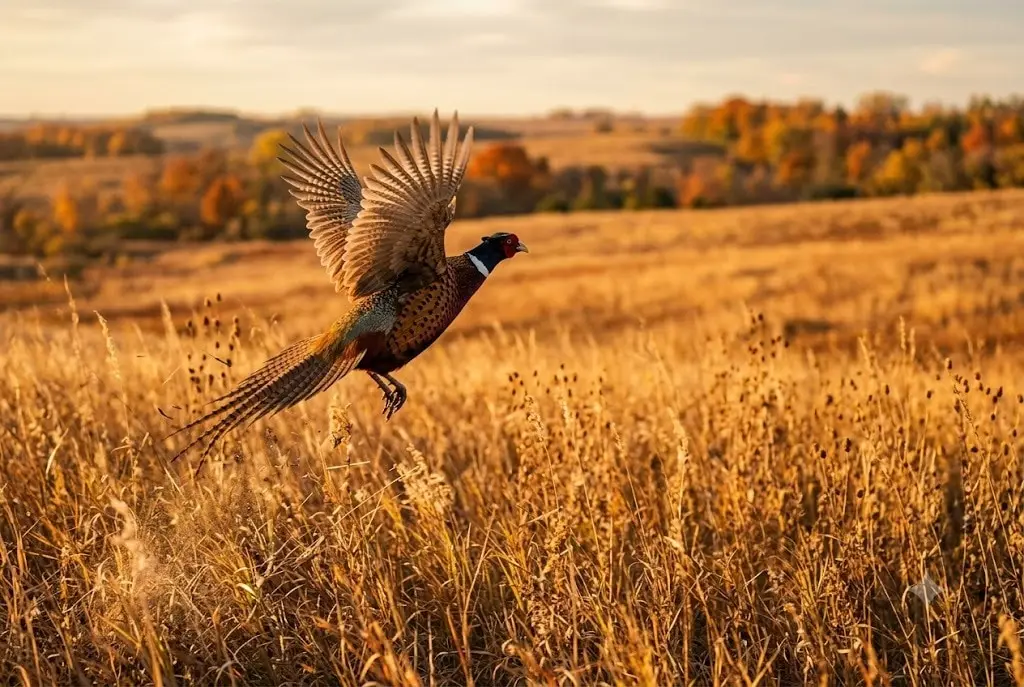
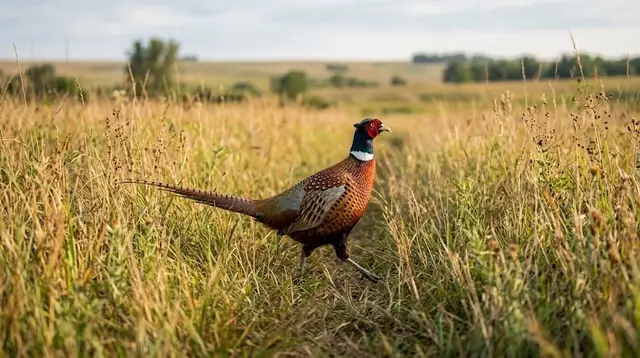
- In most states only roosters are legal, so the ability to distinguish the colorful male from the drab hen in a fast flush is essential.
- Bobwhite Quail
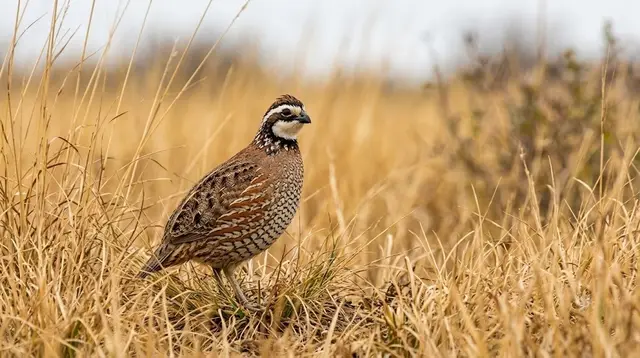
- The bobwhite is a small, plump, rounded bird about the size of a fist, weighing only 5-6 ounces.
- Mourning Dove
- Hunters must distinguish the legal mourning dove from protected birds - the larger non-native Eurasian collared-dove (legal in most states and not counted in the dove limit) has a black neck-collar, while native white-winged doves have bold white wing patches.
- Ruffed Grouse
- Sexes are similar and hard to tell apart in the field.
- Chukar
- The chukar is a stocky, medium-sized partridge, larger than a quail but smaller than a pheasant.
- Gray Partridge
- The gray partridge is a small, round, plump game bird, larger than a quail and smaller than a chukar or pheasant.
- Sharp-tailed Grouse
- In flight you will also see white outer tail feathers flashing, which helps separate sharptails from prairie-chickens (whose tails appear dark and rounded).
- Greater Sage-Grouse
- There is no other bird in sagebrush country it can be confused with at close range - the size and black belly are diagnostic.
- American Woodcock
- There is little chance of confusing a woodcock with another upland bird; the long bill, dead-leaf plumage, and chunky shape are unmistakable.
- Gambel's Quail
- Gambel's quail are plump, round-bodied gamebirds with a distinctive teardrop-shaped black topknot, or plume, that curves forward from the crown and is present in both sexes (larger and more pronounced on the male).
- Scaled Quail
- There is no need to sex birds before the shot, but learning the pale color and the white crest helps separate scaled quail from other species sharing the same range.
- Wilson's Snipe
- The Wilson's snipe is a chunky, medium-small shorebird with a very long, straight bill that it uses to probe soft mud for worms and invertebrates.
- California Quail
- The California quail is a small, round, gray-and-brown bird, and its most famous feature is the forward-curving black topknot plume on the crown - a comma-shaped cluster of six feathers that curls forward over the bill, larger and showier on the male.
- Band-tailed Pigeon
- The band-tailed pigeon is a large, heavy-bodied gray pigeon, noticeably bigger than a rock pigeon or mourning dove.
- Spruce Grouse
- Where ranges overlap with ruffed grouse, the spruce grouse's darker color, red eye comb on males, and habit of sitting tight rather than thundering off help tell them apart.
- Eurasian Collared-Dove
- The key for hunters is to separate it from the native mourning dove (smaller, browner, slim with a long pointed tail and black spots on the wing, no neck collar) and from the smaller white-winged dove (bold white wing stripe).
- Greater Prairie-Chicken
- Both sexes are barred, but the male is distinguished on the lek by bright orange air sacs on the neck, raised elongated neck feathers called pinnae, and a fanned, rounded tail during display.
- Dusky Grouse
- The subtle grey tail band and the mountain-conifer setting help separate it from the closely related sooty grouse of the coastal ranges.
- Mountain Quail
- Its most striking feature is a long, straight head plume, unlike the curved topknot of the California quail.
- Willow Ptarmigan
- In summer willow ptarmigan are mottled reddish-brown; in winter they are snow-white with a black tail and feathered feet.
- Rock Ptarmigan
- Wikipedia's account puts the bird about ten percent smaller than the willow ptarmigan and notes that the surest way to separate the two in winter is habitat: the rock ptarmigan takes the higher, more barren ground.
- White-tailed Ptarmigan
- The finely barred greyish back also separates summer birds from the browner willow and rock ptarmigan, and males show a reddish comb above the eye.
- Himalayan Snowcock
- Snowcock are big gray-brown partridge-like birds, much larger than a chukar, with chestnut streaking, white throat markings and a bold pattern in flight.
- Sooty Grouse
- Sooty grouse are large and dark sooty-gray, with males showing yellow eye combs and, when displaying, yellow neck sacs; they have a dark tail with a pale gray band.
- Montezuma Quail
- Males have an ornate black-and-white harlequin face pattern and a spotted body, while females are cryptic brown; both are round and short-tailed.
- Virginia Rail
- It is easily confused with the smaller Sora, which has a short stubby yellow bill and a black face.
- Clapper Rail
- A lanky, drab rail about the size of a small chicken: grayish-brown above, warm cinnamon-buff across the breast, with boldly barred gray-and-white flanks.
- American Crow
- Adults run roughly 16-21 inches long with a fan-shaped, rounded tail, which separates them from the larger Common Raven and its wedge-shaped tail.
- Plain Chachalaca
- Roughly 20-24 inches long, much of that a long, broad, greenish-glossed tail tipped in buff or white.
Field gear for upland birds
Upland vest Shell loops up front, game pouch behind. Check price Upland boots Miles through cover are the whole game here. Check price Blaze orange cap Seen by hunters, ignored by birds. Check price Shooting glasses Brush and low sun are hard on unprotected eyes. Check price
Links go to Amazon or a partner store (such as OpticsPlanet) and may earn us a commission at no extra cost to you. As an Amazon Associate we earn from qualifying purchases. We link gear types, not sponsors' picks: you choose the exact product.