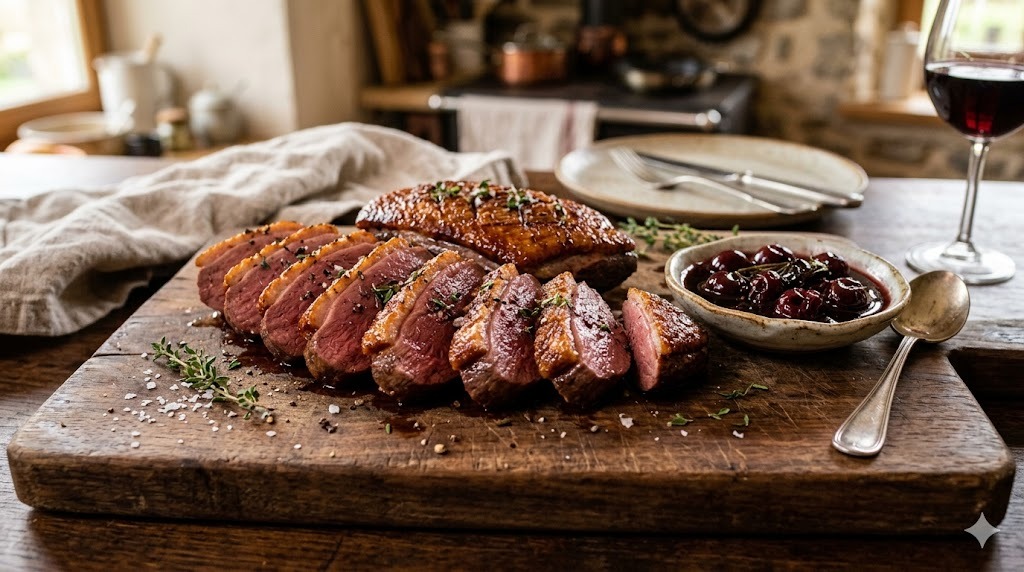
Venison Backstrap: Five Simple, Foolproof Preparations
Backstrap is the best cut on a deer and the easiest to ruin. The rule is simple - do not overcook it. Five reliable ways to cook it, from pan-seared to stuffed.
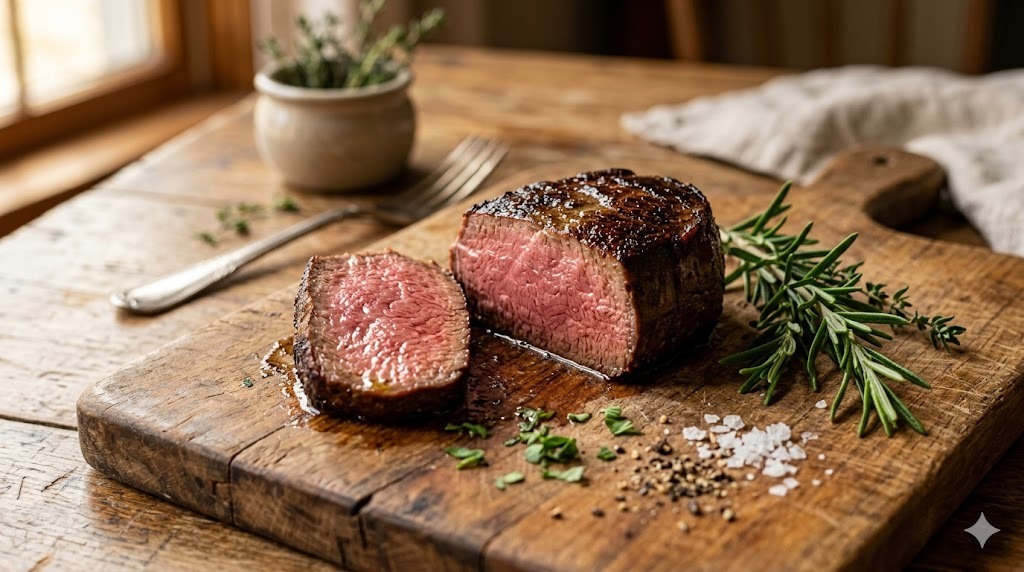
The backstrap - the long loin muscle that runs down either side of the spine - is the most tender, most prized cut on a whitetail deer. It is also the easiest cut to ruin, because it is lean, quick-cooking, and unforgiving of a heavy hand. Cook it well and it rivals any beef tenderloin. Cook it five minutes too long and it turns gray, livery, and tough.
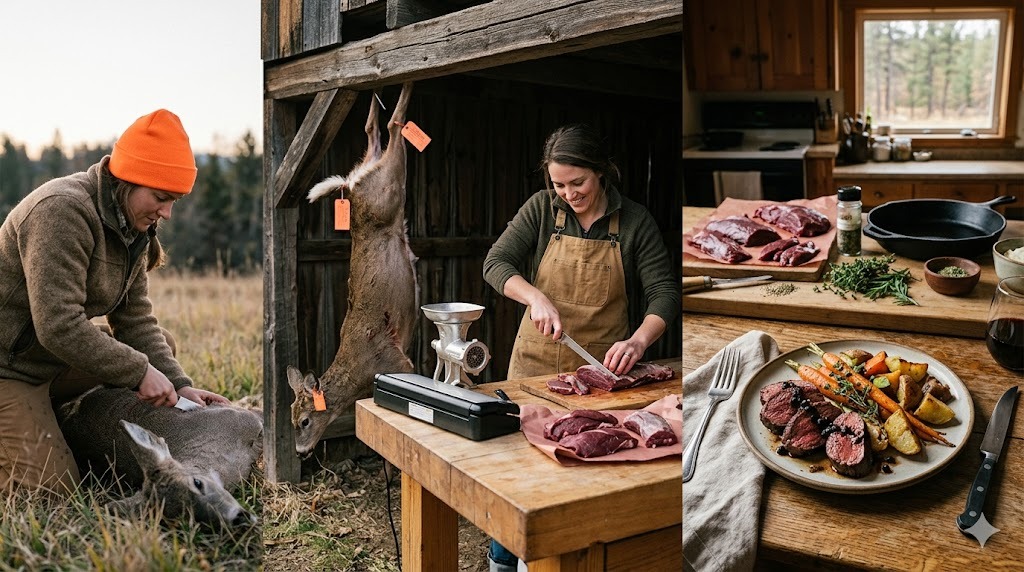
Part of our Field & Kitchen series - what happens after the shot: the handling, butchering and cooking that turn a tag into good eating.
The good news - there is really only one rule, and once you internalize it, backstrap becomes nearly impossible to mess up. Here it is, followed by five honest, repeatable ways to put it on the table.
The One Rule: Do Not Overcook It
Venison is lean. There is almost no intramuscular fat to keep it moist, which means there is no buffer once it crosses from medium-rare into well-done. Past that line, it dries out fast and the iron-rich flavor turns to liver.
So the rule is simple - pull the backstrap at medium-rare, around 130 to 135F (54 to 57C), and let it rest.
- Use a thermometer. Eyeballing doneness on a lean cut is how good meat gets wasted. An instant-read probe is the cheapest cooking upgrade you can buy.
- Pull a few degrees early. Carryover heat keeps cooking the meat after it leaves the pan or grill, raising the internal temperature several degrees as it rests.
- Rest it. Five to ten minutes on a board lets the juices redistribute so they stay in the meat when you slice.
- Slice across the grain. Cutting against the muscle fibers shortens them and makes every bite more tender.
These temperatures are a guideline for texture and taste, not a sterilization step. The real safety work happened in the field - cooling the meat fast and keeping it clean, as covered in our field-to-table venison guide. Trim silverskin off the backstrap before cooking; that thin connective sheath does not break down with quick heat and will make slices chewy.
Get the rule right and the five methods below are just variations on a theme.
1. Pan-Seared with a Butter Baste
The simplest and arguably the best. This is restaurant technique with no mystery to it.
- Cut the backstrap into steaks 1 to 1.5 inches thick, or sear a whole section. Pat dry and salt well.
- Get a cast-iron skillet hot. Add a little high-smoke-point oil and sear hard on each side to build a deep brown crust.
- In the last minute, drop in butter, a smashed garlic clove, and a sprig of thyme or rosemary. Tilt the pan and spoon the foaming butter over the meat repeatedly.
- Pull at 130 to 135F, rest, slice across the grain.
The butter baste adds the richness lean venison lacks and builds a beautiful crust. Hard to beat.
2. Grilled Medallions
Clean, fast, and great for a crowd.
- Slice the backstrap into medallions about an inch thick.
- Season simply with salt, pepper, and maybe a brush of oil. A short marinade in oil, garlic, and herbs works too, but backstrap does not need much.
- Grill over high, direct heat - this cut is too lean and quick for low-and-slow. You want a fast sear and a rare-to-medium-rare center.
- A minute or two per side is often enough. Watch the temperature, not the clock. Rest before serving.
The high heat and short cook are the whole game. Walk away and they overcook in seconds.
3. Bacon-Wrapped
The classic answer to “venison is too lean.” The bacon bastes the meat in fat as it renders.
- Cut the backstrap into steaks or thick medallions.
- Wrap each in a strip of bacon and secure with a toothpick.
- Sear in a hot pan or on the grill, turning to crisp the bacon on all sides, or finish in a hot oven.
- The challenge - bacon wants to render slowly while the venison wants to cook fast. Use a hotter, shorter cook so the bacon crisps without overcooking the meat, and still pull at 130 to 135F. Pre-cooking the bacon halfway before wrapping helps it crisp in time.
Rich, savory, and a reliable crowd-pleaser, especially for people new to venison.
4. Quick Stir-Fry
Backstrap’s tenderness makes it perfect for high-heat, fast-cooking dishes where tougher cuts would never work.
- Slice the backstrap thin across the grain. Slicing partially frozen meat makes thin, even strips much easier.
- Get a wok or large skillet screaming hot. Cook the venison in small batches so it sears rather than steams - crowding the pan drops the temperature and stews the meat gray.
- Sear the strips just until browned outside and still pink inside - 60 to 90 seconds - then pull them out. Cook your vegetables and sauce, then return the meat at the very end just to warm through.
Pepper steak, broccoli beef style, or a quick teriyaki all shine here. The key is hot, fast, and out before it overcooks.
5. Butterflied and Stuffed
A showpiece for a longer section of backstrap, and easier than it looks.
- Butterfly a section of backstrap - slice it lengthwise nearly through and open it like a book, then pound gently to even thickness.
- Spread a filling - sauteed spinach and cream cheese, mushrooms and garlic, or jalapeno and cheese all work well.
- Roll it up, tie with butcher’s twine or wrap in bacon to hold it together.
- Sear the outside in a hot pan, then finish in a moderate oven (around 375F/190C) until the center hits 130 to 135F. Rest well before slicing into pinwheels.
The filling adds moisture and flavor from the inside, which helps a lean cut stay juicy, and the sliced pinwheels look impressive on a plate.
Common Mistakes to Avoid
- Overcooking. The cardinal sin. Lean venison has no fat to save it past medium-rare. When in doubt, pull early.
- No thermometer. Guessing wastes the best cut on the animal.
- Skipping the rest. Slicing immediately dumps the juices.
- Leaving silverskin on. It turns chewy and tough.
- Slicing with the grain. Cut across it for tenderness.
- Crowding the pan. Overcrowding steams the meat gray instead of searing it.
Backstrap rewards restraint more than skill. Honor the one rule - pull it medium-rare and rest it - and any of these five methods will put a genuinely great meal on the table. For more on cooking the rest of the deer, see our broader guide to cooking wild game.