๐ŸŒฒ Honest hunting guides, learned in the field NEW 50 game species profiles published ๐Ÿ“ฉ Weekly newsletter As an Amazon Associate we earn from qualifying purchases
๐ŸŽ’ What you actually need

Hunting gear

New hunters get sold a mountain of kit they never use. This is the honest version - by category, what actually matters, what to skip, and where it pays to spend. No brands, no links, no upsell. Borrow before you buy, and add gear as your hunting tells you what you are missing.

Clothing & Layering ๐Ÿงฅ

Clothing & Layering

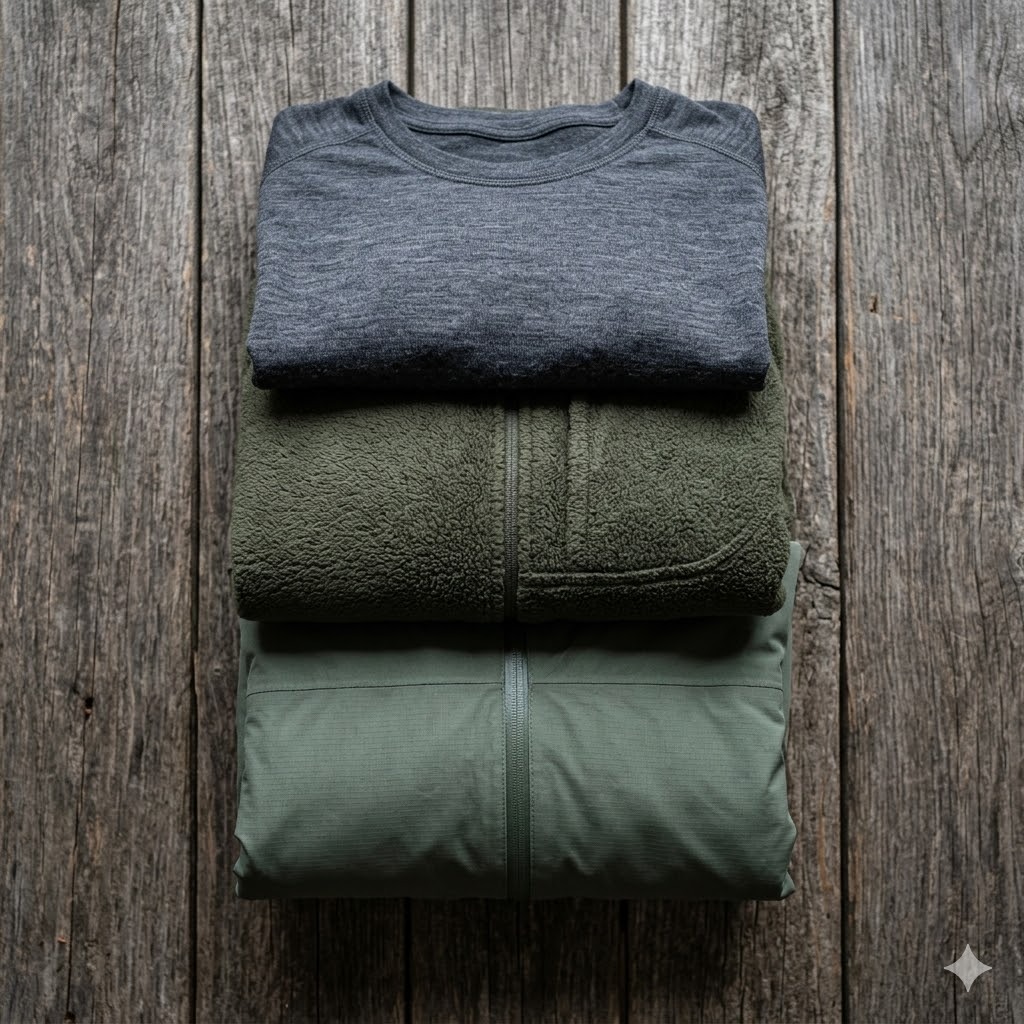
A base layer to move sweat off your skin, a mid layer for warmth, and a quiet, weatherproof outer shell. Cold is beaten by layers you can add and shed, not by one thick coat.

What matters: Quiet fabric (wool or brushed synthetics), a wind-proof outer, and merino or synthetic base layers that stay warm when damp.

Skip: Cotton anything - it soaks up sweat and chills you fast. You also do not need a different camo pattern for every terrain.

Budget: Start mid-range on the outer shell; base and mid layers can be cheap synthetics that work just as well.

๐Ÿ’ก Dress for the sit, not the walk in. Carry your warm layer and put it on once you stop moving.
Boots ๐Ÿฅพ

Boots

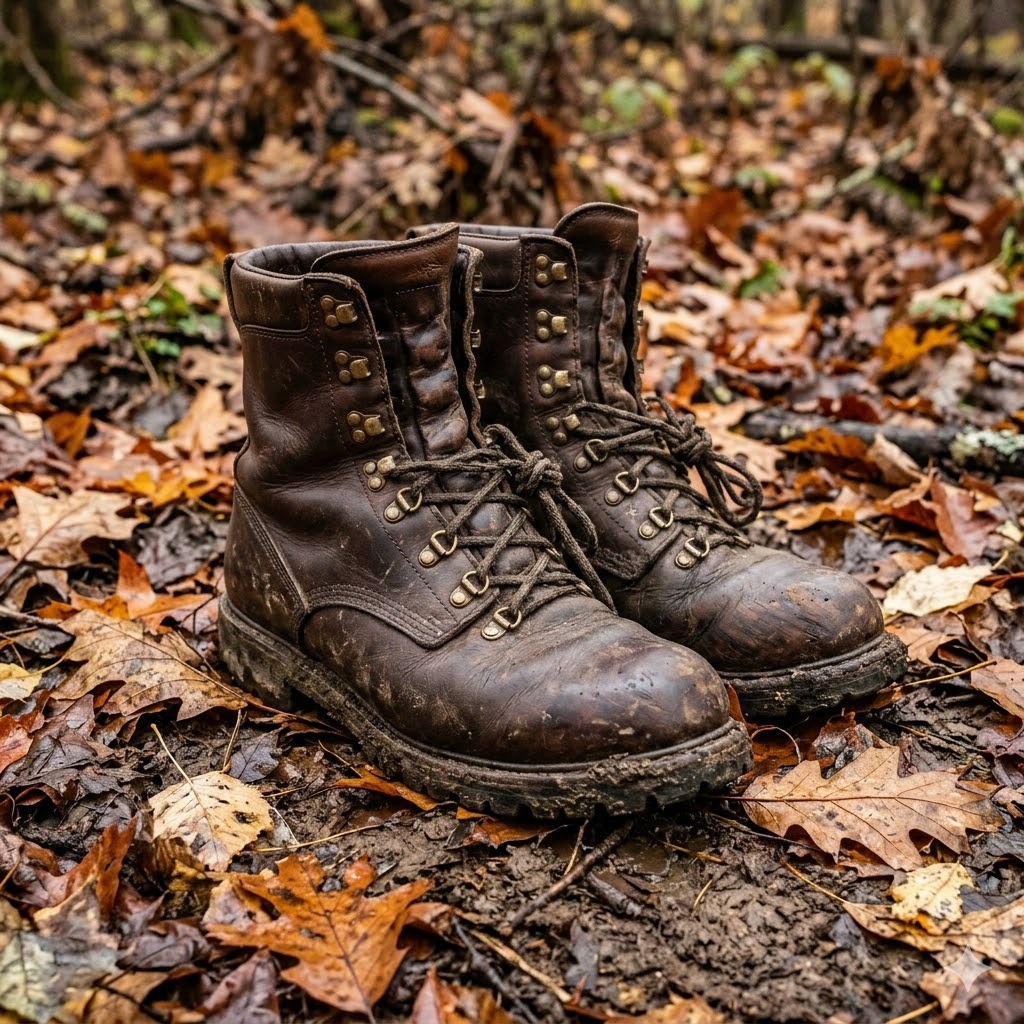
The one piece it never pays to cheap out on. The right boot depends on your ground - flat farmland, steep hills, or wet marsh each ask for something different.

What matters: Fit above all, then support for your terrain and enough insulation for how you hunt (still sits need far more than active stalks).

Skip: Heavy insulated boots if you cover miles - your feet sweat then freeze. Save the 1000-gram pacs for cold stand hunting.

Budget: Worth spending here. A well-fitted mid-price boot beats a badly-fitted expensive one every time.

๐Ÿ’ก Break boots in over weeks of walking before opening day, never on the hunt itself.

Blaze Orange & Safety ๐ŸŸ 

Blaze Orange & Safety

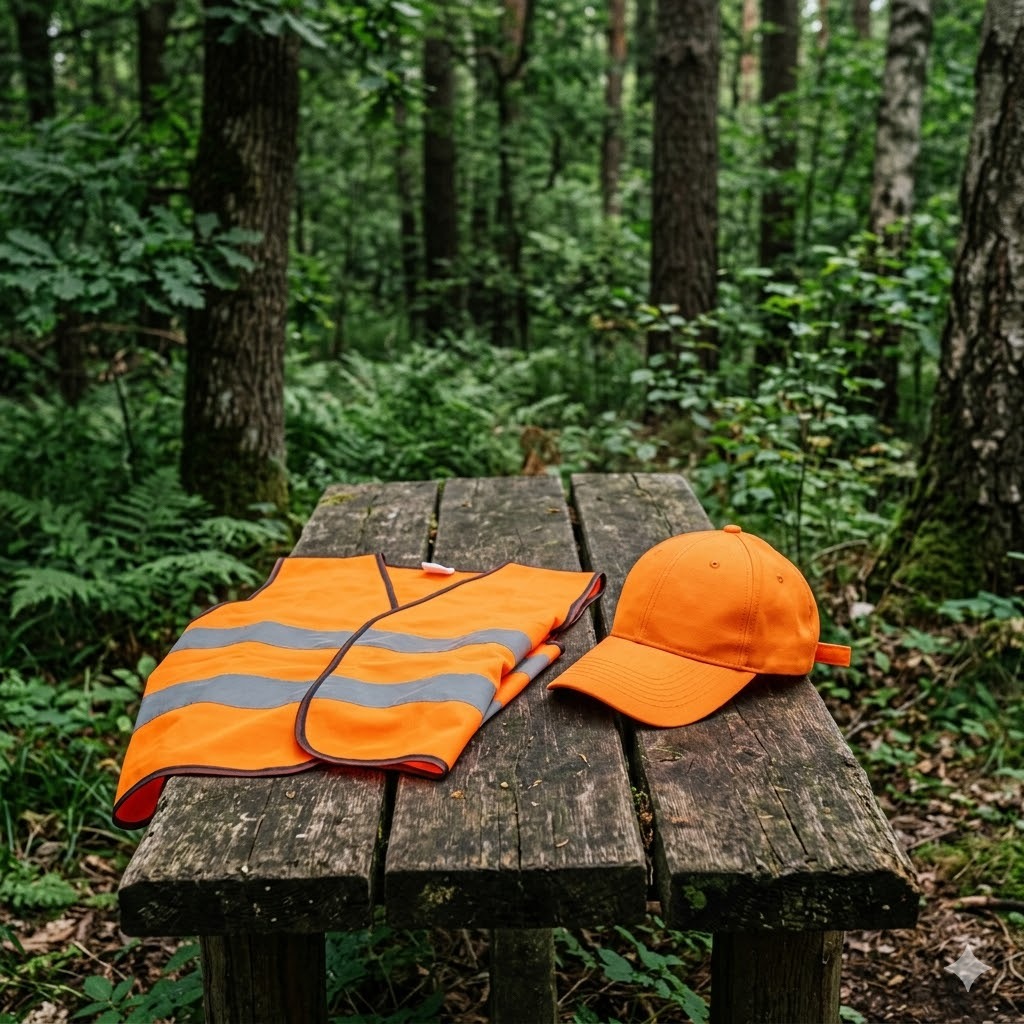
High-visibility blaze orange is legally required for many hunts and is the cheapest life insurance you will ever buy. Deer see it as grey; other hunters see it clearly.

What matters: Meeting your local square-inch requirement, worn on your torso and head where it is visible from every direction.

Skip: Nothing here - this is not the place to save weight or blend in during a firearm season.

Budget: Cheap. A vest and hat cost little and are non-negotiable where required.

๐Ÿ’ก Check your state or country rules before every season - orange requirements differ by hunt type and can change.

Binoculars ๐Ÿ”ญ

Binoculars

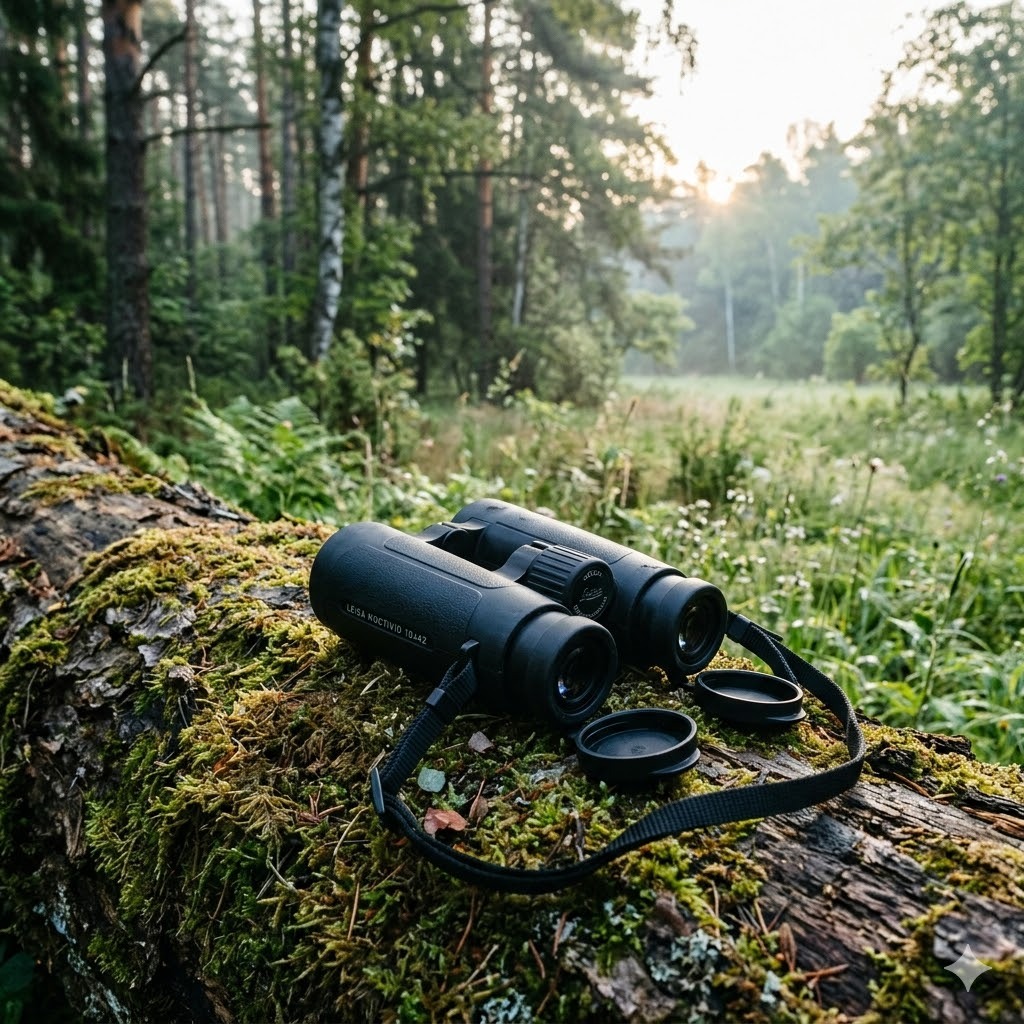
Your most-used tool after your weapon. Good glass finds game you would otherwise walk past and saves your legs by letting you check ground from a distance.

What matters: 8x42 or 10x42 for most hunting - bright, steady and versatile. Clear glass beats high magnification you cannot hold still.

Skip: Anything above 12x for general hunting (too shaky handheld) and pocket compacts that gather too little light at dusk.

Budget: A big step up happens at the mid tier. Spend here before you spend on a fancy scope.

๐Ÿ’ก Use a bino harness, not a neck strap - it keeps glass steady on your chest and out of the brush.

Knife & Field-Dressing Kit ๐Ÿ”ช

Knife & Field-Dressing Kit

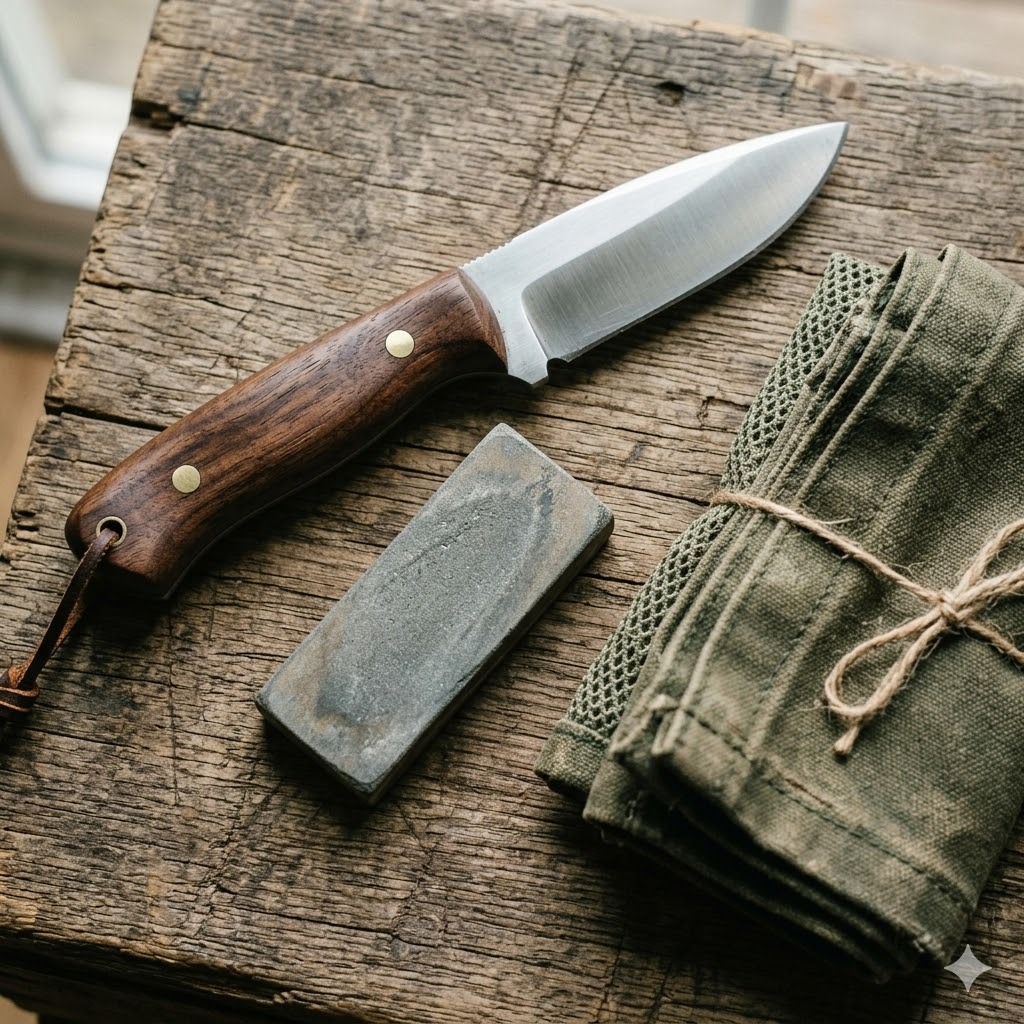
You need to field-dress and process what you take. A modest sharp knife does far more than a big showy blade.

What matters: A blade that holds an edge, plus a way to sharpen in the field. Gloves, game bags and a small bone saw round out the kit.

Skip: Huge survival knives - they are clumsy for the fine work of dressing an animal. Replaceable-blade knives dodge sharpening entirely.

Budget: Cheap-to-mid. Edge-holding and a comfortable grip matter more than a premium name.

๐Ÿ’ก A dull knife is the dangerous one. Touch up the edge before every outing, not after it fails.

Pack & Load Hauling ๐ŸŽ’

Pack & Load Hauling

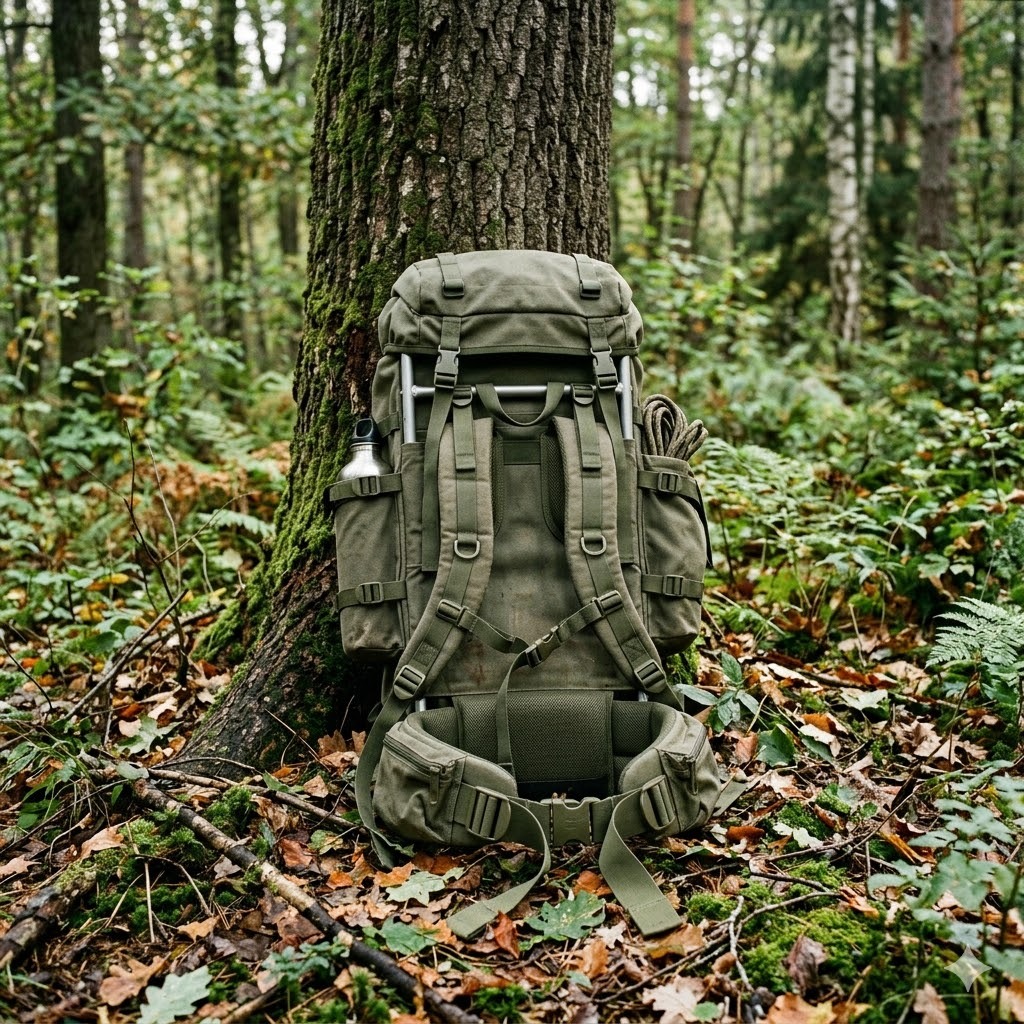
Carries your gear in and, on a good day, meat out. Day hunts need little; backcountry hunts need a frame that hauls heavy loads without wrecking your back.

What matters: The right size for your hunt (over-packing is the usual mistake), a comfortable hip belt, and a load shelf if you pack out meat.

Skip: Giant expedition packs for morning sits from the truck. Match the pack to the actual trip.

Budget: Day packs can be inexpensive; invest in the suspension only if you carry heavy loads long distances.

๐Ÿ’ก Pack it the night before and weigh it. If you never unpack half the items, leave them home next time.

Navigation ๐Ÿงญ

Navigation

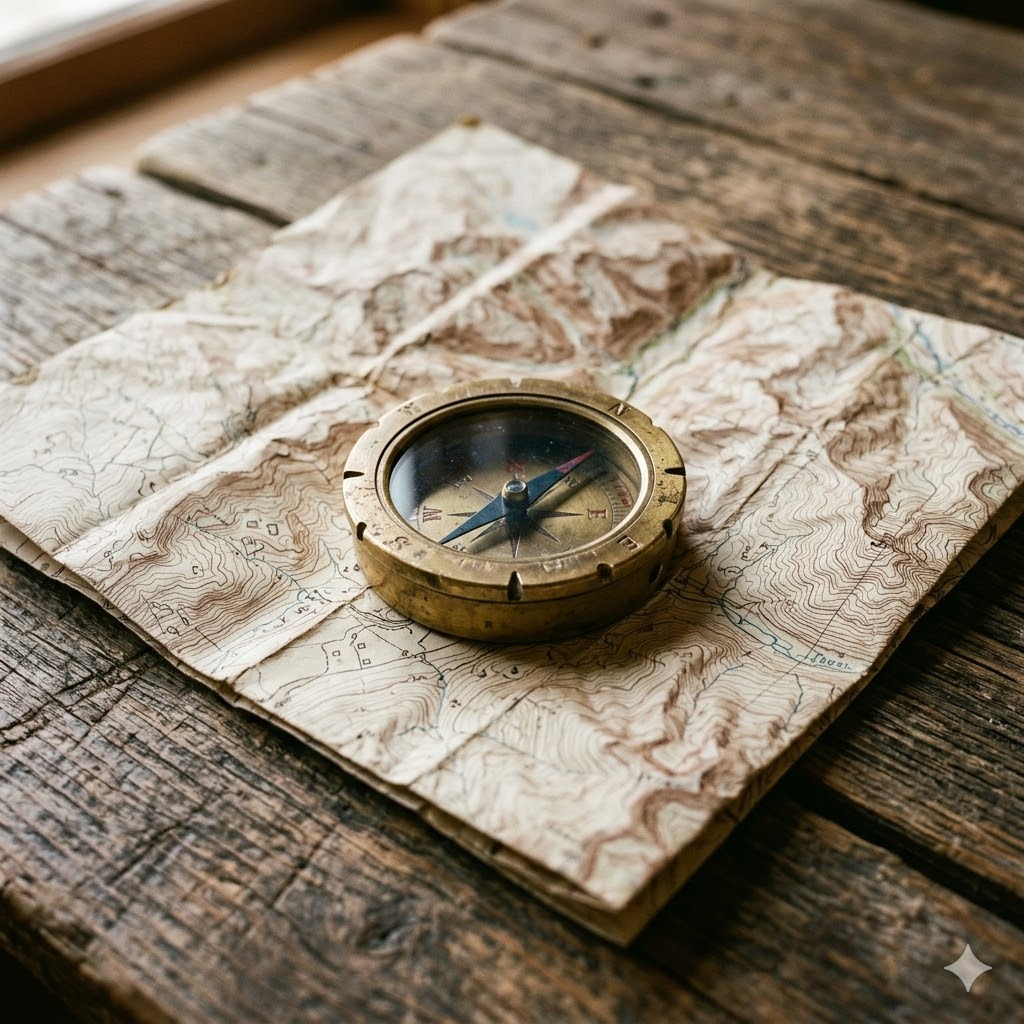
Knowing where you are, where property lines run, and how to get back in the dark. A phone app plus a backup keeps you found.

What matters: An offline mapping app with property boundaries, and a paper map and compass as backup when the battery dies.

Skip: Relying on cell signal - it fails exactly where you hunt. Do not lean on one electronic device alone.

Budget: Mostly free or a small app subscription. A compass and printed map cost almost nothing.

๐Ÿ’ก Drop a pin at your vehicle and your stand before you walk in. Learn the compass before you need it.

Rangefinder ๐Ÿ“

Rangefinder

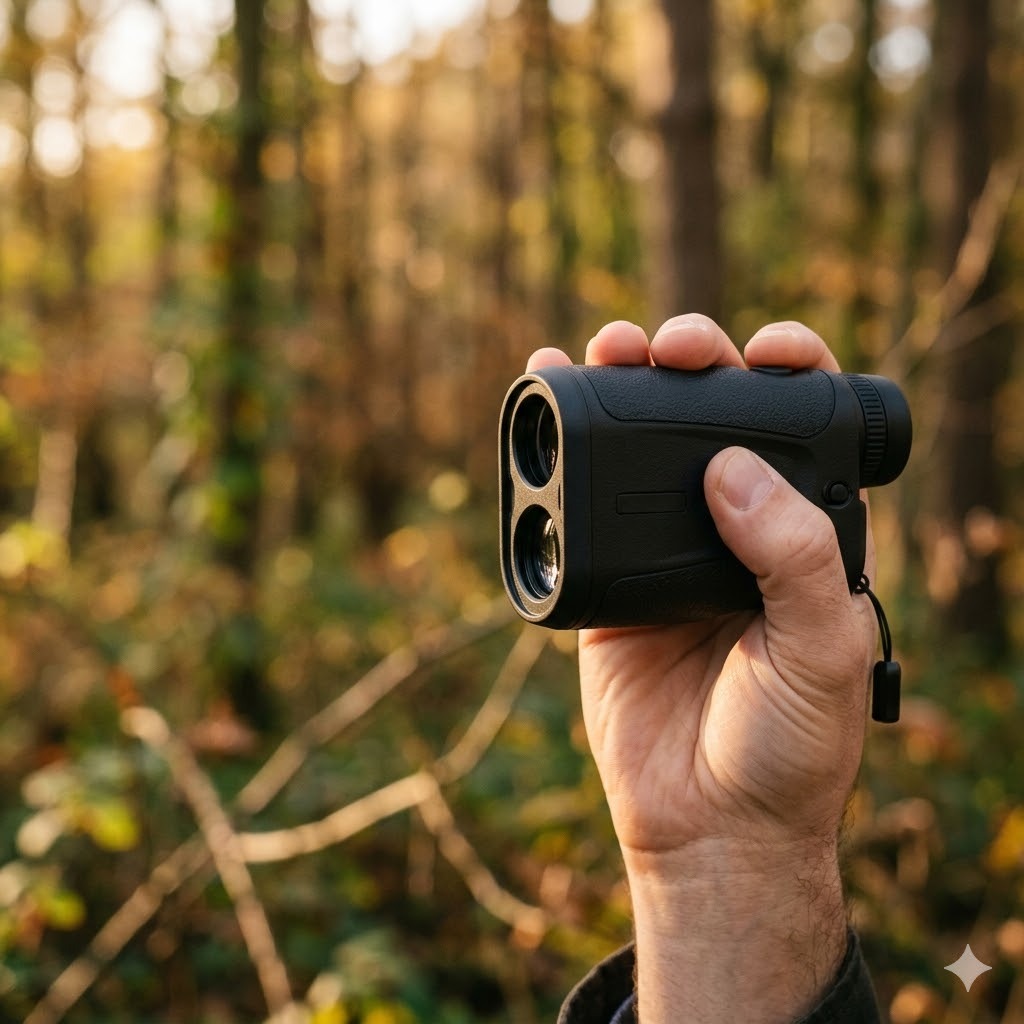
Removes the guesswork from distance, which is where most missed and wounded shots come from. Especially valuable for archery and open-country rifle.

What matters: Reliable readings out to the range you actually shoot, and angle compensation if you hunt from tree stands or steep hills.

Skip: Extreme-range models if you only take ethical close shots. Do not pay for 2000 yards you will never use.

Budget: Mid-range covers most hunters. Angle compensation is the feature worth paying up for.

๐Ÿ’ก Range landmarks around your stand while you wait, so you already know the number when the animal steps out.

Calls & Scent Control ๐Ÿ“ฃ

Calls & Scent Control

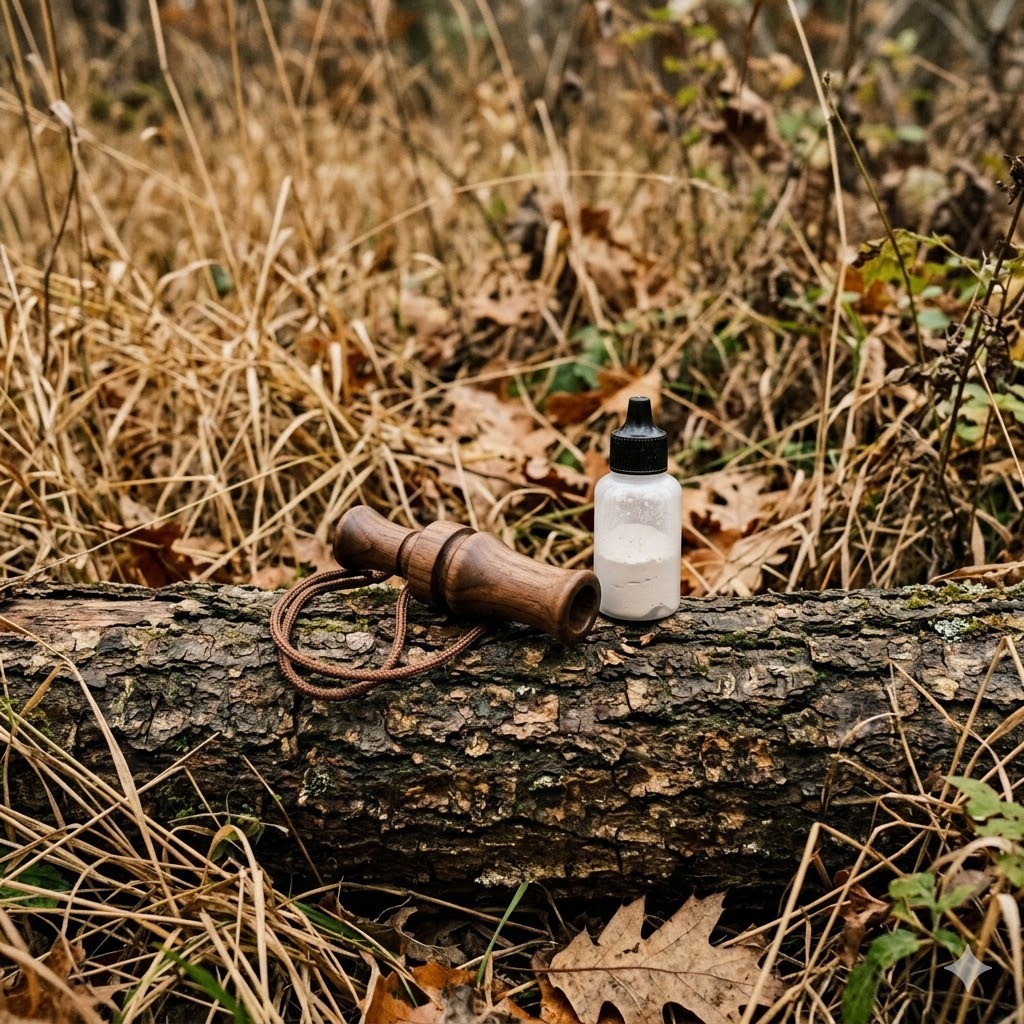
Calls can pull game into range; scent control keeps you from being busted before you get a shot. Both help, neither replaces good woodsmanship.

What matters: Learning one or two calls well for your quarry, and above all playing the wind - the wind beats every scent product ever made.

Skip: A pocket full of calls you cannot use and expensive cover scents used as a substitute for hunting the wind.

Budget: Cheap. Calls and scent-control basics cost little; skill and wind discipline are free.

๐Ÿ’ก Wind first, everything else second. No spray saves you when you are hunting upwind of a deer.

First Aid & Survival Basics ๐Ÿฉน

First Aid & Survival Basics

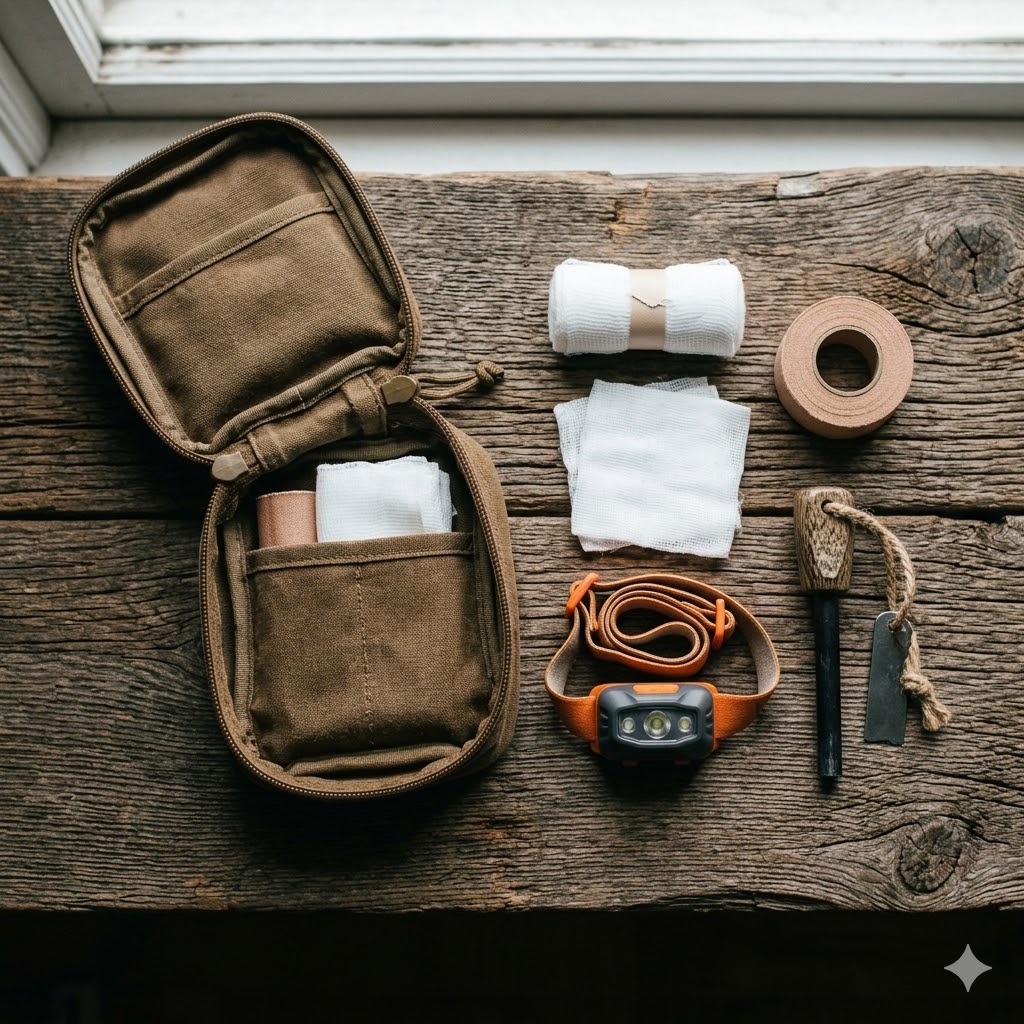
The small kit you hope never to open. A twisted ankle or a cut miles from the truck is a real risk on every hunt.

What matters: A compact first-aid kit, a way to make fire, a headlamp with spare batteries, water, and telling someone your plan.

Skip: Bulky pre-made survival kits full of things you cannot use. Build a small kit you actually understand.

Budget: Cheap and life-saving. Assemble your own from basics rather than buying a heavy boxed set.

๐Ÿ’ก Always leave a trip plan with someone: where you are hunting and when you will be back.

โš ๏ธ Gear helps, but woodsmanship kills - scouting, patience and knowing your quarry beat any purchase. Before you spend, sort your zero with the zero & holdover tool, pack smart with the sight-in card and pack-out checklist, and if you are just starting, read hunting for beginners. Always follow every local law, season and blaze-orange rule.

From the field, weekly.

One email a week through the season - tactics, gear that earns its weight, and honest takes. Opt out any time.

๐ŸฆŒ
๐Ÿฆƒ
๐ŸŒฒ