Raising Alpacas: How to Keep a Small Herd of Fiber Animals on a Homestead
Keep a few gentle alpacas on modest pasture for a yearly harvest of soft fleece, gentle land management, and a herd that is about as easy on your grass as livestock gets.
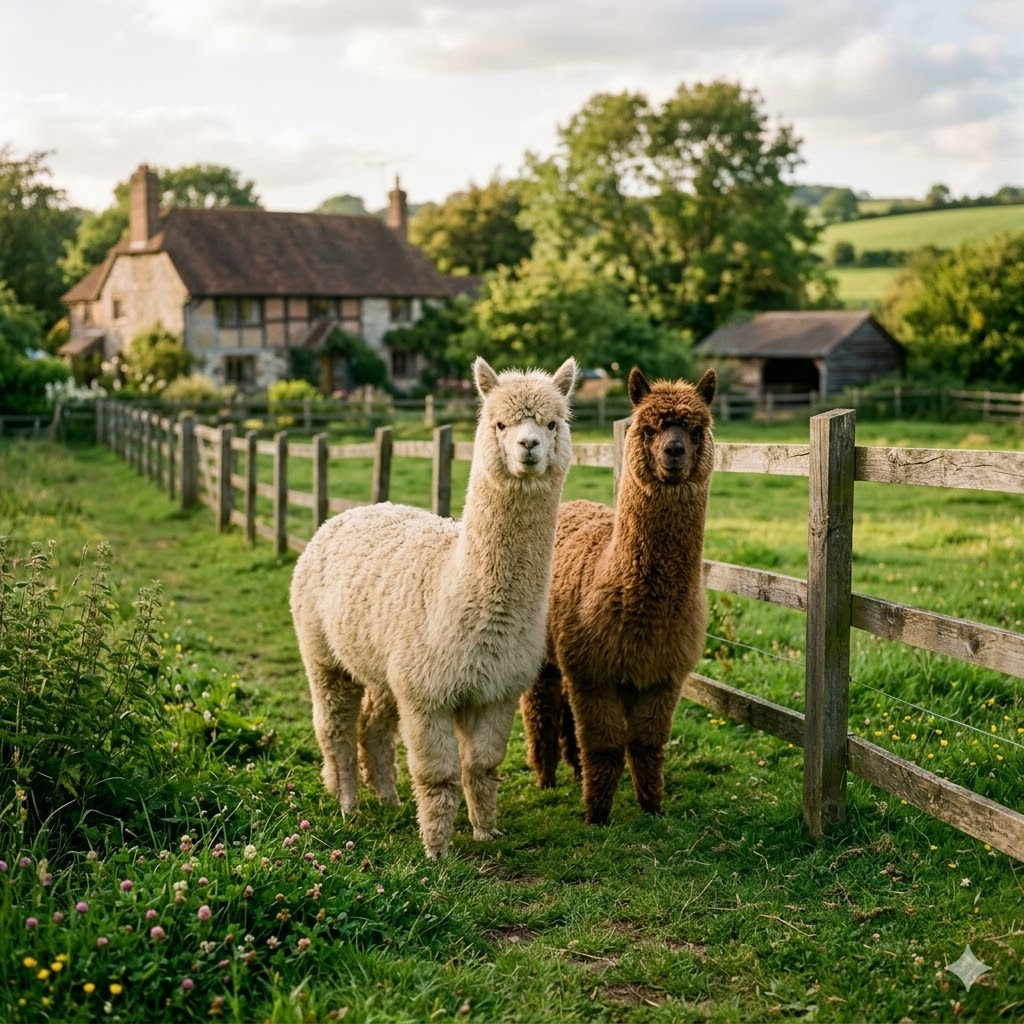
Alpacas are one of the gentlest, lightest-footed animals you can put on a small homestead. They are fiber animals first - you keep them for the soft, warm fleece they grow and you shear off once a year - and they ask for far less land, feed, and fencing than cattle or even sheep. The catch is that they are herd animals through and through, so you never keep just one, and they need a steady rhythm of shearing, toenail trimming, and dental checks to stay healthy.
Is it right for you?
Alpacas suit the smallholder who wants livestock that is calm, quiet, and easy on the land. They do not tear up pasture the way heavier stock does - their soft, padded feet and their habit of nibbling rather than ripping mean grass recovers well. They are also clean animals that use a communal dung pile, which keeps parasites down and makes manure easy to collect for the garden.
The single rule you cannot bend is that alpacas must be kept in company. They are prey animals with a deep herd instinct, and a lone alpaca becomes stressed, depressed, and unhealthy. Plan on keeping at least two, and three or more is better. That means your setup, your feed budget, and your time all have to account for a small group from the start.
Understand too that the payoff is slow and modest. You are not raising alpacas to fill a freezer - most homesteaders keep them for fleece, for gentle land management, or simply because they enjoy them. If you want fast, obvious returns, this is not the animal. If you want a low-labor, long-lived, pleasant herd that hands you a bag of beautiful fiber once a year, they fit well.
Before you commit, check local zoning and any minimum-acreage or livestock rules in your area, and make sure you can line up a shearer, because that once-a-year job is not optional.
Best breeds
Alpacas come in two types rather than many breeds, and the difference is all about the fleece.
- Huacaya - by far the most common type. They have dense, crimpy, fluffy fleece that gives them a soft, teddy-bear look. The fiber is springy and easy to work with, and Huacayas are the sensible default for a first-time keeper.
- Suri - less common, with fleece that hangs in long, silky, twisting locks rather than fluffing out. Suri fiber is lustrous and prized, but the type is rarer and the fleece is more specialized to handle, so most beginners start with Huacaya.
Beyond type, choose for temperament and health rather than color or show points. Look for animals that are calm, well-halter-trained if possible, and coming from a herd that is well cared for. A friendly, healthy alpaca from a good breeder is worth more to you than a fancy pedigree.
Land, fencing and shelter
Alpacas are light on land, which is much of their appeal. A rough guide is that a small acre of decent pasture can support several alpacas, far more than the same ground would carry in cattle. As always this swings with grass quality and climate, so ask a local breeder or your extension office what your ground will actually hold, and rotate them between paddocks if you can to keep the grass and the parasites in check.
Fencing is more about keeping danger out than keeping alpacas in. Alpacas themselves are not great escape artists and rarely challenge a fence, but they are vulnerable to dogs and other predators, and a dog attack is one of the most common ways alpacas come to harm. Good stock fencing - woven wire is ideal - that keeps loose dogs and predators out is the priority. Avoid barbed wire, which can tear their fleece and skin.
Shelter can be simple but should be real. Alpacas handle cold well thanks to their fleece, but they need shade in summer heat and a dry place out of driving rain, wet snow, and wind. A three-sided run-in shed or an open barn bay does the job. In hot climates, shade and cool water matter a great deal, because a heavily fleeced alpaca can suffer badly in high heat and humidity - many keepers shear before summer partly for this reason.
Clean water always available, a dry loafing area, and their communal dung pile kept away from the water and feed round out a healthy setup.
Feeding
Alpacas are efficient grazers with simple needs, and overfeeding is a more common mistake than underfeeding. In the growing season, good pasture is the base of their diet, and a small group on decent grass needs little else. When grass is short or dormant, you feed grass hay - a modest amount per animal, far less than a cow or horse eats.
Go easy on grain and rich feed. Alpacas evolved on sparse mountain forage, and too much rich feed makes them fat and can cause health problems. Most keepers give little or no grain, offering at most a small measured supplement to pregnant or nursing females or animals that need condition. A good grass-and-hay diet keeps a healthy alpaca in fine shape.
What they do need reliably is a mineral supplement formulated for camelids or alpacas, because they have particular requirements - vitamin D in low-light winters is a common one, especially for young or dark-fleeced animals. Ask a local alpaca keeper or your vet what mineral and vitamin program suits your area. Constant clean water rounds out the diet.
Daily care and routine
Day to day, alpacas are low-labor. A twice-daily check is mostly a look - are they all there, are they bright and content, is anyone off feed, limping, or sitting apart, is the water clean and full and the hay topped up. Because they use a communal dung pile, cleaning up after them is quick and tidy compared with most stock.
The real work is periodic rather than daily, and it is the part beginners underestimate. Alpacas need their toenails trimmed regularly - the soft foot pad grows a nail that overgrows and causes lameness if left, so plan on trimming every couple of months or so. Their teeth need watching too: the lower front teeth can overgrow and may need trimming, and older animals can develop tooth trouble that affects eating. Getting them used to being handled and haltered young makes all of this far easier.
The big yearly job is shearing. Alpaca fleece grows continuously and must be sheared once a year, usually in spring before the heat. An unsheared alpaca is at real risk of overheating in summer, so this is a welfare need, not just a harvest. Most keepers hire an experienced alpaca shearer, since the animals are laid down and restrained gently and it is a skilled job. Book your shearer well ahead, because good ones travel a circuit and fill up fast.
Common health issues
Alpacas are hardy but a few things come up often enough to know by name: internal parasites (worms, which the communal dung pile helps control but does not eliminate), heat stress (a serious summer danger for a fleeced animal), overgrown toenails and teeth (lameness and eating trouble if care is skipped), and vitamin D or mineral deficiency (especially in young, dark, or winter-kept animals). They are also stoic prey animals that hide illness well, so a subtle change - sitting apart, going off feed, losing condition - is often the first and only warning.
Because alpacas mask sickness, the most important health practice is knowing your animals well enough to notice small changes, and having a vet who is comfortable with camelids before you need one. Not every rural vet has alpaca experience, so line one up early. Lean on them for a sensible parasite plan, mineral and vitamin guidance for your region, and body-condition checks, since a full fleece can hide an animal that is quietly getting too thin or too fat.
What you get (and processing)
The main harvest from alpacas is fiber. Once a year at shearing you collect fleece - the prime blanket fiber off the back and sides is the good stuff, soft, warm, and free of the guard hair that coarsens sheep wool. Depending on the animal you get a few pounds of usable fleece per alpaca per year. You can spin it yourself, send it to a fiber mill to be processed into roving or yarn, sell the raw fleece, or trade with other fiber folk. It is a modest but genuinely lovely return from a low-input animal.
There is no meat processing to plan for the way there is with a meat animal - homestead alpacas are kept for fiber and for the pleasure of them, and they live a long time, often into their late teens or twenties. That longevity is part of the deal: an alpaca is a years-long commitment, not a season's project.
Their manure is a second quiet benefit. Alpaca dung is gentle enough to use on the garden with little or no composting, and because they pile it neatly, it is easy to collect. Many keepers value the manure nearly as much as the fleece.
Getting started
Start by finding a reputable local breeder, and buy at least two animals so they are never alone. Wethers - castrated males - are the easiest and cheapest starting point for a fiber-and-pleasure herd, since they are calm, get along, and take breeding entirely off your plate. Look for animals that are bright, alert, in good condition, and used to being handled, and ask about their fleece, their vaccination and worming history, and their vitamin and mineral program.
Before they come home, have the basics ready: predator-proof fencing, a shaded dry shelter, clean water, a camelid mineral supply, and a plan for who will shear them and trim their feet. Buying local means the animals are suited to your climate and that you have an experienced person nearby to call with questions. Get them halter-trained and used to handling early, and you will have a gentle, easy herd that hands you a bag of soft fiber every spring for many years.
Rough costs
Alpaca costs are moderate - lighter than cattle, with most of the money in the animals themselves and in the yearly shearing.
- The animals - alpaca prices vary widely, from a few hundred dollars for a pet-quality wether to well over a thousand for breeding or show stock. For a fiber-and-pleasure herd, budget-friendly wethers keep the entry cost down.
- Fencing and shelter (upfront) - predator-proof stock fencing and a simple run-in shed are the main setup costs, ranging from modest to a few thousand depending on how much you build yourself and what you already have.
- Feed - low and seasonal: mostly winter grass hay plus a camelid mineral supplement, far cheaper per animal than larger stock.
- Shearing and foot care - a real yearly expense, since you pay a traveling shearer per animal each spring; foot and tooth trimming you can often learn to do yourself.
- Vet and incidentals - routine parasite control, occasional vet visits, and small supplies, ongoing but modest.
Penciled out, alpacas are one of the more affordable and pleasant livestock choices for a small acreage. You will not get rich on the fleece, but for a gentle herd that is easy on your land and hands you soft fiber once a year, they are hard to beat - as long as you never forget that they need company and that yearly shear.