๐ŸŒฒ Honest hunting guides, learned in the field NEW 50 game species profiles published ๐Ÿ“ฉ Weekly newsletter As an Amazon Associate we earn from qualifying purchases
Home/Homestead/Livestock/Dexter Cattle

Raising Dexter Cattle: How to Keep a Compact Heritage Cow for Milk and Beef on Less Land

Keep a Dexter or two, the small dual-purpose heritage breed, for both milk and beef on roughly half the land, feed, and fencing a full-size cow needs - a real cow, scaled down to a homestead.

Dexter Cattle
Gives
Milk & beef
Space
Pasture / acreage
Effort
Advanced
Type
Livestock

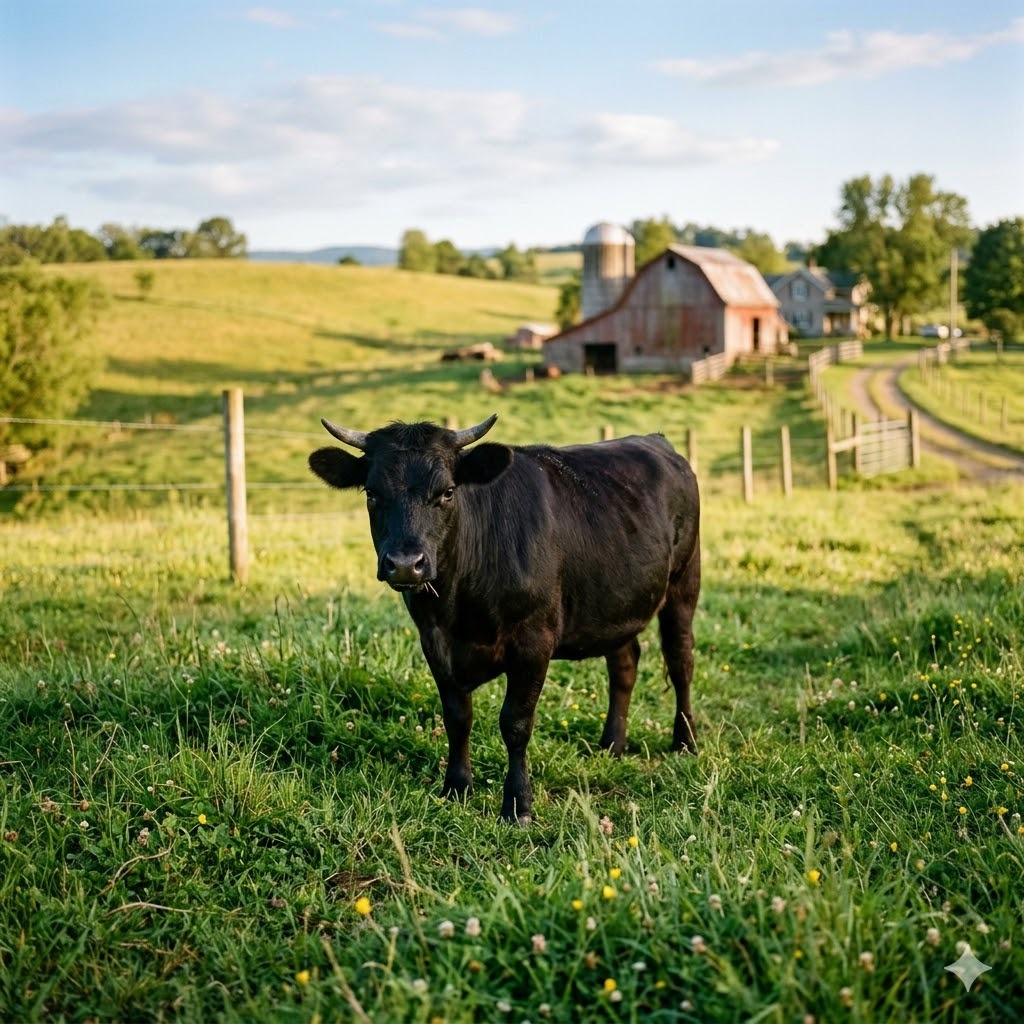
Dexters are the homesteader's cow. They are a compact heritage breed, roughly half the size of a standard cow, bred to give both milk and beef on less land and less feed than their big cousins. That smaller scale is the whole point: a Dexter fills a freezer or a milk pail while eating less grass, needing lighter fencing, and being easier and safer to handle than a full-size animal. They are still cattle, though - they still need real pasture, sound fencing, winter hay, and calm, respectful handling. Do not mistake small for trivial.

Is it right for you?

Dexters suit the homesteader who wants the products of a cow - milk, beef, or both - without the land, feed bill, and sheer bulk of a full-size animal. Because they are compact and generally docile, they are far more manageable for a smaller acreage and for someone newer to cattle, while still being a genuine cow rather than a novelty. Their dual-purpose nature is the appeal: one breed can give you a family's milk and, over time, beef as well.

That said, they are cattle, and cattle are a bigger commitment than goats, pigs, or poultry. You need pasture, dependable water, sound perimeter fencing, a winter hay plan, and a safe way to handle and restrain the animal when the vet comes or it needs treatment. A Dexter is smaller and easier than an Angus, but a loose or panicked cow of any size is strong and can hurt you, so the infrastructure and the respect still matter.

Decide what you want from them before you start. The simplest homestead path is to buy a steer or two to graze and finish for beef, with no breeding involved - just grass in and beef out. If you want milk, you keep a cow, which means breeding her about once a year to keep her fresh, calving, and milking her daily while she is in milk, which is a real daily tie. Many keepers do both: a house cow for milk plus steers for beef. Keep at least two animals in any case, since cattle are herd animals and a lone one is stressed and harder to handle. Check local zoning and any minimum-acreage or livestock rules, since cattle are often regulated more tightly than smaller stock.

Best breeds

Dexter is itself the breed, so the choices here are about type and purpose within it rather than among breeds.

  • Standard dual-purpose Dexter - the classic homestead animal, bred to give reasonable milk and good beef from the same small frame. For most smallholders wanting versatility, this is the sensible default.
  • Milkier lines - some Dexters and some breeders emphasize milk, giving a cow better suited as a house cow. If milk is your main goal, seek out animals from a milking line with a good udder and temperament.
  • Beefier lines - other lines lean toward growth and carcass, better if beef is your priority. Steers from these finish into a tidy freezer's worth of meat.
  • A note on genetics - Dexters carry a couple of known genetic traits, including one associated with very short-legged calves, that responsible breeders test for and manage. Buy from a breeder who tests and can talk honestly about the genetics of their herd, so you avoid trouble in any calves you raise.

Above all, choose for temperament, health, and soundness. A calm, well-handled Dexter with good feet and a sound udder from a careful breeder is worth far more than a bargain animal of unknown background.

Land, fencing and shelter

The headline advantage of a Dexter is how much less land it needs. Where a full-size cow might need an acre or more to itself, a Dexter's smaller frame means you can carry more animals on the same ground, or the same number on far less - a real gift on a smallholding. As always the exact carrying capacity depends on your grass and climate, so ask a neighbor or your extension office what your ground will hold, and rotate the animals between paddocks to keep the grass healthy and stretch it further.

Fencing still matters, but it is lighter work than for a big cow. Dexters are generally calm and less inclined to test fences than a large, pushy animal, so good stock fencing - well-built woven wire or a properly charged multi-strand electric fence - holds them well without the heaviest infrastructure. Walk the fence regularly and fix weak spots promptly, because even a small loose cow on the road is a danger and a headache. Sound gates and corners complete it.

Water must be reliable and clean; even a small cow drinks a fair amount, more in summer heat, and will not thrive on a half-empty trough. An automatic waterer, a kept-filled tank, or clean year-round access to a pond or stream all work, with a plan for keeping it open in winter. Shelter is simple - cattle need a windbreak and shade rather than a barn, so a stand of trees, a three-sided run-in shed, or a sheltering hill is enough, with dry footing where they loaf to keep their feet sound. Because Dexters are hardy, they winter outdoors well given a windbreak and dry ground.

The piece beginners forget is handling facilities. Even a docile Dexter needs to be safely contained and restrained sometimes - for the vet, for treatment, for loading, or for milking. At minimum build a small sturdy catch pen, and ideally a simple chute or head gate. Their smaller size makes this easier and cheaper than for a big cow, but you still want it built before you need it, both for your safety and for calm, low-stress handling of the animal.

Feeding

Like all cattle, Dexters are built to run on grass, and that is the cheap, self-sufficient heart of feeding them. In the growing season, good pasture is the base of the diet, and a healthy Dexter on decent grass needs little else - their smaller size means they eat proportionally less than a full-size cow, which is much of the breed's economy. Enough well-managed pasture is what lets them feed largely off your own land.

When the grass stops growing, you feed stored hay, and this is the seasonal cost people underestimate even with a small breed. A Dexter eats meaningfully less hay over winter than a big cow, but it still adds up over the cold months, so line up good hay in summer when it is cheaper and buy a little more than you think you need rather than running short late in winter. Ask local cattle folk what is normal for a small cow in your area and your winter length.

Beyond grass and hay, Dexters need year-round access to a good loose cattle mineral and constant clean water. A milking cow has higher needs and usually gets a measured grain ration while she is milked to keep her condition and production up; a grazing steer being finished for beef needs little or no grain, though some keepers add a little in the final weeks for extra fat and marbling. As with any cattle, make feed changes gradually to avoid digestive upset.

Daily care and routine

For beef steers, the daily labor is genuinely low, and their small size makes it lower still. Once they are on good pasture with sound fences and full water, a check is mostly a look - are they all present and content, is anyone limping or off by themselves, is the water flowing and the fence holding. Five or ten minutes, twice a day, with hauling hay and breaking ice added in winter.

A milking Dexter is a bigger daily commitment, closer to keeping a dairy goat scaled up. A cow in milk is milked on a fairly steady schedule while she is fresh, which ties you to home and to a routine, and someone competent must cover it if you are away. Milking a gentle Dexter by hand is very doable thanks to their size and temperament, but it is a real daily job with the cleanliness demands any milk animal brings. Decide honestly whether you want that tie before you take on a house cow.

Either way, calm, respectful handling is the constant. Even a small, friendly cow is strong, and a swing of the head or a sudden bolt can hurt you, so move slowly and predictably, do not corner yourself, and do your sorting, treating, and loading in a proper pen rather than out in the open. Quiet, routine handling keeps the animals easy to work with and, on the day a beef animal goes to the processor, keeps things calm and the meat better for it. Hooves and general condition want an occasional check, and a milking cow's udder wants watching for any sign of mastitis.

Common health issues

Dexters are hardy, but the usual cattle troubles apply, scaled down: internal and external parasites (worms, lice, flies), bloat (a dangerous gas buildup, often from certain rich pastures), pinkeye (a contagious, fly-spread summer eye infection), and foot problems (lameness from wet ground, injury, or infection). Milking cows can develop mastitis, watched for at every milking, and calving brings its own risks that need attention. On top of the general list, Dexters carry a couple of known breed genetic traits that responsible breeding manages, which is why buying tested stock matters if you plan to raise calves.

The single most important health point with any cattle, small breed included, is to build a relationship with a large-animal or livestock vet before you need one. Cattle problems can turn serious quickly, and you want someone who already knows you and your setup. Lean on that vet for diagnosis, a sensible parasite and vaccination plan for your area, and any calving or breeding help, and ask about proper withdrawal times so no treatment carries through to the milk or meat. Do not guess at medicines or doses, even on a smaller animal.

What you get (and processing)

The payoff depends on your path, and the dual-purpose nature is the joy of the breed. A finished Dexter steer yields a tidy freezer's worth of good beef - less than a full-size steer, but a genuine supply of steaks, roasts, and ground beef grown almost entirely on your own grass, and often just right for a single family without the excess a big steer leaves. A house cow gives your family's milk, rich and fresh, which you can drink and turn into butter, cheese, and more, with plenty to spare. Many keepers get both from a small herd: milk from the cow and beef from her steers.

For beef, you use a licensed processor for the harvest and butchering rather than doing it in the yard, both because it is a skilled job and because in most places selling or sharing meat brings rules about proper processing and inspection. Book the processor's appointment well in advance, since good ones fill up months out, and tell them how you want the beef cut and wrapped. A calm, well-handled Dexter loads and travels more easily than a big, panicky animal, which is better for the animal and the meat.

Check your local rules on whether milk and meat are for your own use only or can be sold or shared, since that changes what processing and inspection you need, and dairy in particular is often tightly regulated. The manure is a quiet bonus for the garden and pasture. Between milk, beef, and compost, a small Dexter herd can feed a homestead in more ways than one, on less ground than you would think.

Getting started

Start small and start with your goal in mind. For beef, buy one or two healthy weaned steers in spring from a reputable local Dexter breeder or farm, graze them through the season, and finish them for the freezer - no breeding required. For milk, buy a gentle, sound house cow, ideally one already trained to milk, from a breeder who can tell you honestly about her temperament, udder, and production. In both cases look for bright, alert, well-grown animals with sound feet, and ask about vaccination, worming, and, for breeding stock, genetic testing.

Before they arrive, have the infrastructure done: fences walked and tight, water set up, a windbreak or shed, a loose mineral feeder, and at least a basic catch pen. Have winter hay lined up or know exactly where it is coming from, and for a milk cow, a milking setup ready. Introduce yourself to a large-animal vet, and for beef, book a processor for finishing time so you raise the animal to meet a date. Then graze them, keep them healthy and calm, and you will learn the whole cycle on an animal scaled to a homestead rather than a ranch.

Rough costs

Dexters cost less to keep than full-size cattle, but they still carry the real costs of keeping cows, just scaled down.

  • Infrastructure (upfront) - fencing, water, a shelter or windbreak, and handling facilities, generally lighter and cheaper than for a big cow but still ranging from several hundred to a couple of thousand dollars or more depending on what you build and already have. Mostly a one-time investment that lasts years.
  • The animals - a Dexter, being a heritage breed, often costs more per head than a commodity beef calf; budget from a few hundred to over a thousand dollars depending on quality, and more for proven milking or breeding stock.
  • Winter hay - a real seasonal expense, though less per animal than a full-size cow eats; budget generously and buy in summer when it is cheaper.
  • Minerals, vet care, and incidentals - ongoing but modest: loose minerals, routine vet visits, parasite control, and the odd repair.
  • Processing - for beef, paid at the end, generally a few hundred dollars or more per animal for kill, cut, and wrap, depending on the carcass.

Penciled out, a Dexter or two is one of the most practical ways to get real milk or beef onto a smaller homestead. You get a genuine cow's products on roughly half the land and feed, from an animal that is easier and safer to handle than its full-size cousins - but it still asks for pasture, sound fencing, winter hay, and real respect. Meet those, and a small heritage cow gives back out of all proportion to its size.

From the field, weekly.

One email a week through the season - tactics, gear that earns its weight, and honest takes. Opt out any time.

๐ŸฆŒ
๐Ÿฆƒ
๐ŸŒฒ