Raising Ducks: A Beginner's Guide to Eggs, Meat, and a Mud-Happy Flock
Hardier than chickens and easier to keep, ducks give you rich eggs and pest control in exchange for a tub of water and a bit of mud.
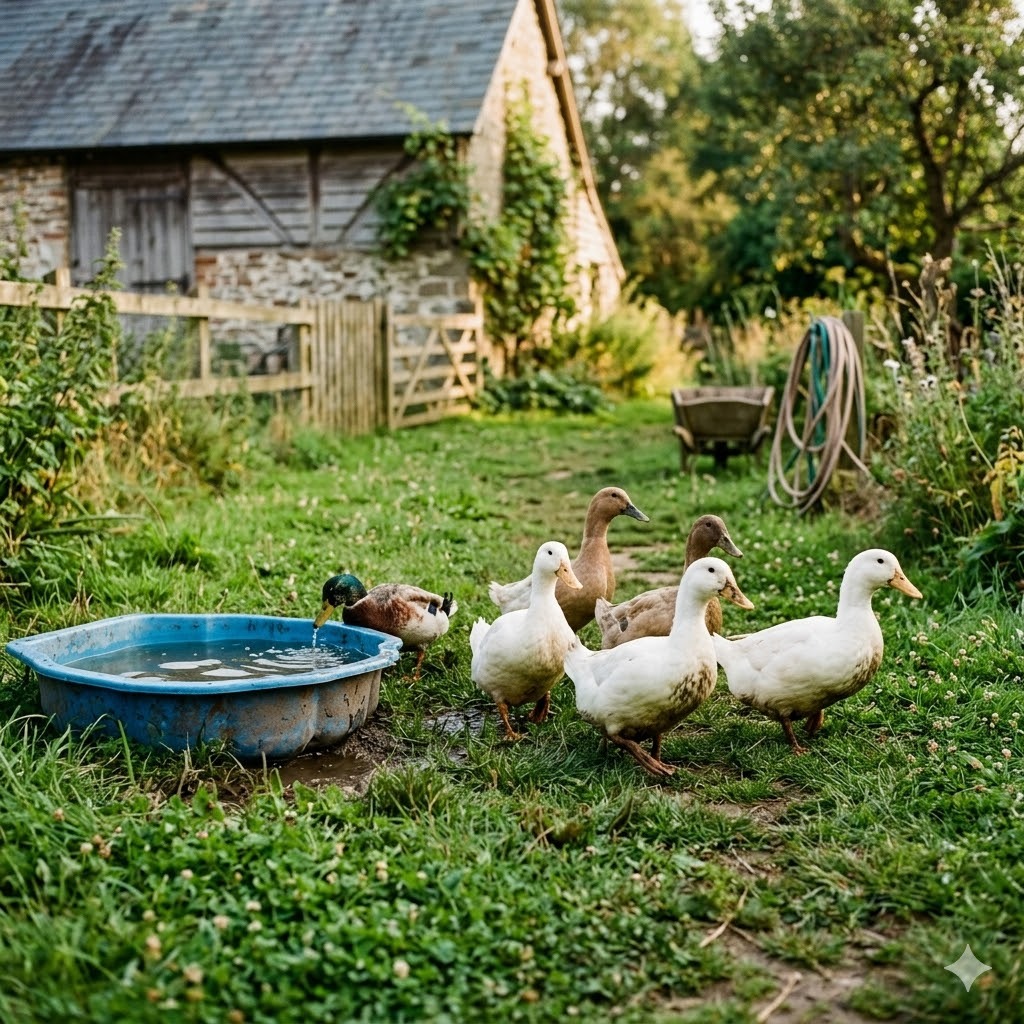
If you want eggs and meat without the fragility of a chicken flock, ducks are one of the easiest birds you can put on a homestead. They shrug off cold and wet weather that knocks chickens flat, they patrol your yard for slugs and bugs all day, and they lay big, rich eggs that bakers swear by. The catch is mud and water - ducks need both, and they are not tidy about it. If you can live with that, they are a forgiving, productive bird for a first-time keeper.
Is it right for you?
Ducks suit you if you have a fenced yard, a way to give them water deep enough to dunk their heads, and you are not precious about a muddy patch near their pool. They are louder than people expect (the females, especially, can be vocal), so check how close your neighbors are. They also turn a bare run into a swamp faster than chickens do, so you want space to rotate them or let them range.
This is a genuinely beginner-friendly animal. Ducks are hardy, rarely sick if kept dry at night and fed properly, and they handle heat and cold better than most poultry. The two real commitments are daily fresh water and locking them up every single night against predators. If you can do those two things reliably, you can keep ducks.
Before you buy a single bird, check your local laws and zoning. Many towns allow backyard ducks but cap the number, ban drakes for noise, or require a setback from property lines. A five-minute call to your municipality saves a lot of grief later.
Best breeds
Pick your breed by what you want out of the flock - eggs, meat, or a bit of both.
- Khaki Campbell - the classic laying duck. A good Campbell can lay roughly 250-300 eggs a year, rivaling a production hen. Lean, active foragers, not much of a meat bird.
- Welsh Harlequin - nearly as productive as the Campbell but calmer and a bit prettier, with the bonus that you can often tell males from females as ducklings by bill color. A great all-around first duck.
- Pekin - the big white meat duck you have seen on a dinner plate. Fast-growing, ready for the table in roughly 7-9 weeks, and a decent layer too. Friendly and easy to handle.
- Muscovy - technically a different species, quiet (they hiss rather than quack), excellent lean meat, and remarkable foragers and broody mothers. They roost and fly more than other ducks, so plan fencing accordingly.
- Runner - the upright, bowling-pin duck. Light and a bit comical, but strong layers and tireless slug hunters that barely touch your garden beds. A good choice if pest control is your main goal.
If you want one breed that does everything reasonably well, a Welsh Harlequin or a Pekin is hard to beat.
Housing and space
Ducks do not need a fancy coop, but they do need a dry, predator-proof place to sleep. A simple low shelter - even a converted dog house or a corner of a shed - works fine, since ducks sleep on the ground and do not roost. Give them roughly 3-4 square feet of floor space per bird inside, with deep straw bedding that you refresh often, because wet duck bedding gets foul quickly.
Outside, more room is always better. Aim for at least 10-15 square feet of run per duck, and far more if you can, since a small run becomes mud soup. Ducks are happiest ranging a yard or orchard during the day where they can forage. Fencing matters more for keeping predators out than ducks in - most domestic breeds cannot fly, but Muscovies and Runners are more mobile, and a 3-4 foot fence handles ground threats.
The night lockup is non-negotiable. Foxes, raccoons, mink, owls, and loose dogs will wipe out a flock in one night, and ducks have no defense once they settle. Their door needs to close tight and the structure needs no gaps a determined raccoon can pry. For a fuller rundown on threats and how to harden your setup, see the site's predator-protection guide.
Feeding
Ducks are easy to feed but have one rule you must not miss. Feed them a waterfowl or all-flock poultry feed if you can find it. If you only have access to chicken feed, an unmedicated layer or all-flock ration works for adults - but ducklings are a different story.
Ducklings grow fast and need far more niacin (vitamin B3) than standard chick starter provides. Without enough, they develop leg and joint problems that can leave them lame. Either buy a feed formulated for waterfowl, or supplement plain chick starter with a niacin source such as brewer's yeast sprinkled on their food. Get this right in the first weeks and you avoid the single most common rookie mistake with ducklings. If a duckling is already struggling to stand or its legs are bowing, talk to an avian or poultry vet rather than guessing.
Adults will forage a real share of their own diet in slugs, snails, worms, and greens, which is part of the appeal. Top them up with feed morning and evening, offer grit so they can grind their food, and provide a bit of crushed oyster shell on the side for laying hens. And never feed without water nearby - ducks need to drink while they eat or they can choke.
Daily care and routine
The daily rhythm is short and predictable. In the morning, let them out, refill their drinking water and bathing tub with clean water, and top up feed. Ducks foul water fast, so this is a daily job, not a weekly one. Through the day they will more or less run themselves, foraging and bathing.
In the evening, count every bird and lock them in before dusk - this is the most important thing you do all day. Collect eggs in the morning, since ducks usually lay overnight or early, often in a corner or a hollow they have picked rather than a tidy nest box.
The water reality is worth being honest about. Ducks do not need a pond. What they do need is water deep enough to submerge their whole bill and dunk their heads, which keeps their eyes and nostrils clean and lets them preen properly. A rubber tub, an old sink, or a cheap kiddie pool does the job perfectly. They will splash most of it out and turn the surrounding ground to mud within days, so set the tub somewhere with drainage, on gravel or wood chips, and plan to move it or refresh the area. Tip and refill it daily. That mud is simply part of duck-keeping - accept it and place your water where the mess does the least harm.
Common health issues
Ducks are robust, but a few problems come up often enough to know by name. For any of these, an avian or poultry vet should make the diagnosis and prescribe treatment - this guide is not a substitute for one, and there are no home medication doses here.
- Niacin deficiency - the classic duckling problem, showing as weak, bowed, or buckling legs. Prevent it by feeding enough niacin from day one, as above.
- Bumblefoot - a swollen, infected footpad, often from rough or dirty ground. Keep their area clean and inspect feet if a bird starts limping.
- Wet feather - when a duck's feathers stop shedding water and the bird looks bedraggled and soaked. It is usually a sign of poor preening, dirty water, or an underlying health or nutrition issue, and clean bathing water is the first defense.
- Predators - not a disease, but the leading cause of death in backyard ducks by a wide margin. Most losses are preventable with a secure nighttime shelter.
If a bird stops eating, isolates itself, or shows any of the above, call a poultry-experienced vet promptly. Ducks hide illness well, so visible symptoms often mean it is time to act.
What you get
For the work involved, ducks pay you back well. A good laying breed gives you roughly 200-300 eggs a year per hen, often out-laying chickens through cold and short winter days when hens quit. Duck eggs are larger and richer than chicken eggs, with more fat and a bigger yolk, and bakers prize them for fluffier cakes and pastries.
Meat breeds like Pekin and Muscovy give you a respectable carcass in a couple of months, with the leaner, more flavorful meat that ducks are known for. On top of all that, you get free pest control - a small flock will clear a garden of slugs and snails - and rich, nitrogen-heavy manure that composts into excellent fertilizer. For a homestead, that is eggs, meat, pest patrol, and compost from one undemanding animal.
Getting started
Start small and start in spring. Buy day-old ducklings from a hatchery or local breeder, or look for started birds if you want to skip the brooding stage. A first flock of three or four is plenty - ducks are social and should never be kept alone, but you do not need a crowd to learn on. If you only want eggs, skip drakes entirely; your hens lay just as well without one, and you avoid the extra noise.
Ducklings need a brooder for their first few weeks: a draft-free box, a heat source, the niacin-correct feed above, and shallow water they cannot drown in. Have their adult shelter and water setup built before the birds outgrow the brooder, which happens fast. Then it is simply the daily routine - water, feed, count, lock up.
Rough costs
Ducks are an inexpensive animal to keep. Expect rough figures, since prices vary by region and breed:
- Ducklings - about $5-15 each from a hatchery, more for rarer breeds.
- Shelter - anywhere from nearly free if you repurpose an existing structure to a few hundred dollars for a purpose-built coop and run.
- Brooder setup - roughly $30-60 for a heat lamp or plate and a basic box.
- Water tub or kiddie pool - about $10-30.
- Feed - a small flock of three or four costs only a few dollars a week, and less in summer when they forage hard.
All in, you can get a small starter flock up and running for a modest one-time outlay, and the ongoing cost is low - especially measured against the eggs, meat, and pest control they hand back. For a beginner looking for the most return per dollar and per hour, ducks are tough to beat.