Raising Emus: A Large Ratite for Lean Meat, Oil, and Eggs on an Advanced Homestead
Raise a pair or small group of emus for lean red meat, valuable oil, and giant eggs - a hardy, long-lived bird that demands tall fencing, real space, and experienced, careful handling.
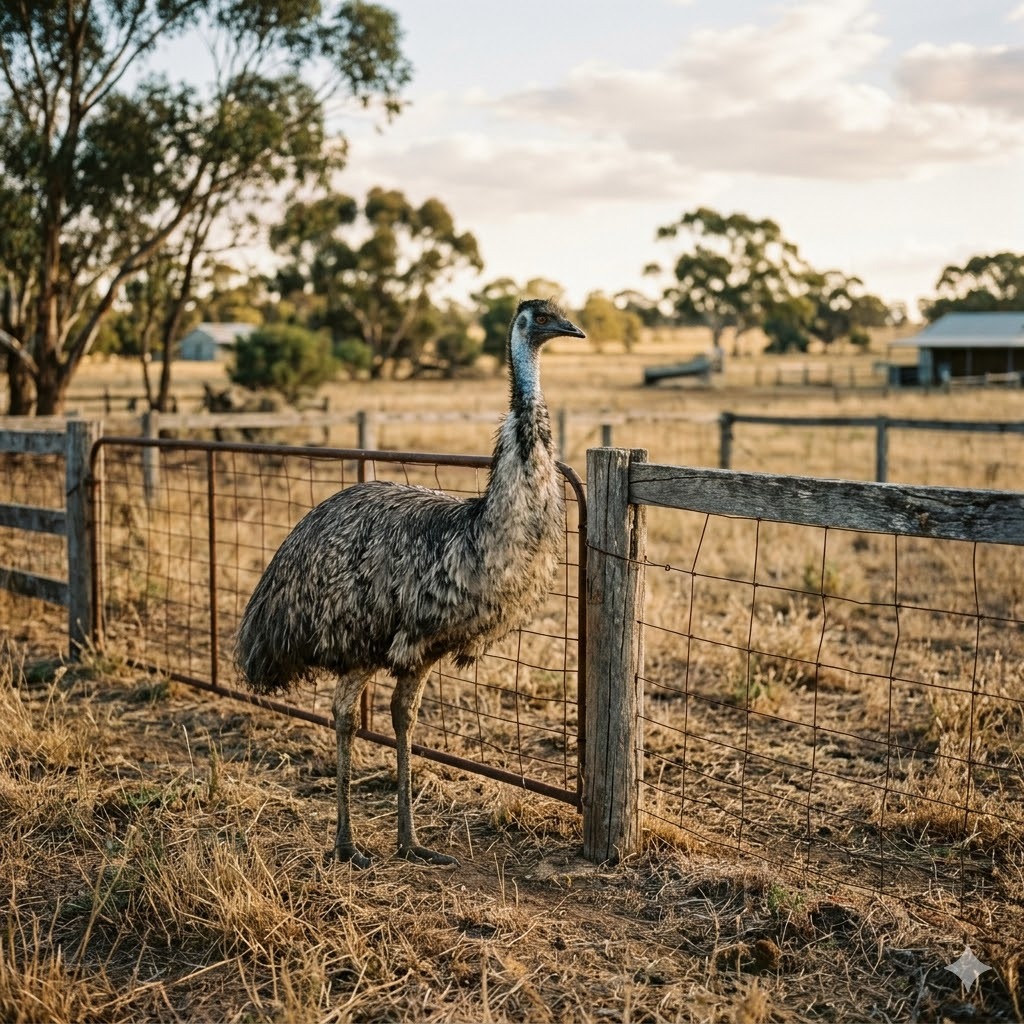
Emus are the big-league bird on a homestead, and they are not a starter animal. A full-grown emu stands taller than you, weighs over a hundred pounds, and has powerful legs that can deliver a serious kick. Raise them well and they give you lean red meat, valuable emu oil, big eggs, hide, and feathers, all from a hardy, long-lived bird that thrives on rough ground. But they demand tall, strong fencing, genuine space, and confident, experienced handling. This is an advanced project for someone ready to move up from ordinary poultry to a large ratite.
Is it right for you?
Emus are for the experienced keeper who wants to raise something substantial and unusual, and who has the land and the nerve for a large, strong animal. If you have never kept livestock, this is not where to begin - start with chickens, ducks, or rabbits and work up. Emus reward people who already understand animal handling and want a bigger challenge with a bigger payoff.
The honest downsides are size, strength, and handling. Emus are large ratites, related to ostriches, and an adult is a powerful bird. Their main defense is a forward kick with clawed feet, and a frightened or aggressive emu can injure a person. They are not aggressive by nature - most are curious and even friendly if raised calmly - but they must be respected and handled with care, and never cornered or startled into kicking. You also need the infrastructure before the birds arrive: tall, strong fencing and real acreage, which is a meaningful upfront investment.
On the plus side, emus are remarkably hardy. They tolerate heat and cold well, resist many common poultry diseases, forage effectively, and can live for decades. If you have the space, the fencing, the handling confidence, and the interest in a distinctive homestead animal, emus fit. Just go in knowing this is intermediate-to-advanced livestock, and check your local rules carefully, since ratites are often regulated and some areas require permits to keep them.
Best breeds
The emu is a single species, so there are no distinct breeds in the way there are with cattle or chickens. Instead, you choose among strains and lines that breeders have selected for particular purposes, along with the occasional color variation.
- Standard (common) emu - the ordinary farmed emu, the birds nearly everyone keeps. Hardy, all-purpose, and the sensible default for meat, oil, and eggs.
- Proven farm/production lines - some breeders select for size, good fat yield (for oil), and calm temperament. If oil or meat is your goal, seek out stock from a line known for those traits rather than any random bird.
- Calm, well-socialized lines - because handling is the main challenge, birds from lines raised tame and used to people are far easier and safer to manage; temperament of the stock matters as much as anything.
- Color variations (blonde, white, and others) - occasional color mutations exist and are prized as novelties; they are the same bird underneath, so choose them for interest, not for any productive advantage.
For a first venture, buy standard emus from a reputable breeder with calm, healthy, well-handled stock, ideally a line with a good reputation for temperament and productivity.
Land, fencing and shelter
Fencing is the non-negotiable, and it is where emus differ most from ordinary poultry. You need tall, strong fencing - typically five to six feet high, and stoutly built - because emus are big, powerful, and can jump and push. Standard chicken netting will not hold them. Woven-wire stock fencing or heavy field fencing, well-braced and on solid posts, is the norm. The fence must contain the birds safely and also keep predators out, and it needs to be free of gaps and hazards a running emu could hit. Emus can run fast and may panic and dash along a fence line, so smooth, visible, sturdy fencing without dangerous corners matters for their safety as well as containment.
Space is the other requirement. Emus need real room to walk and run - a cramped pen makes for an unhealthy, stressed bird. A generous paddock or several acres suits them, with room to move and forage. They do well on rough or marginal ground that would not support much else, which is part of their appeal.
Shelter can be simple, because emus are so hardy. They handle heat and cold far better than most stock and do not need an elaborate barn. What they need is shade in hot weather, a windbreak or three-sided shelter against harsh wind and wet, and dry footing. Access to shade and a dry place to rest is enough for the birds themselves; secure, sturdy fencing does more for their safety than any building. Provide clean water at all times, in a container a large bird can drink from without fouling or tipping.
Feeding
Emus are natural foragers and browse across their paddock eating grass, plants, insects, and seeds, which supplies part of their diet on good ground. But foraging alone will not properly feed a growing or breeding emu, so you supplement with a formulated feed.
The best base is a commercial ratite (emu/ostrich) feed where you can get it, since it is balanced for their needs. Where a ratite feed is not available, keepers use a good game-bird or all-flock poultry ration, adjusted for the birds' stage - higher protein for growing chicks, a maintenance ration for adults, and a breeder ration for laying hens. Emus also benefit from greens and forage, and providing grit helps them process their food, as they swallow small stones to grind it, much like other birds.
Clean, constant water is essential, and a big bird drinks a fair amount, especially in heat. Emus are efficient feeders and their hardiness means they are not fussy, but do not skimp on quality feed during growth and breeding, when their needs are highest. Because they can live and produce for many years, steady good nutrition over the long haul is what keeps them healthy and productive.
Daily care and routine
Once emus are settled in a secure paddock with good fencing and reliable water, the daily labor is surprisingly light for such a large animal. A daily check is mostly observation: are all the birds present, are they moving well and free of injury, is the water clean and full, is the fence sound. You top up feed and water and look the birds over. There is no milking and no intensive daily chore beyond this.
What replaces heavy labor is careful, respectful handling. Emus are strong and can kick, so you move calmly and predictably around them, never corner or chase them, and never put yourself where a startled bird could kick you. Birds raised tame and handled gently from young are far easier and safer, so time spent socializing them pays off. When you do need to catch, move, or treat an emu, do it calmly and with a plan, ideally with a helper and a suitable pen, because wrestling a panicked ratite is dangerous. During breeding season temperaments can shift - it is the male emu who incubates the eggs and can become protective - so read the birds and give them room.
Fencing checks are part of the routine too. Because containment is so important with a large, fast bird, walk the fence line regularly and fix any weak spot promptly.
Common health issues
Emus are hardy and resist many diseases that trouble other poultry, which is one of their strengths, but a few problems come up. Leg and foot problems are the most important, especially in fast-growing chicks - poor nutrition, slippery footing, or lack of space can cause leg deformities and joint issues, so good feed, room to move, and non-slip surfaces for young birds are key. Internal and external parasites occur as with any grazing animal and are managed with routine attention. Impaction or crop/gut blockages can happen if birds swallow unsuitable objects, so keep the paddock free of string, wire, and small hardware they might peck. Injuries from the fence or from panic are a practical risk, which is why smooth, safe fencing matters.
Chicks are the delicate stage; adults are robust. Prevention is good nutrition (ideally a proper ratite feed during growth), room to exercise, safe footing, clean water, and a hazard-free paddock. Because emus are unusual, find a vet with ratite or exotic-bird experience before you need one, as not every farm vet is comfortable with them, and ask about a sensible parasite plan and about withdrawal times for any treatment if the birds are destined for the table.
What you get (and processing)
Emus give you an unusually varied return for a single animal, which is a big part of their appeal. The headline is lean red meat: emu meat is a dark, low-fat red meat, more like a lean beef than poultry, and a full-grown bird yields a substantial amount of it. Because it is lean and distinctive, it is a specialty product.
Beyond meat, the prized product is emu oil, rendered from the bird's fat and valued for cosmetic and skin-care uses; a well-conditioned emu carries a good quantity of fat that renders into oil, and for many keepers the oil is as much the goal as the meat. You also get the eggs - large, dark green-blue, and dramatic - which are edible (one emu egg equals many chicken eggs) and whose beautiful shells are also carved and used in crafts. On top of that, the hide makes a fine leather and the feathers have craft and decorative uses, so relatively little of the bird goes to waste.
Processing a bird this size is a serious job and usually a task for a licensed processor equipped for large ratites, not something to do casually in the yard. Handle the day with respect and planning, keeping the birds calm beforehand, which is safer and better for the meat. Because emus and their products are often regulated, check your local rules carefully on processing and on selling any meat, oil, eggs, or hide, since selling generally brings inspection and licensing requirements beyond what home use needs.
Getting started
Start modestly and start with good stock. Buy emus from a reputable breeder, choosing healthy, well-grown birds from a calm, well-handled line - temperament of the stock will shape your whole experience. Many people begin with young birds or a young pair, both because they are easier to obtain and because birds raised on your place bond and settle better. Buying from an experienced breeder also gives you a mentor to ask, which is valuable with an animal this specialized.
Before the birds arrive, have the infrastructure fully in place: tall, strong, well-braced fencing around a generous paddock, a shade and windbreak shelter, clean water they cannot tip, and a hazard-free space. Line up a proper ratite or suitable game-bird feed and grit. Sort out permits if your area requires them, and locate a vet comfortable with ratites. If you begin with chicks, be ready with a warm, safe brooder, non-slip footing, and a good starter feed, since the early weeks are the delicate stage. Then raise them calmly, handle them gently and often so they stay manageable, keep the fencing sound, and grow into a distinctive, long-lived homestead animal that few others keep.
Rough costs
Emus carry higher upfront costs than ordinary poultry, driven mainly by fencing and the birds themselves, with modest running costs after.
- The birds - emus cost considerably more than chickens or ducks, often a fair sum each, with chicks cheaper than proven adults. A starter pair or small group is a real purchase.
- Fencing and infrastructure (the big one) - tall, strong fencing around a large paddock is the major upfront, mostly one-time cost, and can run from several hundred to a few thousand dollars or more depending on how much you build.
- Shelter and water - modest one-time costs for shade, a windbreak, and sturdy water setup.
- Feed - moderate and lowest when foraging supplements the ration; a ratite or game-bird feed and grit through the year, higher during growth and breeding.
- Vet, permits, and incidentals - variable: possible permit fees, occasional vet care from someone experienced with ratites, and routine repairs, budgeted modestly.
- Processing - paid at the end for meat birds, generally a real cost given the size and specialist handling needed.
Pencil it all out before committing. Emus ask for real land, strong fencing, and confident handling up front, and they are not a quick or cheap starter animal. But for the experienced homesteader with the space and the interest, few birds are as hardy, long-lived, and richly productive - meat, oil, eggs, hide, and feathers - from a single distinctive animal.