Icelandic Sheep: Triple-Purpose Homestead Flock
One of the world's oldest, hardiest breeds, the Icelandic sheep gives meat, milk, and a dual-coated fleece from grass alone. A tough, low-input choice for cold and temperate homesteads.
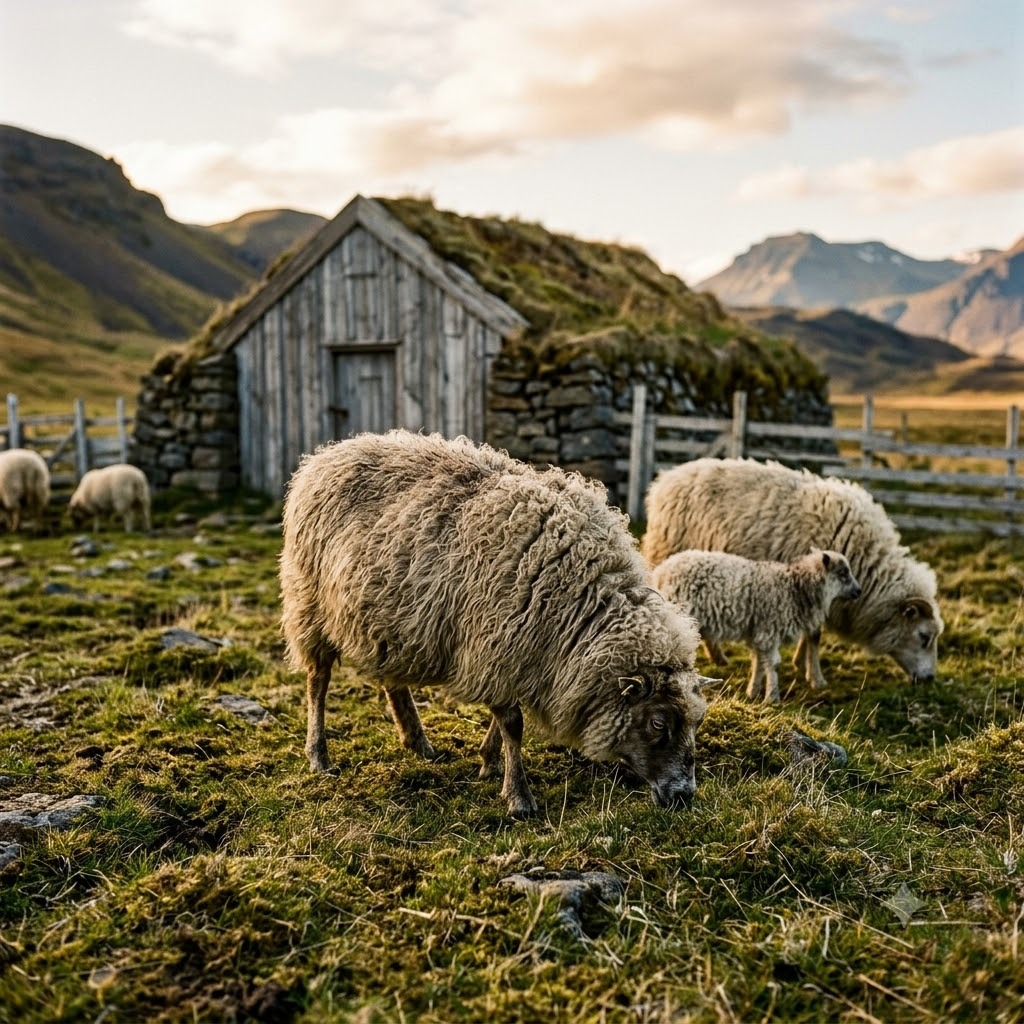
The Icelandic sheep is one of the world's oldest and purest breeds, brought by Norse settlers over a thousand years ago and kept isolated ever since. It is a true triple-purpose animal - meat, milk, and a distinctive dual-coated fleece from one flock - prized for hardiness and easy, grass-based lambing.
Is it right for you?
Best for a cold or temperate homestead with decent pasture and a keeper who values self-reliant, low-input stock. Good for beginners since they lamb easily and finish on grass, but they are independent, not lap pets. Reconsider if your climate is hot and humid.
What you get
Ewes weigh 130 to 160 lbs, rams 200 to 220 lbs. Grass-fed lambs reach 70 to 90 lbs in 4 to 5 months without grain, giving mild, fine-grained meat. The fleece yields 4 to 6 lbs a year of outer tog and soft inner thel. Milked ewes give roughly a quart daily.
Space & Housing
These are agile jumpers, so use sturdy woven-wire or electric fencing at least 4 feet high. A three-sided shelter or open barn suits them - they prefer fresh air to a warm shed. A few ewes manage on a half-acre of grazing plus winter hay.
Feeding & Daily Care
Thrifty grazers and browsers that thrive on pasture and hay with little or no grain, except for late pregnancy or milking ewes. Daily needs are light: fresh water, a sheep-safe mineral, and a quick check. Feed bills stay low, mostly winter hay.
Temperament & Handling
Alert, intelligent, and independent rather than clingy. Handled young they tame down well; left alone they stay flighty and hard to corner. They are quiet apart from lambing and feeding time. A feed bucket beats chasing them.
Health & Hardiness
Bred for Iceland, they shrug off cold, wind, and wet and are generally robust and long-lived. Their main weakness is hot, humid weather, which raises heat stress and parasite loads. For breeding stock, vaccinations, and any health concern, buy from reputable breeders and work with a livestock veterinarian who knows sheep.
Getting Started
Begin with three to five ewes from an established, registered breeder so you know the genetics, including the prolific Thoka gene and leadersheep lines. Unless you are breeding, skip the ram. Both horned and polled animals occur, and the sexes are easy to tell apart.
Common Mistakes
The big ones: over-feeding grain to sheep that finish on grass; skimping on fencing and losing agile escapees to the neighbours; and keeping them in hot, muggy regions where they suffer and pick up parasites on rich pasture.
FAQ
Do Icelandic sheep need shearing?
Yes. Shear about twice a year, typically autumn and spring. Skipping it leads to matting and discomfort in their thick dual coat.
Can I really milk them?
Yes. Ewes give roughly a quart a day during lactation - modest, but enough for cheese or household use if you separate the lambs part of the day.