Merino Sheep: The Homestead Fine-Wool Breed
Merino sheep are the world's premier fine-wool breed, prized on homesteads for soft, high-value fleece. They reward shepherds who can commit to shearing and dry footing, but the wool demands real upkeep.
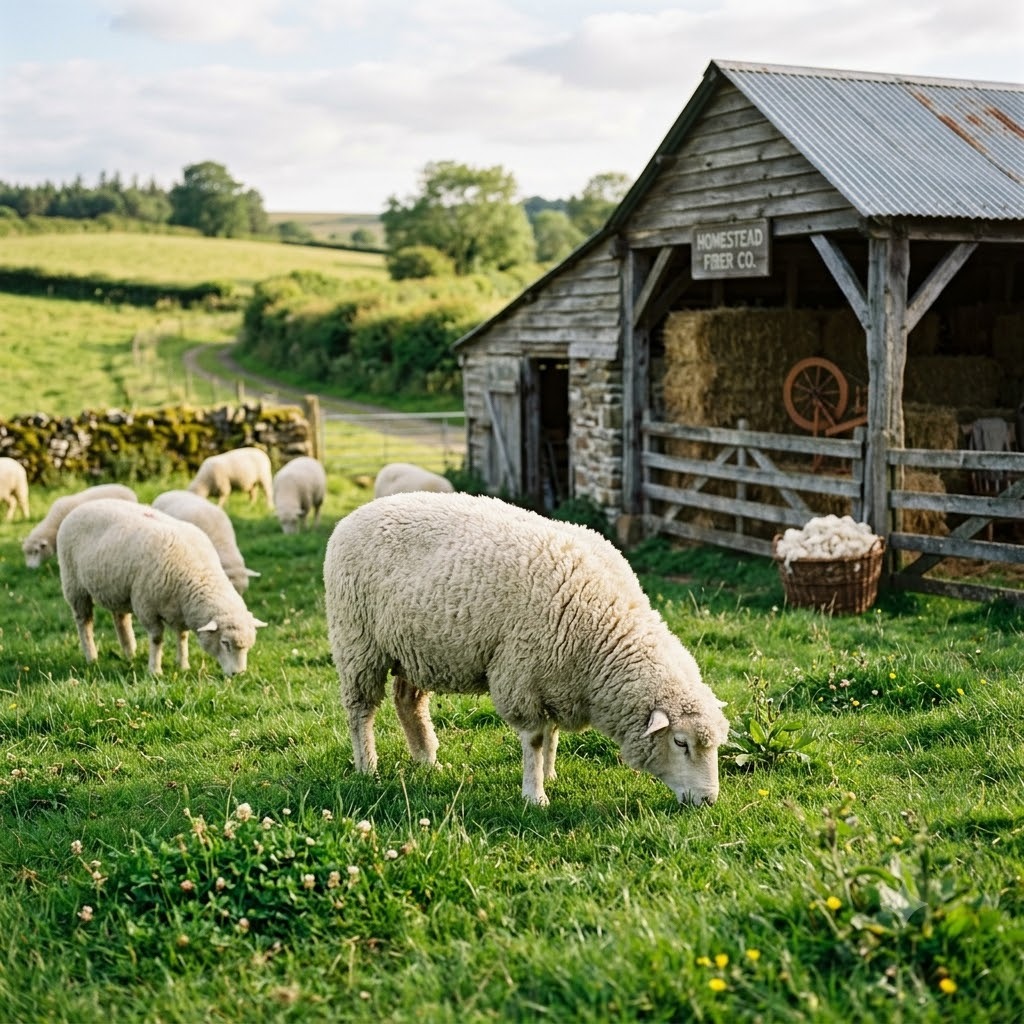
The Merino is the world's most famous fine-wool sheep, bred in Spain centuries ago and refined heavily in Australia. Homesteaders keep it for one main reason: its exceptionally soft, fine fleece, the raw material behind premium next-to-skin wool. It is a fibre breed first, with meat and milk as afterthoughts.
Is it right for you?
Merinos suit fibre-minded keepers with dry pasture and a willingness to shear and skirt fleece properly. They handle heat and cold well but hate persistent wet and mud. Not the easiest first sheep if you only want meat or milk.
What you get
Fine wool is the payoff: fleeces of roughly 3-6 kg (some strains more), at 17-24 microns, among the softest grown. Adult ewes weigh about 45-80 kg and rams 70-100+ kg depending on strain. Meat yield is modest; milk is minimal.
Space & Housing
Allow open pasture with dry footing plus a simple three-sided shelter. Fencing must be sound, woven wire or several tight strands. Budget a rough half-acre or more per few ewes on decent grazing.
Feeding & Daily Care
Good grass or hay is the base, with fresh water, minerals, and modest grain only around breeding and lambing. Daily care means a quick water and welfare check. Feed cost is moderate; shearing and fly-strike prevention add the real work.
Temperament & Handling
Merinos are gentle and flock strongly, but they are flighty and prefer moving as a group over being handled solo. Quiet, calm routines work best. Noise is limited to normal baaing.
Health & Hardiness
Hardy in dry heat and cold, but skin folds and dense wool can invite fly-strike and footrot in damp conditions. Regular shearing is non-negotiable. For any health concerns, work with reputable breeders and a livestock veterinarian.
Getting Started
Start with three or four ewes from a breeder who shears and manages fleece well. Rams are heavier and horned in some strains; ewes are calmer. Buy healthy, well-grown stock.
Common Mistakes
Skipping annual shearing, running them on wet ground, and underestimating fly-strike risk around the crutch are the classic errors.
FAQ
Can I keep Merinos just for wool?
Yes, and that is their strength, but you must shear yearly and manage the fleece, or the wool becomes a welfare problem.
Are they good for meat?
They can be eaten, but they are lean and slow-growing compared to true meat breeds; treat meat as a bonus.