Raising Orpingtons: The Gentle Giant of the Coop
A guide to Orpingtons - big, fluffy, exceptionally gentle dual-purpose chickens that lay well, grow plenty of meat, tolerate cold, and are calm enough to become pets.
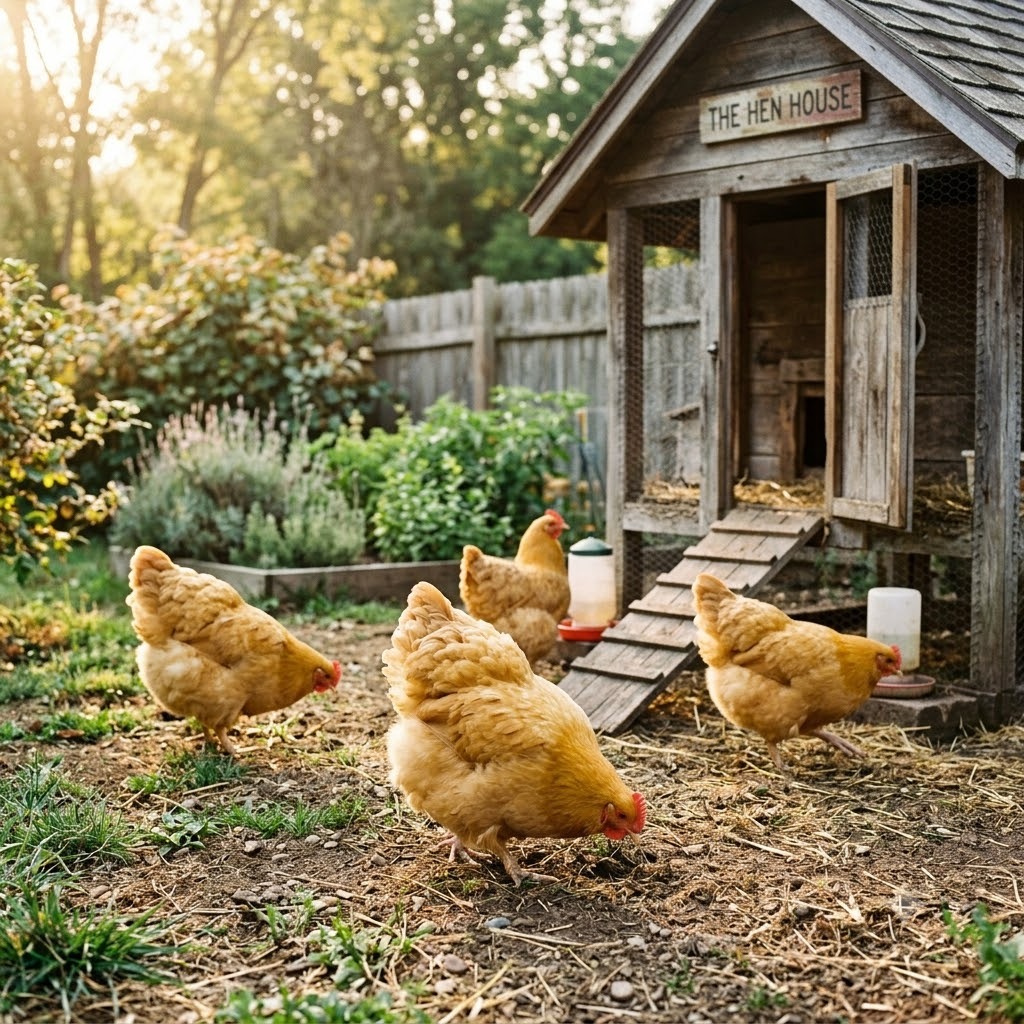
Orpingtons are the cuddly giants of the chicken world - big, round, fluffy birds, most famously the golden Buff Orpington, prized for an exceptionally gentle temperament. They lay a good supply of brown eggs, carry plenty of meat, and handle cold beautifully under their loose feathering. So friendly they often become pets, they are a favorite dual-purpose and family breed.
Is it right for you?
Orpingtons suit a family or beginner who wants a gentle, cold-hardy dual-purpose bird that doubles as a pet. They are calm and productive, though their fluff needs shade in hot climates.
Space & Housing
A standard coop and run suits them; their size means a bit more space per bird, and their heavy feathering means good ventilation and shade in heat. Predator-proof well.
Feeding & Daily Care
Feed a layer or all-flock ration plus scraps and forage, with grit and water; daily care is simple. Watch that heavier birds stay active and not overweight.
Getting Started
Start with a few pullets, give a secure coop with shade, and expect eggs by around five to six months. Their calm nature makes them easy from day one.
Health & Common Problems
Very cold-hardy; the main watch-points are heat stress in summer (from the heavy feathering), mites hiding in the fluff, and obesity if overfed. Keep them cool, dry and active.
What You Get
A good supply of brown eggs, a heavy meat carcass from surplus birds, and an affectionate, handleable bird for the family.
Costs & Effort
Low to moderate - they eat a bit more as large birds, but are hardy and long-productive, with a temperament that makes them a joy.
Common Mistakes
Overheating them in summer, letting mites hide in the fluff, and overfeeding to obesity are the usual mistakes.
FAQ
Are they good pets? Yes - among the gentlest, most people-friendly breeds.
Cold-hardy? Very - their fluffy feathering handles winter well, but they need shade in heat.