Raising Ostriches: The Giant Bird for Meat, Eggs and Leather
A guide to farming ostriches - the world's largest bird, raised on acreage for lean red meat, huge eggs, feathers and leather, demanding strong fencing, space, and respect for a powerful animal.
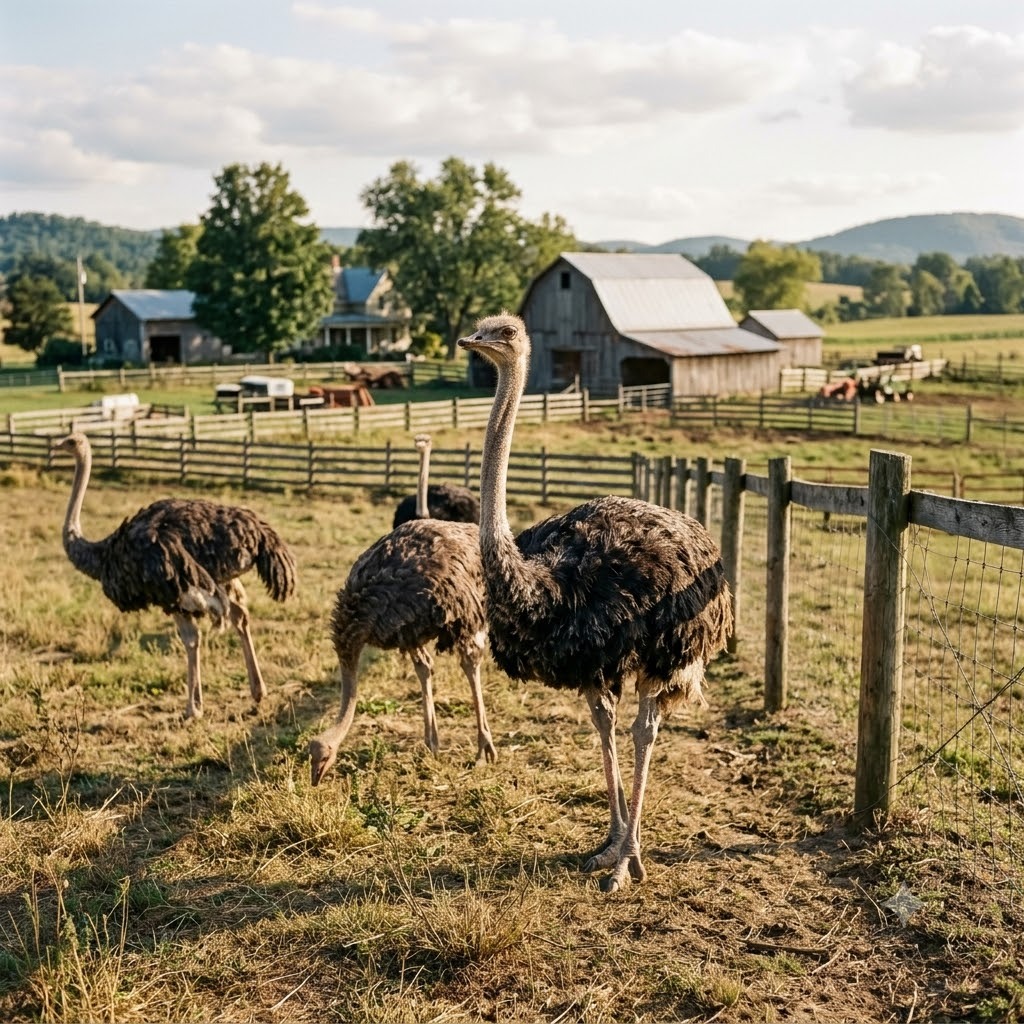
Ostriches are farmed as much like livestock as poultry - the world's largest bird, raised on acreage for lean red meat, enormous eggs, plumes and premium leather. They are a serious, specialized undertaking, needing strong fencing, real space, and healthy respect: a grown ostrich, especially a breeding male, is powerful and can be dangerous.
Is it right for you?
Ostriches suit an experienced, well-resourced farmer with acreage and secure facilities, not a beginner. They are a commercial-scale, potentially dangerous animal.
Space & Housing
They need large paddocks with tall, strong fencing and shelter from extreme weather; each bird requires substantial space to run.
Feeding & Daily Care
Feed a specialized ratite ration plus forage and greens, with grit and constant water. Handle them carefully, always aware of their powerful forward kick.
Getting Started
Begin only with proper facilities, training and ideally mentorship; source healthy stock from an established ostrich farm and build robust fencing first.
Health & Common Problems
Chicks are delicate and prone to leg and digestive problems; adults are hardy but injuries and handling accidents are real risks. Biosecurity and careful husbandry matter.
What You Get
Large quantities of lean red meat, enormous eggs, feathers, and valuable leather from a single big animal.
Costs & Effort
High - significant land, strong fencing, specialized feed and skilled, cautious handling. This is a commercial venture, not a casual one.
Common Mistakes
Underestimating their strength and danger, weak fencing, and treating delicate chicks like poultry are the serious errors.
FAQ
Are they dangerous? Yes - especially breeding males; handle only with training and proper facilities.
Beginner animal? No - they are a specialized, commercial-scale undertaking.