Keeping Peafowl: Beauty, a Living Alarm System, and Natural Snake and Pest Control on a Homestead
Keep a small group of peafowl for their unmatched beauty, a loud built-in alarm against predators, and their appetite for snakes, ticks, and garden insects - if you can handle the noise and the roaming.
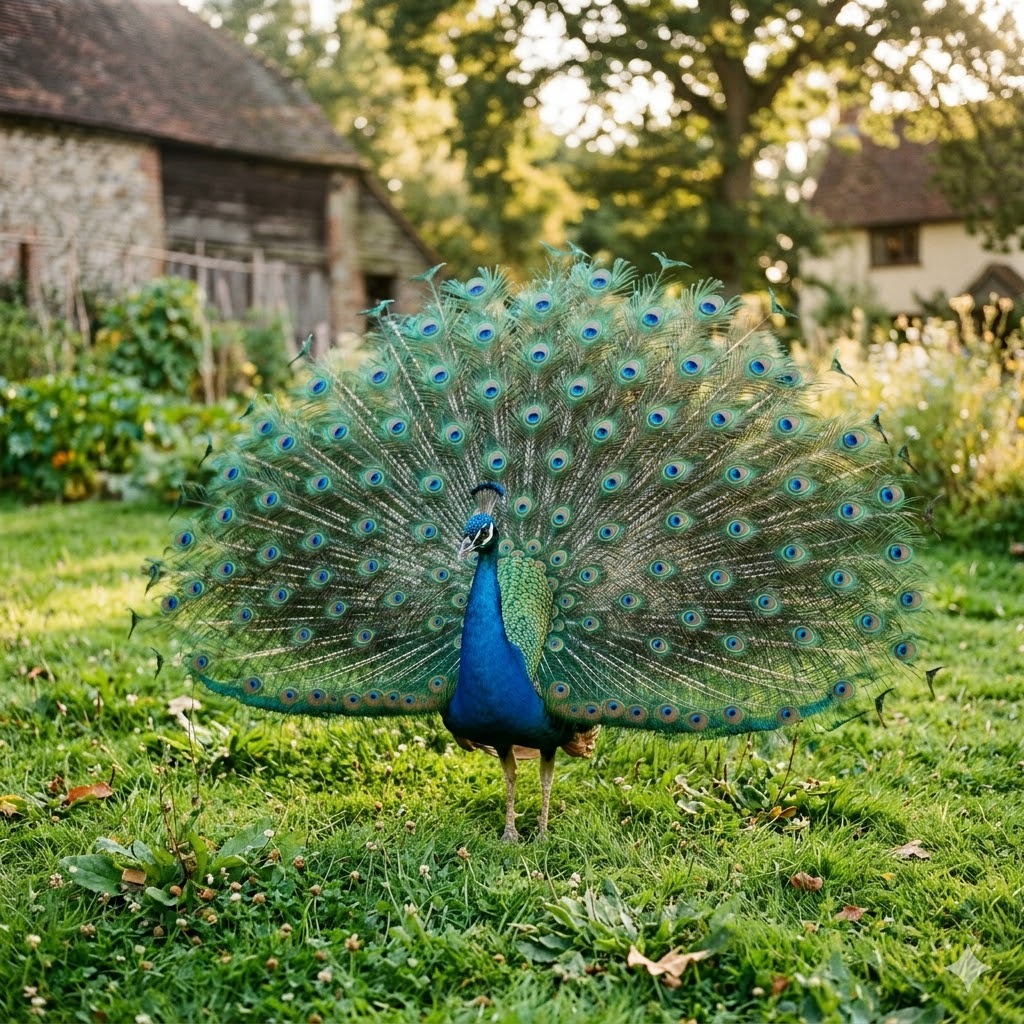
Peafowl are not a meat or egg animal in any practical sense, and it is fair to say so at the start. People keep them for beauty first, and for the useful jobs they do second: they are a living burglar and predator alarm, and they hunt snakes, ticks, insects, and small pests across a property all day long. They are hardy, long-lived, and magnificent to have around. They are also loud, they roam, and they need space and tolerant neighbors. Kept with eyes open, a few peafowl are one of the great characters of a homestead.
Is it right for you?
Be honest about why you want them, because peafowl are a luxury animal, not a livestock investment. You will not fill a freezer or an egg basket with them. What you get is the spectacle of a peacock in full display, a flock that patrols and alarms, and a bird that eats snakes and bugs. If those things appeal and you have the room, they are wonderful. If you are looking for productive livestock, look elsewhere.
The two things that stop most people are noise and space. Peacocks are loud - their calls carry a long way, and they call most in breeding season, sometimes through the night. On a rural property with distance to your neighbors, that is atmosphere. On a tight lot with close neighbors, it is a feud waiting to happen. Before you get peafowl, be sure your neighbors can live with the sound, and check local rules, since some areas restrict or ban them precisely because of the noise.
They also roam. Peafowl are free-rangers by nature and will cover a wide area, roost in tall trees, and wander onto neighboring land if nothing holds them. You need space and a plan to keep them home. If you have acreage, understanding neighbors, and the patience for a semi-wild, self-willed bird, peafowl fit. They are hardy and undemanding once settled, but they are firmly an intermediate-to-advanced choice more for the management than the daily care.
Best breeds
Peafowl are a single group of species rather than many breeds, so you choose among species and color varieties. The two common types and the color mutations within them are what you are actually selecting.
- Indian Blue (blue peafowl) - the classic, most common, and hardiest peafowl, with the iconic blue peacock everyone pictures. The best starting choice and the easiest to find.
- Green peafowl - taller, arguably even more striking, but less cold-hardy and more temperamental; a bird for experienced keepers in mild climates, not a beginner's choice.
- White - a pure-white color mutation of the Indian Blue (not albino), dramatic and popular, with the same hardy constitution.
- Black-shouldered (Java) - an Indian Blue color variety with darker wings and often paler, mottled hens; hardy and widely kept.
- Pied and other mutations - various patterned and colored variations (pied, purple, cameo, and more) bred for looks. All are essentially the hardy Indian Blue underneath, so pick for the appearance you love from healthy stock.
For a first flock, Indian Blue in any of its color forms is the sensible pick: hardy, available, and forgiving.
Land, fencing and shelter
Space is the real requirement. Peafowl are large, active free-rangers and need room to roam - a small pen alone makes for a stressed, unhappy bird. Most keepers give them a secure covered aviary or pen for shelter and safety, then let them range the property by day. If you truly want to keep them contained, the pen must be large and tall, because these are big birds that fly well and love height.
Fencing, in the usual sense, barely holds a peafowl - they fly over most fences easily and will roost high in trees. What actually keeps them home is not a fence but training them to a base: peafowl bond strongly to a home roost and feeding spot, and once they consider your place home, they stay near it and return to roost. The way you achieve that is by penning new birds. New peafowl must be confined to their pen or aviary for several weeks - many keepers say a good few weeks to a couple of months - so they learn where home is before you ever let them loose. Release them too soon and they simply wander off and are gone.
For shelter, they need a safe place to roost off the ground, protected from predators and the worst weather. A covered pen with high perches, or an open-sided shelter with tall roosts, suits them; they naturally roost high, so give them height. They are hardy in cold once acclimated, but a dry, draft-free roost and protection from wet weather keep them healthy, and secure housing at night guards against foxes, raccoons, and other predators that will take even a large bird.
Feeding
Peafowl are easy to feed and do much of it themselves when ranging. A ranging flock hunts across the property all day, eating insects, ticks, slugs, small snakes, mice, and seeds and greens, which is exactly the pest-control benefit people prize. That foraging supplies a real share of their diet in the warm months.
To back it up, feed a good game-bird or all-flock poultry ration free-choice. A higher-protein game-bird or turkey feed suits them better than a low-protein layer feed, especially for growing chicks and breeding adults. Many keepers offer a game-bird pellet or a poultry grain mix daily at the home feeding spot, which doubles as the routine that keeps the birds coming home. Provide grit to help them digest, and, for laying hens, access to extra calcium such as crushed oyster shell.
Clean water must always be available. In winter, when foraging drops off, they rely more on the feed you provide, so keep the feeder stocked through the cold months. Feeding them at a set place and time is not just nutrition - it is the anchor that keeps a free-ranging flock loyal to your property.
Daily care and routine
The daily care is genuinely light, which surprises people given how exotic the birds seem. You keep the feeder and water topped up at their home spot, cast an eye over the flock to see everyone is present and healthy, and make sure they go up to roost safely at night. Peafowl that consider your place home will range out during the day and drift back toward their roost by evening, and part of your routine is simply noticing they have all returned.
The bigger ongoing "task" is really management rather than labor: keeping the peace with neighbors over noise, keeping the birds bonded to home so they do not wander, and protecting them from predators at roost. During breeding season the calling ramps up and the peacocks display; you enjoy the show and hope the neighbors do too. Peafowl are not especially tame or cuddly, but they grow accustomed to their keeper and to routine, and calm, predictable handling keeps them settled.
There is no milking, no daily egg-heavy chores, no herding. It is more like sharing your land with a flock of large, beautiful, semi-wild birds that you feed, watch over, and keep coming home.
Common health issues
Peafowl are hardy and long-lived, but a few issues matter. Internal parasites and blackhead (histomoniasis) are the big ones - like turkeys, peafowl are susceptible to blackhead, a serious parasitic disease often linked to ground shared with chickens, so many keepers avoid running peafowl and chickens on the same ground and stay on top of worming. Coccidiosis can hit young birds and is managed with clean, dry conditions. Respiratory infections occur in damp, drafty housing. External parasites - lice and mites - are handled with routine checks and clean quarters. Injuries and predation are practical risks for a large ground-and-tree bird, from tangling in fencing to being taken at roost.
As with most poultry, prevention is clean, dry housing, good feed, not overcrowding, and keeping them off ground fouled by chickens where blackhead is a concern. Chicks are the most delicate stage and need warmth, dryness, and a good game-bird starter. Find a vet comfortable with poultry or game birds for the occasional serious problem, and ask about a sensible worming plan for your area, since parasite control is central to keeping peafowl healthy.
What you get (and processing)
What you get from peafowl is not meat or a full egg basket - it is beauty, security, and pest control, and it is worth being clear about that. First, the spectacle: a peacock in full display is one of the most striking sights an animal can offer, and simply having the flock on your land is the main reward for most keepers.
Second, they work as a living alarm system. Peafowl are famously alert and loud, and they call out sharply at anything unusual - a fox, a stray dog, a stranger coming up the drive, a hawk overhead. Many rural keepers value them as much for this watchfulness as for their looks; the same noise that annoys close neighbors makes them an excellent early-warning system for predators and intruders. Third, they earn their keep hunting pests: peafowl eat snakes (including venomous ones in some regions), ticks, insects, slugs, and small rodents, helping knock down snake and tick pressure around the home.
You also get shed tail feathers each year after the breeding season - the peacock naturally drops his train, and you can collect the feathers, which some people sell or use in crafts. Eggs are laid seasonally and are large and edible, but hens lay far fewer than chickens, so they are a curiosity more than a food supply. Peafowl are not a table bird in normal homestead practice, so there is no routine processing; they are kept as living, working ornaments of the place.
Getting started
Start with a small group of Indian Blue peafowl - often a peacock with a couple of hens, or a few young birds - from a reputable breeder. Choose healthy, alert birds and, if you can, buy young stock or a bonded group, since they settle better together. Buying local means the birds are already suited to your climate and you have someone experienced to ask.
The single most important starting step is the pen-and-home routine. Before you ever let them loose, confine new peafowl to a secure pen or aviary for several weeks so they learn that your place is home; skip this and they will wander off and not return. Have that pen ready first: large, tall, predator-proof, with high roosts, a feeder, and clean water. Line up a good game-bird ration and grit, sort out where they will roost, and confirm your neighbors are prepared for the noise. After the confinement period, let them out to range from their new home base, keep feeding them at the same spot, and they will bond to the property. From there it is a light, rewarding routine of feeding, watching, and enjoying some of the most beautiful birds you can keep.
Rough costs
Peafowl carry a higher upfront cost per bird than most poultry but modest running costs.
- The birds - peafowl are relatively expensive compared to chickens or ducks, often a fair sum each, with rare color mutations costing considerably more. A small starter group is the main purchase.
- Pen and shelter - a significant upfront, largely one-time cost: a large, tall, predator-proof pen or aviary with high roosts, more if you build big and sturdy.
- Feed - modest and lowest when the birds are ranging and foraging; a game-bird ration and grit through the year, rising a little in winter.
- Fencing and roosts, bedding, incidentals - small ongoing costs for maintenance, bedding, and repairs.
- Vet and health items - usually minor: routine worming and the occasional problem, budgeted modestly, with chicks needing a little extra care.
Pencil it out and peafowl are best understood as an affordable-to-run luxury: real cost to buy the birds and build a proper pen, then low day-to-day expense. You are paying for beauty, a watchful alarm, and natural pest control rather than for meat or eggs - and for many homesteaders with the space and the right neighbors, that is well worth it.