Raising Quail: Eggs and Meat in Six Weeks, Even on a Balcony
A practical homestead guide to raising Coturnix quail for fast eggs and meat in the smallest of spaces.
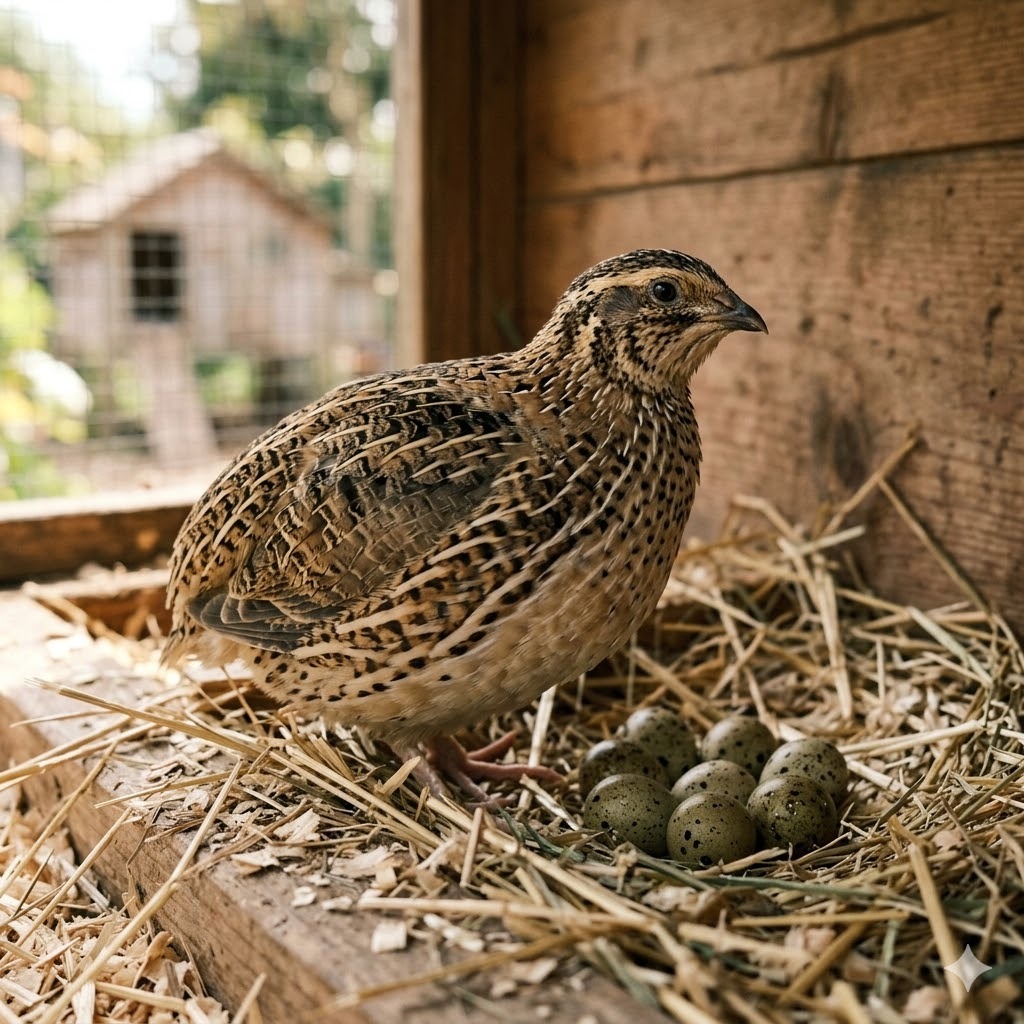
Quail are the animal to reach for when you want eggs and meat fast and you don't have much room to give. A small covey of Coturnix can be laying within six to eight weeks of hatch, takes up a fraction of the space a flock of chickens needs, and stays quiet enough that the neighbours often never know they're there. They suit apartment dwellers, suburban homesteaders working a tight lot, and anyone who wants protein on the table without waiting half a year for it.
Is it right for you?
Quail are about the lowest-barrier livestock you can keep, which is exactly why they've become the go-to bird for people working with almost no space. A single cage on a balcony, in a shed, or against a fence can hold enough birds to keep a household in eggs. They're cheap to feed, fast to produce, and a hen will lay close to an egg a day through her productive months. For a beginner who wants to actually eat what they raise within a season rather than years, nothing else comes close.
The catch is that they're small and a little fragile, and they don't have the personality of a hen or the hardiness of a duck. You handle them less and watch them more. The biggest thing to sort out before you buy a single chick is the law. Many places that ban backyard chickens will happily allow quail, which is half their appeal, but quail are often classed as game birds, and some municipalities or states regulate them separately or require a permit to keep or process them. Check your local ordinances and your state's game laws before you commit. It takes ten minutes and saves a lot of grief.
If you can give them a sheltered cage, ten minutes a day, and you've confirmed your local rules, you're set. This is genuinely a beginner project.
Best breeds
For a homestead, the conversation begins and ends with one species, then branches into a few lines worth knowing.
Coturnix (Japanese quail) is the homestead standard, and it's what nearly everyone means when they say "quail" in this context. It matures fast, lays heavily, tolerates confinement well, and is forgiving of beginner mistakes.
Standard Coturnix is your all-purpose bird, a solid layer that also dresses out fine for the table, and a good place to start if you're not sure which direction you want to go.
Jumbo Coturnix is the line selected for size, the one to choose if meat is your priority, since the extra body weight makes processing more worth the effort while the birds still lay respectably.
Coturnix laying lines (sometimes sold by colour variety such as Italian or Tuxedo) are bred more for egg output than carcass size, and are the pick if eggs are what you're really after.
Bobwhite quail is worth a brief mention as a native game-bird alternative, but be honest with yourself: it grows far slower, is more skittish, and is better suited to game-bird and hunting-preserve purposes than to fast homestead production.
For most people reading this, a batch of standard or Jumbo Coturnix is the right and obvious answer.
Housing and space
Quail live in cages or hutches rather than ranging loose, and the single most important detail is the top of that cage. Quail flush, meaning they launch straight up when startled, and a hard wire or wooden lid will injure or kill birds that hit it at speed. Keep cages low, no more than about a foot high, or pad the top with cloth, shade-cloth, or a similar soft material so a panicked bird bounces rather than breaks its neck. This one design choice prevents most of the deaths new keepers see.
Allow roughly one square foot of floor per bird as a working figure. You can crowd them a little tighter, but crowding is the direct cause of feather-picking and cannibalism, so err toward more room. Floors come in two styles: wire mesh, which lets droppings fall through to a tray below and keeps birds cleaner and drier, or deep litter on a solid floor, which is warmer and gentler on their feet but needs regular changing to control ammonia.
Whatever you build, it has to keep predators out and weather off. Cats, rats, raccoons, hawks, and even neighbourhood dogs will all take quail, and a balcony is not automatically safe. Use solid hardware cloth rather than flimsy chicken wire, and make sure the birds have shade in summer, a dry draft-free corner in winter, and protection from driving rain. Coturnix handle cold better than heat, so summer shade and airflow matter most.
Feeding
Feeding quail is simple but specific, and the one rule people get wrong is protein. Quail need a high-protein game-bird feed, noticeably higher in protein than standard chicken feed. Game-bird starter and a game-bird layer or maintenance ration are sold for exactly this purpose; use them rather than trying to stretch chicken feed, which won't support their fast growth and heavy laying.
Provide grit so they can grind their food, since they have no teeth and rely on it to digest. Keep clean water in front of them at all times. For chicks especially, water dishes must be shallow or filled with marbles or clean pebbles, because newly hatched quail are tiny and will drown in even a small open dish of water. This is a common and entirely avoidable loss. Keep adult waterers clean too, as fouled water is a fast route to sickness in a confined flock.
Daily care and routine
The daily commitment is genuinely small, which is much of why people love these birds. Each day, check and top up food and water, collect eggs, and take a quick look over the birds for anyone limping, puffed up, sitting apart, or being picked on. That's most of it, and it takes a few minutes.
Cleaning is where the real work sits, and it's not optional. Droppings build up fast in a confined cage, and the ammonia they give off is the leading cause of respiratory trouble in quail. With wire floors, empty the tray often. With deep litter, turn and refresh it regularly and change it out before it gets sour. If your cage smells sharp when you put your face near it, you're already behind. Beyond that, watch for picking, which is your early warning that the birds are too crowded, too bright, or bored, and thin them out or add cover before it turns into outright cannibalism.
Common health issues
Quail are hardy when kept clean and uncrowded, and most of their problems trace back to housing rather than disease. The big three are worth knowing.
Injuries from flushing are the classic quail death: a startled bird rockets into a hard cage top and breaks its neck or skull. The low or padded lid described above is the fix.
Respiratory problems come mainly from ammonia in a dirty cage, showing as laboured breathing, sneezing, or discharge. Keep waste cleaned out and air moving, and don't let it reach the point where you can smell it.
Picking and cannibalism appear when birds are crowded, too warm, or bored, and once blood is drawn it spreads fast through a cage. Give them space, reduce harsh light, and add cover.
For anything beyond these management fixes, sick or injured birds belong with an avian veterinarian who can actually diagnose the problem and advise on treatment. Don't guess at medications or doses from the internet; a vet is the right call.
What you get (and processing)
For eggs, expect a healthy Coturnix hen to lay close to an egg a day through her prime, which runs strongest in her first year or so. The eggs are small, roughly three to a chicken egg, prettily speckled, and excellent eating, and they hatch quickly too if you want to grow your own replacements rather than buy chicks each time.
For meat, Coturnix are small birds, and there's no pretending one quail feeds a family. What they offer instead is speed and turnover: a Jumbo line reaches a usable size in a couple of months, and you can raise batch after batch in a season in space that would hold a single chicken.
Processing is straightforward and, because the birds are so small, quick. There's no need to dress this up: dispatching and cleaning a quail takes a fraction of the time a chicken does, and many people skin rather than pluck to save effort. Do it calmly, cleanly, and with respect for the animal. As with keeping them, processing may fall under game-bird or food-handling rules in your area, so confirm what's allowed before you start, particularly if you ever intend to sell.
Getting started
Start by confirming your local rules, then decide your goal: eggs, meat, or both, since that points you at standard or Jumbo Coturnix. Build or buy the cage before the birds arrive, paying attention to the low or padded top and predator-proofing, and have game-bird feed, grit, and a chick-safe waterer on hand.
You can begin with day-old chicks, which need a brooder kept warm at first and gradually cooled as they feather, or with started or adult birds if you'd rather skip brooding and get to laying sooner. Once you have a few hens and a cock, an incubator lets you hatch your own and become self-sustaining, which is one of the quiet joys of these birds. Start small with a dozen or so, learn on them, and expand once you've got the routine down.
Rough costs
Quail are about as cheap as livestock gets to start and to run. Chicks themselves cost only a little each, so a starter covey is an inexpensive buy. The real money goes into housing and equipment up front: a cage or hutch, a waterer, a feeder, and a brooder setup with a heat source if you're starting from day-olds, plus an incubator later if you decide to hatch your own. Build the cage yourself and that figure stays modest; buy a finished one and it climbs.
Running costs are dominated by feed, and because the birds are small, a bag of game-bird ration goes a long way for a dozen quail. Grit and bedding are minor. All told, expect a low upfront outlay of roughly the kind you'd spend on a decent week of groceries, plus small ongoing feed costs, with the exact numbers depending on flock size and whether you build or buy. For the speed and the eggs you get back, it's hard to beat.