How to Trap American Marten
A small, agile tree weasel of mature conifer forest with a soft, luxurious pelt, taken on elevated pole sets that stay above deep snow and reduce non-targets.
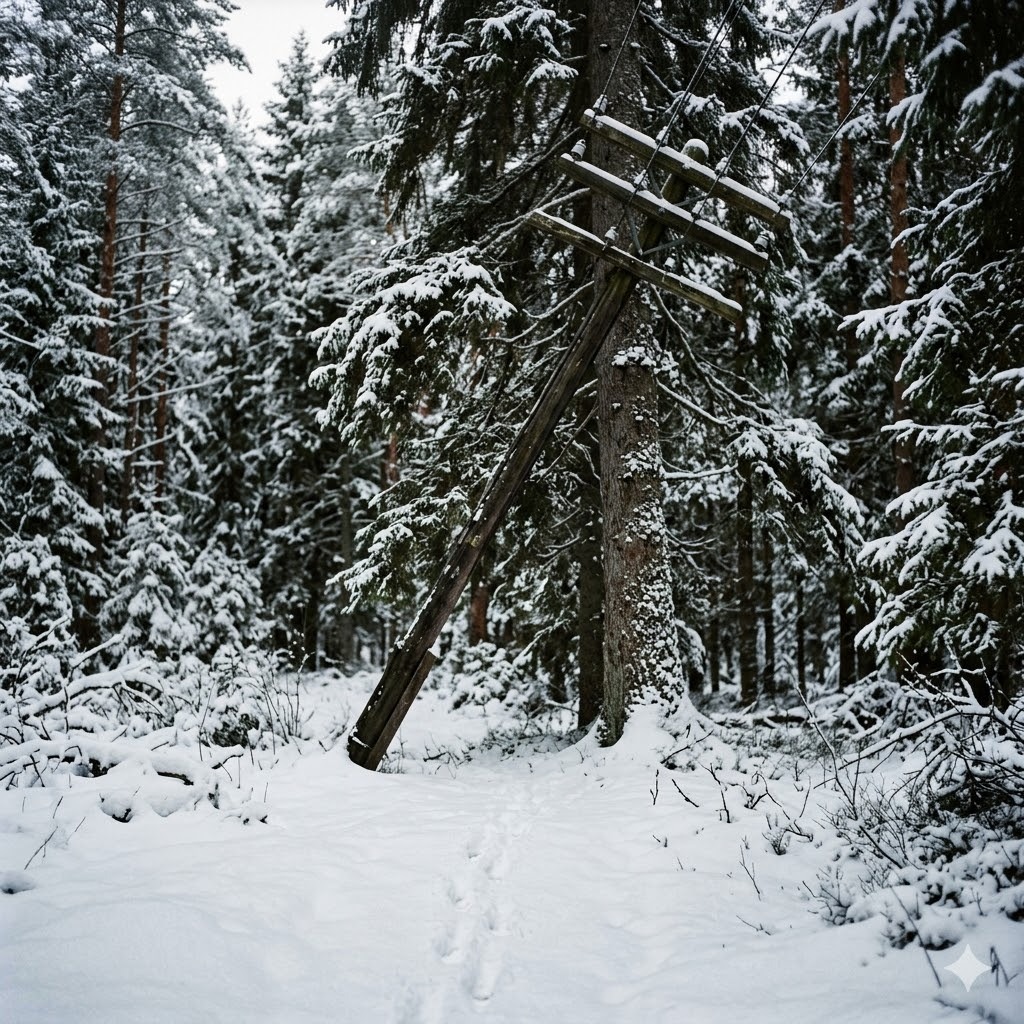
🔴 Marten are often quota-managed and closed in parts of their range - check status and any tagging rules. Use legal, humane sets; elevated sets also reduce non-target catches.
The American marten is a weasel built for the treetops of old northern forest. Smaller than a fisher and far more agile, it moves through mature conifer stands hunting squirrels, voles and birds, and it is curious enough to come readily to bait. Its fur is soft, thick and luxurious - long called sable in the fur trade - and prime in the cold heart of winter. For many northern trappers the marten is the classic line-country animal.
What makes marten trapping distinctive is the set. Rather than working the ground, you go up: elevated pole sets keep the trap above deep snow, where it stays working through storms, and, just as importantly, keep it selective by putting it where a climbing weasel goes and most other animals do not. This guide assumes you already understand legal, humane trapping and want to apply it to a small, agile, curious forest weasel - and to do so in areas where the season may be tightly managed or closed.
Why trap american marten
The honest reason is the fur. A prime marten pelt is soft, full and genuinely beautiful, with a long history in the trade under the name sable, and there is real craft in taking and preparing it. Where marten populations support a regulated harvest, a carefully run season on good habitat is a legitimate use of the resource.
The poor reasons are the familiar ones: taking marten where the season is closed or your quota is filled, or pursuing numbers without regard to the animal or the ground. Marten depend on mature forest and recover slowly where that forest is thin or fragmented, so local populations can be pushed down quickly by heavy trapping. Take marten only within an open, regulated season, on habitat that can sustain it, and within your tags and limits - or leave it. Confirm your status first at /regulations/.
Reading the sign and finding them
Marten are animals of mature, closed-canopy conifer and mixed forest with plenty of standing and downed timber, cavities and cover. They travel and hunt largely off the ground, moving through the canopy and along fallen logs, so their sign mixes ground tracks with a clear tie to standing timber.
In snow, marten tracks show a small, neat weasel bound, looping between trees and diving under logs and into snow tunnels around squirrel middens and blowdowns. Concentrations of red-squirrel sign - middens, cone debris, tunnels - are prime marten ground, because squirrels are a staple. Look for scat on logs, for tracks that repeatedly climb to and from tree bases, and for the kind of dense, cavity-rich stand marten favour. Where such habitat pinches into a travel corridor - a bench of old timber, a stringer of conifer between openings - you have the place to work.
Because marten are curious and come to bait, you do not need to intercept a precise run the way you do with a ground weasel. You need good habitat and an inviting, visible set placed where marten already live and move.
Sets and gear
The signature marten set is elevated, and for good reason. A leaning-pole set - a body-grip trap fixed part-way up a pole that leans against a tree, with bait above it so the marten must pass the trap to reach it - keeps the set above deep snow and puts it where a climbing weasel naturally goes. A box set fixed to a tree trunk at height works on the same principle. Both stay functional through snowfall that would bury a ground set, and both are selective, because animals that do not climb rarely reach them.
For the trap, a body-grip of the appropriate small-to-medium size (commonly the 120 class, where legal) is the standard marten tool and gives a quick result. Where regulations or preference call for a live or cage set, a box on a tree can hold the animal for selective handling. Follow the exact trap-type and size rules for your area; marten regulations are often specific, including on set height and type.
Bait with meat or fish, adding a visible attractor - a bit of wing, fur or flagging - and a food or gland lure, since a curious marten is drawn as much by sight as by scent. Fix the pole or box solidly so wind and a caught animal cannot dislodge it, and angle the approach so the marten meets the trap on its way to the bait. Good habitat plus a clean elevated set beats a scatter of ground sets in poor cover. See /gear/ for marten traps, poles and lures.
Handling, dispatch and fur
Marten are small and pose little risk to you, but they deserve the same care as any furbearer. Wear gloves, both for the small chance of bites or disease and to keep scent off resets. An animal found alive must be dispatched quickly and certainly with a method suited to its size; know and carry that method before you go, and never draw it out. This is covered in full at /trapping/ethics/.
The pelt is the reward, and it is a fine one. Skin promptly, flesh carefully, and case and dry on a stretcher sized to the animal. The soft, full fur is the whole point, so keep it clean and handle the guard hair and tail gently. Prime comes with deep winter cold; an early or unprime marten is worth a fraction of a prime one, so let the season come to you. Where your area requires sealing, tagging or reporting, do it - it is part of keeping the harvest sustainable.
Ethics and the law
This is the most important section. The American marten depends on mature forest and recovers slowly where that habitat is limited, which means a trapper's restraint matters here more than with an abundant animal. Treat it as a species to be harvested carefully within what the habitat and the regulations allow, never cleared out.
Confirm your legal status before you set anything. In parts of its range marten trapping is quota-managed with tags, sealing and short seasons; in others it is closed. Do not assume it is open because a neighbouring area is, or because it once was. Check your current, local regulations directly - begin at /regulations/ - hold the required licence and tags, respect any set-height or trap-type rules, and stop when your limit is filled.
Lean on the selectivity that elevated sets give you: keeping the trap up a pole, above the snow and off the ground, is one of the best tools you have for catching the target and sparing everything else. Set only where you have permission, tend your line promptly so no animal waits, and dispatch cleanly and quickly every time. If any of this is still new to you, read /trapping/ethics/ in full first, and see /trapping/ for the wider context on these forest furbearers and the responsibilities of pursuing them.