How to Trap Lynx
The lynx is protected or tightly managed across much of its range, so the first honest step is confirming whether you may trap it at all before anything else.
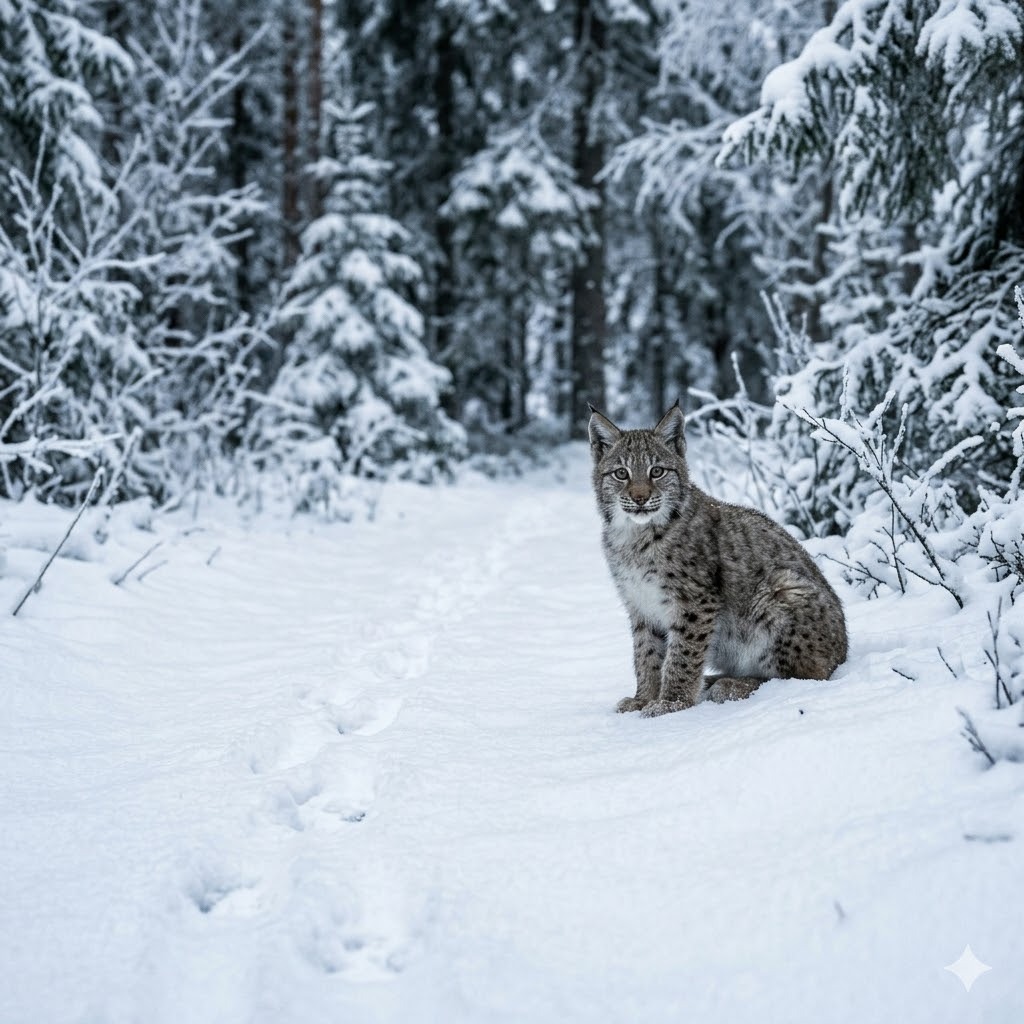
🔴 Lynx is protected or closed across many regions and often under CITES - never trap one where prohibited, and know how to distinguish it from bobcat. Mandatory tagging and quotas are the norm where open.
Before anything else about the lynx, one thing has to be said plainly: in much of the southern part of its range you may not be able to trap it at all. The lynx is protected outright in many jurisdictions, and where trapping is allowed it is usually under strict quotas, mandatory tagging and CITES rules. This is not a species where you set first and check the rules later. If you cannot confirm that a legal, open season exists where you are, then the correct answer is that you do not trap the lynx. Full stop.
Where a regulated season does exist, mostly in northern regions with healthy populations, the lynx is a genuinely rewarding and demanding animal. It is a big-footed northern cat tied closely to the snowshoe hare, and its numbers rise and fall with the hare cycle. Its coat is pale, dense and luxurious, and like the bobcat it hunts by sight and curiosity, coming readily to a visual set in good hare country. It is an advanced pursuit, and it carries a real responsibility to get both the legality and the animal identification right.
Why trap lynx
Where it is legal, lynx trapping is driven by fur and by the character of the animal. The pelt is prized, and taking a lynx cleanly and legally is regarded by many northern trappers as a high point of the season. In some managed northern systems, regulated harvest is also part of how populations are monitored across the hare cycle.
But the honest framing has to lead with restraint, not enthusiasm. The lynx is not an abundant, harvest-anywhere furbearer like the raccoon. Its range and numbers are limited, its populations swing with prey, and it is easily confused with the bobcat. Every one of those facts is a reason to be conservative. If demand or curiosity is your only motive and the legal footing is unclear, the right choice is to leave the animal alone.
Reading the sign and finding them
The lynx is a cat, so it hunts by sight and curiosity and travels the same kinds of structure a bobcat does: ridgelines, edges, funnels and the seams between cover types. What sets it apart is its dependence on the snowshoe hare. Find the hare and you have found the lynx's larder. Thick regenerating conifer, willow flats and dense young growth that hold hares in numbers are the country to focus on.
The lynx track is unmistakable once you know it: very large and round for the animal's body size, with a broad, well-furred foot that spreads across snow like a snowshoe. This is exactly why identification matters, because a bobcat track is similar in shape but smaller and less furred, and mistaking one for the other can mean catching a protected or over-quota animal. Learn the difference cold before you set anything. Look also for hare sign, trails packed in snow, and the funnels where travel pinches down through cover.
Sets and gear
Like the bobcat, the lynx responds strongly to a visual attractor because it hunts by sight. A flash of feather, hide or reflective material turning at a cat's eye level pulls a curious animal in to investigate. Scent and bait support the set, but the visual element does much of the work.
Cubby and flat sets at travel funnels in hare country are the mainstays. A cubby of snow, brush or natural cover with the attractor and bait at the back, and a solidly bedded, well-guided trap at the entrance, gives the cat a reason to step where you want it. In deep-snow country, set construction and maintenance are their own skill, because snow shifts, buries and freezes equipment. Whatever restraint device you use must be legal for lynx in your area, correctly sized, and compliant with any specified requirements. Do not assume bobcat gear or bobcat rules carry over, because they often do not. Read the /regulations/ carefully, and see the /gear/ page for foundational equipment.
Handling, dispatch and fur
Because the lynx is so tightly managed, the first duty at the trap is identification. Confirm the animal, confirm it is within your legal entitlement, and if there is any doubt about species or quota, do not proceed. A calm, careful, humane dispatch with a method appropriate to your equipment and legal under your rules is essential, and the animal deserves to be treated with respect rather than as a prize.
Lynx fur is dense, pale and delicate, and it must be handled to a high standard to hold its value: skinned with care, fleshed clean, and dried and stored properly. But handling only becomes relevant after the legal and identification questions are fully settled. A lynx taken outside the law or in error is not a catch, it is a serious problem, and no quality of fur preparation changes that.
Ethics and the law
For the lynx, ethics and law are not a closing section, they are the whole foundation of whether you should be out there at all. The lynx is protected in many places and tightly managed in the rest. In much of the lower part of its range, trapping it is simply not permitted, and treating a protected animal as fair game is both illegal and a betrayal of the wider trapping community's standing.
Where a season does exist, expect strict controls: quotas that cap how many animals may be taken per trapper or zone, mandatory tagging that registers each animal, and CITES obligations governing sale and export because the species is internationally listed. You must also be able to distinguish a lynx from a bobcat with certainty, since the two overlap in places and the rules for each can differ sharply. Getting that wrong can mean an illegal take even where you hold a valid permit.
So the guidance is unambiguous. Confirm legality first, before you plan, buy gear or scout. Know whether a season is open at all, and if so its quota, its tagging requirements and any CITES rules. Learn lynx-versus-bobcat identification until you are certain. Trap only where and when it is clearly legal, take only what you are entitled to, and complete every registration and sealing step properly. Hold yourself to the standards on the /trapping/ethics/ page, check /regulations/ for exactly what applies where you live, and see /trapping/ for how the furbearer species fit together on the line. When in doubt about a lynx, the honest and ethical choice is always to leave it be.