How to Trap Red Fox
The red fox is the classic dirt-hole quarry of open country, carrying a beautiful, valuable pelt and rewarding trappers who read edges and manage non-target catches carefully.
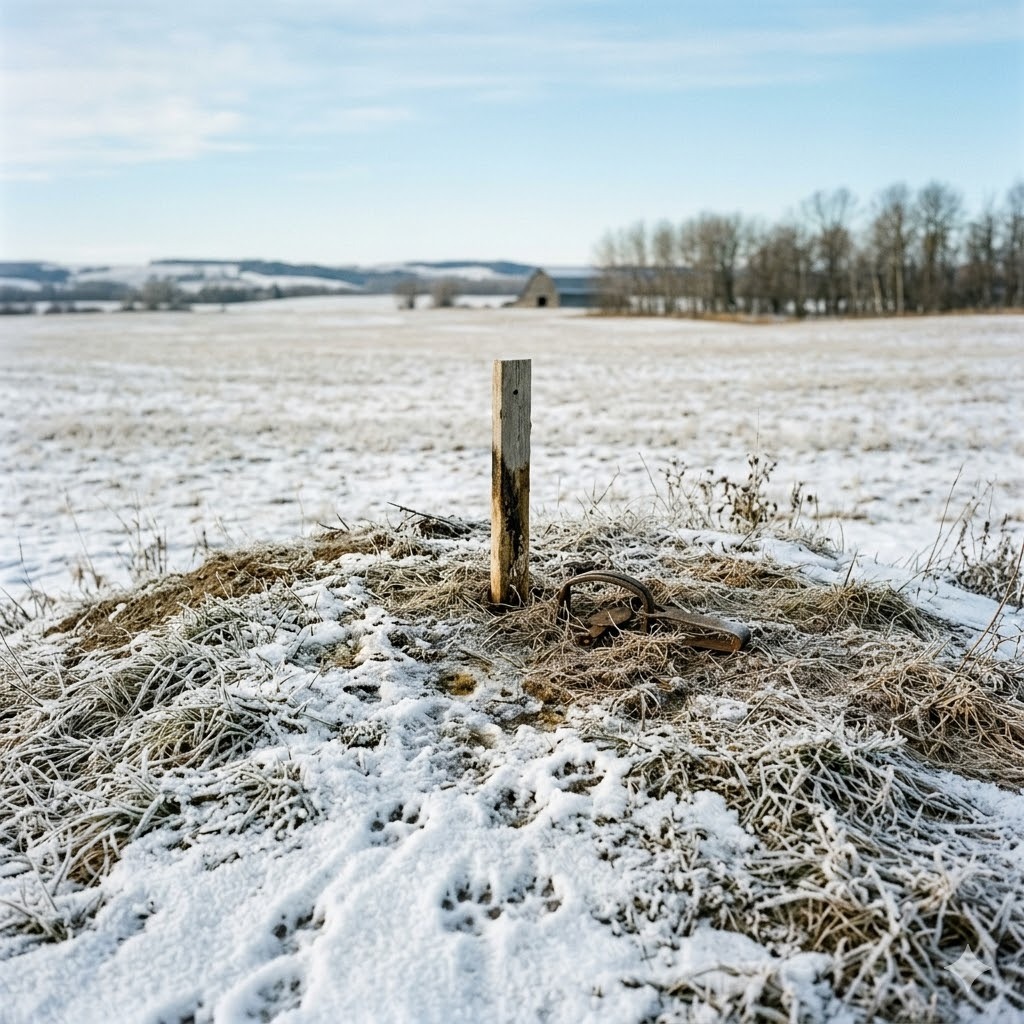
Follow licence, season and trap rules; use appropriate footholds and any pan-tension/offset requirements to reduce non-target catches. Foxes can carry rabies and mange, so handle with gloves.
The red fox is the animal many trappers picture when they think of the craft. It ranges across open farmland, field edges, and hedgerows, it responds well to a properly made scent set, and it carries one of the most beautiful pelts of any furbearer, a warm russet coat that has long held real value. Fox trapping is a step up from raccoon or possum work but well within reach for a careful intermediate trapper willing to learn scent control.
A red fox is wary but not impossible. It is curious about scent, drawn to visible high points, and predictable in how it uses the land. Learn to read those habits, keep your sets clean, and you can catch foxes consistently. As with any furbearer, the animal deserves quick, respectful handling, and the law sits above everything you do on the line.
Why trap red fox
The main draw is the pelt. A prime red fox taken in the depth of winter, fully furred with bright colour and dense underfur, is among the more valuable furbearer skins in a normal market. Prices rise and fall with fashion, so treat fur as a good return rather than a guaranteed one, but few furbearers reward clean handling as visibly.
Foxes are also managed as predators in some areas, where they press on ground-nesting birds, poultry, or game populations. Where that pressure is real and a landowner or agency wants numbers reduced, targeted trapping is a legitimate tool. Be clear about your reason before you set: fur, damage control, or both, and let that honesty guide how much you trap.
Reading the sign and finding them
Red foxes are animals of the open and the edge. Look for them along field margins, fence lines, hedgerows, drainage ditches, and the transitions between pasture and cover. Unlike many furbearers, a red fox likes to be seen: it favours high, visible spots such as small knolls, fence corners, rises in a field, and the mouths of trails, where it can survey ground and leave scent for other foxes.
These high, open features are exactly where your sets belong. Tracks in snow or soft ground show a neat, narrow, purposeful line, and scat or urine left on a rise marks a scent post the fox already visits. Follow the travel routes between feeding and resting cover, and note where they funnel through gates, gaps in hedges, and fence corners. A fox that already stops to scent-check a knoll is far easier to catch there than one you try to intercept in featureless ground.
Sets and gear
The dirt-hole set is the classic fox producer and the one to master first. Angle a small hole into a backing such as a dirt clump, grass tuft, or rock, tuck bait deep inside, add a touch of gland lure or fox urine, and bed a foothold trap on the approach so the fox must step onto the pan to work the hole. On a visible high spot, a urine-post set, essentially a scent post the fox is drawn to mark, works beautifully and suits the animal's habits.
Match the gear to the fox, which is a lighter animal than a coyote. Use a correctly sized foothold with a firm but appropriate pan tension so the trap fires reliably on a fox yet lets much lighter non-targets step off. An offset jaw helps reduce injury. Pan-tension adjustment is one of your best tools for cutting non-target catches, so learn to set it deliberately. Anchor every trap solidly with an earth anchor or drag. See /gear/ for trap choices and check /regulations/ for legal trap types and jaw spreads in your area.
Scent discipline makes the difference between an empty set and a caught fox. Wear clean gloves, keep traps free of foreign odour, kneel on a cloth, and disturb the ground as little as you can while still making a natural-looking set. A fox will happily work a clean set on a good spot and walk away from a dirty one.
Handling, dispatch and fur
Handle a fox with respect for both the animal and yourself. A held fox is frightened and will bite, and foxes can carry rabies and sarcoptic mange, so always wear gloves, avoid contact with any animal that looks sick or behaves oddly, and never handle a fox that seems unwell beyond what is needed to dispatch it safely and report it if required. Approach calmly, read the animal's position, and stay in control.
Dispatch must be quick and humane, using a method accepted and required where you trap. Plan it before you reach the set so nothing suffers while you decide. For fur, the red fox is skinned cased, fleshed carefully of fat, and stretched to dry on a correctly sized board. Prime winter pelts with full colour and dense underfur bring the best return, so timing your line to fully furred foxes matters. Using the pelt honours the animal you have taken.
Ethics and the law
This section matters most, so read /trapping/ethics/ before you run a fox line. Even a valuable, attractive quarry deserves the full standard: quick humane dispatch every time, deliberate targeting rather than indiscriminate trapping, and set placement and pan tension chosen to spare non-target animals. Foxes share ground with pets and other wildlife, so keep sets away from where people walk dogs, and use trap size and tension to let lighter animals escape.
Disease is a real duty of care with red fox. Rabies and mange occur, so wear gloves at every set, decline to handle sick-looking animals beyond safe dispatch, and follow local reporting rules for suspected rabies. Protecting yourself and preventing spread is part of trapping responsibly.
The law is not optional. Seasons, licensing, legal trap and snare types, jaw spreads, set-distance rules from roads and dwellings, mandatory trap-check intervals, and land permission all vary by place and change over time. Do not rely on old numbers or secondhand advice. Read /regulations/, confirm the current rules for your exact area, and get landowner permission before you set. Start at /trapping/ if the section is new to you, and build a clean, lawful, respectful line before you chase the fur.