How to Trap Wolverine
The largest land weasel and a legendary wilderness animal - protected, closed or tightly restricted across nearly all its range, so for almost everyone this is a species to admire, not trap.
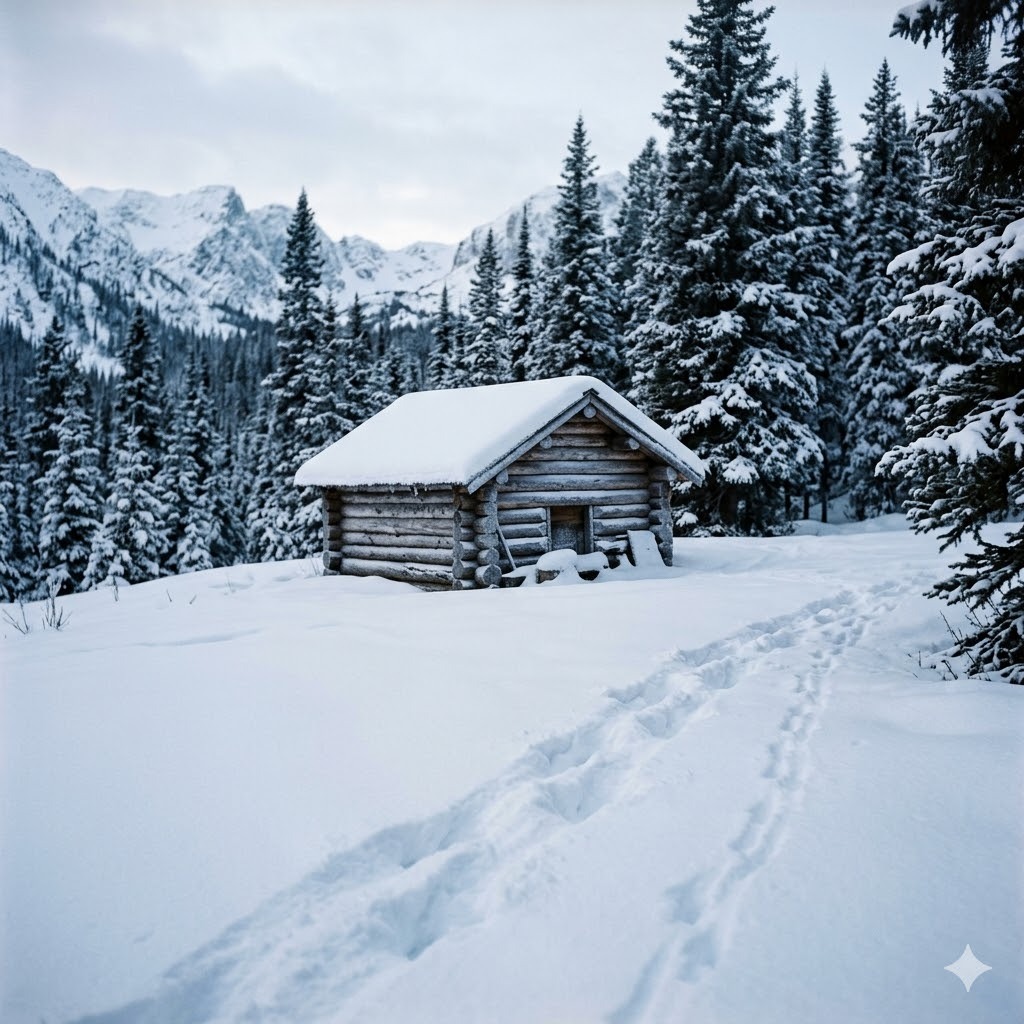
🔴 Wolverine are protected, closed or very tightly quota-managed almost everywhere - never target one where prohibited. Extremely strong and remote-country only; know the law and Indigenous rights, and never work alone.
Start here, before anything else: for nearly everyone reading this, the wolverine is not an animal to trap. It is protected, closed to trapping, or held under very tight quota across almost all of its range, and it is rare, slow to reproduce, and dependent on vast tracts of undisturbed wild country. The right response to a wolverine, for the overwhelming majority of trappers, is to admire it and leave it entirely alone. This guide exists to explain the animal honestly and to make the legal and ethical situation unmistakable - not to encourage anyone to set a trap.
The wolverine is the largest of the land weasels, built low, heavy and immensely strong, and it ranges over enormous distances through boreal forest, tundra and high mountains in search of food. Its coat sheds frost, which is why it has long been prized for the ruffs of parka hoods in the far north. It is a genuine icon of wilderness. It is also, precisely because it is rare and slow-breeding and needs so much space, one of the animals most easily harmed by trapping - which is exactly why the law protects it so widely.
Why trap wolverine
For almost everyone, the honest answer is that you do not, because you cannot legally, and should not want to. Across most of its range the wolverine is fully protected or the season is closed, and that status reflects a real conservation concern: small populations, low reproductive rates, and heavy sensitivity to human disturbance and to over-harvest.
There is one narrow context where a regulated take exists: parts of the far north where wolverine populations can support a very limited, tightly quota-managed harvest, and where the frost-shedding fur has genuine traditional and practical value, particularly for cold-country clothing and among Indigenous peoples with recognised rights to the resource. Even there, it is a small, closely watched take, not a pursuit to be entered lightly. If you are not in such a place, with such a legal right, the wolverine is simply off-limits, and that is the beginning and end of it. Confirm your status - and it will almost always be closed - at /regulations/.
Reading the sign and finding them
Understanding a wolverine's sign is worth knowing for the same reasons any wilderness traveller values it - to recognise the animal's presence and to appreciate it - even where you have no intention of trapping.
Wolverines cover astonishing ground, so sign is spread thin and far. Their tracks are large for the animal's height, showing the weasel family's build at outsized scale, and in snow their trails run for miles across open country, over ridges and through basins. They are powerful scavengers as well as hunters, so kills, cached carcasses and scavenged remains dragged into cover can mark their presence. Scat, tracks around carrion, and disturbed caches are the usual clues. Because a single animal patrols a home range that can span hundreds of square kilometres, finding fresh, repeated sign in one area means something.
For the remote-country context where a legal, quota-managed take exists, that same wide-ranging habit is what makes the animal difficult and demanding to pursue at all, and is part of why the take is kept so small.
Sets and gear
This section applies only to the narrow, remote, legal-and-quota context, and even then it is a matter for experienced far-north trappers working within a recognised right - not something to attempt on the strength of a web page. Where legal, wolverine sets are built heavy, because the animal is extraordinarily strong and will destroy or drag an underbuilt set.
That means the stoutest traps and, above all, the most solid anchoring you can manage: heavy body-grips or footholds rated well beyond what smaller furbearers need, anchored to substantial deadmen, trees or immovable points, on the kind of established travel and cache routes a wolverine actually uses. Baited cubby-style sets with large meat baits, built strongly enough to survive the animal's power, are typical. Follow the exact, specific trap-type, size and anchoring rules your jurisdiction imposes for wolverine, which are usually strict and detailed. See /gear/ for heavy-furbearer equipment - but understand that gear is the least of it here; the law and the ethics come first.
If you are reading this outside that narrow legal context, treat this section as background only. The correct set for a wolverine, almost everywhere, is no set at all.
Handling, dispatch and fur
A wolverine is one of the most powerful animals a trapper could ever encounter for its size, entirely capable of serious harm, and it must never be approached carelessly or alone. In the rare legal context, an animal found alive demands a dispatch method suited to a large, dangerous furbearer, applied quickly and certainly by someone who knows exactly what they are doing - and safety, including never working such a line alone, comes before everything. This is set out at /trapping/ethics/.
The frost-shedding fur is the traditional prize, valued above other furs for parka ruffs precisely because breath-frost brushes off it rather than building up. Where a legal take occurs, the pelt is skinned, fleshed and dried with the same care given to any fine fur, and where the law requires sealing, tagging and reporting - as it almost always does for wolverine - that is mandatory and central, not optional. But none of this is a reason to pursue the animal. It is context for the very few who may legally do so.
Ethics and the law
This is by far the most important section, and its message is simple: for almost everyone, do not trap the wolverine, and confirm the law before you go anywhere near the question. The species is protected, closed, or under tight quota across nearly all of its range because it is rare, breeds slowly, needs vast wild country, and cannot absorb much loss. Those are not bureaucratic details; they are the reason the animal still exists in many places.
Confirm your legal status directly and specifically, and expect the answer to be that wolverine trapping is closed or protected where you are. Where a limited, quota-managed take does exist - in parts of the far north, and often tied to recognised Indigenous rights - it is small, closely regulated, and demanding, with strict licensing, tags, sealing and reporting. Do not assume any opening; check your current local regulations at /regulations/, and if there is any doubt, the answer is no.
If you are ever in the narrow position of a legal, remote-country pursuit, go with full knowledge of the law and of Indigenous rights over the resource, never trap such a line alone, tend sets promptly, and dispatch cleanly and certainly. But the honest lead for this species bears repeating one last time: for the overwhelming majority of people, the wolverine is a wild animal to respect and protect, not to trap. Read /trapping/ethics/ in full for the standard the craft holds itself to, and see /trapping/ for the wider context on furbearers and the responsibilities that come with pursuing - or choosing not to pursue - them.